
Have you ever noticed a strange taste or smell in your tap water? That could be chlorine, a common chemical used to keep water safe but one that many people want to remove before drinking.
You might be wondering, can you actually filter chlorine out of your water at home? The answer is yes, and knowing how to do it can make a big difference in the quality and taste of the water you and your family use every day.
Keep reading to discover simple, effective ways to get rid of chlorine and enjoy cleaner, fresher water straight from your tap.
Why Remove Chlorine From Water
Chlorine is used to kill germs in water. It helps make water safe to drink. But chlorine can cause some problems in daily life. Many people want to remove chlorine from their water. Understanding why is important for health and home care.
Removing chlorine improves water quality and protects health. It also keeps water tasting fresh. Plus, it helps protect household appliances from damage. Let’s explore these reasons in detail.
Health Effects Of Chlorine
Chlorine in water can irritate skin and eyes. It may cause dry skin or rashes. Some people feel itchy after showering. Drinking chlorine water over time might affect health. It can upset the stomach or cause discomfort. Reducing chlorine can help prevent these issues.
Impact On Taste And Odor
Chlorine gives water a strong, chemical taste. It can smell like bleach or a swimming pool. This can make drinking water less enjoyable. Cooking with chlorinated water may also change food flavor. Removing chlorine makes water taste cleaner and fresher.
Effect On Household Appliances
Chlorine can damage pipes and water heaters. It speeds up corrosion inside appliances. This reduces their lifespan and increases repair costs. Clothes washed in chlorinated water may fade faster. Filtering chlorine helps protect appliances and saves money.
Common Chlorine Removal Techniques
Chlorine is a common chemical used to treat water. It helps kill bacteria and makes water safe to drink. Still, many people want to remove chlorine from their water. Several simple methods can reduce or remove chlorine. These methods vary in cost and ease. Here are some common chlorine removal techniques.
Boiling Water
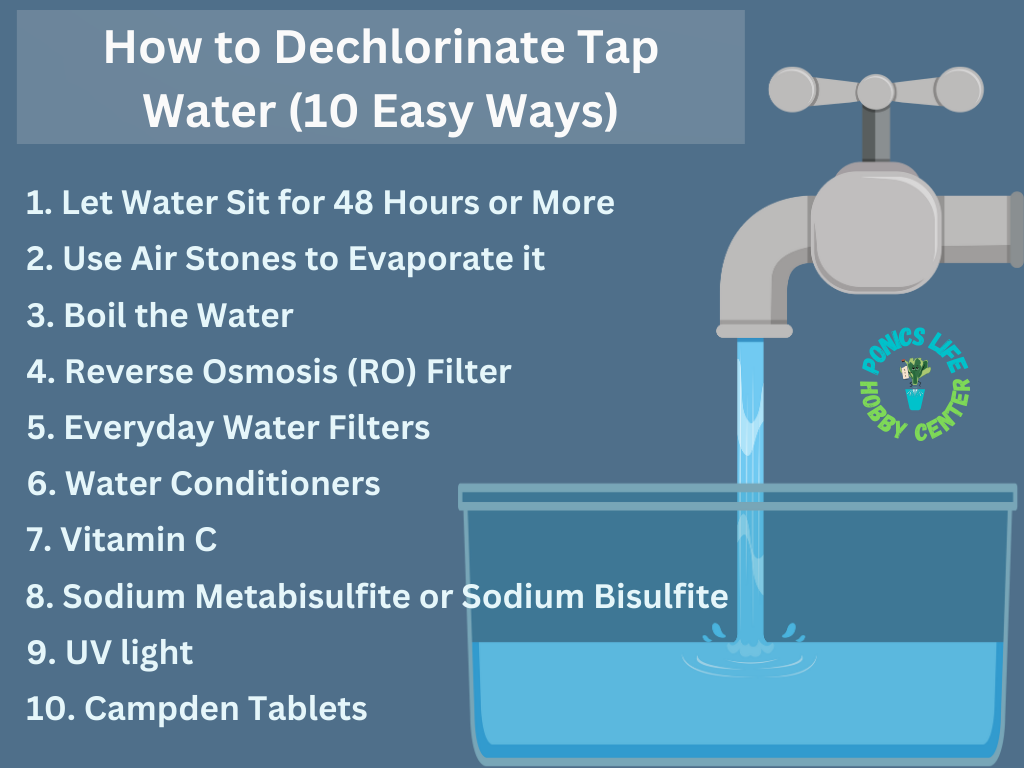
Boiling water can remove chlorine effectively. Heat causes chlorine to evaporate as a gas. Boil water for 15 to 20 minutes. This method works well for small amounts of water. It does not remove chloramine, a different chemical sometimes used in water treatment.
Letting Water Sit
Leaving water to stand exposes it to air. Chlorine escapes from the water over time. Pour water into an open container. Let it sit for 24 to 48 hours. This method is easy and free. It is not effective for removing chloramine.
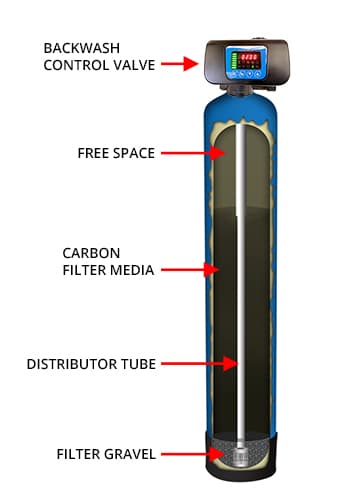
Activated Carbon Filters
Activated carbon filters are popular for chlorine removal. They trap chlorine molecules as water passes through. These filters fit on faucets or come as pitcher filters. They remove chlorine taste and smell well. Some filters also reduce other contaminants. Replace filters regularly to keep them effective.
Advanced Filtration Methods
Advanced filtration methods remove chlorine more effectively than basic filters. They use special technology to clean water deeply. These methods not only remove chlorine but also improve water taste and safety.
Reverse Osmosis Systems
Reverse osmosis systems push water through a fine membrane. This membrane blocks chlorine and many other chemicals. It produces very clean water with low impurities. These systems need regular maintenance to work well.
Uv Light Treatment
UV light treatment uses ultraviolet rays to kill bacteria. It does not remove chlorine by itself. But it works well combined with other filters. UV light makes water safer by killing germs.
Catalytic Carbon Filters
Catalytic carbon filters have a special type of carbon. They remove chlorine faster than regular carbon filters. They also reduce chloramine, a chemical similar to chlorine. These filters last longer and clean water better.
Chemical Treatments To Remove Chlorine
Chemical treatments offer a practical way to remove chlorine from water. These methods work by neutralizing chlorine molecules. They are effective and fast. Many use safe chemicals that break down chlorine into harmless substances. Chemical treatments suit different uses, such as drinking water or aquariums.
Using Sodium Thiosulfate
Sodium thiosulfate is a common chemical for chlorine removal. It reacts quickly with chlorine. The reaction changes chlorine into chloride, a harmless compound. This chemical is often used in water treatment plants. It is also popular in home water filtration systems. Sodium thiosulfate works well for both chlorine and chloramine.
Ascorbic Acid Application
Ascorbic acid, or vitamin C, can remove chlorine too. It neutralizes chlorine through a simple chemical reaction. This method is natural and safe. Ascorbic acid is gentle on fish and plants. It is widely used in aquarium water treatment. The process leaves no harmful residues behind.
Chlorine Neutralizing Drops
Chlorine neutralizing drops are easy to use at home. They contain chemicals that quickly neutralize chlorine. Just add the drops to water and stir. These drops are ideal for small water volumes. They are common for fish tanks and drinking water. The effect is fast, making water safe to use.
Choosing The Right Method For Your Needs
Choosing the right method to filter chlorine out of water depends on your specific needs. Different methods suit different situations. Consider your daily water use, budget, and how fast you want results. Picking the best option can save money and effort over time.
Considering Water Usage And Volume
Think about how much water you use each day. Large families need filters that handle high volume. Small households may choose simpler, low-flow options. Some filters work better for drinking water only. Others can treat all water in the home.
Cost And Maintenance Factors
Filter prices vary widely. Some need regular cartridge changes. Others last longer but cost more upfront. Maintenance tasks include cleaning or replacing parts. Choose a method you can keep up with easily. This saves headaches and extra expenses.
Effectiveness And Speed
Some methods remove chlorine faster than others. Activated carbon filters work quickly for drinking water. Reverse osmosis can take longer but removes more contaminants. Consider how soon you need chlorine gone. Fast results matter for cooking or drinking.
Testing Chlorine Levels At Home
Testing chlorine levels at home helps you know how much chlorine is in your water. This information guides you in choosing the right filter or treatment. Simple tools make the process fast and easy. You can check your water quality anytime without special skills.
Using Test Strips
Test strips are thin pieces of paper coated with chemicals. Dip a strip in your water for a few seconds. The strip changes color based on chlorine levels. Match the color to a chart that comes with the strips. This method is quick and affordable. Test strips are good for basic chlorine checks.
Digital Chlorine Meters
Digital chlorine meters give more precise results. Turn on the meter and dip its sensor in water. The screen shows chlorine concentration in parts per million (ppm). These meters cost more but are easy to use. They provide accurate readings for better water testing.
Interpreting Test Results
Chlorine levels below 1 ppm are usually safe for drinking. Levels above 4 ppm may taste or smell strong. High chlorine can irritate skin or eyes. Use test results to decide if you need a filter. Regular testing keeps your water clean and fresh.
Common Myths About Chlorine Removal
Many people misunderstand how chlorine is removed from water. This causes confusion about water filters and treatment methods. Clearing up these myths helps you choose the right solution for safe drinking water.
Myth: All Filters Remove Chlorine
Not every filter removes chlorine from water. Some filters only trap dirt or particles. Only certain types, like activated carbon filters, can reduce chlorine effectively. Check the filter specifications before buying.
Myth: Chlorine Evaporates Quickly
Chlorine does not always evaporate fast. It depends on water temperature and exposure to air. In some cases, chlorine stays in water for a long time. Relying on evaporation alone may leave chlorine in your water.
Myth: Boiling Always Removes Chlorine
Boiling water does not always remove chlorine. Chlorine gas can escape during boiling, but only if water is boiled long enough. Short boiling times may not remove all chlorine. Use a proper filter for better results.

Frequently Asked Questions
How Effective Are Water Filters At Removing Chlorine?
Water filters, especially activated carbon types, effectively remove chlorine from water. They absorb chlorine molecules, improving taste and odor. Not all filters are equal, so choose certified ones for chlorine removal. Regular filter replacement maintains effectiveness and water quality.
Can Boiling Water Remove Chlorine Safely?
Boiling water can remove chlorine by evaporation. Boil for 15-20 minutes to let chlorine dissipate. However, boiling does not remove chloramine, a chlorine compound often used in water treatment. Use other methods for chloramine removal.
Is Chlorine Removal Necessary For Drinking Water?
Chlorine removal is often preferred for taste and odor improvement. Chlorine in drinking water is generally safe at regulated levels. People with sensitive skin or respiratory issues may benefit from removing chlorine. Filtering can enhance water quality and safety.
What Types Of Filters Remove Chlorine Best?
Activated carbon filters are the best for chlorine removal. They adsorb chlorine and its by-products effectively. Reverse osmosis filters also reduce chlorine but are more expensive. Choose filters certified for chlorine reduction for optimal results.
Conclusion
Chlorine can affect water taste and safety. Many methods help remove chlorine easily. Activated carbon filters work well for most homes. Boiling water also reduces chlorine quickly. Choosing the right filter depends on your needs. Clean water supports better health every day.
Test your water to know chlorine levels. Stay informed to keep your water pure. Taking simple steps can improve your water quality. Clear, fresh water makes a big difference.

Hasan Al Sarker is a Reverse Osmosis Specialist. He has worked for many years to ensure safe drinking water for all. His research paper has been published in several journals, including Issue, Medium, and Slideshare. He is recognized as a water doctor among specialists though he did not attend medical college.
Besides working as a researcher of reverse osmosis technology, he is also very fancy with the kitchen and cooking. His guides are reading thousands of people every day. As a head of content, he is responsible for all the published articles at RO System Reviews.