
Have you ever wondered if you can turn salty ocean water into fresh water you can actually drink? If you’re facing a survival situation, planning an adventure, or just curious about how to get clean water from the sea, this question is crucial.
You might think it’s impossible, but the truth is, there are ways to filter ocean water. Understanding how this works can save you time, effort, and even your health. Keep reading, and you’ll discover what it takes to make ocean water safe—and whether it’s really something you can do yourself.
Why Ocean Water Isn’t Safe
Ocean water looks clean and fresh. Yet, it is not safe to drink or use directly. Many hidden dangers make ocean water unsafe. These dangers come from natural and human sources. Understanding these risks helps explain why filtering ocean water is a challenge.
Salt Content And Its Effects
Ocean water contains a high amount of salt. About 3.5% of ocean water is salt. Drinking salty water causes dehydration. Salt draws water out of the body’s cells. This makes you more thirsty and weak. Salt can also harm your kidneys and other organs. Regular water filters cannot remove salt. Special processes like desalination are needed to make it safe.
Common Contaminants In Seawater
Seawater holds many contaminants beyond salt. Oil spills, chemicals, and waste pollute the ocean. Harmful bacteria and viruses live in seawater. These germs can cause serious illnesses. Heavy metals like mercury and lead also exist in ocean water. They build up in fish and seafood. Consuming contaminated water or seafood can harm health. Simple filtering does not remove all these dangers.
Basic Filtration Techniques
Basic filtration techniques help make ocean water safer to drink. These methods remove dirt, sand, and some harmful particles. They do not remove salt but prepare water for further treatment. Simple tools and materials can help filter ocean water in survival situations.
Using Cloth And Sand Filters
Cloth and sand filters remove large debris and particles. First, use a clean cloth to strain out leaves, twigs, and dirt. Next, pour water through layers of sand and small stones. This method traps smaller particles and cleans the water visually. It is a slow process but improves water clarity. Remember, this does not make water safe from germs.
Boiling To Kill Bacteria
Boiling water kills most bacteria and germs. Bring filtered water to a rolling boil for at least one minute. At higher altitudes, boil for three minutes. Boiling does not remove salt or chemicals. It makes the water safer to drink by killing harmful microbes. Always let boiled water cool before drinking.
Advanced Purification Methods
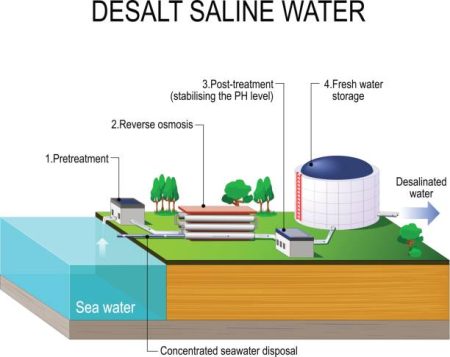
Advanced purification methods remove salt and impurities from ocean water. These methods make seawater safe to drink. They use technology and natural processes to clean water efficiently. Understanding these methods helps in choosing the right solution for clean water.
Solar Distillation
Solar distillation uses sunlight to purify ocean water. It works by heating water until it evaporates. The vapor then cools and turns back into clean water. Salt and other impurities stay behind. This method is simple and uses natural energy.
Solar stills are easy to build with basic materials. They work well in sunny places. This method provides safe drinking water without electricity or chemicals.
Portable Desalination Devices
Portable desalination devices remove salt from seawater on the go. They use filters or membranes to clean the water. These devices are small and easy to carry. Ideal for travelers, sailors, or emergency use.
Many use reverse osmosis technology to push water through tiny filters. This traps salt and leaves fresh water. Portable desalination devices give quick access to clean water anywhere.

Diy Ocean Water Filter Setup
Filtering ocean water at home can be useful for many reasons. A DIY ocean water filter setup helps remove large particles and debris. It is not the same as making seawater safe to drink. This filter can prepare water for further purification steps. It is a simple project anyone can try with basic materials.
Materials Needed
- Plastic bottle or container
- Clean sand
- Activated charcoal
- Gravel or small stones
- Coffee filter or clean cloth
- Rubber band or string
- Scissors or knife
Step-by-step Construction
- Cut the plastic bottle in half carefully.
- Turn the top half upside down and place it inside the bottom half.
- Place the coffee filter or cloth inside the bottle neck.
- Add a layer of activated charcoal on top of the cloth.
- Next, add a thick layer of clean sand above the charcoal.
- Top the sand with a layer of gravel or small stones.
- Pour ocean water slowly into the gravel layer.
- Collect filtered water from the bottom container.
Safety Tips For Drinking Filtered Ocean Water
Drinking filtered ocean water can be risky without proper knowledge. Safety is the key to avoid health problems. This section guides you through important safety tips. It helps you stay safe while drinking filtered ocean water.
Recognizing Potential Hazards
Ocean water may contain salt, bacteria, and chemicals. Salt can cause dehydration and harm your body. Bacteria in water can lead to stomach sickness. Chemicals from pollution can cause long-term health issues. Always use a reliable filter that removes salt and germs. Check the filter’s instructions to ensure it works well. Never drink ocean water without filtering it first.
When To Avoid Drinking
Avoid drinking filtered ocean water after heavy storms. Storms can wash extra dirt and chemicals into the sea. Do not drink near industrial areas or busy ports. These places often have polluted water. If the water looks cloudy or smells bad, do not drink it. Always choose clean, clear water for filtering. When unsure about water quality, choose safer drinking options.
Comparing Filtration Methods
Filtering ocean water is possible through different methods. Each method has its own strengths and weaknesses. Comparing these methods helps to find the best option for clean water. Important factors include how well they remove salt and impurities, how fast they work, and how much they cost.
Efficiency And Time Required
Some methods remove salt better than others. Reverse osmosis is very effective. It can remove nearly all salt and harmful particles. It takes a few hours to filter a small amount of water. Solar distillation also works well but is slower. It uses sunlight to evaporate water, leaving salt behind. This process can take a whole day or more.
Simple filters remove some particles but not salt. They work quickly but do not make water safe to drink.
Cost And Accessibility
Reverse osmosis systems are expensive. They need electricity and special parts. This makes them hard to use in remote areas. Solar distillation is cheaper. It needs only sunlight and basic materials. Anyone can build a solar still at home. Simple filters are very affordable and easy to find. They are common in stores and require no power.
Choosing a method depends on budget and location. Some methods suit daily use, others for emergencies.
Frequently Asked Questions
Can You Filter Ocean Water For Drinking?
Yes, ocean water can be filtered for drinking using desalination. This process removes salt and impurities, making water safe and potable.
What Methods Filter Salt From Ocean Water?
Common methods include reverse osmosis and distillation. These technologies effectively remove salt and contaminants from seawater, providing clean water.
Is Filtering Ocean Water Cost-effective?
Filtering ocean water is expensive due to energy and equipment needs. However, it’s essential in areas with limited freshwater resources.
Can Home Filters Purify Ocean Water?
Standard home filters cannot remove salt from ocean water. Specialized desalination systems are required to make seawater drinkable.
Conclusion
Filtering ocean water is possible but requires the right methods. Simple filters cannot remove salt and harmful substances. Using distillation or reverse osmosis works best for clean water. These methods need special equipment and energy. Always be careful with ocean water before drinking.
Clean water is vital for health and survival. Knowing how to filter ocean water helps in emergencies. Remember, not all filters are safe or effective. Choose your method wisely for the best results. Stay informed and prepared for any situation.

Hasan Al Sarker is a Reverse Osmosis Specialist. He has worked for many years to ensure safe drinking water for all. His research paper has been published in several journals, including Issue, Medium, and Slideshare. He is recognized as a water doctor among specialists though he did not attend medical college.
Besides working as a researcher of reverse osmosis technology, he is also very fancy with the kitchen and cooking. His guides are reading thousands of people every day. As a head of content, he is responsible for all the published articles at RO System Reviews.