Are you worried about the quality of your drinking water? Imagine having a simple, affordable way to filter water right at home—without relying on expensive gadgets or complicated setups.
A Do It Yourself Water Filter System puts the power in your hands to make your water cleaner and safer. You’ll discover easy steps and clever tips to build your own filter using everyday materials. By the end, you’ll feel confident about improving your water quality and protecting your health.
Ready to take control of your water? Let’s dive in!
Why Build A Diy Water Filter
Building a DIY water filter is a smart choice for many reasons. It gives control over the water you drink. You can create a simple, effective filter using easy materials. This helps ensure cleaner and safer water at home or outdoors.
Benefits Of Homemade Filters
Homemade water filters cost less than store-bought ones. They use natural or common materials like sand, charcoal, and cloth. These filters reduce dirt and some harmful particles. You can fix or rebuild them anytime without special tools. DIY filters also teach important skills about water safety.
Common Water Contaminants
Water may contain dirt, sand, and small stones. It can have bacteria, viruses, or parasites that cause illness. Chemicals from nearby farms or factories may pollute the water. Rust and metals can come from old pipes. A DIY filter helps reduce many of these common contaminants.
When To Use Diy Filters
Use a DIY water filter during camping or hiking trips. They work well in emergencies when clean water is scarce. Filters help when traveling to places without safe water. At home, they can improve taste and clarity of tap water. DIY filters are handy anytime you need cleaner water fast.
Essential Materials Needed
Building a DIY water filter system needs the right materials. Choosing these materials carefully helps create clean, safe water. Knowing what you need saves time and effort. Let’s explore the essential items for your project.
Choosing Filter Media
Filter media removes dirt, bacteria, and impurities from water. Common options include sand, activated charcoal, and gravel. Sand traps large particles, while charcoal absorbs chemicals and odors. Gravel supports the layers above and improves water flow. Select clean, natural materials for best results.
Containers And Tools
A strong container holds the filter media and water. Plastic bottles, buckets, or jars work well. Make sure the container is clean and food-safe. Tools like scissors, a drill, or a knife help shape and prepare the filter. Use a funnel or cloth for easy water pouring.
Safety Equipment
Protect yourself during the build process. Wear gloves to avoid cuts and dirt. Safety glasses keep debris out of your eyes. A mask can prevent inhaling dust from filter materials. Clean hands and work surfaces reduce contamination risk.
Step-by-step Filter Construction
Building your own water filter system can be simple and rewarding. It needs careful steps to work well and clean water. Follow these clear instructions to make a reliable filter at home. Each step shapes your filter’s strength and safety.
Preparing The Container
Choose a clean container. A plastic bottle or bucket works well. Cut the bottom if using a bottle to allow water flow. Make small holes in the lid to let water pass through slowly. Rinse the container with clean water before use. This stops dirt from mixing in. Make sure the container is dry before adding materials.
Layering Filter Materials
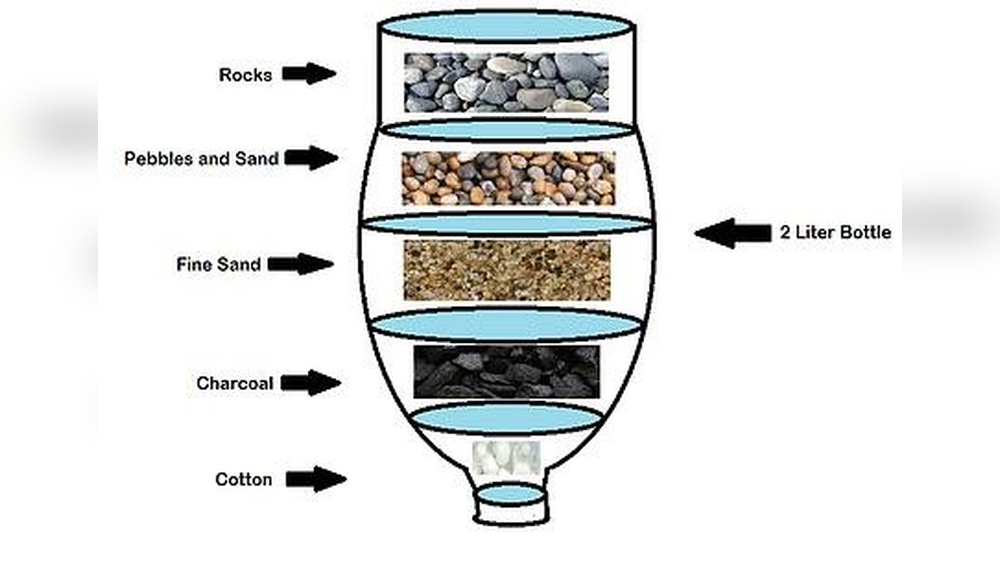
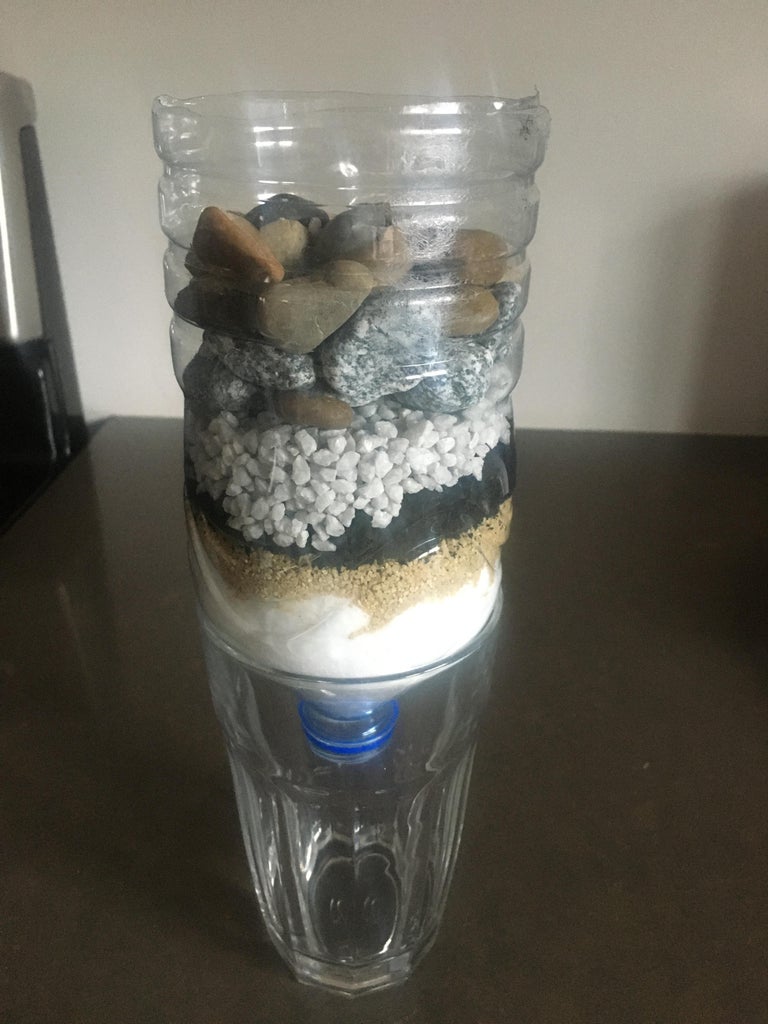
Start with a layer of clean cloth at the bottom. This stops small particles from escaping. Next, add fine sand. Sand traps tiny dirt and debris. Above sand, place activated charcoal. Charcoal removes bad smells and chemicals. Then add coarse sand to catch bigger particles. Finish with a layer of small gravel on top. Each layer should be about two inches thick. The order helps filter water step by step.
Sealing And Testing
Seal the container lid tightly after layering. This keeps the filter materials in place. Pour water slowly into the top. Collect filtered water from the bottom. Check water clarity and smell. If water looks cloudy, try adding more charcoal or sand. Test the filter several times before using it for drinking. Always clean the filter parts regularly to keep it safe.
Types Of Diy Water Filters
DIY water filters come in several types. Each type uses different materials to clean water. These filters help remove dirt, harmful chemicals, and some germs. They are easy to make with simple tools and supplies. Choosing the right type depends on what you need and what materials you have.
Sand And Gravel Filter
This filter uses layers of sand and gravel. Water passes through these layers slowly. The sand catches dirt and particles. The gravel supports the sand and helps water flow. This filter works well for cloudy water. It is simple and cheap to build.
Charcoal-based Filter
Charcoal helps remove bad smells and some chemicals. It also traps tiny particles. You can use activated charcoal or make charcoal by burning wood. This filter improves water taste. It is often combined with sand or gravel for better cleaning.
Ceramic Pot Filter
The ceramic pot filter uses a porous clay pot. Water passes through tiny holes in the pot. These holes block bacteria and dirt. It cleans water without chemicals. This filter is reusable and easy to clean. It is popular in many areas with limited water access.
Improving Filter Efficiency
Improving the efficiency of your DIY water filter system helps ensure clean and safe water. Small changes can make a big difference in the filtering power. Simple steps improve water taste and remove more impurities. Keep your system working well with easy upgrades and care.
Adding Activated Carbon
Activated carbon is great for removing odors and chemicals. It traps harmful substances that regular filters miss. You can add activated carbon inside your filter container. Use small granules or carbon blocks for best results. This step helps make water clearer and better tasting.
Using Uv Light
UV light kills bacteria and viruses without chemicals. Adding a UV light stage boosts your filter’s safety. It works fast and does not change water flavor. You can buy small UV units for home use. Place the UV light after all other filtering steps.
Regular Maintenance Tips
Clean your filter parts often to keep water flowing well. Replace filter materials as the instructions say. Check for mold or dirt inside the system. Flush the filter with clean water regularly. Proper care stops clogs and keeps your filter strong.

Testing Water Quality At Home
Testing water quality at home is an important step in ensuring safe drinking water. It helps detect harmful substances and prevents health risks. Simple tests can identify common problems quickly and easily.
Regular checks keep your water clean and clear. Knowing what is in your water guides you in choosing the right filter for your DIY system.
Simple Chemical Tests
Chemical tests reveal contaminants like chlorine, nitrates, and lead. Test kits are affordable and easy to use at home. You dip a strip into the water and watch for color changes. Each color shows a different chemical level. These tests give quick results without special tools.
Ph And Turbidity Checks
pH measures if water is acidic or basic. Ideal pH is between 6.5 and 8.5 for drinking water. Turbidity shows how clear the water is. Cloudy water may contain dirt or germs. Simple pH strips and turbidity tubes help check these qualities fast.
When To Seek Professional Testing
Some problems need expert analysis. If tests show dangerous chemicals or bacteria, call a professional. Experts use advanced tools to find hidden toxins. Testing labs offer detailed reports on water safety. Regular professional checks add extra protection for your family.
Common Challenges And Solutions
Building your own water filter system can bring many benefits. It saves money and ensures cleaner water. Yet, some common problems may arise during use. Knowing these problems helps you fix them fast. This keeps your water filter working well for a long time.
Filter Clogging Issues
Filters can get clogged with dirt and debris. This blocks water flow and lowers filter performance. Clean the filter regularly to avoid clogging. Use a brush or rinse the filter with clean water. Replace the filter if clogging persists. This keeps water flowing smoothly and clean.
Removing Odors And Taste
Sometimes filtered water may still smell or taste odd. This happens when chemicals or organic matter remain. Use activated carbon in your filter to absorb odors and bad taste. Change the carbon regularly for best results. Store filtered water in clean containers to keep it fresh.
Handling Hard Water
Hard water has minerals that can harm your filter. These minerals cause buildup and reduce filter life. Use a water softener before the filter to reduce hardness. Clean the filter more often if you have hard water. This helps your DIY system last longer and work better.
Safety Tips For Diy Water Filtration
Building a DIY water filter system is rewarding but needs care. Safety is key to keep your water clean and healthy. Follow these tips to avoid risks and get the best results.
Avoiding Contamination
Keep all parts of the filter clean before use. Use clean hands and tools to handle materials. Do not touch the inside of the filter or the filtered water area. Avoid placing the filter on dirty surfaces. Clean water means clean tools.
Proper Filter Storage
Store filters in a dry, cool place to stop mold growth. Keep filters in sealed containers to block dust and bugs. Avoid exposure to sunlight, which can damage filter materials. Clean storage helps filters last longer and work better.
When To Discard Filters
Replace filters after a set time or after filtering a certain amount of water. Watch for changes in taste, smell, or flow speed. If the filter looks damaged or dirty, discard it right away. Using old filters can harm your health.
Using Diy Filters In Emergencies
Using a DIY water filter system during emergencies can save lives. Clean water is not always easy to find. A simple homemade filter can remove dirt and some harmful particles. This helps prevent illness when no other options are available.
DIY filters use materials like sand, charcoal, and cloth. These can be found or prepared quickly. They do not remove all bacteria or viruses but improve water safety. Drinking filtered water is better than drinking dirty water directly.
Survival Scenarios
In survival situations, clean water is critical. Rivers, lakes, and rainwater can contain dirt and germs. Using a DIY filter can make these water sources safer. It helps reduce the risk of stomach problems. Always boil water after filtering if possible.
Portable Filter Options
Portable DIY filters can be made from bottles or small containers. These are easy to carry in backpacks. Layer materials like sand, charcoal, and cloth inside. They help filter water on the go. Portable filters are useful for hikers and campers.
Long-term Water Safety
For long-term use, keep filters clean and replace materials often. Dirt and bacteria can build up over time. Store filtered water in clean containers. Boiling water after filtering adds extra safety. Regular maintenance ensures safer water daily.
Frequently Asked Questions
What Materials Are Needed For A Diy Water Filter System?
You need activated charcoal, sand, gravel, a plastic bottle, and cotton or coffee filters. These materials effectively remove impurities and improve water clarity.
How Does A Diy Water Filter System Work?
The system filters water by passing it through layers of sand, charcoal, and gravel. Each layer traps different contaminants, making water cleaner and safer to use.
Can Diy Filters Remove Harmful Bacteria And Viruses?
DIY filters mainly remove sediments and some chemicals. They are not reliable for eliminating all bacteria or viruses, so boiling water afterward is recommended.
How Often Should I Clean My Diy Water Filter?
Clean your filter every 1-2 weeks to prevent clogging and bacterial growth. Regular maintenance ensures the filter stays effective and water quality remains high.
Conclusion
Building your own water filter system saves money and ensures clean water. It uses simple materials anyone can find. This project helps you understand how water gets clean. Clean water means better health for you and your family. Keep your filter clean and change parts often.
Try making your own filter today. You’ll feel proud and stay safe with fresh water. Easy, cheap, and useful—DIY water filters work well.

Hasan Al Sarker is a Reverse Osmosis Specialist. He has worked for many years to ensure safe drinking water for all. His research paper has been published in several journals, including Issue, Medium, and Slideshare. He is recognized as a water doctor among specialists though he did not attend medical college.
Besides working as a researcher of reverse osmosis technology, he is also very fancy with the kitchen and cooking. His guides are reading thousands of people every day. As a head of content, he is responsible for all the published articles at RO System Reviews.