
Are you worried about the safety of your drinking water? You might have heard about E. Coli and wondered if your water filter can actually remove this harmful bacteria.
Knowing the answer is crucial for your health and peace of mind. You’ll discover how water filters work against E. Coli, what types of filters are effective, and what you need to do to keep your water truly safe. Keep reading to protect yourself and your loved ones from invisible threats lurking in your tap.

E Coli And Water Contamination
Water contamination by E Coli is a serious public health concern. This bacteria can enter water supplies from various sources. Contaminated water can cause illness in people who drink it. Understanding how E Coli gets into water helps in preventing contamination.
Safe drinking water is essential for health. Removing E Coli from water reduces the risk of disease. Knowing the sources and dangers of E Coli guides better water safety practices.
Sources Of E Coli In Water
E Coli bacteria often come from animal and human waste. Sewage leaks can contaminate rivers and lakes. Runoff from farms may carry animal waste into water bodies. Broken septic systems also release E Coli into groundwater. Contaminated water sources increase the risk of exposure.
Health Risks Of E Coli Exposure
Drinking water with E Coli can cause stomach cramps and diarrhea. Some strains may lead to serious illness or kidney problems. Children and elderly are more vulnerable to infection. Symptoms can start within days after exposure. Prompt treatment is important to avoid complications.

Types Of Water Filters
Water filters come in different types. Each type works differently to clean water. Knowing these types helps you pick the right filter to remove E. coli.
Mechanical Filters
Mechanical filters use a physical barrier. They trap particles like dirt and some bacteria. The filter has tiny holes that block impurities. These filters can catch E. coli if the holes are small enough. They need regular cleaning or replacement to work well.
Activated Carbon Filters
Activated carbon filters use a special charcoal. This charcoal absorbs bad tastes, smells, and chemicals. These filters remove some bacteria but not all E. coli. They work best combined with other filters for safety.
Ultraviolet (uv) Filters
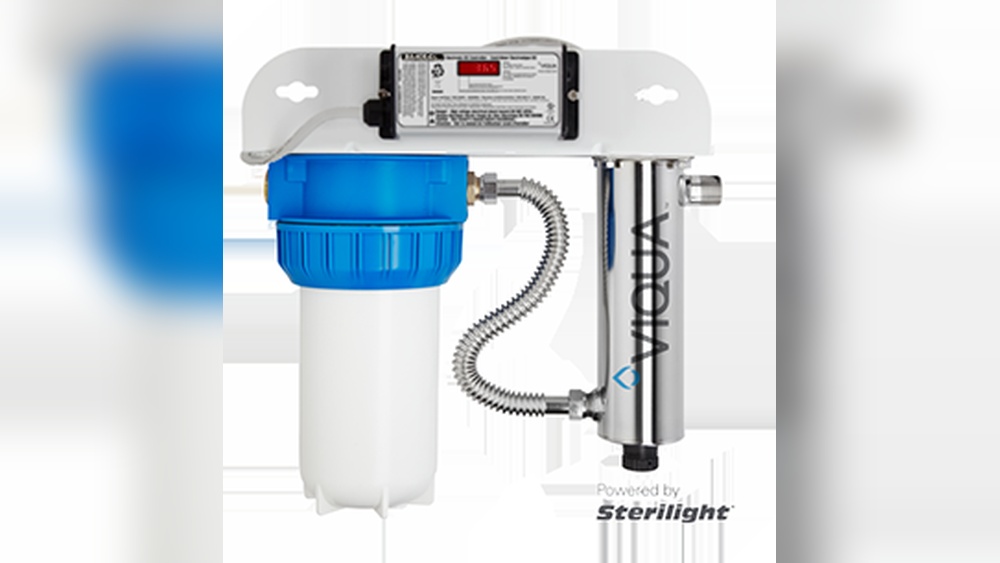
UV filters kill bacteria with light. The UV light destroys the DNA of germs like E. coli. Water passes through a UV chamber quickly. This type does not remove particles but makes water safe by killing bacteria.
Reverse Osmosis Systems
Reverse osmosis forces water through a fine membrane. This membrane blocks many contaminants, including E. coli. It removes particles, chemicals, and germs effectively. This system often combines with other filters for best results.
Effectiveness Of Filters Against E Coli
Water filters can reduce E. coli bacteria in drinking water. Their success depends on the type of filter and its technology. Understanding how filters work helps choose the right one for safe water.
Filtration Mechanisms That Target Bacteria
Many filters use physical barriers to block bacteria. Tiny pores catch E. coli and other harmful microbes. Some filters use activated carbon to trap impurities and improve taste. Others combine carbon with silver to kill bacteria. Ultraviolet (UV) light filters destroy bacteria’s DNA, stopping growth. These methods lower E. coli numbers significantly in water.
Limitations Of Common Filters
Not all filters remove E. coli completely. Simple carbon filters may not block all bacteria. Some filters have large pores that let bacteria pass through. UV filters need clear water to work well. Dirty or cloudy water can reduce their effectiveness. Filters also need regular cleaning or replacement to stay safe. Using the wrong filter can leave harmful bacteria in your water.
Best Practices For Removing E Coli
Removing E. coli from drinking water requires careful steps. Water filters alone may not fully protect against this bacteria. Combining methods improves safety. Proper care keeps your water clean and healthy.
Combining Filtration And Disinfection
Use a water filter designed to trap bacteria like E. coli. Filters with small pore sizes work best. Add a disinfection step to kill any leftover germs. Boiling water or using UV light destroys E. coli effectively. This two-step process reduces infection risks.
Regular Maintenance And Replacement
Change your filter regularly. Old filters lose effectiveness and may harbor bacteria. Follow the manufacturer’s schedule for cleaning and replacement. Check for cracks or damage that let contaminants pass. Clean your system parts to avoid buildup. Proper upkeep ensures safe water every time.
Alternative E Coli Removal Methods
Removing E. coli from water is essential for safe drinking. Water filters may not always remove these bacteria fully. Alternative methods help ensure water is clean and safe to use. These methods use heat, chemicals, or special devices to kill or remove E. coli. Understanding these options helps protect health in various situations.
Boiling And Chemical Treatments
Boiling water kills E. coli quickly. Bring water to a rolling boil for at least one minute. This method is simple and effective. It works well for home or outdoor use.
Chemical treatments use substances like chlorine or iodine. Add the chemical to water and wait for the right time. These chemicals kill bacteria and other germs. Follow instructions carefully to avoid harmful effects.
Portable Water Purification Devices
Portable water purifiers are handy for travel or emergencies. Many use UV light to destroy E. coli and other pathogens. Some combine filters with UV or chemicals for better results. These devices are easy to carry and use. They provide safe water almost anywhere.
Choosing The Right Water Filter
Choosing the right water filter is important for safe drinking water. Not all filters remove harmful bacteria like E. coli. Picking the correct filter helps protect your health and improves water quality. Understanding key points guides you to the best choice.
Factors To Consider
Look at the filter’s ability to remove bacteria. Check what types of contaminants it can handle. Some filters block chlorine but not bacteria. Size and flow rate matter for daily use. Consider how easy it is to install and maintain. A filter that fits your water source is best.
Certifications And Testing Standards
Choose filters tested by trusted organizations. NSF and ANSI set strict water filter standards. Certification proves the filter removes E. coli effectively. Look for filters that meet NSF/ANSI 53 or 58 standards. This gives confidence in water safety and quality.
Frequently Asked Questions
Does A Water Filter Remove E Coli Bacteria?
Yes, many water filters effectively remove E Coli bacteria. Filters with micron ratings of 1 or less can block these pathogens. However, not all filters are equal, so verify the product’s specifications for E Coli removal before purchase.
What Types Of Water Filters Kill E Coli?
Filters using activated carbon, ceramic, or UV light can remove or kill E Coli. UV filters disinfect water by destroying bacteria DNA. Ceramic filters physically block bacteria, while activated carbon filters adsorb contaminants including bacteria.
Can A Standard Pitcher Filter Remove E Coli?
Most standard pitcher filters do not remove E Coli effectively. They mainly improve taste and reduce chlorine. For E Coli removal, use filters certified for microbiological contaminants or advanced filtration systems.
How Do I Ensure My Water Filter Removes E Coli?
Check for NSF/ANSI certifications like Standard 53 or 58 indicating bacteria removal. Read product details and reviews to confirm E Coli removal claims. Regularly replace filter cartridges to maintain effectiveness.
Conclusion
Water filters can reduce E. Coli but not all types remove it fully. Choosing the right filter is key for safer drinking water. Look for filters certified to block bacteria like E. Coli. Regular maintenance keeps filters working well and your water clean.
Clean water protects your health and peace of mind. Always check product details before buying a filter for bacteria removal. Safe water starts with the right filter and good habits.

Hasan Al Sarker is a Reverse Osmosis Specialist. He has worked for many years to ensure safe drinking water for all. His research paper has been published in several journals, including Issue, Medium, and Slideshare. He is recognized as a water doctor among specialists though he did not attend medical college.
Besides working as a researcher of reverse osmosis technology, he is also very fancy with the kitchen and cooking. His guides are reading thousands of people every day. As a head of content, he is responsible for all the published articles at RO System Reviews.