
Are you tired of dealing with hard water that leaves spots on your dishes and a strange taste in your drinking water? You might be wondering if a Brita filter can solve this problem for you.
Hard water can be frustrating, but understanding how your Brita filter works can make a big difference. You’ll discover whether Brita filters actually soften hard water or if you need something more. Keep reading to find out how to get the best-tasting, clean water straight from your tap.
Brita Filters And Hard Water
Brita filters are popular for improving water taste and quality. Many wonder if these filters work well with hard water. Hard water contains minerals like calcium and magnesium. These minerals cause scale build-up and can affect water’s flavor. Understanding how Brita filters handle hard water helps set clear expectations.
How Brita Filters Work
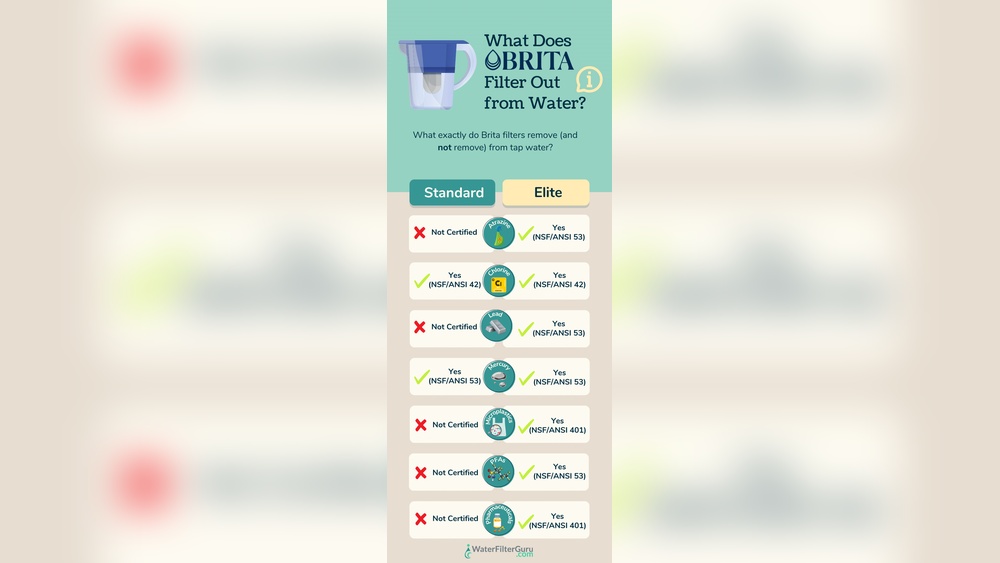
Brita filters use activated carbon and ion exchange resin. Activated carbon reduces chlorine and odors. Ion exchange resin lowers metals like lead and copper. The filter traps particles and impurities in water. This process improves taste and smell. It does not remove all minerals from water. The filter mainly targets contaminants that affect water quality.
Limitations With Hard Water
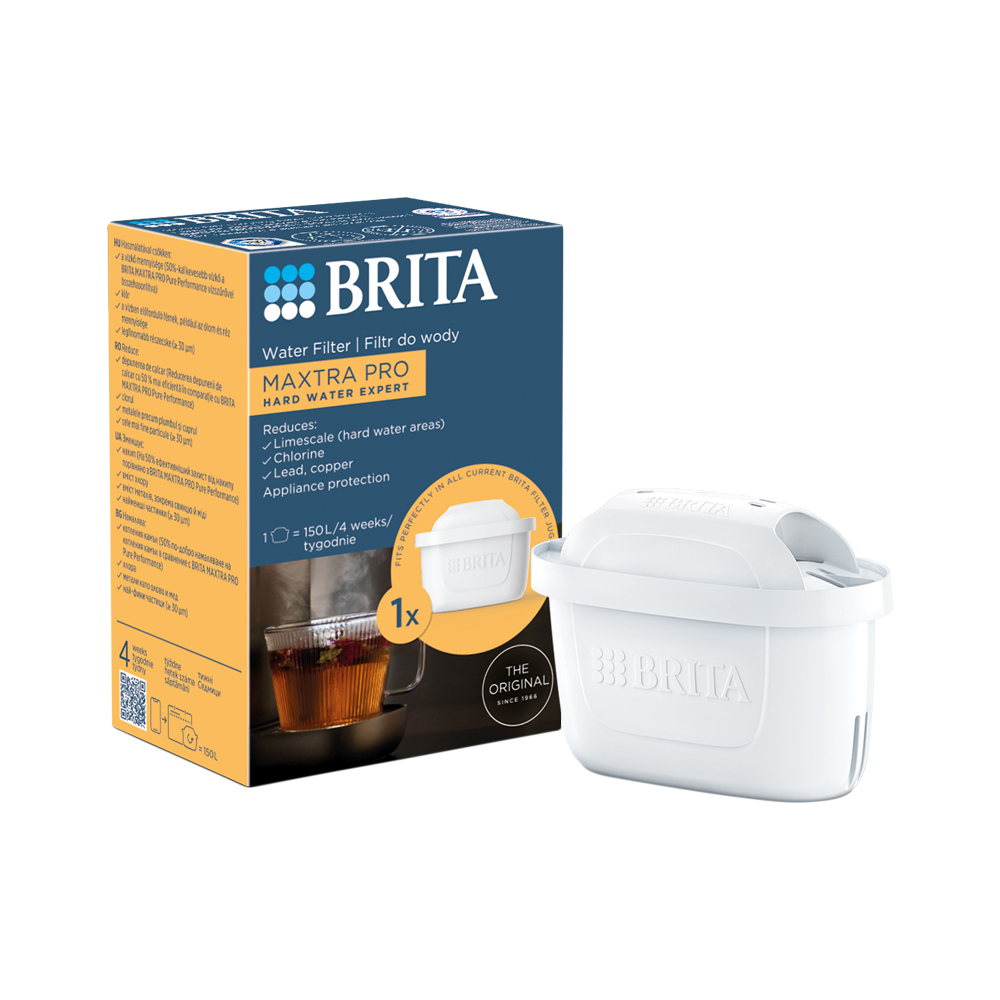
Brita filters do not soften hard water. They cannot remove calcium or magnesium minerals. These minerals cause scale and affect appliances. Hard water may reduce filter lifespan. Scale can clog the filter faster. Using a Brita filter does not prevent scale build-up. For softening water, a water softener is needed. Brita filters mainly improve taste and reduce some contaminants.
Effects Of Hard Water On Filtration
Hard water contains minerals like calcium and magnesium. These minerals can affect how well a Brita filter works. Understanding these effects helps in knowing what to expect from filtered hard water.
Mineral Build-up Impact
Minerals in hard water can build up inside the filter. This build-up clogs the filter quickly. It reduces water flow and makes filtering slower. Over time, the filter loses its ability to trap impurities. Frequent filter changes become necessary to keep water clean.
Taste And Odor Changes
Hard water minerals can change the taste of filtered water. Sometimes, the water may taste metallic or bitter. Odors can also be stronger due to mineral content. Brita filters reduce some taste problems but may not remove all minerals. This can leave a slight aftertaste in the water.
Alternatives For Hard Water Treatment
Hard water can cause many problems in homes. It leaves spots on dishes and clogs pipes. A Brita filter helps with taste and chlorine but may not fully treat hard water. Here are some good alternatives for hard water treatment. These methods remove or reduce minerals like calcium and magnesium.
Water Softeners
Water softeners replace hard minerals with sodium or potassium. This process stops scale build-up in pipes and appliances. Softened water feels smoother on skin and cleans better. These systems work well for whole houses and last for years. They need salt to work and some maintenance.
Reverse Osmosis Systems
Reverse osmosis (RO) uses a special membrane to filter water. It removes most minerals, chemicals, and impurities. RO systems give very clean and fresh water. They fit under the sink or on counters. RO units waste some water but improve drinking water quality a lot.
Distillation Methods
Distillation heats water until it turns to steam. The steam leaves minerals behind. Then it cools and becomes pure water again. Distillation removes almost all minerals and impurities. It uses electricity and takes longer than other methods. This method is good for very pure water needs.

Maintenance Tips For Brita Filters
Proper maintenance keeps your Brita filter working well. It helps remove hard water minerals effectively. Regular care extends the filter’s life and keeps water fresh. Follow simple steps to maintain your Brita filter.
Filter Replacement Schedule
Replace the Brita filter every 40 gallons or two months. This ensures the filter removes hard water minerals properly. Mark the replacement date on your calendar. Don’t wait too long to change the filter. Old filters lose their filtering power. This can let hard water minerals pass through.
Cleaning To Prevent Clogging
Clean the pitcher and reservoir once a week. Use warm water and mild soap to remove buildup. Avoid harsh chemicals that can damage the filter parts. Rinse well to remove soap residue. Check the filter for clogs or debris. Cleaning stops hard water minerals from blocking flow. It keeps water tasting fresh and clear.
Choosing The Right Filter
Choosing the right filter is key to improving your water quality. Different filters serve different purposes. Knowing what your water needs helps you pick the best one. This section breaks down how to choose the right filter for hard water.
Assessing Water Hardness
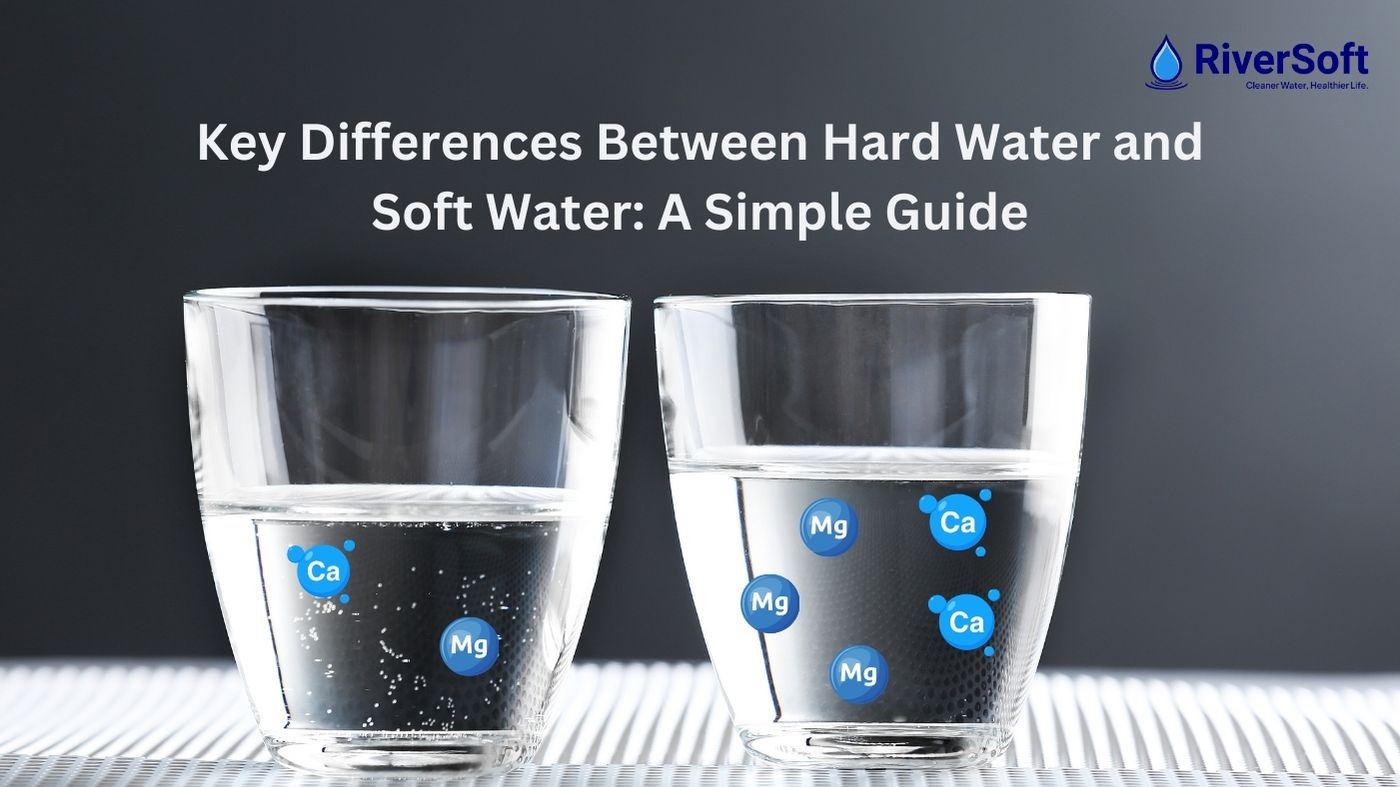
Water hardness means the amount of minerals like calcium and magnesium. High mineral levels cause hard water. You can test water hardness with kits or local water reports. Knowing hardness level helps decide the filter type needed.
Soft water has fewer minerals. Hard water needs stronger filtration. Testing first avoids buying the wrong filter.
Matching Filter Types To Needs
Brita filters mainly reduce chlorine and improve taste. They do not remove most minerals causing hardness. For hard water, look for filters with ion exchange or reverse osmosis.
Ion exchange filters swap minerals for sodium or potassium. Reverse osmosis pushes water through a membrane to remove minerals. Both reduce hardness better than standard Brita filters.
Choose filters based on your water’s hardness and what you want to remove. Match the filter to your needs for best results.
Frequently Asked Questions
Does Brita Filter Remove Hardness From Water?
Brita filters reduce some minerals but do not remove all hardness-causing elements. They mainly improve taste and chlorine levels, not hardness. For hard water, consider a water softener for effective mineral removal.
Can Brita Filter Soften Hard Water Effectively?
No, Brita filters do not soften hard water. They reduce chlorine and improve taste but cannot remove calcium or magnesium, the main hardness minerals. For softening, use a dedicated water softening system.
How Does Brita Filter Affect Hard Water Taste?
Brita filters improve the taste of hard water by reducing chlorine and impurities. However, they do not change the water’s hardness level or mineral content significantly.
Is Brita Filter Suitable For Hard Water Households?
Brita filters can be used in hard water areas to improve taste and odor. They are not a solution for hardness issues like scale buildup or mineral deposits.
Conclusion
Brita filters reduce some minerals that cause hard water issues. They improve taste and remove chlorine and impurities. Still, Brita does not remove all hardness minerals like calcium fully. For very hard water, consider special softening systems. Using Brita helps make water cleaner and better for daily use.
It’s a simple step for better water at home. Choose the right filter based on your water’s needs. Clean, fresh water is always worth the effort.

Hasan Al Sarker is a Reverse Osmosis Specialist. He has worked for many years to ensure safe drinking water for all. His research paper has been published in several journals, including Issue, Medium, and Slideshare. He is recognized as a water doctor among specialists though he did not attend medical college.
Besides working as a researcher of reverse osmosis technology, he is also very fancy with the kitchen and cooking. His guides are reading thousands of people every day. As a head of content, he is responsible for all the published articles at RO System Reviews.