
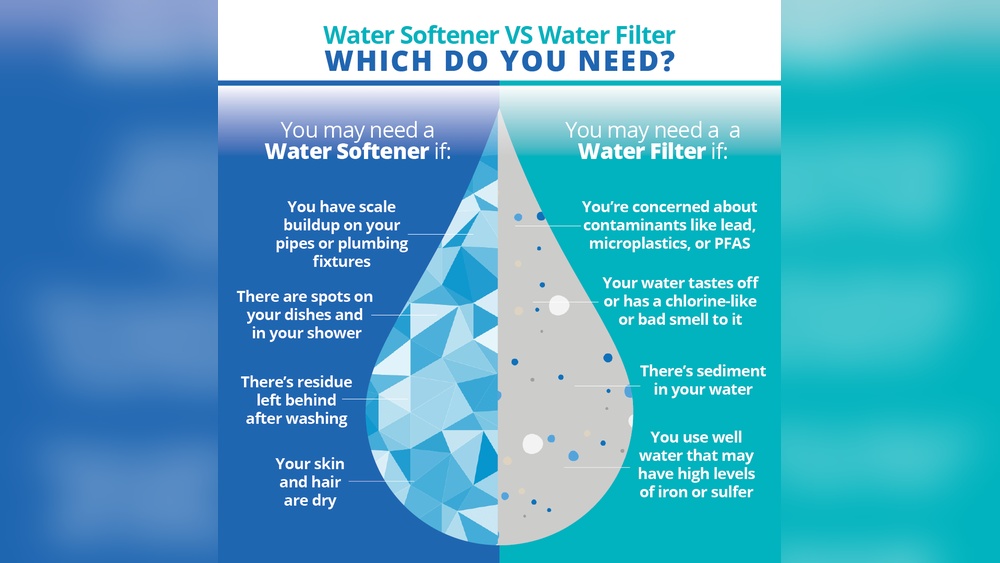
Have you ever stopped to think about what’s really in the water you drink every day? When you use a water filter, you probably expect it to make your water cleaner and healthier.
But what about the minerals your body needs? Does filtered water still contain those essential minerals, or are they stripped away? Understanding this can make a big difference in your health and hydration. Keep reading to discover the truth about filtered water and minerals—and what it means for you.
Minerals In Natural Water
Natural water carries minerals that come from soil and rocks. These minerals dissolve into water as it moves through the earth. They give water its unique taste and can support health in small amounts.
Not all water contains the same minerals. The type and amount depend on the source and the path water takes underground. Rivers, lakes, and springs all have different mineral profiles.
Common Minerals Found In Water
Calcium is a major mineral in many water sources. It helps build strong bones and teeth. Magnesium is another mineral often found in water. It supports muscle and nerve function. Potassium helps with cell function and heart health. Sodium appears in small amounts and helps balance fluids in the body. Trace minerals like iron, zinc, and fluoride can also be present.
Health Benefits Of Minerals
Minerals in water provide essential nutrients for the body. Calcium and magnesium help keep bones healthy and strong. These minerals may also improve heart health by supporting blood pressure regulation. Some minerals aid muscle function and reduce cramps. Trace minerals support the immune system and overall wellness. Drinking mineral-rich water can be a simple way to boost daily mineral intake.
How Water Filtration Works
Water filtration removes dirt, chemicals, and impurities from water. It makes water safer and cleaner to drink. Filters use different methods to catch unwanted particles. Some keep minerals, while others remove almost everything.
Understanding how filtration works helps in choosing the right filter. Some filters remove harmful substances but keep healthy minerals. Others may strip water of almost all minerals.
Types Of Water Filters
There are many types of water filters. Carbon filters trap chlorine and bad tastes. Reverse osmosis filters push water through tiny membranes. This removes most impurities but also minerals. Ceramic filters block bacteria and sediments. Each type serves a different need.
Filtration Processes And Their Effects
Carbon filtration uses activated charcoal to absorb chemicals. It keeps minerals like calcium and magnesium. Reverse osmosis forces water through a fine filter. It removes nearly all minerals and contaminants. Ultraviolet filters use light to kill bacteria. They do not remove minerals. Distillation boils water and collects steam. It removes minerals and impurities completely.
Impact Of Filtration On Minerals
Water filtration is popular for cleaner and safer drinking water. It removes many impurities and harmful substances. But this process can also affect minerals in the water. Minerals like calcium, magnesium, and potassium are important for health.
Some filters remove these minerals, while others keep them. Understanding how filtration affects minerals helps you choose the right water filter. It also explains the difference between filtered and tap water.
Mineral Removal By Different Filters
Not all water filters remove minerals the same way. Activated carbon filters mainly remove chlorine and bad tastes. They keep most minerals intact. Reverse osmosis filters remove nearly all minerals and impurities. They produce very pure water but with fewer minerals.
Distillation also strips water of minerals by boiling and condensing it. Ceramic filters block bacteria but do not remove minerals. Ion exchange filters reduce hardness by replacing calcium and magnesium with sodium.
Comparing Filtered And Tap Water Mineral Content
Tap water usually contains natural minerals from the source. These minerals add taste and provide health benefits. Filtered water often has fewer minerals, especially after reverse osmosis or distillation. This water tastes flat to some people.
Some filtered water is re-mineralized by adding minerals back. This improves taste and nutrition. Knowing your filter type helps you understand mineral levels in your water. It guides choices for both health and taste preferences.

Mineral Retention Filters
Mineral retention filters help keep important minerals in your water. They remove harmful substances but leave minerals like calcium and magnesium. These minerals improve water taste and support health. Understanding how these filters work helps you choose the right water filter.
Many people worry about losing minerals after filtering water. Mineral retention filters address this by balancing purity and mineral content. This makes filtered water both safe and nutritious.
Filters Designed To Preserve Minerals
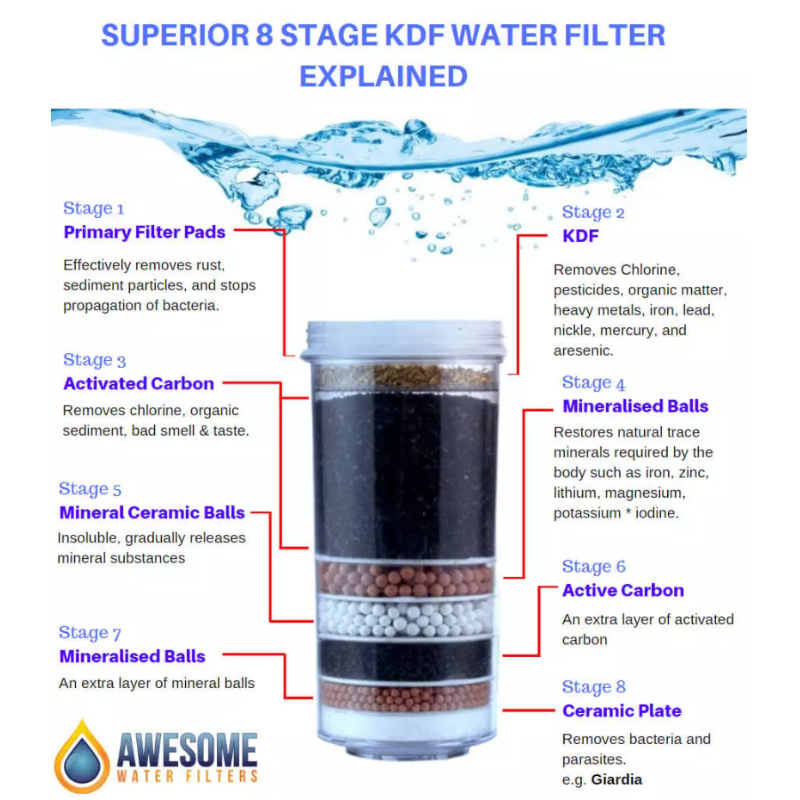
Some filters use special materials that block chemicals but allow minerals through. Activated carbon filters often keep minerals while removing chlorine and bad odors. Ceramic filters trap bacteria but do not remove minerals.
Other filters combine layers to protect mineral content. These designs focus on cleaning water without stripping valuable nutrients. This helps maintain water’s natural benefits.
Effectiveness Of Mineral Retention
Mineral retention filters vary in how well they keep minerals. Some remove up to 95% of harmful substances yet keep most minerals intact. Others may reduce mineral levels slightly but still offer healthy water.
Testing shows these filters improve water safety and taste. They also support hydration and body functions by preserving minerals. Choosing a filter with proven mineral retention ensures balanced water quality.
Adding Minerals Back To Filtered Water
Filtered water often loses essential minerals during the purification process. Adding minerals back to filtered water improves taste and health benefits. This process is called mineralization. It helps balance water’s purity with its natural nutrients.
Mineralization Techniques
One common way to add minerals is through mineral cartridges in water filters. These cartridges release calcium, magnesium, and potassium into the water. Another method uses mineral drops that mix with filtered water. Some systems pass water through mineral stones or layers. These techniques restore minerals without compromising water cleanliness.
Benefits Of Re-mineralized Water
Minerals improve water taste and make it more refreshing. They support bone health and muscle function. Drinking mineral-rich water helps keep electrolyte balance. It also boosts hydration efficiency in the body. Re-mineralized water feels smoother and less flat. This water supports overall well-being in a natural way.
Choosing The Right Filter For You
Choosing the right water filter is important for clean and healthy water. Different filters remove different things from water. Some filters take out harmful chemicals but also remove minerals. Others keep minerals but may not remove all impurities. Understanding your needs helps pick the best filter for your home.
Factors To Consider
Think about the quality of your tap water first. Check for chlorine, lead, or other contaminants. Some filters remove bacteria and viruses; others do not. Consider your budget and how often filters need changing. Also, size and installation type matter for your space and convenience.
Balancing Purity And Mineral Content
Some filters remove almost everything, including healthy minerals like calcium and magnesium. These minerals are good for your body. Filters like reverse osmosis remove minerals but provide very pure water. Other filters keep minerals but may not remove all toxins. Decide which is more important: pure water or mineral content.
Health Considerations
Health is a key point when choosing the right water to drink. Filtered water often removes many substances, including minerals. This fact raises questions about its impact on health. Understanding how minerals in water affect the body helps make informed choices.
Minerals like calcium and magnesium support bones and heart health. Their presence in water can add to daily mineral intake. Filtered water may lack these minerals, so it is important to consider other sources.
Do You Need Minerals From Water?
Our bodies need minerals for many functions. Most minerals come from food, not water. Fruits, vegetables, and dairy provide enough minerals. Drinking water minerals add a small amount only. Missing minerals in water rarely cause health problems. People with special health needs should check with a doctor. For most, filtered water is safe and healthy.
Alternatives To Water Minerals
Getting minerals from food is the best way. Foods like spinach, nuts, and milk are rich in minerals. Taking mineral supplements is another option if needed. Some use mineral drops to add to filtered water. Balanced meals cover most mineral needs well. Drinking filtered water does not block mineral absorption from food.

Frequently Asked Questions
Does Filtered Water Contain Essential Minerals?
Filtered water may lose some minerals during purification. However, many filters retain beneficial minerals like calcium and magnesium, depending on the filter type. Reverse osmosis often removes most minerals, while carbon filters typically preserve them.
How Does Filtration Affect Water’s Mineral Content?
Filtration removes impurities and contaminants from water. Some filtration methods also reduce mineral levels, especially reverse osmosis. Other filters, like activated carbon, mainly target chemicals without stripping essential minerals.
Is Mineral Content Important In Drinking Water?
Yes, minerals like calcium and magnesium support bone and heart health. Drinking water contributes to daily mineral intake, but most minerals come from food sources. Balanced mineral levels in water enhance taste and nutritional value.
Can Filtered Water Be Remineralized?
Yes, some filtration systems include remineralization stages. These add back essential minerals lost during purification. Remineralization improves water taste and health benefits by restoring calcium, magnesium, and other vital minerals.
Conclusion
Filtered water often loses some minerals during purification. This can affect taste and health benefits. Some filters remove minerals, while others keep them. You can add minerals back using special filters or supplements. Drinking enough minerals from food also helps.
Clean water remains important for safety and health. Choosing the right filter depends on your needs. Think about mineral content and water quality. Stay informed and pick what suits your lifestyle best.

Hasan Al Sarker is a Reverse Osmosis Specialist. He has worked for many years to ensure safe drinking water for all. His research paper has been published in several journals, including Issue, Medium, and Slideshare. He is recognized as a water doctor among specialists though he did not attend medical college.
Besides working as a researcher of reverse osmosis technology, he is also very fancy with the kitchen and cooking. His guides are reading thousands of people every day. As a head of content, he is responsible for all the published articles at RO System Reviews.