
Are you worried about the quality of your tap water? If you’ve noticed a strange taste or smell, chloramine might be the culprit.
You might be wondering, does the Pur water filter remove chloramine effectively? Understanding this can make a big difference in the safety and taste of the water you and your family drink every day. Keep reading to find out how Pur filters handle chloramine and whether they’re the right choice for your home.
What Is Chloramine?
Chloramine is a chemical used to keep drinking water safe. It is a mix of chlorine and ammonia. Water treatment plants add chloramine to stop germs and bacteria from growing in pipes. This keeps water clean for people to use every day.
Chloramine stays in water longer than chlorine. This makes it useful for water systems that need extra protection. Some people notice a different taste or smell when their water has chloramine. Understanding what chloramine is helps to know if water filters can remove it.
Chloramine Vs Chlorine
Chlorine is a common disinfectant in water. It kills bacteria quickly but leaves a strong smell. Chloramine is gentler and lasts longer in water pipes. It does not smell as strong as chlorine.
Chlorine breaks down fast after leaving the treatment plant. Chloramine stays active longer and keeps killing germs during water transport. This makes chloramine a better choice for some water systems.
Why Chloramine Is Used In Water
Water plants use chloramine to keep water safe for longer times. It helps prevent bacteria growth in old pipes. Chloramine also reduces harmful byproducts that chlorine can make.
Chloramine is cheaper and easier to control than chlorine. It gives water a stable quality from the plant to your home. This is why many cities use chloramine instead of chlorine.
How Pur Water Filters Work
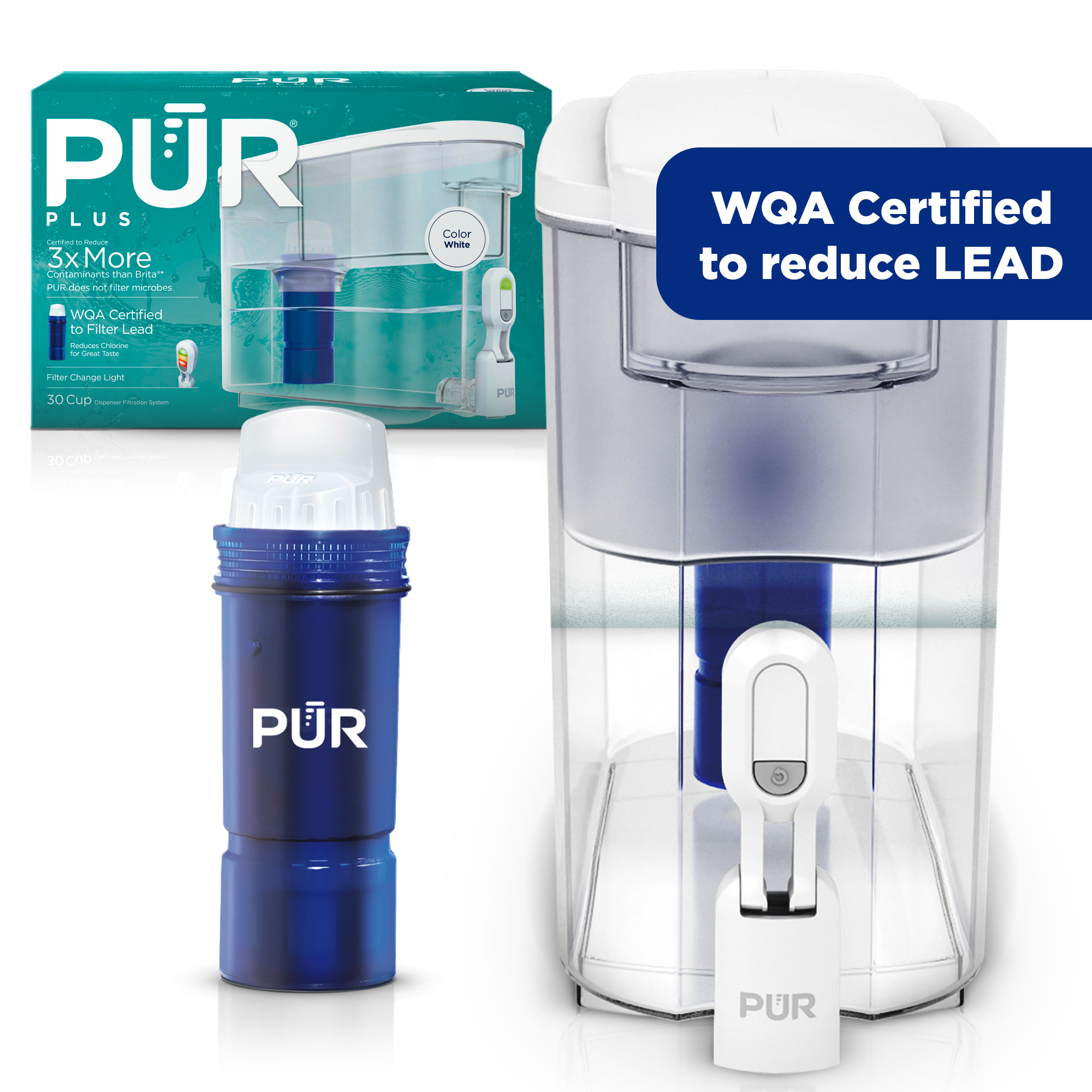
Pur water filters clean water by removing many impurities. They use special materials that trap harmful substances. This process makes water safer and better tasting.
Understanding how these filters work helps you see their benefits. Each filter uses a mix of technologies to clean your tap water.
Filtration Technology
Pur filters use activated carbon to catch chemicals. This carbon removes chlorine and some bad tastes. It also helps reduce some heavy metals like lead.
Some Pur filters use ion exchange to lower metals. This method swaps harmful metals with safer particles. It improves water purity and quality.
Filters also have a mesh that blocks dirt and particles. This keeps water clear and clean from visible debris.
Types Of Pur Filters
Pur offers different filters for pitchers, faucets, and dispensers. Each filter fits the device and cleans water effectively.
Pitcher filters are easy to use and replace. They work well for small households or offices.
Faucet filters attach directly to the tap. They provide filtered water instantly without extra steps.
Dispenser filters fit in larger water systems. They serve more people and hold more water.
Effectiveness Against Chloramine
Chloramine is a common chemical used to disinfect water. It is harder to remove than chlorine. Many water filters struggle with chloramine. Understanding how well PUR water filters work against chloramine is important. This helps you decide if it fits your water needs.
PUR filters use special technology to reduce chemicals. Their ability to handle chloramine depends on the filter type and design. Let’s explore the details about PUR filters and their performance on chloramine removal.
Filter Specifications
PUR water filters use activated carbon and ion exchange materials. These components help reduce chlorine and some chloramine. The filter’s cartridge contains a blend designed for chemical removal. It targets taste, odor, and some contaminants.
Standard PUR filters remove a portion of chloramine but not all. Some advanced models have enhanced carbon layers for better chloramine reduction. Filter life usually lasts about 2-3 months or 40 gallons. This depends on water quality and usage.
Independent Test Results
Independent labs test PUR filters for chloramine removal. Results show PUR can reduce chloramine by 50% to 70%. This means some chloramine remains in the water. The effectiveness varies by filter model and testing methods.
Tests also confirm PUR filters remove chlorine very well. Chloramine removal is less complete but still noticeable. For full chloramine removal, special filters or systems may be needed.

Limitations Of Pur Filters
Pur water filters help improve water taste and remove many contaminants. They are popular for home use. Yet, they have limits. Knowing these limits helps users make better choices. Some impurities stay in the water even after filtering. Also, filters need regular care to work well.
What They Can’t Remove
Pur filters do not remove chloramine completely. Chloramine is a mix of chlorine and ammonia. It is harder to filter than chlorine alone. Pur filters mainly reduce chlorine taste and odor. They do not fully remove all chemicals or heavy metals. Some bacteria and viruses may also pass through. This means filtered water is cleaner but not perfect.
Filter Lifespan And Maintenance
Filters lose power over time. A clogged filter stops working well. Pur filters need changing after filtering a certain amount of water. Usually, this is about 40 to 100 gallons. Ignoring filter changes can lower water quality. Users must check the filter status often. Cleaning and replacing parts keeps the filter effective. Proper care ensures safer and better-tasting water.
Alternatives For Chloramine Removal
Chloramine is a chemical used to disinfect water. It can be hard to remove with regular filters. Many people seek alternatives for better removal. These options work well to reduce chloramine in water. Understanding these alternatives helps in choosing the right filter for your home.
Activated Carbon Filters
Activated carbon filters are popular for removing chemicals. They absorb chloramine by trapping it in tiny pores. These filters improve water taste and smell. Not all carbon filters remove chloramine equally. Look for catalytic carbon types for better results. They break down chloramine faster and more effectively.
Kdf Filters And Others
KDF filters use a special metal alloy to remove contaminants. They reduce chloramine through a chemical reaction. KDF filters often combine with carbon filters for stronger cleaning. Other methods include reverse osmosis and UV light. Each method has strengths and limits. Combining filters can provide cleaner, safer water.
Tips For Choosing The Right Filter
Choosing the right water filter is important for clean and safe drinking water. Not all filters remove the same contaminants. Some filters target chlorine, while others can remove chloramine too. Knowing what your water contains helps pick the best filter for your needs.
Assessing Water Quality
Start by checking your water source. You can get a water quality report from your local water supplier. This report shows if your water has chloramine or other chemicals. Testing your water at home with a kit is another option. Knowing the exact contaminants helps choose the right filter type.
Matching Filters To Needs
Not all filters remove chloramine. Look for filters with activated carbon or catalytic carbon. These types are more effective against chloramine. Consider filter certifications like NSF/ANSI standards for chloramine removal. Think about your budget and filter lifespan. Choose a filter that balances cost, effectiveness, and maintenance.
Frequently Asked Questions
Does Pur Water Filter Remove Chloramine Effectively?
PUR filters use activated carbon to reduce chloramine. However, their efficiency varies by model. Some PUR filters remove most chloramine, while others may not fully eliminate it. Always check the product specifications for chloramine removal before purchase.
How Does Pur Filter Treat Chloramine In Water?
PUR filters employ activated carbon and ion exchange resin. These components help break down chloramine molecules. This process reduces taste, odor, and chemical content. Effectiveness depends on filter type and usage duration.
Can Pur Water Filters Remove All Chloramine Contaminants?
No water filter removes 100% chloramine. PUR filters significantly reduce chloramine levels but may not eliminate all traces. For complete removal, specialized filters like catalytic carbon or reverse osmosis systems are recommended.
How Often Should Pur Filters Be Replaced For Chloramine Removal?
Replacing PUR filters every 2-3 months ensures optimal chloramine reduction. Overused filters lose effectiveness. Regular replacement maintains water quality and filter performance. Follow manufacturer guidelines for best results.
Conclusion
Pur water filters reduce some chloramine but not all. Their filter works best for chlorine, not chloramine. For full chloramine removal, you may need a special filter. Many filters use activated carbon to lower chemicals in water. Check product details to see if chloramine is listed.
Clean water matters for health and taste. Choose a filter that fits your needs. Test your water to know what to remove. Stay informed and keep your drinking water safe.

Hasan Al Sarker is a Reverse Osmosis Specialist. He has worked for many years to ensure safe drinking water for all. His research paper has been published in several journals, including Issue, Medium, and Slideshare. He is recognized as a water doctor among specialists though he did not attend medical college.
Besides working as a researcher of reverse osmosis technology, he is also very fancy with the kitchen and cooking. His guides are reading thousands of people every day. As a head of content, he is responsible for all the published articles at RO System Reviews.