
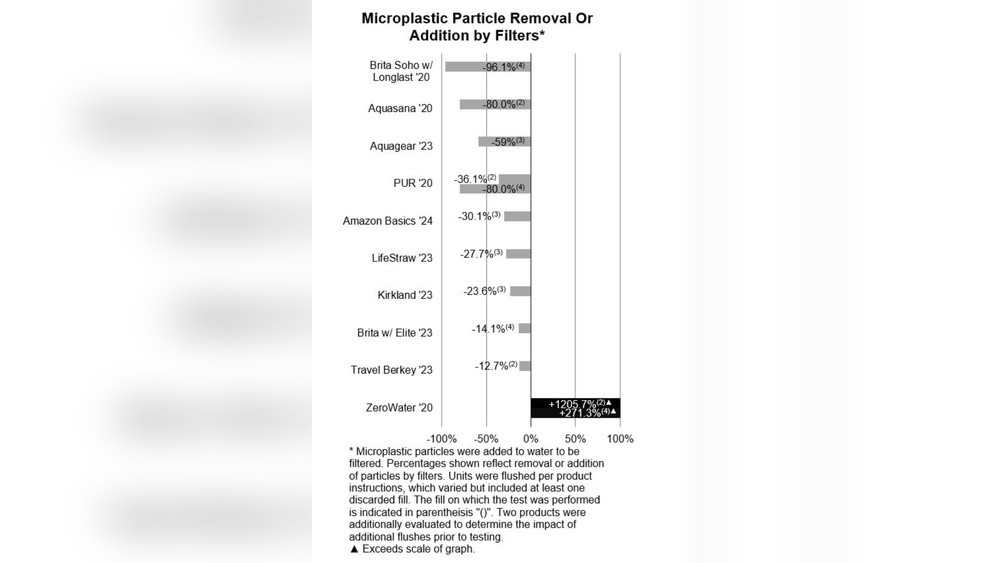
Are you worried about tiny microplastics lurking in your drinking water? You’re not alone.
These invisible pollutants can affect your health, and finding a reliable water filter is more important than ever. But does the Zero Water filter really remove microplastics from your water? If you want clear answers and to know if this popular filter is the right choice for your home, keep reading.
This article will help you understand how Zero Water works and whether it can protect you from those hidden plastic particles. Your health and peace of mind depend on it.
How Zero Water Filters Work
Zero Water filters use a special process to clean water deeply. They remove many tiny particles and harmful substances. This process makes water safer and better to drink. Understanding how these filters work helps to see if they remove microplastics.
The system uses several steps to clean water. Each step targets different types of impurities. This thorough method improves water quality greatly.
Five-stage Filtration Process
Zero Water filters use five stages to clean water completely. The first stage removes large particles like dirt and rust. The next stages target smaller particles and chemicals. One stage uses a special resin to catch dissolved solids. The final stage filters out any remaining tiny impurities. This detailed process lowers almost all contaminants in water.
Materials Used In Filters
The filter uses activated carbon to remove bad tastes and odors. It also has an ion exchange resin to capture dissolved solids. A mesh screen catches large particles early on. These materials work together to clean water deeply. They are safe and designed to last long.
Microplastics In Drinking Water
Microplastics in drinking water have become a growing concern worldwide. These tiny plastic particles are often invisible to the naked eye. They come from many different sources and can end up in our water supply. Understanding where they come from and their effects on health is important for everyone.
Sources Of Microplastic Contamination
Microplastics enter water through various ways. Plastic waste breaks down into small pieces in oceans, rivers, and lakes. These particles then mix with drinking water sources. Wastewater from homes and factories also carries microplastics. Even synthetic fibers from clothes can shed microplastics during washing. Rain and wind can carry plastics into water bodies too.
Health Concerns Linked To Microplastics
Scientists are still studying how microplastics affect human health. Some studies suggest microplastics may cause inflammation in the body. They might carry harmful chemicals or bacteria. These particles can enter the digestive system when drinking water. Long-term effects are not fully known, but caution is advised. Reducing exposure to microplastics is a smart choice for health.
Zero Water Filter And Microplastic Removal
The Zero Water Filter is popular for improving water quality. Many ask if it can remove microplastics. Microplastics are tiny plastic pieces found in water. Their small size makes them hard to filter. Understanding the filter’s ability is important for safe drinking water.
This section explores how Zero Water handles microplastics. It looks at the filter’s design and scientific test results. The facts help you know if this filter meets your needs.
Filter’s Ability To Capture Microplastics
Zero Water uses a five-stage filtration system. It includes a mesh screen and activated carbon. The filter targets particles and contaminants in water. Microplastics vary in size but often are very small.
The filter can remove particles larger than 1 micron. Some microplastics are bigger than this size and get trapped. Smaller microplastics may pass through. The filter’s design focuses mainly on chemicals and sediments.
It reduces many harmful substances but may not catch all microplastics. The effectiveness depends on the plastic particle size. Larger microplastics are more likely removed than the tiniest ones.
Scientific Studies And Test Results
Few studies specifically test Zero Water on microplastics. Independent lab tests show the filter removes most particles above 1 micron. Tests also confirm reduction of lead, chlorine, and other toxins.
Research on microplastic removal is still growing. Some tests suggest Zero Water can reduce microplastic levels. It may not remove all, especially the smallest particles.
More scientific data is needed to confirm full microplastic removal. Current results show the filter improves water purity significantly. It offers better protection than basic filters against many impurities.

Comparing Zero Water With Other Filters
Comparing Zero Water with other filters helps understand its strengths and weaknesses. Many people want to know if Zero Water removes microplastics better than others. Filtering water is important for health and taste. Different filters use various methods to clean water. Some focus on chemicals, others on particles like microplastics. This section breaks down how Zero Water stands against other filters.
Effectiveness Against Microplastics
Zero Water uses a five-stage filter to remove many impurities. Its fine mesh can catch particles, including some microplastics. Studies show it removes more microplastics than basic carbon filters. But some advanced filters with reverse osmosis remove nearly all microplastics. Zero Water works well for general use but may miss the smallest particles. Reverse osmosis filters provide the highest microplastic removal rates. Still, Zero Water offers a solid balance for everyday drinking water.
Cost And Maintenance Factors
Zero Water filters cost more than simple carbon filters. Replacement filters need changing after filtering about 20 gallons. This keeps water clean and filter effective. Reverse osmosis systems cost more upfront and need professional installation. They also require more maintenance and space. Zero Water pitchers are easy to use and fit on counters. Their maintenance is simple and suitable for most homes. Cost-wise, Zero Water is mid-range and user-friendly.
Tips To Reduce Microplastics In Water
Microplastics are tiny pieces of plastic that can end up in drinking water. These particles may harm health over time. Reducing microplastics in water helps protect your family and the environment. Simple steps can lower their presence in your tap water.
Using the right water filter and other methods can improve water quality. Here are practical tips to reduce microplastics in your water supply.
Choosing The Right Filter
Not all filters remove microplastics effectively. Look for filters with fine filtration, such as activated carbon or reverse osmosis. These filters capture very small plastic particles. Check product details to see if microplastic removal is listed. Change filters regularly to keep them working well.
Additional Water Purification Methods
Boiling water does not remove microplastics. Use methods like reverse osmosis or ultrafiltration for better results. Using a water pitcher with multiple filtration stages helps too. Avoid plastic bottles to reduce plastic waste and contamination. Clean water containers often to prevent new particles from forming.
Frequently Asked Questions
Does Zero Water Filter Remove Microplastics Effectively?
Zero Water filters use a five-stage filtration system that can reduce many contaminants, including microplastics. However, it may not remove all microplastic particles due to their varying sizes. Overall, it significantly improves water quality by capturing most microplastics and other impurities.
How Does Zero Water Filter Compare For Microplastic Removal?
Zero Water filters outperform many standard filters by using ion exchange and activated carbon. This advanced process helps trap microplastics better than basic filters. Still, no filter guarantees 100% microplastic removal, but Zero Water is highly effective for everyday use.
Can Zero Water Filter Remove Other Contaminants Besides Microplastics?
Yes, Zero Water filters remove lead, chlorine, heavy metals, and dissolved solids. Its five-stage filter targets a wide range of impurities, providing cleaner and safer drinking water. This makes it a popular choice for comprehensive home water filtration.
Is Zero Water Filter Safe For Everyday Drinking Water Use?
Absolutely. Zero Water filters meet NSF/ANSI standards for safety and performance. They provide clean, filtered water free from most harmful substances, including microplastics. Regular filter replacement ensures continued water purity and safety.
Conclusion
Zero Water filters do a good job removing many impurities. They reduce microplastics to some extent but not all. For cleaner water, regular filter checks matter. Using multiple methods can improve water safety. Choose filters based on your water needs.
Stay aware of new testing results and updates. Clean water helps keep you healthy every day. Simple steps make a big difference in water quality.

Hasan Al Sarker is a Reverse Osmosis Specialist. He has worked for many years to ensure safe drinking water for all. His research paper has been published in several journals, including Issue, Medium, and Slideshare. He is recognized as a water doctor among specialists though he did not attend medical college.
Besides working as a researcher of reverse osmosis technology, he is also very fancy with the kitchen and cooking. His guides are reading thousands of people every day. As a head of content, he is responsible for all the published articles at RO System Reviews.