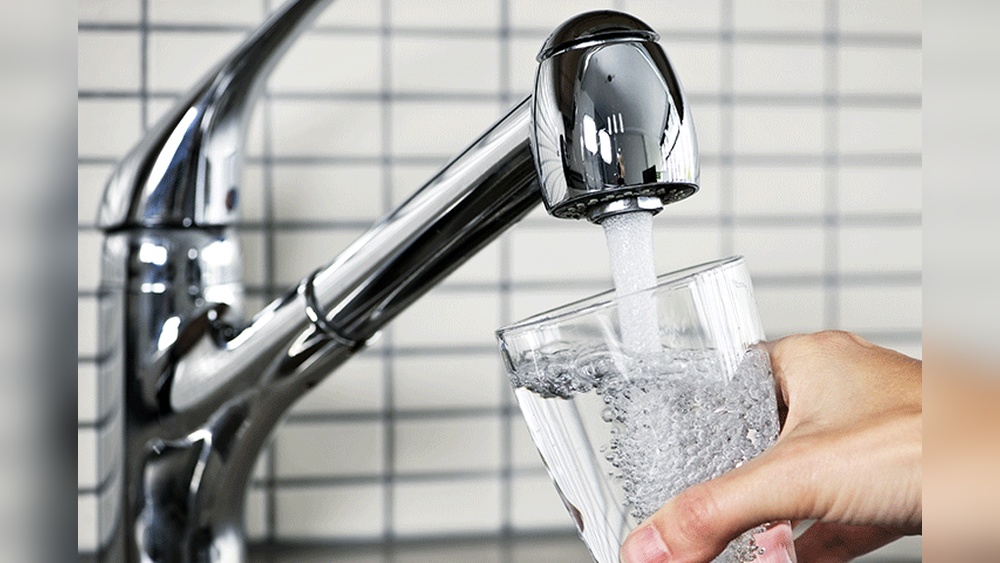
You rely on water every day—drinking it, cooking with it, and staying healthy because of it. But how can you be sure the water you use is truly safe?
Contaminated water can hide dangers you might not see or taste, putting you and your loved ones at risk. You’ll discover simple ways to check if your water is safe and learn what signs to watch for. By the end, you’ll feel confident about the water coming from your tap or bottle—and know exactly what steps to take if it’s not.
Keep reading to protect your health and peace of mind.

Credit: www.youtube.com
Signs Of Safe Drinking Water
Safe drinking water is essential for health. Recognizing signs of safe water helps protect you and your family. These signs include how the water looks, tastes, and feels. Checking these signs can give quick clues about water quality.
Clear Appearance
Safe water is clear and free from cloudiness. It should not have any color or strange shades. Cloudy or colored water may contain harmful substances. Always choose water that looks clean and transparent.
Neutral Taste And Odor
Water should taste fresh and have no strong flavor. It must not smell like chemicals, chlorine, or sewage. A strange taste or odor can mean the water is unsafe. Drinking water should feel neutral and clean on the tongue.
Absence Of Suspended Particles
Safe water has no visible particles or debris floating in it. Particles can carry bacteria or dirt that may cause illness. Let water sit in a clear glass to see if anything settles. Pure water stays free of floating bits or sediment.
Credit: www.businessinsider.com
Common Water Contaminants
Water can contain many types of contaminants. These contaminants affect water safety and quality. Knowing the common types helps identify risks. It guides how to treat or avoid unsafe water.
Biological Contaminants
Biological contaminants include tiny living things. Bacteria, viruses, and parasites fall in this group. They cause illnesses like diarrhea and infections. Contaminated water from sewage or animal waste often carries them. Boiling water or using filters removes most biological contaminants.
Chemical Pollutants
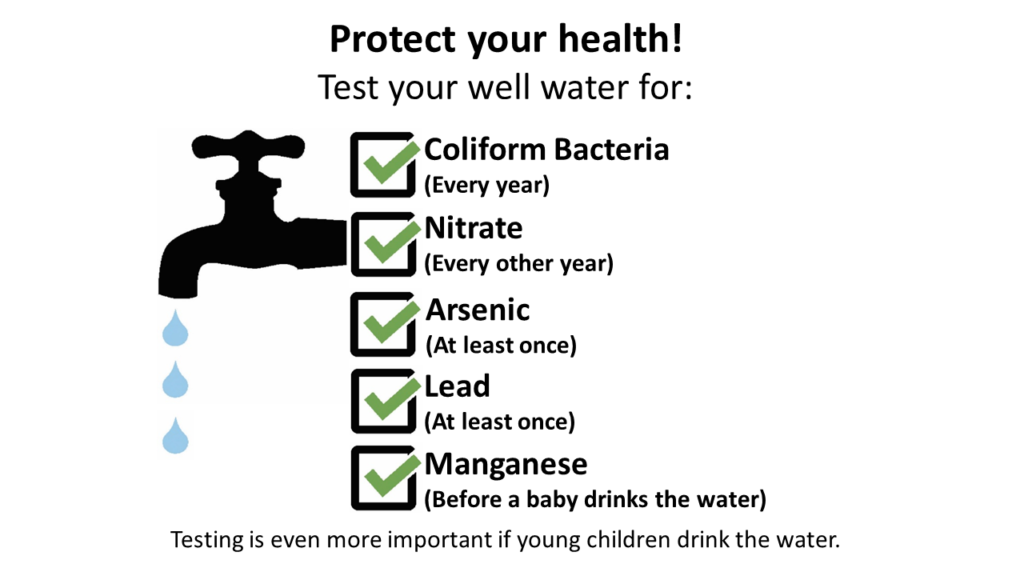
Chemical pollutants come from factories, farms, and homes. Pesticides, heavy metals, and industrial chemicals are common examples. These chemicals can harm organs or cause long-term health problems. They often have no taste or smell. Testing water is important to detect these invisible dangers.
Physical Impurities
Physical impurities are visible particles in water. Dirt, sand, and rust are common physical impurities. They make water look cloudy or dirty. While not always harmful, they indicate poor water quality. Filters or settling tanks can remove these particles effectively.
Basic Water Testing Methods
Testing water quality helps ensure it is safe for drinking. Basic water testing methods are easy to perform. They give quick results about water purity. These tests check for bacteria, chemicals, and other contaminants. Understanding these methods helps protect health and avoid illness.
At-home Test Kits
At-home test kits are simple and affordable. They include strips or drops that change color. You dip the strip in water and compare colors to a chart. These kits test for chlorine, lead, pH, and hardness. Results come in minutes and need no special tools. They are good for basic checks but not very detailed.
Professional Lab Analysis
Professional lab analysis offers thorough water testing. You collect a water sample and send it to a lab. Experts use advanced tools to detect tiny amounts of pollutants. Labs test for bacteria, heavy metals, pesticides, and more. Results are accurate and detailed, usually returned in a few days. This method is best for deep analysis and safety confirmation.
Using Digital Meters
Digital meters provide fast, real-time water quality readings. Common types measure pH, total dissolved solids (TDS), and conductivity. You place the meter’s probe in water, and it shows numbers on a screen. These meters are easy to use and reusable. They help track water changes over time. Digital meters give more precise info than test strips but less than labs.
Water Treatment Techniques
Water treatment techniques help make water safe to drink. These methods remove harmful germs and particles. They are simple and effective. Knowing these methods helps you protect your health.
Boiling And Filtration
Boiling water kills most bacteria and viruses. Boil water for at least one minute. Let it cool before drinking. Filtration removes dirt, sand, and some germs. Use a clean cloth or a water filter. Together, boiling and filtration improve water safety.
Chemical Disinfection
Chemicals like chlorine or iodine kill germs in water. Add small amounts and wait 30 minutes. The taste may change slightly. Chemical disinfection works well for clear water. It is a simple way to kill bacteria and viruses.
Ultraviolet Purification
Ultraviolet (UV) light destroys germs without changing water taste. Use a UV purifier device for this method. It works fast and kills bacteria and viruses. UV purification needs clear water to work well. It is a safe and clean way to treat water.
Safe Water Storage Practices
Safe water storage practices keep drinking water clean and healthy. Proper storage stops dirt, germs, and chemicals from entering the water. This helps avoid illnesses and keeps water fresh longer.
Choosing Containers
Use containers made of food-grade materials like plastic or glass. Avoid old or damaged containers. Pick containers with tight-fitting lids to keep water sealed. Clear containers help see water quality easily. Store water in cool, dark places to slow bacteria growth.
Preventing Recontamination
Always wash hands before handling water containers. Use clean cups or taps to take water out. Avoid dipping hands or dirty objects into stored water. Close the container lid after every use. These steps stop germs from entering stored water.
Regular Cleaning
Clean water containers at least once a week. Use soap and clean water to wash inside and outside. Rinse containers well to remove soap. Let containers dry completely before refilling. Regular cleaning removes germs and keeps water safe to drink.
When To Avoid Drinking Tap Water
Knowing when to avoid drinking tap water is important for your health. Tap water is usually safe, but certain situations make it risky. Drinking unsafe tap water can cause stomach problems and infections. Stay alert and learn when it is better to choose bottled or filtered water instead.
During Water Outages
Water outages can happen due to repairs or emergencies. During these times, water may not be clean. Pipes can get contaminated, and bacteria can grow fast. Avoid drinking tap water until the supply is declared safe again. Use bottled water or boil water before drinking.
After Natural Disasters
Floods, earthquakes, and storms often damage water systems. Tap water may carry dirt, chemicals, or germs after these events. Drinking contaminated water can cause serious illness. Always check local health advice before using tap water. Use bottled water or water purification methods if needed.
In Areas With Known Pollution
Some places have water polluted by factories or old pipes. Chemicals and heavy metals can enter the tap water. These pollutants are harmful to health, especially for children. Avoid drinking tap water in these areas. Use filtered water or bottled water for safety.
Tips For Travelers And Outdoor Enthusiasts
Travelers and outdoor lovers face unique challenges finding safe drinking water. Clean water is vital for health and energy. Knowing how to treat water helps avoid sickness. Simple tools and smart habits keep water safe during adventures.
Using Portable Filters
Portable filters remove dirt, bacteria, and some viruses from water. They are light and easy to carry. Screw-on filters fit on bottles for quick use. Pump filters work well for groups. Choose filters with small pores for better safety.
Always follow the instructions for best results. Carry extra filter parts for long trips. Clean filters regularly to keep them effective.
Sourcing Water In Remote Areas
Look for clear, flowing water like streams or springs. Avoid stagnant ponds or water near farms. Collect water upstream to reduce contamination risk. Use clean containers to store water. Avoid touching the inside of the container.
Boiling or filtering water after collection improves safety. Plan your route around known water sources. Carry enough water for dry spots.
Emergency Water Purification
Carry water purification tablets for emergencies. They kill bacteria and viruses quickly. Follow the waiting time on the package before drinking. Boiling water for at least one minute also kills germs. Use a metal container for boiling over a fire.
Keep backup purification methods like UV pens or bleach drops. Always have a plan for unexpected water problems. Safe water means a safer trip.
Credit: waterlabs.net
Frequently Asked Questions
How Can I Test If Water Is Safe To Drink?
You can test water safety using home kits or professional lab tests. These detect contaminants like bacteria, chemicals, and heavy metals. Regular testing ensures your water meets health standards and is free from harmful substances.
What Are The Signs Of Unsafe Drinking Water?
Unsafe water often smells bad, tastes unusual, or looks cloudy. It may cause stomach issues or skin irritation. If you notice these signs, avoid drinking it and get the water tested immediately.
Is Boiled Water Always Safe To Drink?
Boiling kills most bacteria, viruses, and parasites, making water safer. However, it doesn’t remove chemical pollutants or heavy metals. For full safety, combine boiling with filtration or use certified water purifiers.
Can Tap Water Be Contaminated Despite Treatment?
Yes, tap water can still have contaminants due to old pipes or treatment failures. Regular municipal testing helps, but private testing is wise if you suspect issues. Using filters can add an extra safety layer.
Conclusion
Safe drinking water protects your health every day. Test your water regularly for clear results. Use trusted methods like boiling or filtration to stay safe. Watch for strange taste, smell, or color in water. Clean water helps avoid illness and keeps you strong.
Stay informed and take action when water looks suspicious. Simple steps can make a big difference in safety. Keep your water clean, and your body will thank you.

Hasan Al Sarker is a Reverse Osmosis Specialist. He has worked for many years to ensure safe drinking water for all. His research paper has been published in several journals, including Issue, Medium, and Slideshare. He is recognized as a water doctor among specialists though he did not attend medical college.
Besides working as a researcher of reverse osmosis technology, he is also very fancy with the kitchen and cooking. His guides are reading thousands of people every day. As a head of content, he is responsible for all the published articles at RO System Reviews.