Have you ever wondered what’s really in the water flowing through your taps? You might think it’s clean, but many unseen particles and chemicals can affect your health and home.
That’s where a whole house water filter comes in. It works quietly behind the scenes to protect your family and appliances by cleaning every drop of water in your home. Want to know exactly how it does this and why it’s so important for you?
Keep reading, and you’ll discover the simple but powerful process that makes your water safer and fresher every day.
Whole House Water Filter Basics
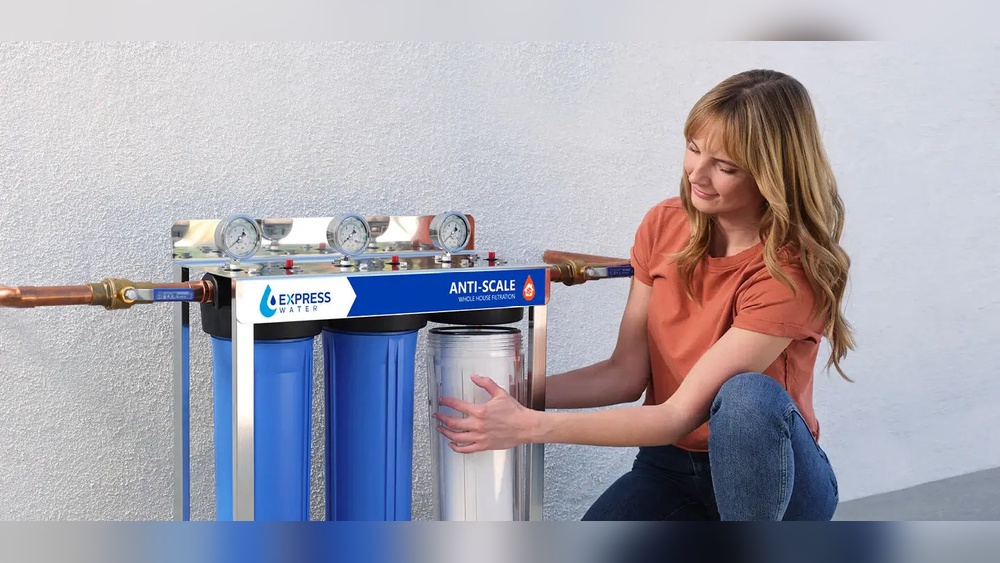
A whole house water filter cleans water before it reaches any faucet. It treats all the water in your home. This system connects to the main water line. It filters water for drinking, cooking, bathing, and washing.
Understanding how these filters work helps you choose the right one. It also shows why many homes use them for cleaner water. Let’s explore the basics of whole house water filters.
Purpose And Benefits
The main purpose is to remove impurities from all water in the house. It protects pipes and appliances from damage. Clean water improves skin and hair health. It also makes water taste and smell better.
Using a whole house filter saves money. It reduces the need for bottled water. It stops stains on sinks and laundry. It creates safer water for your family every day.
Common Contaminants Removed
These filters remove many common impurities. Sediment like sand and rust gets trapped. Chemicals such as chlorine and pesticides reduce. Some filters remove heavy metals like lead.
They also reduce bacteria and other harmful microorganisms. This helps prevent illness from dirty water. Removing these contaminants protects your health and home.
Key Components
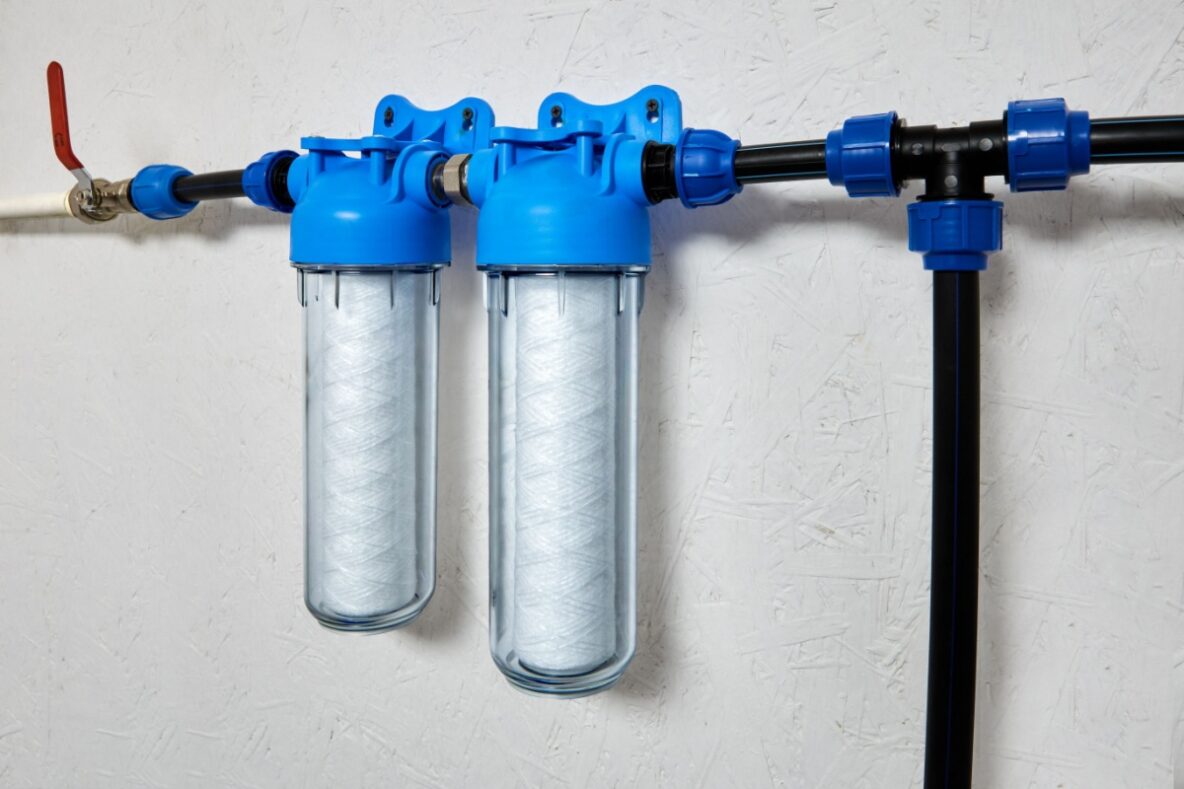
A whole house water filter has several important parts. These parts work together to clean the water for your entire home. Understanding these key components helps you see how the system works.
Each part plays a special role. They remove dirt, chemicals, and other impurities from the water. The system keeps your water safe and fresh.
Filter Housing
The filter housing holds the filter cartridges inside. It is usually made from strong plastic or metal. This part protects the filters and keeps water from leaking out. It also allows easy access for changing the filters.
Filter Cartridges
Filter cartridges do the actual cleaning of water. Different cartridges remove different impurities. Some catch dirt and rust, while others remove chemicals and bad smells. You must change cartridges regularly to keep the filter working well.
Bypass Valve
The bypass valve lets water flow around the filter system. It is useful during maintenance or if the filter clogs. This valve keeps water running in your home without stopping the supply. It also protects the filter from damage.
Filtration Processes
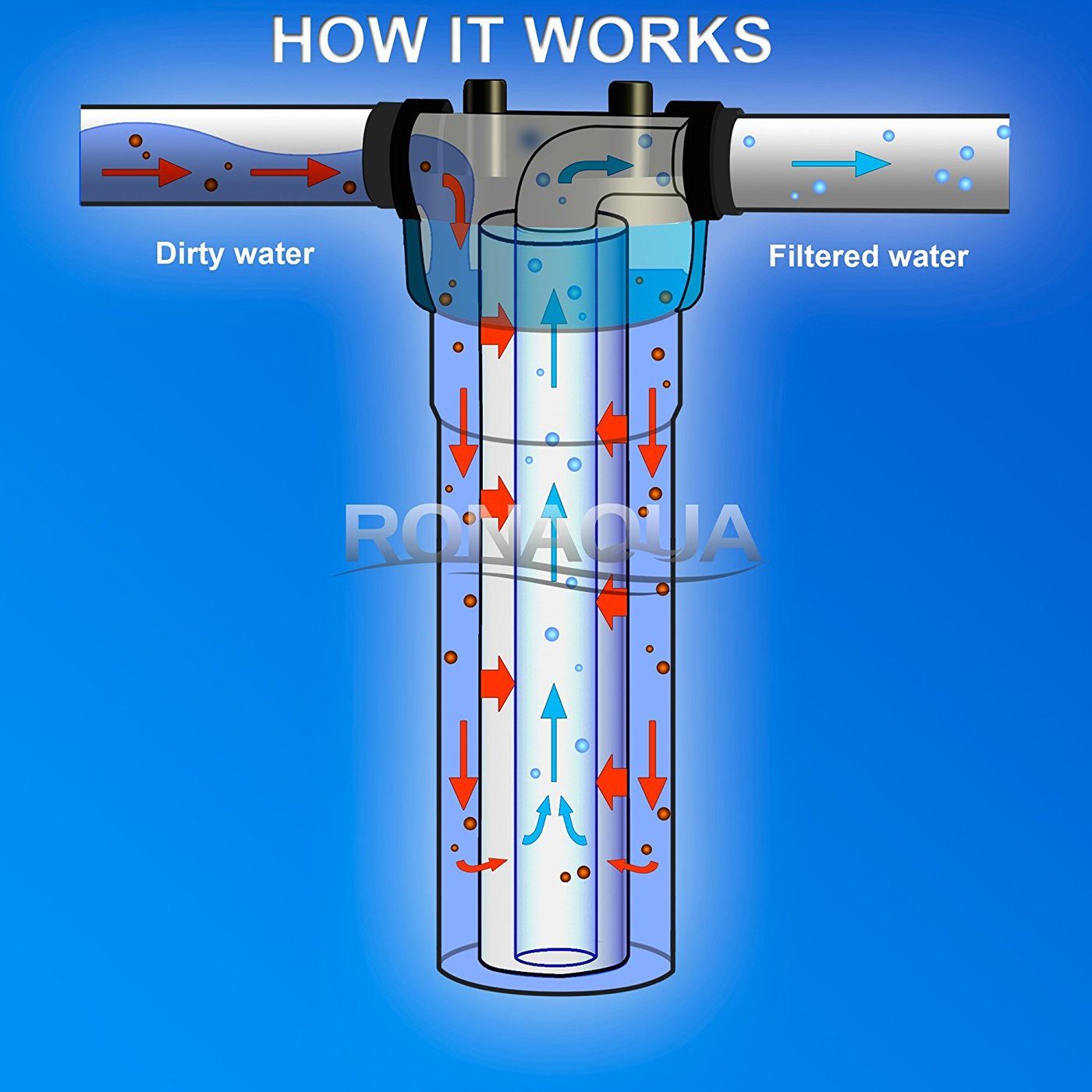
Whole house water filters clean water through several key processes. Each process targets specific impurities to improve water quality. The water flows through different filter layers. Each layer has a special role in removing contaminants.
Sediment Filtration
Sediment filters catch large particles like sand, dirt, and rust. These particles can damage pipes and appliances. The filter acts as a barrier. It stops these solids from moving further into the water system. This step protects the other filters and makes water clearer.
Activated Carbon Filtration
Activated carbon filters absorb chemicals and odors. The carbon has many tiny pores. These pores trap chlorine, pesticides, and bad smells. This process improves taste and smell. It also removes harmful substances that can affect health.
Kdf And Other Media
KDF (Kinetic Degradation Fluxion) media uses a special chemical process. It removes heavy metals like lead and mercury. KDF also controls bacteria growth inside the filter. Other media can target specific contaminants. Together, these materials provide deep cleaning and protect your home’s water supply.
Installation And Placement
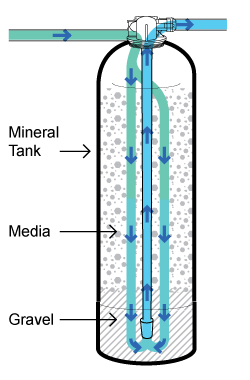
Installing a whole house water filter correctly is important. Proper placement affects how well it works. The filter needs to connect smoothly with your home’s plumbing. This section explains where to install the filter and who should do the job.
Ideal Locations In Plumbing
The best spot for a whole house filter is near the main water line. This is usually where water enters your home. Installing the filter here cleans all water before it reaches your taps. Avoid placing the filter after water heaters or softeners. Keep it before these devices to protect them from dirt and debris. Also, choose a dry, accessible area. This makes it easier to check and change filters.
Professional Vs Diy Installation
Hiring a professional ensures the filter is installed safely. Experts know local plumbing rules and avoid mistakes. They also test the system after installation. A DIY install can save money but might cause leaks or poor flow. Only attempt installation if you have plumbing experience. Read all instructions carefully before starting. Using the wrong tools or parts can damage your pipes. Safety first, always.
Maintenance And Replacement
Maintaining your whole house water filter is important for clean water. Regular care keeps the system working well and lasts longer. Replacement parts need timely changes for best performance.
Filter Lifespan
Filters usually last between 3 to 6 months. Some models use filters that can last up to one year. It depends on your water quality and usage. Check the manufacturer’s guide for exact lifespan details.
Signs It’s Time To Replace
Water flow slows down noticeably. Taste or smell of water changes. Filter looks dirty or clogged. These signs mean the filter needs replacing soon. Delaying replacement lowers water quality and can harm the system.
Cleaning Tips
Turn off the water supply before cleaning. Use a soft brush to remove dirt on the filter housing. Rinse filter parts with clean water only. Avoid harsh chemicals that can damage the filter. Regular cleaning helps extend the filter’s life.
Choosing The Right System
Choosing the right whole house water filter system is important for clean water. It protects your home’s plumbing and improves water taste and smell. Different homes need different systems. You must consider several factors before buying. These factors help find the best filter for your needs and budget.
Assessing Water Quality
Testing your water is the first step. It shows what impurities are in your water. Common issues include chlorine, sediment, and hard minerals. A water test kit or professional test can help. Knowing water quality helps pick a filter that removes the right contaminants. Some filters target specific problems better than others.
Flow Rate Considerations
Flow rate means how much water passes through the filter each minute. It must match your home’s water use. A low flow rate can reduce water pressure. A high flow rate filter handles more water but may cost more. Check your home’s peak water use to choose a filter with the correct flow rate. This ensures water flows smoothly in all taps.
Budget And Brand Options
Whole house filters come in many price ranges. Set a budget before choosing. Look for reliable brands with good reviews. Cheaper models may save money but last shorter. Higher-priced filters often offer better quality and longer life. Consider filter replacement costs too. A good filter should balance cost, quality, and maintenance needs.
Common Issues And Troubleshooting
Whole house water filters work well but can face some common problems. Understanding these issues helps keep the system running smoothly. Troubleshooting is often simple and saves time and money.
Reduced Water Pressure
Water pressure drops when the filter clogs. Particles block water flow inside the filter. Check the filter cartridge for dirt and debris. Replace the filter if it looks dirty or old. Also, inspect pipes for blockages or damage. Clean or repair any issues to restore pressure.
Leaks And Drips
Leaks appear around filter housing or connections. Loose fittings cause most leaks. Tighten all connections by hand or with a wrench. Check O-rings for cracks or damage. Replace worn O-rings to stop leaks. Leaks waste water and can cause damage. Fix leaks quickly to avoid bigger problems.
Filter Clogging
Filters clog from sediments, rust, or minerals in water. Clogged filters reduce water flow and pressure. Check filter condition regularly and change as needed. Use a filter designed for your water type. Flushing the system can remove some buildup. Proper maintenance extends filter life and keeps water clean.
Frequently Asked Questions
What Is A Whole House Water Filter System?
A whole house water filter treats all water entering your home. It removes contaminants like chlorine, sediment, and bacteria. This ensures clean water for drinking, bathing, and cleaning. It improves water quality throughout your entire house.
How Does A Whole House Water Filter Work?
It uses multiple filtration stages to remove impurities. Water passes through sediment filters, activated carbon, and sometimes UV light. Each stage targets specific contaminants. This process delivers clean, safe water to every faucet in your home.
What Contaminants Can Whole House Filters Remove?
They effectively remove chlorine, sediment, rust, and odors. Some models also filter out heavy metals, pesticides, and bacteria. The filtration depends on the filter type and media used. This protects your health and improves water taste.
How Often Should I Replace Filter Cartridges?
Filter replacement depends on water quality and usage. Typically, cartridges need changing every 3 to 6 months. Some filters last up to 12 months. Regular replacement ensures optimal filtration and prevents clogging or reduced flow.
Conclusion
A whole house water filter cleans water before it reaches your taps. It removes dirt, chemicals, and bad smells. This helps protect your pipes and appliances. Clean water also tastes better and is safer for your family. Installing one can save money on repairs and bottled water.
Understanding how it works helps you choose the right filter. Clear, fresh water flows through every faucet in your home. Simple and effective. A smart step for healthier living.

Hasan Al Sarker is a Reverse Osmosis Specialist. He has worked for many years to ensure safe drinking water for all. His research paper has been published in several journals, including Issue, Medium, and Slideshare. He is recognized as a water doctor among specialists though he did not attend medical college.
Besides working as a researcher of reverse osmosis technology, he is also very fancy with the kitchen and cooking. His guides are reading thousands of people every day. As a head of content, he is responsible for all the published articles at RO System Reviews.