Have you ever wondered what makes your water taste fresh and clean? The secret often lies in a small but powerful tool called an activated carbon filter.
If you want to know how this filter works to remove impurities and improve your water quality, you’re in the right place. Understanding how activated carbon filters clean your water can help you make smarter choices for your health and home.
Keep reading, and you’ll discover the simple science behind this amazing water purifier.
Activated Carbon Basics
Activated carbon plays a key role in cleaning water. It removes impurities and bad tastes. Understanding its basics helps explain how it works in filters. This section covers what activated carbon is, its types, and how it is made.
What Is Activated Carbon
Activated carbon is a form of carbon with tiny pores. These pores trap chemicals and impurities from water. It has a large surface area, making it very effective. It adsorbs contaminants rather than absorbing them. This means impurities stick to its surface.
Types Of Activated Carbon
There are two main types of activated carbon: granular and powdered. Granular activated carbon (GAC) has larger particles. It works well in water filters that need longer contact time. Powdered activated carbon (PAC) has very fine particles. It is often used in water treatment plants for fast filtration.
How It’s Made
Activated carbon is made by heating carbon-rich materials. Common sources include wood, coal, and coconut shells. The heating happens in a low-oxygen environment. This process creates many small pores. Sometimes, chemicals are used to increase pore size and number.

Filtration Mechanisms
Activated carbon filters clean water through several key mechanisms. These methods work together to remove impurities, odors, and harmful chemicals. Understanding these processes helps explain why activated carbon is a popular choice for water purification.
Adsorption Process
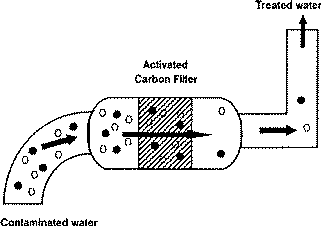
Adsorption is the main way activated carbon captures contaminants. Water passes through the carbon, and pollutants stick to its surface. The carbon’s porous structure provides a large area for these particles to attach. This process removes chlorine, pesticides, and other chemicals effectively.
Chemical Reactions
Some contaminants change chemically during filtration. Activated carbon can cause reactions that break down harmful substances. For example, it converts chlorine into less harmful compounds. These reactions improve water taste and safety.
Physical Trapping
Besides chemical action, the carbon filter physically traps particles. Tiny pores block sediments and dirt from passing through. This helps clear the water of visible impurities. Physical trapping supports adsorption and chemical processes for cleaner water.
Contaminants Removed
Activated carbon filters clean water by trapping many harmful substances. These filters have tiny pores that catch contaminants. They remove different types of pollutants to make water safer and cleaner. Understanding what they remove helps you see their importance.
Chlorine And Chloramines
Activated carbon removes chlorine from water easily. Chlorine is added to kill germs but can taste bad. Carbon also reduces chloramines, a chemical related to chlorine. This makes water safer and improves its smell.
Volatile Organic Compounds
Volatile organic compounds, or VOCs, come from chemicals and fuels. These can be harmful to health. Activated carbon traps VOCs by attracting them to its surface. This lowers the risk of chemical exposure in water.
Heavy Metals And Chemicals
Heavy metals like lead and mercury can harm the body. Some carbon filters reduce these metals. They also capture some pesticides and industrial chemicals. This helps protect against long-term health problems.
Taste And Odor Improvement
Activated carbon improves water taste by removing bad smells. It removes sulfur and other odor-causing substances. Clean water tastes fresh and pure. This makes drinking water more pleasant every day.
Filter Design And Structure
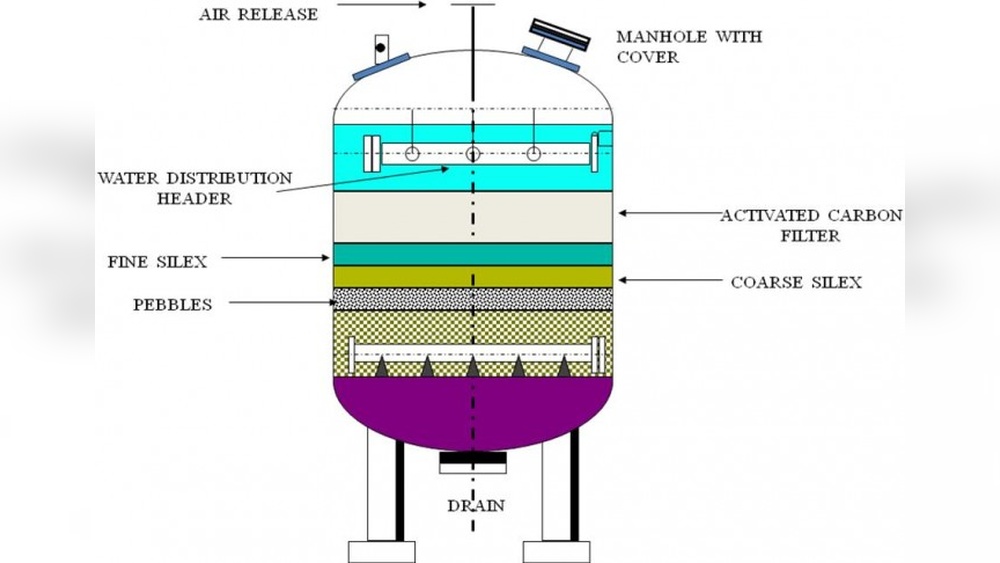
Activated carbon filters clean water by trapping impurities in their structure. The design and build of these filters decide how well they work. Different types of carbon and layers affect how water flows and how pure it becomes. Understanding these details helps you choose the right filter for your needs.
Granular Vs. Block Carbon
Granular activated carbon (GAC) uses small loose particles. Water passes through gaps between these particles. This design allows faster flow but may trap fewer impurities. Block carbon forms a solid, dense shape. Water must pass through tiny pores inside the block. This design captures more contaminants but slows water flow.
Filter Layers And Composition
Filters often combine different layers for better cleaning. The first layer may catch large dirt and sediments. Next, a carbon layer adsorbs chemicals and bad tastes. Some filters add extra layers for bacteria or minerals. Each layer has a role to make water safer and cleaner.
Flow Rate Impact
Flow rate means how fast water moves through the filter. Faster flow means less contact time with carbon. This can reduce cleaning power. Slower flow lets carbon trap more impurities. Filters balance flow rate to keep water fresh and clean without waiting too long.
Performance Factors
Activated carbon filters clean water by trapping impurities. Their performance depends on several key factors. These factors affect how well the filter removes contaminants. Understanding them helps choose the best filter for your needs.
Carbon Quality And Surface Area
The quality of carbon matters a lot. Higher quality carbon has more tiny pores. These pores create a larger surface area. A bigger surface area captures more pollutants. Good carbon removes chemicals, odors, and particles better.
Contact Time
Contact time means how long water touches the carbon. Longer contact time lets the carbon trap more impurities. Fast water flow reduces contact time. Slower flow improves filtration. Proper contact time ensures cleaner water.
Water Temperature And Ph
Water temperature affects filter performance. Cold water slows down the process. Warm water speeds it up but can reduce effectiveness. Water pH also plays a role. Extreme pH levels can damage the carbon. Neutral pH helps the filter work best.
Maintenance And Lifespan
Maintaining an activated carbon filter is key to clean water and long filter life. Proper care keeps the filter working well. Knowing when to change and how to store it matters. This section explains how to maintain your filter and understand its lifespan.
When To Replace Filters
Activated carbon filters do not last forever. Replace them after a few months or as the manual says. The filter’s capacity depends on water quality and usage. Changing on time keeps water fresh and safe.
Signs Of Filter Exhaustion
Watch for slow water flow or strange tastes. Cloudy or smelly water can mean the filter is tired. These signs show it is time to replace the filter. Do not wait too long to avoid health risks.
Proper Storage And Handling
Keep unused filters in a cool, dry place. Avoid exposing them to sunlight or moisture. Handle filters with clean hands to prevent contamination. Proper storage keeps filters fresh and ready to use.
Applications Of Activated Carbon Filters
Activated carbon filters play a vital role in cleaning water across many areas. They remove impurities, bad tastes, and odors. Their ability to trap chemicals and pollutants makes them useful in various settings. Below are some common applications of activated carbon filters.
Home Water Purification
Many homes use activated carbon filters in water pitchers and under-sink systems. These filters remove chlorine and other chemicals that affect water taste. They also reduce sediment and harmful organic compounds. This makes tap water safer and more pleasant to drink. Families rely on these filters for daily clean water.
Industrial Water Treatment
Industries use activated carbon filters to treat large volumes of water. These filters help remove toxic chemicals and pollutants from wastewater. They protect the environment by cleaning water before release. Plants also use them to improve water quality in manufacturing processes. This helps meet safety and environmental standards.
Aquarium And Fish Tank Use
Activated carbon filters keep aquarium water clear and healthy. They remove fish waste, chemicals, and odors that can harm aquatic life. Clean water supports fish health and growth. Aquarists often place these filters in tanks for better water quality. They help create a safe habitat for fish and plants.

Frequently Asked Questions
What Is An Activated Carbon Water Filter?
An activated carbon water filter uses carbon with tiny pores to trap impurities. It removes chlorine, odors, and some chemicals, improving water taste and safety effectively.
How Does Activated Carbon Remove Contaminants?
Activated carbon adsorbs contaminants by attracting them to its porous surface. This process traps chemicals and impurities, preventing them from passing through the filter and into your drinking water.
Can Activated Carbon Filter Remove Bacteria?
Activated carbon filters reduce some bacteria, but they are not designed to eliminate all pathogens. For full disinfection, use additional treatment methods like UV or reverse osmosis.
How Often Should I Replace Activated Carbon Filters?
Replace activated carbon filters every 3 to 6 months, depending on water usage and quality. Regular replacement ensures optimal filtration and maintains water taste and safety.
Conclusion
Activated carbon filters remove many impurities from water. They trap chemicals, odors, and bad tastes effectively. This process makes water cleaner and safer to drink. The filter works by attracting particles like a magnet. It needs regular replacement to stay effective.
Using these filters improves water quality at home. Clean water helps keep you healthy every day. Simple, natural, and efficient – that’s how it works.

Hasan Al Sarker is a Reverse Osmosis Specialist. He has worked for many years to ensure safe drinking water for all. His research paper has been published in several journals, including Issue, Medium, and Slideshare. He is recognized as a water doctor among specialists though he did not attend medical college.
Besides working as a researcher of reverse osmosis technology, he is also very fancy with the kitchen and cooking. His guides are reading thousands of people every day. As a head of content, he is responsible for all the published articles at RO System Reviews.