Have you ever wondered what’s really inside the water you drink every day? If you use a Pur water filter, you probably trust it to keep your water clean and safe.
But do you know exactly how it works to remove impurities and improve taste? Understanding how your Pur water filter functions can help you feel more confident about the water flowing from your tap. You’ll discover the simple yet powerful technology behind Pur filters and why they are a smart choice for your home.
Keep reading to unlock the secrets of clean, fresh water right at your fingertips.

How Pur Water Filters Work
Understanding how Pur water filters work helps you see why many trust them. These filters clean water by removing dirt and bad stuff. The process is simple but very effective. It improves taste and safety of your tap water.
Filtration Technology
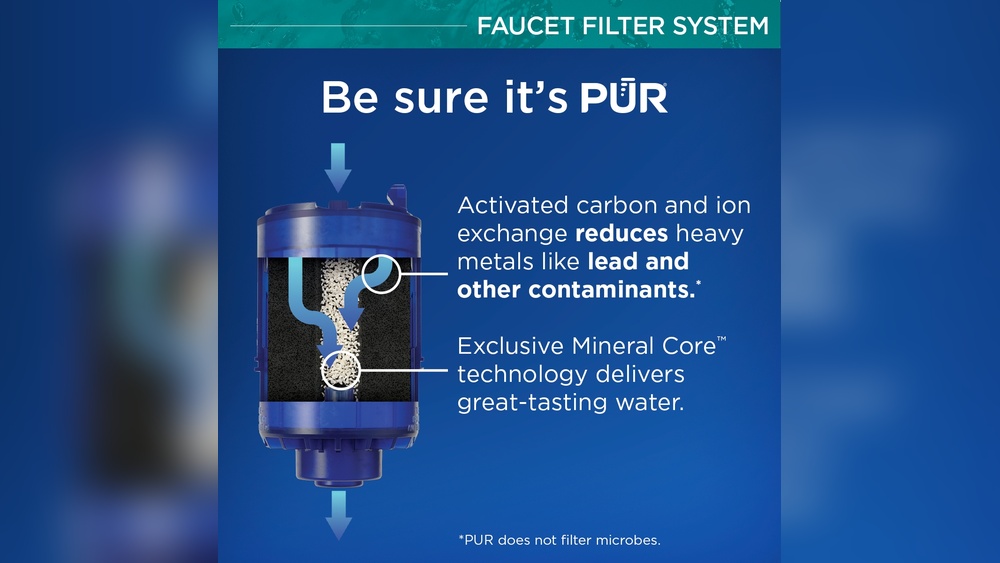
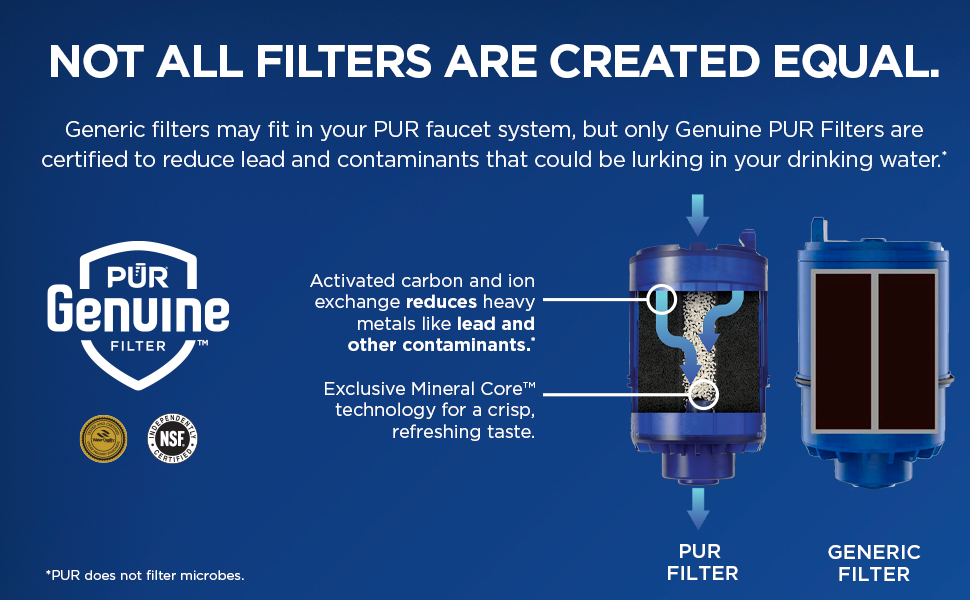
Pur water filters use activated carbon and ion exchange materials. Activated carbon traps chemicals and bad smells. Ion exchange reduces metals like lead and mercury. Together, they make water cleaner and safer to drink.
Stages Of Filtration
First, water passes through a mesh screen to catch large particles. Next, it flows through activated carbon to remove chlorine and odors. Then, ion exchange beads take out heavy metals. Finally, the filter catches tiny particles and impurities.
Types Of Contaminants Removed
Pur filters remove chlorine, which causes bad taste. They reduce lead, mercury, and other metals. The filters also cut down on pesticides and some bacteria. This makes water safer and better for your health.

Components Of Pur Water Filters
Pur water filters have several key parts that clean your water effectively. Each part plays a special role in removing dirt, chemicals, and bad tastes. Understanding these parts helps you see why Pur filters are trusted.
These components work together to make water safe and fresh for drinking. The main parts include the activated carbon filter, ion exchange resin, and microfiber filter.
Activated Carbon Filter
The activated carbon filter removes chlorine and harmful chemicals. It traps particles that cause bad smell and taste. This filter improves the water’s flavor and safety. It works by absorbing impurities as water passes through.
Ion Exchange Resin
The ion exchange resin softens water by removing heavy metals like lead and mercury. It swaps harmful ions with safer ones like sodium. This process makes water healthier to drink. The resin helps reduce water hardness, protecting your pipes and appliances.
Microfiber Filter
The microfiber filter catches tiny particles and sediment. It blocks dust, rust, and other solid impurities. This filter keeps the water clear and clean. It acts as a physical barrier before water reaches your glass.
Benefits Of Using Pur Water Filters
Using Pur water filters brings many benefits to your daily water use. These filters improve water quality in simple, effective ways. Clean, fresh water is important for health and taste. Pur filters help make water safer and more pleasant to drink.
They work by removing particles and chemicals that affect water taste and safety. The benefits include better flavor, fewer harmful substances, and saving money over time. These points explain why Pur water filters are a smart choice for home use.
Improved Taste And Odor
Pur filters remove chlorine and other substances causing bad taste and smell. Water tastes fresher and cleaner after filtering. This encourages drinking more water daily. No more strange flavors or odors in your glass.
Removal Of Harmful Chemicals
Pur filters reduce lead, mercury, and other harmful chemicals. They also cut down pesticides and industrial pollutants. Cleaner water means lower health risks. It protects your family from contaminants found in tap water.
Cost-effectiveness
Pur water filters cost less than bottled water over time. Using a filter saves money on buying bottled water every week. Filters last long and are easy to replace. This makes them a smart and affordable water solution.
Installation And Maintenance Tips
Installing and maintaining your Pur water filter is simple. Proper care keeps water fresh and safe. This section covers easy steps for setup and upkeep.
Setting Up Your Pur Filter
Begin by reading the instruction manual carefully. Attach the filter to your faucet or water pitcher as shown. Make sure connections are tight to avoid leaks. Flush the filter with water before first use. This clears out any loose carbon dust inside.
Filter Replacement Schedule
Replace the filter every 40 gallons or about every two months. Check the filter indicator if your model has one. Using an old filter can reduce water quality. Keep track of the date you install the new filter. Set a reminder to change it on time.
Cleaning And Care
Clean the filter housing regularly with mild soap and water. Avoid harsh chemicals that can damage the filter. Rinse parts well and dry before reassembling. Store extra filters in a cool, dry place. Proper cleaning and storage extend filter life and performance.
Comparing Pur Filters With Other Systems
Comparing Pur filters with other water filtration systems helps you choose the right option. Each filter type works differently and suits different needs. Understanding their features and limitations makes your choice easier.
Pur Vs. Brita
Both Pur and Brita improve tap water taste and reduce chlorine. Pur filters remove more contaminants like lead and mercury. Brita filters mainly focus on chlorine and sediment. Pur’s filter lasts longer before replacement. Brita pitchers are often cheaper and easier to find. Both brands offer faucet-mounted and pitcher options.
Pur Vs. Reverse Osmosis
Pur filters use activated carbon and ion exchange. They remove many common impurities but keep minerals. Reverse osmosis (RO) systems use a membrane to filter almost all contaminants. RO removes minerals, making water very pure but flat tasting. RO systems are larger and require more installation. Pur filters are simpler and more affordable. RO suits households needing very clean water.
Portable Vs. Faucet-mounted Filters
Portable filters are easy to carry and use anywhere. They are great for travel or outdoor activities. Faucet-mounted filters stay fixed on your kitchen tap. They filter water instantly and save space. Faucet-mounted models often filter more water at once. Portable filters usually have smaller capacity and need frequent refills. Choose based on where you need filtered water most.
Common Issues And Troubleshooting
Pur water filters are easy to use but can face some common problems. These issues may affect water flow, taste, or the filter’s indicator. Understanding these problems helps you fix them quickly. This keeps your water clean and fresh.
Low Water Flow
Low water flow often happens when the filter is clogged. Dirt and particles block water from passing through. Try removing the filter and rinsing it under cold water. If flow remains low, replace the filter with a new one. Also, check if the faucet is fully open. Sometimes, pipes can have air bubbles. Run water for a few minutes to clear them out.
Filter Indicator Problems
The filter indicator shows when it is time to replace the filter. Sometimes, the light may not work or reset properly. To fix this, press and hold the reset button for a few seconds. Make sure the filter is installed correctly. If the problem continues, check the battery or sensor. Contact Pur support if needed for more help.
Unusual Taste Or Odor
Unusual taste or odor means the filter may be old or dirty. Replace the filter if it has been used for more than two months. Clean the water pitcher or dispenser regularly. Sometimes, water sitting too long causes bad taste. Store filtered water in the fridge and use it quickly. Avoid using hot water with the filter to prevent damage.
Frequently Asked Questions
How Does Pur Water Filter Remove Contaminants?
Pur water filters use activated carbon and ion exchange technology. They trap harmful substances like chlorine, lead, and mercury, improving water taste and safety.
What Types Of Impurities Does Pur Filter Target?
Pur filters remove chlorine, heavy metals, pesticides, and some bacteria. This ensures cleaner, safer water free from common pollutants.
How Often Should I Replace The Pur Water Filter?
Replace the Pur filter every 2-3 months or after filtering 40 gallons. Timely replacement maintains filter effectiveness and water quality.
Is Pur Water Filter Easy To Install And Use?
Yes, Pur filters are designed for easy installation without tools. Simply attach to your faucet and start enjoying filtered water instantly.
Conclusion
Pur water filters trap dirt, chemicals, and bad tastes well. They use layers that clean water step by step. This makes water safer and better to drink. Using a Pur filter is easy and saves money. Clean water helps keep your family healthy every day.
Choosing the right filter matters for good water quality. Trust Pur to provide fresh water right at home. Simple, effective, and reliable—Pur filters work quietly but powerfully. Fresh water is just a filter away.

Hasan Al Sarker is a Reverse Osmosis Specialist. He has worked for many years to ensure safe drinking water for all. His research paper has been published in several journals, including Issue, Medium, and Slideshare. He is recognized as a water doctor among specialists though he did not attend medical college.
Besides working as a researcher of reverse osmosis technology, he is also very fancy with the kitchen and cooking. His guides are reading thousands of people every day. As a head of content, he is responsible for all the published articles at RO System Reviews.