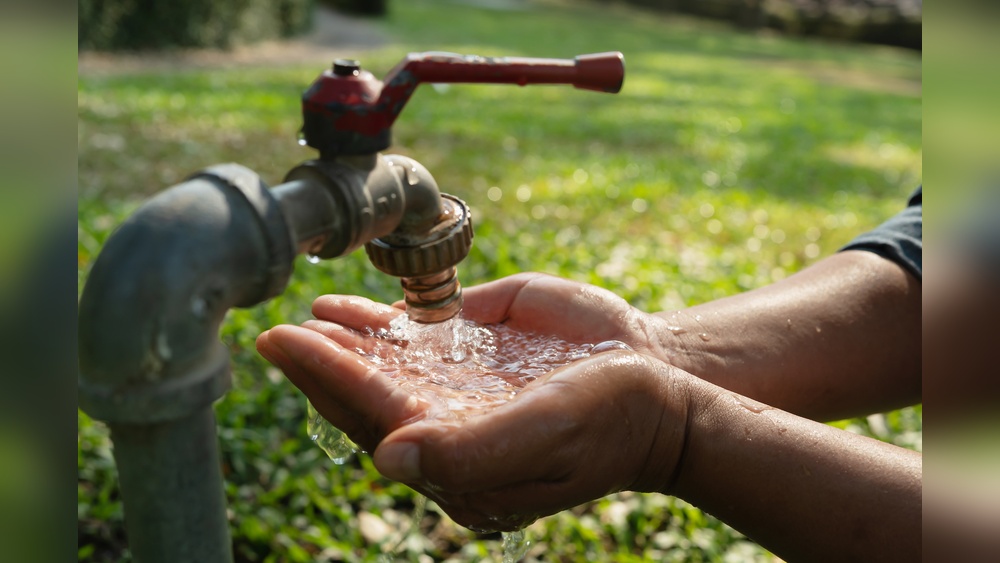
Have you ever stopped to think about what’s really in the water you drink every day? The quality of your water can have a huge impact on your health—sometimes in ways you might not expect.
From feeling tired and sluggish to facing serious illnesses, poor water quality could be the hidden cause. Understanding how water affects your body is the first step to protecting yourself and your loved ones. Keep reading to discover the surprising ways water quality influences your health and what simple actions you can take to stay safe.
Credit: h2oglobalnews.com
Sources Of Water Contamination
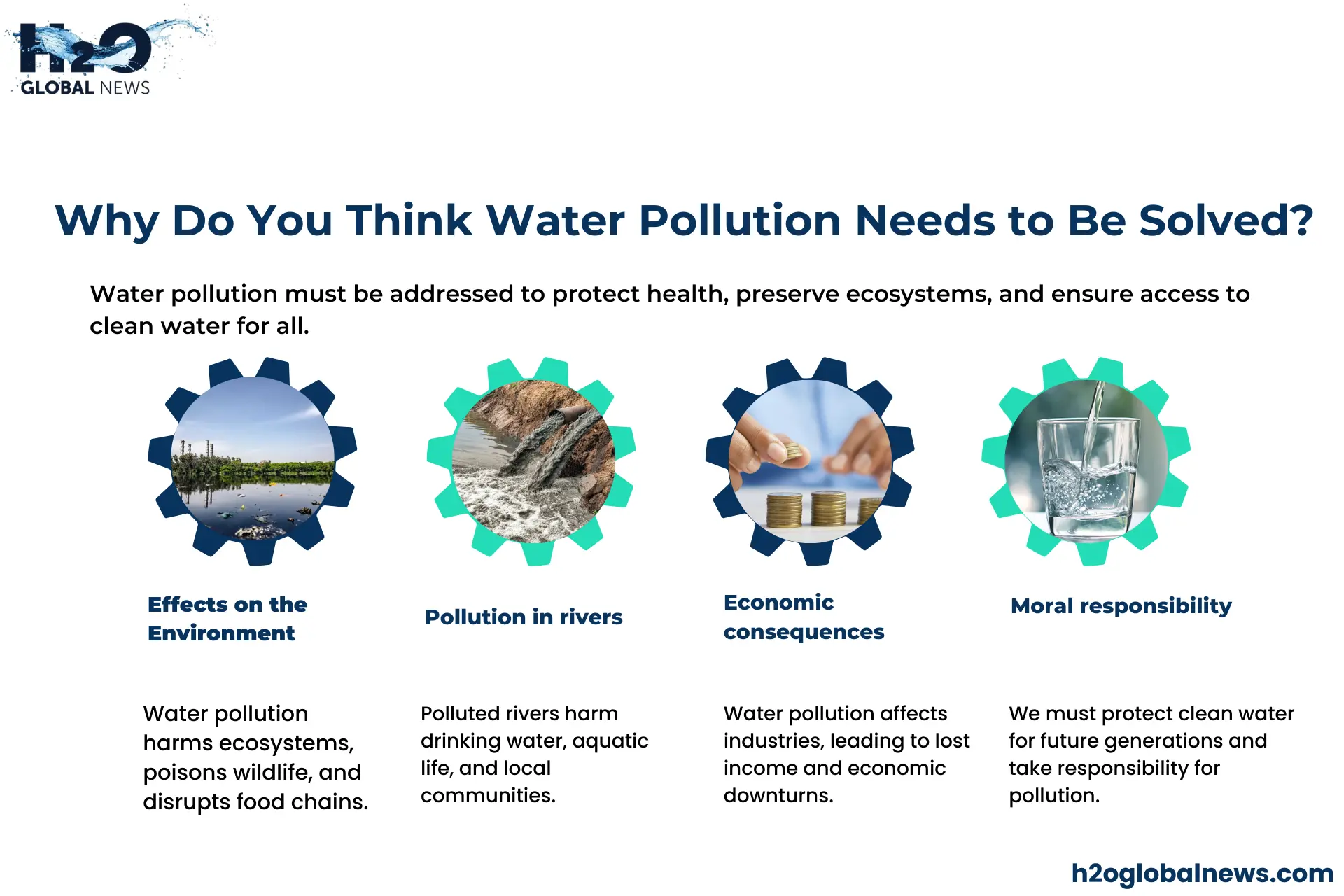
Water contamination comes from many sources. These sources affect water quality and health. Understanding where pollution starts helps protect clean water. Contaminants can come from nature, human actions, or industries. Each source adds different harmful substances to water.
Natural Contaminants
Some water pollutants occur naturally in the environment. Minerals like arsenic and fluoride can dissolve in groundwater. These substances can cause health problems if levels are too high. Natural bacteria and viruses may also enter water from soil and animals. These microbes can lead to infections and diseases.
Human Activities
People often pollute water through everyday actions. Waste from homes and farms can reach rivers and lakes. Fertilizers and pesticides used on crops wash into water sources. These chemicals affect water safety and can harm fish and plants. Improper disposal of trash and sewage also adds dangerous germs and toxins.
Industrial Pollution
Factories release many harmful substances into water bodies. Chemicals from manufacturing can poison water and soil. Heavy metals like lead and mercury accumulate in water and fish. These toxins cause serious health risks for people and animals. Industrial spills and waste discharge cause long-term damage to ecosystems.
Common Waterborne Diseases
Water quality directly affects health through various waterborne diseases. These illnesses spread by drinking or using contaminated water. Poor water quality increases the risk of many infections. Understanding common waterborne diseases helps protect health and avoid serious problems.
Bacterial Infections
Bacteria in water cause many health issues. Cholera is a severe illness caused by contaminated water. It leads to heavy diarrhea and dehydration. Another common infection is typhoid fever, which causes high fever and stomach pain. Dysentery also spreads through dirty water, causing severe diarrhea with blood. These infections can be deadly without quick treatment.
Viral Illnesses
Viruses spread easily in polluted water. Hepatitis A is a viral disease causing liver problems and jaundice. It spreads through drinking water with fecal contamination. Rotavirus mainly affects children, causing diarrhea and vomiting. These viral illnesses often result in dehydration and weakness. Clean water and good hygiene reduce the risk of viral infections.
Parasitic Diseases
Parasites live in water and infect humans who drink or bathe. Giardia causes diarrhea and stomach cramps. It spreads through water contaminated with feces. Cryptosporidium is another parasite causing prolonged diarrhea. Some parasites lead to serious health problems if untreated. Proper water treatment and sanitation stop these parasites from spreading.
Chemical Pollutants And Health Risks
Chemical pollutants in water pose serious health risks. These harmful substances enter water sources through factories, farms, and waste disposal. Drinking or using contaminated water can cause various illnesses. Understanding these pollutants helps protect health and prevent disease.
Heavy Metals
Heavy metals like lead, mercury, and arsenic often contaminate water. They come from old pipes, mining, and industrial waste. These metals build up in the body and can damage the brain, kidneys, and nervous system. Children are especially vulnerable to lead poisoning. Long-term exposure may cause cancer and developmental problems.
Pesticides And Herbicides
Pesticides and herbicides used in farming often seep into water supplies. These chemicals aim to kill pests and weeds but harm humans too. Exposure can cause headaches, skin irritation, and hormone disruption. Some pesticides are linked to cancer and reproductive issues. Avoiding contaminated water reduces these health dangers.
Industrial Chemicals
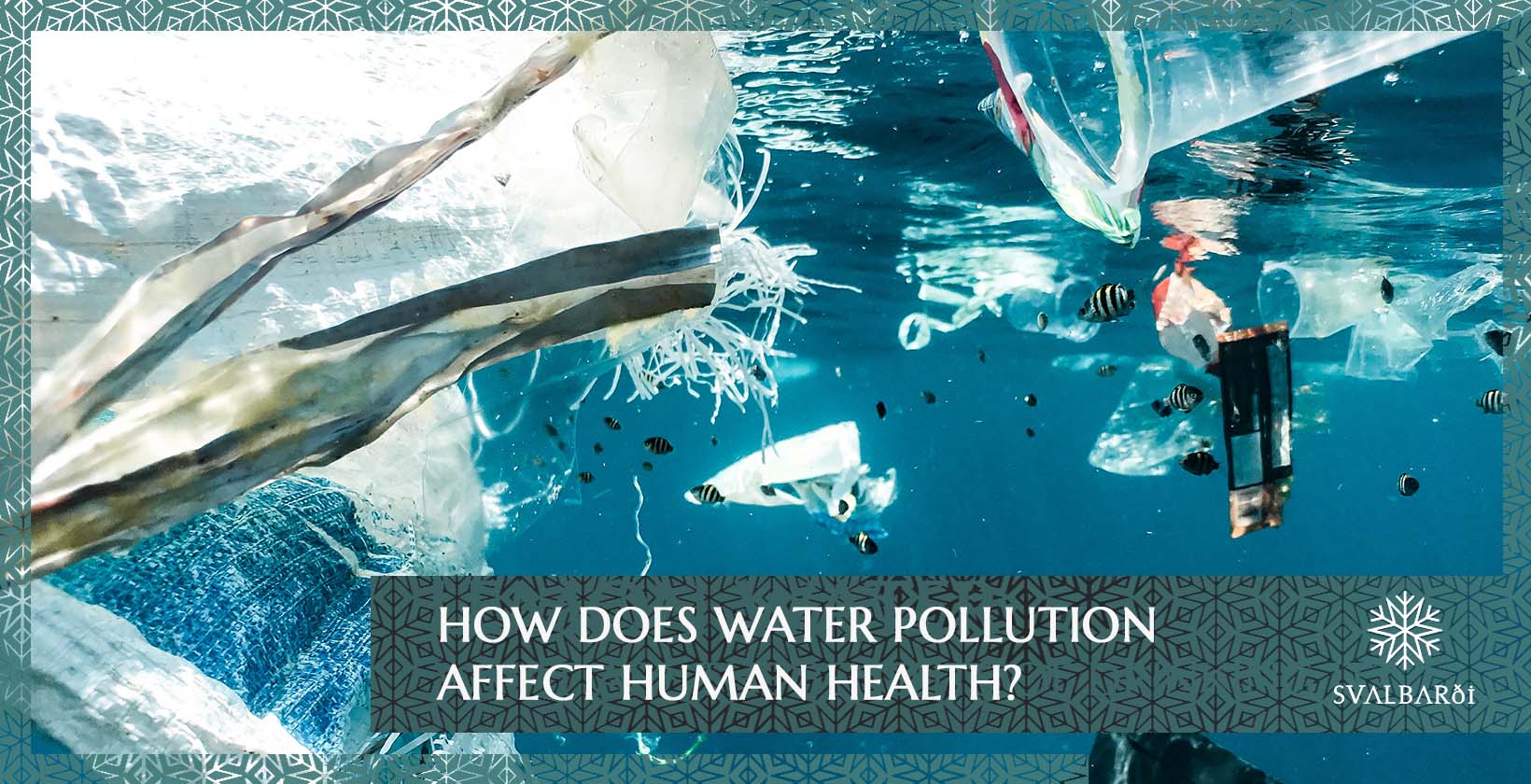
Industrial chemicals include solvents, plastics, and cleaning agents. Factories release these toxins into rivers and groundwater. Many industrial chemicals are toxic or carcinogenic. They can cause liver damage, respiratory problems, and immune system disorders. Testing water quality helps identify and reduce these pollutants.
Credit: svalbardi.com
Impact On Vulnerable Groups
Water quality plays a crucial role in the health of vulnerable groups. These groups include children, pregnant women, and elderly people. Poor water quality can cause serious health problems for them. Their bodies are often less able to fight off infections and toxins. Safe, clean water is essential to protect their well-being and support healthy growth and development.
Children And Infants
Children and infants are highly sensitive to water contamination. Their immune systems are not fully developed. Drinking or using polluted water can lead to diarrhea, stomach infections, and other illnesses. Exposure to harmful chemicals like lead can affect brain development. Clean water helps prevent these risks and supports healthy growth in young children.
Pregnant Women
Pregnant women need high-quality water to stay healthy. Contaminated water can cause infections that harm both mother and baby. Chemicals in poor water can lead to birth defects or low birth weight. Safe water reduces the risk of complications during pregnancy. It supports the healthy development of the fetus.
Elderly People
Elderly people often have weaker immune systems. They are more vulnerable to diseases from unsafe water. Drinking contaminated water can worsen chronic illnesses like kidney problems. It can also lead to dehydration and infections. Clean water helps elderly people stay healthy and avoid preventable health issues.
Water Quality Standards And Regulations
Water quality standards and regulations play a key role in protecting public health. These rules set limits on harmful substances in drinking water. They ensure water is safe for daily use and consumption. Understanding these standards helps people know how water safety is maintained worldwide.
Global Guidelines
Global guidelines provide a basic framework for water safety. The World Health Organization creates these standards. They recommend limits for chemicals, bacteria, and other pollutants. Countries use these guidelines to develop their own rules. This helps keep water safe across different regions.
Local Enforcement
Local enforcement puts water standards into action. Governments check water quality regularly. They inspect water plants and test samples. Violations lead to fines or other penalties. Strong enforcement protects communities from unsafe water.
Monitoring Techniques
Monitoring techniques track water quality over time. Sensors detect contaminants like lead and bacteria. Laboratories analyze water samples for detailed results. Real-time data helps respond quickly to pollution. Regular monitoring ensures water remains healthy for all.
Preventive Measures For Safe Water
Safe water is key to good health. It stops many diseases and keeps the body strong. Taking steps to ensure clean water helps families and communities avoid health problems. These steps work at home and in larger water systems.
Household Water Treatment
Treating water at home removes harmful germs and dirt. Simple methods like boiling water kill bacteria. Using water filters can trap tiny particles and chemicals. Adding chlorine tablets also cleans water quickly. These methods make drinking water safe and prevent sickness.
Community Water Systems
Communities manage water to keep it clean and safe. Regular testing checks for pollution and germs. Water plants use processes to remove harmful substances. Proper maintenance stops leaks and contamination. Safe community water helps protect many people at once.
Education And Awareness
Knowing about water safety helps people make good choices. Teaching how to store water properly stops germs from growing. Awareness about pollution sources helps protect water supplies. Sharing simple tips encourages safe water use every day. Education strengthens the health of all.
Emerging Challenges In Water Safety
Water safety faces new threats that affect health worldwide. These challenges come from changes in nature and human actions. Understanding these issues helps protect water and health.
Climate Change Effects
Climate change changes rainfall patterns and water temperatures. This shift causes droughts and floods, harming water supplies. Warmer water promotes bacteria and algae growth. These changes increase waterborne diseases and reduce clean water access.
Urbanization Impact
Growing cities strain water systems and pollute water sources. Waste and chemicals from industries enter rivers and lakes. Poor drainage leads to stagnant water, breeding disease. Urban growth demands better water management to keep water safe.
Antimicrobial Resistance
Overuse of antibiotics in humans and animals spreads resistant bacteria. These bacteria enter water through sewage and runoff. Resistant germs make infections harder to treat. Safe water systems must address this rising health risk.
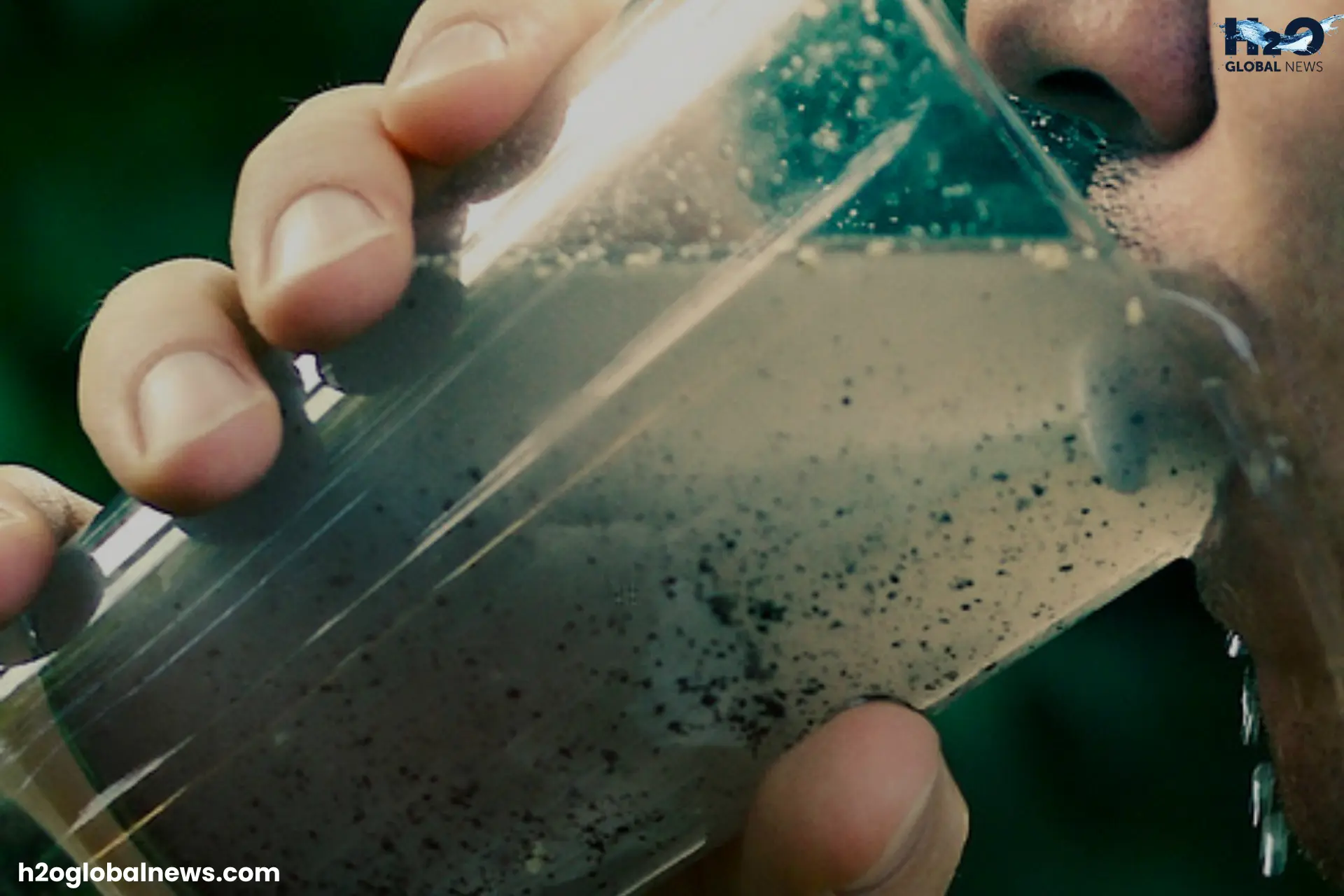
Credit: h2oglobalnews.com
Frequently Asked Questions
How Does Poor Water Quality Impact Human Health?
Poor water quality can cause diseases like diarrhea, cholera, and dysentery. Contaminants such as bacteria, viruses, and chemicals harm the immune system. Long-term exposure may lead to chronic illnesses and developmental issues in children.
What Are Common Contaminants In Drinking Water?
Common contaminants include bacteria, viruses, heavy metals, pesticides, and chemicals. These pollutants enter water through industrial waste, agricultural runoff, or faulty plumbing. They can pose serious health risks if not properly treated.
Can Water Quality Affect Children’s Development?
Yes, contaminated water can impair children’s growth and brain development. Exposure to lead, arsenic, or fluoride in water may cause learning difficulties and physical health problems. Clean water is crucial for healthy childhood development.
How To Test And Improve Water Quality At Home?
Home water testing kits detect bacteria, pH, and contaminants easily. Using water filters, boiling water, or installing purification systems improves water quality. Regular testing ensures safe drinking water and protects family health.
Conclusion
Clean water supports good health and prevents many diseases. Drinking safe water helps your body stay strong. Polluted water can cause sickness and harm your organs. Protecting water sources keeps communities healthy and safe. Simple steps like boiling or filtering water reduce risks.
Everyone deserves access to clean, fresh water every day. Remember, water quality matters for your well-being and life. Choose wisely. Stay healthy.

Hasan Al Sarker is a Reverse Osmosis Specialist. He has worked for many years to ensure safe drinking water for all. His research paper has been published in several journals, including Issue, Medium, and Slideshare. He is recognized as a water doctor among specialists though he did not attend medical college.
Besides working as a researcher of reverse osmosis technology, he is also very fancy with the kitchen and cooking. His guides are reading thousands of people every day. As a head of content, he is responsible for all the published articles at RO System Reviews.