Have you ever wondered how long your refrigerator water filter really lasts? You rely on it every day for clean, fresh water, but do you know when it’s time to replace it?
Using an old filter can affect the taste of your water and even your health. You’ll discover exactly how long a refrigerator water filter should last and the signs that tell you it’s time for a change. Keep reading to make sure your water is always safe and refreshing.
Lifespan Of Refrigerator Water Filters
The lifespan of refrigerator water filters is important for clean, fresh water. These filters remove impurities and improve taste. Knowing how long they last helps keep water safe and appliances working well.
Typical Duration
Most refrigerator water filters last about six months. Some may work a little longer, up to a year. The time depends on how much water you use. Replacing the filter on time keeps water clean and fresh.
Factors Affecting Longevity
Water quality affects how long a filter lasts. Hard water or water with many particles wears out filters faster. Using more water shortens filter life. Filters in homes with soft, clean water may last longer. Regular maintenance also helps keep filters working well.
Signs To Replace Your Water Filter
Knowing when to replace your refrigerator water filter helps keep your water clean and fresh. Old filters lose their ability to remove impurities. This can affect taste, smell, and water flow. Watch for clear signs that your filter needs changing. This saves you from drinking bad-tasting or unsafe water.
Change In Water Taste Or Odor
Fresh water should taste clean and neutral. If your water starts to taste strange or smells funny, the filter may be clogged. The filter no longer removes chemicals or impurities well. Changing the filter usually fixes the bad taste or odor quickly.
Reduced Water Flow
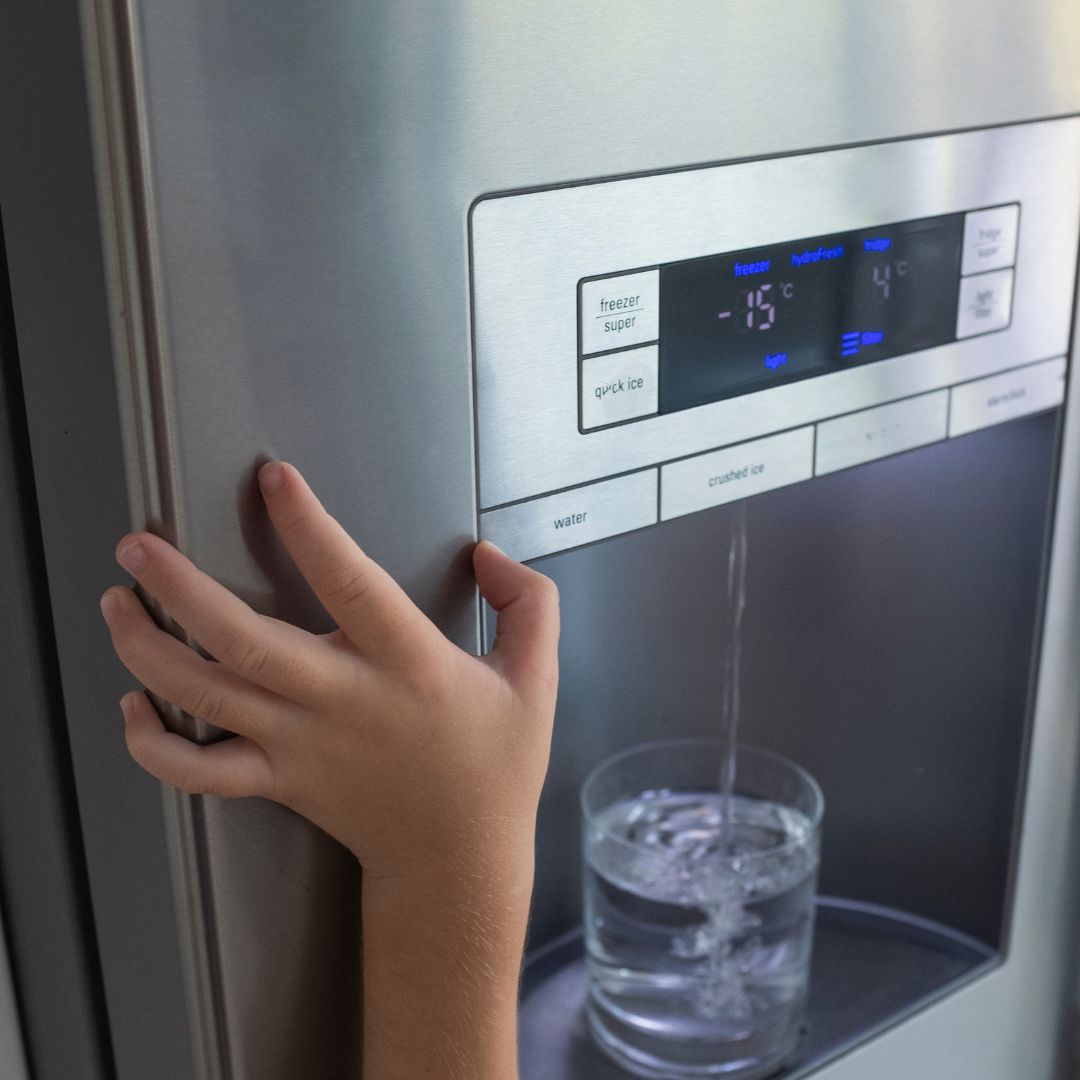
Water should flow smoothly from the dispenser. A slow drip or weak stream means the filter is blocked. Dirt and particles build up inside the filter over time. This reduces water pressure. Replace the filter to restore normal water flow and pressure.
Indicator Light Alerts
Many refrigerators have a light that signals filter status. This light turns on when the filter needs replacing. It usually glows red or flashes. Check your fridge manual to understand the alert. Follow the signal and change your filter promptly.
Types Of Refrigerator Water Filters
Refrigerator water filters come in different types. Each type cleans water in its own way. Understanding these types helps you choose the right filter for your fridge.
Carbon Filters
Carbon filters are common in many refrigerators. They use activated carbon to remove bad taste and odor. These filters also reduce chlorine and some chemicals. They work well for everyday water purification. Carbon filters need replacement every six months to keep water fresh.
Reverse Osmosis Filters
Reverse osmosis filters use a special membrane. This membrane blocks many impurities from water. They remove minerals, salts, and even some bacteria. These filters give very pure water but may waste some water during the process. They usually last longer but cost more than carbon filters.
Ceramic Filters
Ceramic filters have tiny holes that trap dirt and bacteria. They are good at removing sediments and harmful microbes. These filters do not change water taste much. Ceramic filters last longer but need cleaning to stay effective. They work well in areas with dirty water.
Impact Of Water Quality On Filter Life
Water quality has a big role in how long a refrigerator water filter lasts. Different water types affect the filter’s ability to clean and its lifespan. Understanding this helps you know when to change the filter to keep water fresh and safe.
Hard Water Effects
Hard water contains minerals like calcium and magnesium. These minerals build up inside the filter. This buildup clogs the filter faster. It reduces water flow and filter life. Hard water makes filters work harder and wear out sooner.
Sediment Levels
Sediment means tiny dirt and particles in water. High sediment levels block the filter quickly. Filters with lots of sediment get dirty fast. This lowers the filter’s efficiency. Sediment can cause the filter to fail early.
Chlorine And Contaminants
Chlorine and other chemicals affect filter life too. Filters remove these chemicals to improve taste and safety. High chlorine levels drain the filter faster. Other contaminants also reduce how long filters last. Cleaner water means longer filter life.
How To Extend Filter Life
Extending the life of your refrigerator water filter saves money and ensures clean water. Small actions can keep the filter working longer and maintain water quality. Follow these simple tips to protect your filter and enjoy fresh water every day.
Regular Maintenance Tips
Check the filter regularly for dirt or clogging. Clean the water dispenser area to prevent dust buildup. Flush the filter with water after installation to remove loose carbon. Replace the filter as recommended by the manufacturer to avoid bad taste or slow flow.
Proper Installation
Install the filter correctly to avoid leaks and damage. Follow the instructions carefully and do not force the filter into place. Make sure the filter is tight and secure to prevent water bypass. Turn off the water supply before changing the filter to avoid spills.
Using Pre-filters
Pre-filters catch large particles before water reaches the main filter. This reduces the load on the refrigerator filter and extends its life. Install a pre-filter if your water has a lot of sediment. Change the pre-filter regularly to keep the system clean.
Replacing And Resetting Your Filter
Replacing and resetting your refrigerator water filter keeps your water clean and fresh. It helps maintain the taste and quality of drinking water. Regular changes also protect your fridge from clogs and damage.
Knowing how to replace and reset the filter is simple. You save money and avoid calling a technician. Follow clear steps to do the job right every time.
Step-by-step Replacement Guide
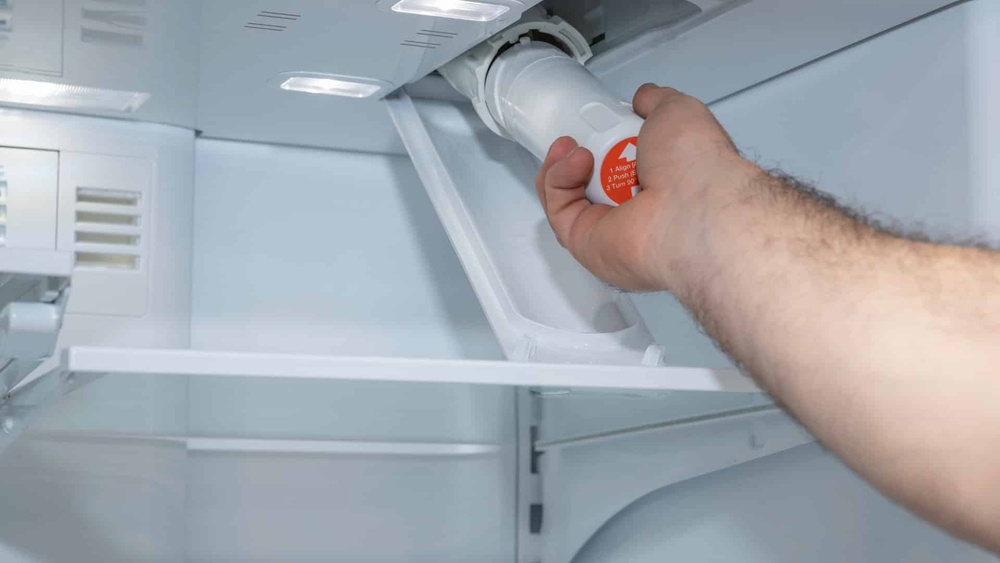
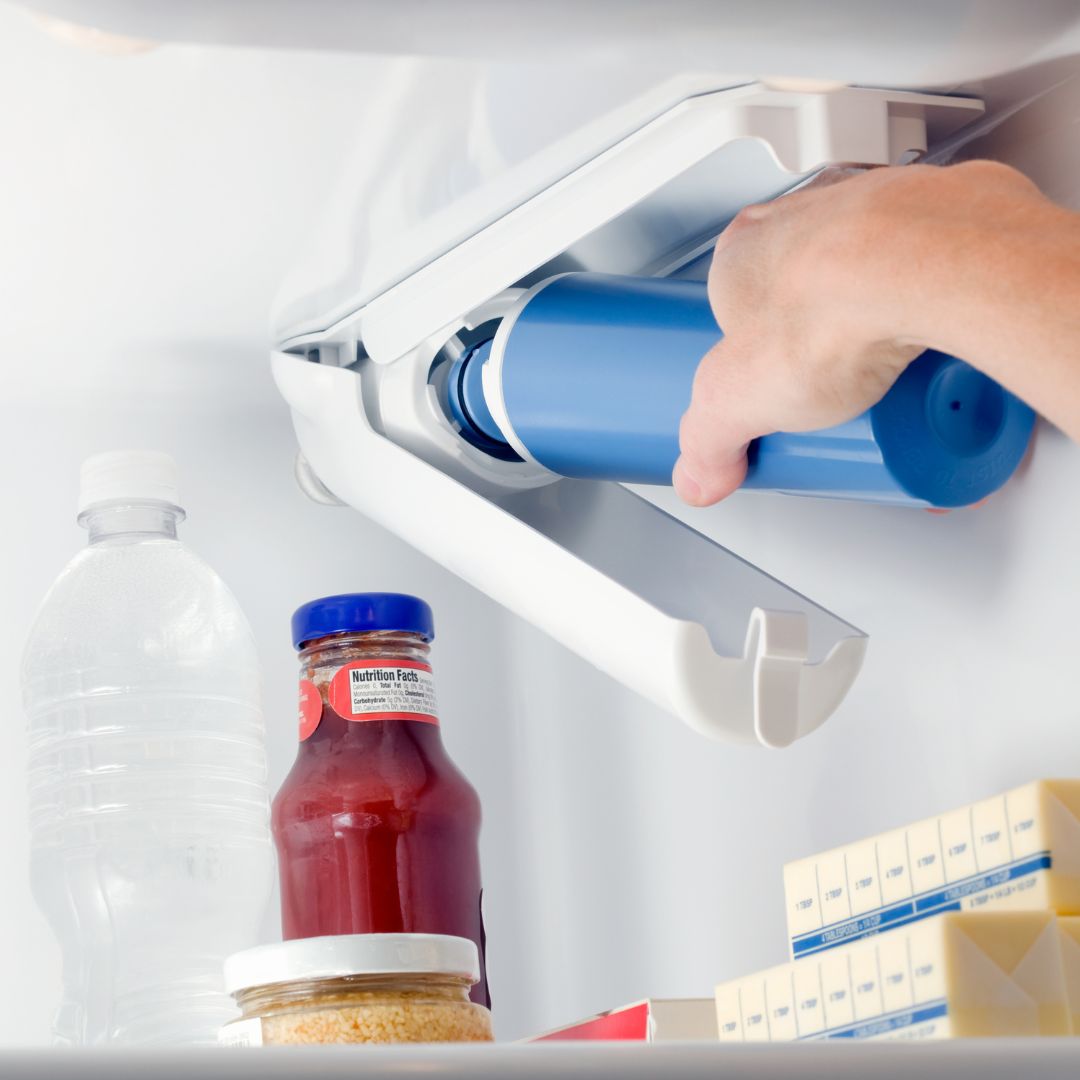
First, find your fridge’s water filter. It is usually inside the fridge or at the base.
Turn off the water supply to avoid leaks.
Twist the old filter counterclockwise. Pull it out gently.
Remove the protective cap from the new filter.
Push the new filter into place. Turn it clockwise until it locks.
Turn the water supply back on. Run water for a few minutes to clear air and impurities.
Resetting The Filter Indicator
Most fridges have a filter indicator light. It shows when to change the filter.
After replacing the filter, find the reset button. It is near the indicator or on the control panel.
Press and hold the reset button for 3 to 5 seconds.
The light will turn off or change color. This means the indicator reset successfully.
Resetting keeps track of your filter life. It reminds you of the next change.
Cost Considerations
Choosing the right refrigerator water filter means thinking about cost. The price you pay affects your budget and how often you replace the filter. Understanding costs helps you pick a filter that fits your needs and saves money over time.
Price Range Of Filters
Refrigerator water filters vary in price. Basic models start around $15. Premium filters can cost up to $50 or more. Brand and filter type affect the price. Some filters last longer but cost more upfront. Others are cheaper but need frequent replacement.
Long-term Savings
Buying a cheaper filter may seem smart at first. But frequent changes add up. Filters that last longer reduce the need to buy often. Quality filters keep water clean and protect your fridge. This can save repair costs later. Think about total cost, not just price tag.
Frequently Asked Questions
How Often Should I Replace My Refrigerator Water Filter?
Replace your refrigerator water filter every 6 months for optimal performance. This ensures clean, fresh-tasting water and protects the appliance from clogging.
What Happens If I Don’t Change The Filter Timely?
A clogged filter reduces water flow and affects water quality. It can cause bad taste, odors, and potential health risks due to contaminants.
Can I Use Any Water Filter For My Fridge?
No, always use a filter compatible with your fridge model. Using incorrect filters may damage your appliance or fail to remove contaminants effectively.
How Do I Know When The Water Filter Needs Replacement?
Most refrigerators have indicator lights or alerts when filters need changing. If water tastes off or flow slows, it’s time to replace the filter.
Conclusion
Refrigerator water filters usually last about six months. Changing them on time keeps water clean and fresh. Old filters can cause bad taste and block water flow. Check your filter regularly to know when to replace it. This small step helps protect your health every day.
Clean water makes a big difference in your home. Stay aware and keep your filter fresh for best results. Simple care leads to better water and a happier family.

Hasan Al Sarker is a Reverse Osmosis Specialist. He has worked for many years to ensure safe drinking water for all. His research paper has been published in several journals, including Issue, Medium, and Slideshare. He is recognized as a water doctor among specialists though he did not attend medical college.
Besides working as a researcher of reverse osmosis technology, he is also very fancy with the kitchen and cooking. His guides are reading thousands of people every day. As a head of content, he is responsible for all the published articles at RO System Reviews.