

Are you wondering how long your ion exchange resin will keep working effectively? Whether you use it for water softening or purification, knowing its lifespan can save you time, money, and frustration.
If your resin wears out too soon, you might face hard water problems or poor water quality. But if you replace it too early, you could be wasting resources. You’ll discover the key factors that affect the life of your ion exchange resin and practical tips to get the most out of it.
Keep reading to find out exactly when and why you should consider replacing your resin to keep your water system running smoothly.

Credit: eaiwater.com
Ion Exchange Resin Basics
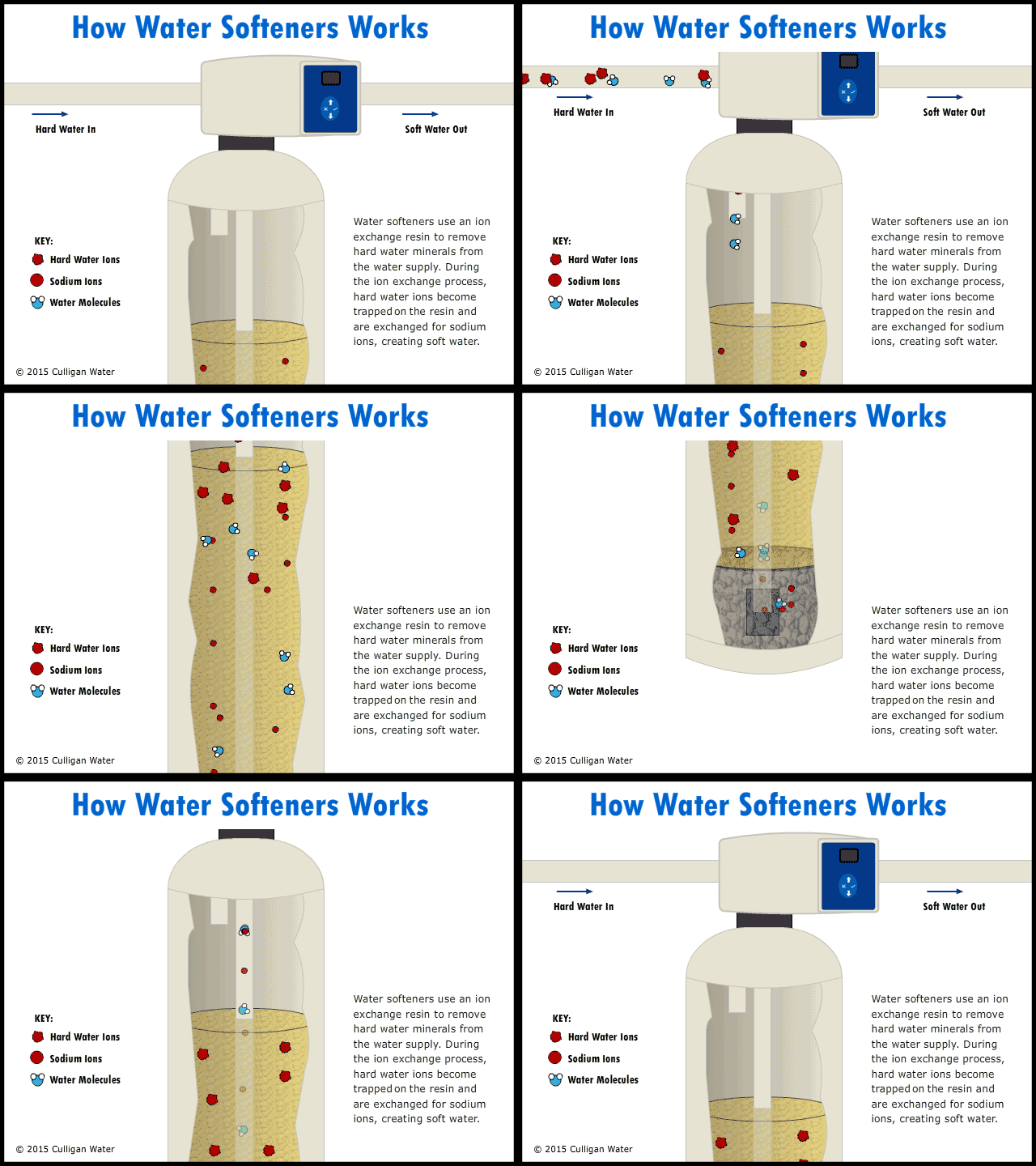
Ion exchange resins are small beads used to soften water and clean it. They work by swapping unwanted ions in water with useful ones. These resins are vital in water treatment and many other fields. Understanding their basics helps in knowing how long they last and how to care for them.
Ion exchange resins come in different types, each made for a special job. Their use depends on the kind of ions to remove or replace. Knowing the types helps choose the right resin for the right task.
Types Of Ion Exchange Resins
There are two main types: cation and anion resins. Cation resins swap positive ions like calcium and magnesium. They are often used to soften hard water. Anion resins swap negative ions such as chloride and sulfate. These help remove harmful acids and other pollutants.
Some resins are strong, and others are weak. Strong resins work in tough conditions. Weak resins handle milder water problems. Mixed bed resins combine both types for thorough water cleaning.
Common Applications
Ion exchange resins appear in many places. Water softeners use them to reduce hardness in homes. They also purify water in industries like food and medicine. Power plants rely on them to treat boiler water.
Besides water, resins help in chemical processing. They remove unwanted salts and metals. They also clean wastewater before release into nature. Their role is crucial in keeping water safe and clean.
Factors Affecting Resin Lifespan
The lifespan of ion exchange resin depends on several important factors. These factors impact how well the resin works over time. Understanding them helps in maintaining resin performance and saving costs. Each factor plays a key role in the resin’s durability and efficiency.
Water Quality And Contaminants
Water quality greatly affects resin life. Hard water with many minerals wears out resin faster. Chemicals and chlorine also damage resin beads. High levels of iron or manganese cause resin to foul quickly. Cleaner water means longer resin lifespan.
Usage Frequency
The more often the resin is used, the quicker it wears out. Continuous water treatment puts stress on resin beads. Frequent use means more ion exchange cycles. This reduces the resin’s ability to work properly over time.
Regeneration Process
Proper regeneration restores resin capacity. Using the right chemicals and amounts is crucial. Poor regeneration causes incomplete cleaning of resin. This leads to reduced efficiency and shorter resin life. Regular and correct regeneration extends resin durability.
Storage Conditions
Storing resin correctly preserves its quality. Resin should be kept moist and cool. Dry resin beads can crack or lose function. Avoid exposure to heat or direct sunlight. Proper storage prevents damage and helps resin last longer.
Typical Lifespan Expectations
Ion exchange resin lasts for different periods based on its use. The environment and water quality affect its lifespan. Proper maintenance also plays a key role. Knowing typical lifespan helps plan resin replacement and avoid water issues.
Residential Use
In homes, ion exchange resin usually lasts 3 to 5 years. Softening household water causes less wear on the resin. Regular regeneration with salt extends its life. Hard water with many minerals may shorten resin life.
Commercial Use
Commercial systems use resin more heavily. Lifespan ranges from 2 to 4 years. Frequent use and larger water volumes wear resin faster. Proper cleaning and timely regeneration help keep resin working well. Resin may need replacement sooner in busy businesses.
Industrial Use
Industrial resin faces tough conditions. Lifespan is often 1 to 3 years. Chemicals and high flow rates cause faster degradation. Some industries require special resin types for longer life. Regular testing and maintenance are critical to avoid downtime.
Signs Resin Needs Replacement
Knowing when to replace ion exchange resin helps keep your water clean and safe. Resin loses effectiveness over time. It shows clear signs that it needs replacement. Spotting these signs early prevents damage to your water system.
Decreased Water Quality
Water may taste or smell different. Hardness or contaminants can increase. Stains on sinks or dishes may appear. These changes mean the resin is no longer filtering well. Test your water regularly to catch these issues.
Reduced Flow Rate
Water flow can slow down. Clogs or blockages may form inside the resin bed. This restricts water movement through the system. A steady flow is necessary for proper filtration. A drop in flow rate signals resin problems.
Physical Resin Changes
The resin beads might look damaged or broken. They can clump together or become sticky. Resin may also change color, often darkening over time. Physical changes reduce resin’s ability to clean water. Inspect the resin during maintenance checks.
Extending Resin Lifespan
Extending the lifespan of ion exchange resin saves money and keeps water quality high. Proper care ensures the resin works well for a long time. Simple steps can help maintain its effectiveness and avoid early replacement. Focus on correct handling and regular upkeep.
Proper Regeneration Techniques
Regeneration restores the resin’s ability to remove unwanted ions. Use the right amount of regenerant chemical. Too little won’t clean the resin well. Too much can damage the resin beads. Follow the manufacturer’s instructions closely. Allow enough time for the resin to soak. Rinse the resin properly after regeneration to remove excess chemicals.
Regular Maintenance Tips
Check the resin regularly for signs of wear or fouling. Clean filters and screens to prevent clogging. Monitor water flow and pressure to spot issues early. Replace worn parts like seals and valves. Keep a schedule for inspections and cleaning. Doing small tasks often helps avoid big problems later.
Avoiding Contaminants
Protect resin from oils, chlorine, and iron. These can damage or foul the resin quickly. Pre-treat water to remove harmful substances before it reaches the resin. Use carbon filters to remove chlorine. Install sediment filters to catch dirt and rust. Preventing contaminants keeps resin clean and effective longer.

Credit: www.lanlangcorp.com
Disposal And Environmental Impact
Disposing of ion exchange resin requires care. This resin can impact the environment if not handled right. Understanding proper disposal helps protect water and soil. It also prevents harmful chemicals from spreading.
Safe Disposal Methods
First, check local rules for resin disposal. Many areas treat used resin as hazardous waste. Do not throw resin in regular trash or drains. Use a licensed waste disposal service to handle it safely. They know how to avoid pollution and health risks.
Wear gloves and protective gear when handling spent resin. Keep resin away from water sources during transport. Store it in sealed containers until disposal. This stops leakage and contamination of surroundings.
Recycling Options
Some companies offer resin recycling programs. These programs clean and reuse the resin for new processes. Recycling reduces waste and saves raw materials. It also lowers the need for mining new substances.
Ask your resin supplier about recycling possibilities. Not all resins can be recycled, but many can. Using recycled resin supports eco-friendly practices. It helps businesses reduce their environmental footprint.
Credit: www.apwater.com.au
Frequently Asked Questions
How Long Does Ion Exchange Resin Typically Last?
Ion exchange resin usually lasts 5 to 10 years with proper care. Its lifespan depends on water quality and usage frequency. Regular maintenance extends its effectiveness and prevents early replacement.
What Factors Affect Ion Exchange Resin Lifespan?
Water hardness, chemical exposure, and regeneration frequency impact resin longevity. High mineral content or improper regeneration shortens its life. Using clean water and following maintenance guidelines helps maximize resin durability.
How To Know When Ion Exchange Resin Needs Replacement?
Signs include reduced water softness, increased hardness, or resin discoloration. Testing water hardness regularly helps detect resin exhaustion. When regeneration no longer restores performance, it’s time to replace the resin.
Can Ion Exchange Resin Be Regenerated To Last Longer?
Yes, proper regeneration with salt or chemicals restores resin capacity. Regular regeneration prevents resin from clogging or losing effectiveness. Following recommended cycles ensures optimal performance and extends resin lifespan.
Conclusion
Ion exchange resin usually lasts several years with proper care. Regular cleaning keeps it working well and prevents damage. Watch for changes in water taste or flow to spot problems early. Replacing the resin at the right time saves money and avoids water issues.
Simple maintenance extends the resin’s life and keeps water pure. Remember, good care means better water every day.

Hasan Al Sarker is a Reverse Osmosis Specialist. He has worked for many years to ensure safe drinking water for all. His research paper has been published in several journals, including Issue, Medium, and Slideshare. He is recognized as a water doctor among specialists though he did not attend medical college.
Besides working as a researcher of reverse osmosis technology, he is also very fancy with the kitchen and cooking. His guides are reading thousands of people every day. As a head of content, he is responsible for all the published articles at RO System Reviews.