
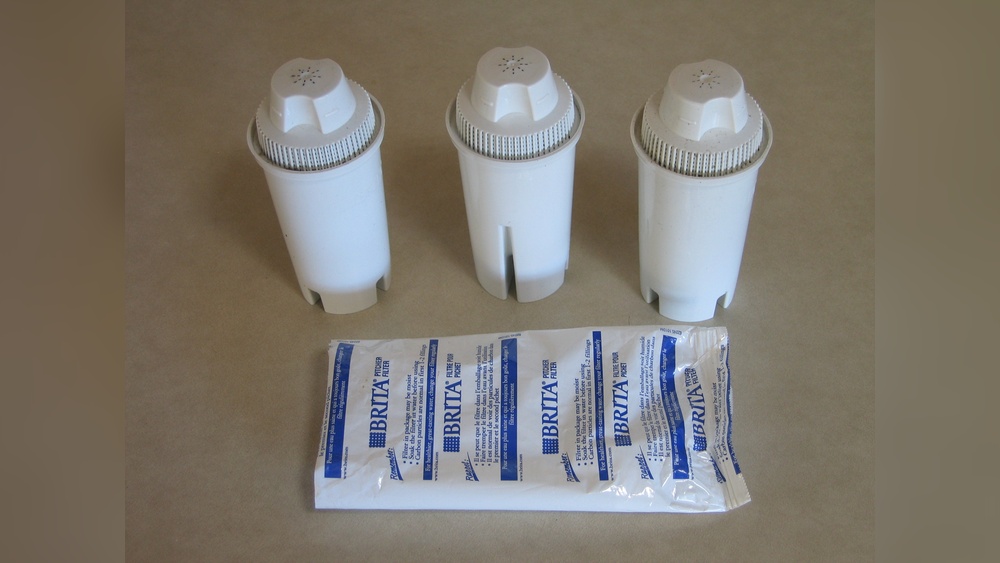
Are you wondering how long to soak your Brita water filter before use? Getting this step right is crucial to enjoy fresh, clean water every time.
Soaking your filter properly helps remove any loose carbon dust and activates the filter to work at its best. If you skip or rush this process, your water might taste off or the filter might not last as long. You’ll discover exactly how long to soak your Brita filter and why it matters.
Keep reading to make sure you get the purest water possible with every pour.

Why Soak Your Brita Filter
Soaking your Brita filter is an important step before using it for the first time. It prepares the filter to clean water effectively. Skipping this step can reduce the filter’s performance.
Understanding why soaking matters helps you get the best results from your Brita filter. It also protects the filter from damage and keeps water tasting fresh.
Purpose Of Soaking
Soaking activates the filter’s carbon and resin inside. These materials trap impurities and improve water taste. The water softens the filter and removes air bubbles. This process helps water flow smoothly through the filter.
Without soaking, the filter may block water or work slowly. Soaking ensures the filter is ready to clean water properly.
Benefits For Water Quality
Soaking helps remove dust and loose carbon particles from the filter. This stops these particles from entering your drinking water. A soaked filter reduces chlorine, lead, and other harmful substances. It also improves the smell and flavor of water.
Filtered water tastes cleaner and fresher after soaking the filter. This step helps protect your health by providing safer drinking water.
Recommended Soaking Time
Knowing the right soaking time for your Brita water filter helps it work well. Soaking activates the filter, removing impurities and improving taste. The time needed depends on the filter type and model. This guide covers recommended soaking durations to keep your water clean and fresh.
Standard Soaking Duration
The usual soaking time for most Brita filters is about 15 minutes. This period allows the filter to absorb water fully. Fill a container with cold water and let the filter soak. Avoid using hot water as it can damage the filter. After soaking, rinse the filter under running water for a few seconds. This process prepares the filter for immediate use.
Variations By Filter Type
Different Brita filters may need different soaking times. For example, the Longlast+ filter requires about 20 minutes. This filter uses activated carbon and ion exchange resin, needing extra time to activate. The Basic filter usually sticks to the 15-minute mark. Always check the instructions on your filter’s package. Some new models might have updated soaking times. Following the right time helps the filter work at its best.
Step-by-step Soaking Process
Soaking a Brita water filter is a simple but important step. It helps the filter work better and last longer. This guide shows each step clearly. Follow these steps to get clean, fresh water every time.
Preparing The Filter
Remove the filter from its packaging. Check it for any damage or cracks. Rinse the filter under cold water for a few seconds. This removes any loose carbon dust. Use clean water from the tap or bottle.
Soaking Procedure
Fill a clean container with cold water. Submerge the filter fully in the water. Let it soak for about 15 minutes. This allows the filter to absorb water and activate. Avoid using hot water to protect the filter parts.
Post-soaking Steps
Take the filter out of the water. Shake it gently to remove air bubbles. Insert the filter into your Brita pitcher or dispenser. Fill the pitcher with cold water. Discard the first two full pitchers of filtered water. This step clears any remaining carbon dust.
Common Mistakes To Avoid
Soaking your Brita water filter the right amount of time is very important. Many people make mistakes that affect the filter’s performance. Avoiding these errors helps keep your water clean and fresh. Here are common mistakes to watch out for when soaking your filter.
Under-soaking Issues
Not soaking the filter long enough can cause poor water flow. The filter may take longer to work properly. It might also release black carbon dust into the water. This dust comes from the filter’s carbon block. Under-soaking reduces the filter’s ability to clean water well. Always soak the filter for the time recommended in the instructions.
Over-soaking Concerns
Soaking the filter too long does not improve its function. It may cause the filter to break down faster. Over-soaking can lead to mold or bacteria growth inside the filter. This makes the water unsafe to drink. Avoid leaving the filter soaking for days. Stick to the soaking time suggested by the manufacturer.
Signs Your Filter Needs Replacement
Knowing when to replace your Brita filter is important. A worn-out filter can affect water quality and taste. It also slows down the water flow. Watch for clear signs that your filter needs a change.
Reduced Water Flow
Water takes longer to fill your pitcher. The flow feels slower than usual. This happens because the filter is clogged. Dirt and particles block the water passages. A slow flow means the filter can no longer work well. Replace it to enjoy fast, clean water again.
Change In Taste Or Odor
Water tastes different or has a strange smell. It may taste flat or metallic. This means the filter has lost its ability to remove impurities. Old filters fail to trap contaminants. Fresh, clean water should taste pure and fresh. Notice any change? Time to swap the filter for a new one.
Maintaining Your Brita Filter
Maintaining your Brita filter is key to getting clean, fresh water every time. Proper care extends the filter’s life and keeps your water tasting great. Simple steps can make a big difference in how well your filter works.
Regular cleaning and correct storage help prevent mold and bacteria buildup. These habits also stop bad odors and improve water flow. Here are some easy tips to maintain your Brita filter effectively.
Cleaning Tips
Rinse your Brita filter under cold water before first use. Avoid soap or detergents as they can harm the filter. Clean the pitcher or dispenser with mild soap and water weekly. Use a soft cloth or sponge to avoid scratches. Remove the filter and rinse it gently every few weeks. Never put the filter in the dishwasher or microwave.
Storage Recommendations
Store your Brita filter in a cool, dry place when not in use. Keep it away from direct sunlight and heat sources. If you won’t use the filter for a while, dry it completely before storing. Place the filter in an airtight container to avoid dust. Replace the filter according to the package instructions, usually every 40 gallons or two months.

Frequently Asked Questions
How Long Should I Soak A New Brita Filter?
Soak a new Brita filter in cold water for 15 minutes before use. This activates the filter and removes loose carbon dust. Proper soaking ensures optimal filtration and taste.
Can I Use A Brita Filter Without Soaking It?
No, soaking is essential. Without soaking, the filter won’t work effectively. It may release carbon particles and reduce water quality.
How Often Should I Soak A Brita Filter?
You only need to soak a new Brita filter once before first use. Regular filters do not require soaking between uses.
What Happens If I Soak Brita Filter Too Long?
Soaking longer than 15 minutes won’t harm the filter but is unnecessary. Excessive soaking does not improve filtration and wastes time.
Conclusion
Soaking a Brita water filter usually takes about 15 minutes. This step helps remove loose carbon dust. It also ensures the filter works well from the start. Use clean water to soak the filter. After soaking, rinse it under running water briefly.
Then, place the filter in your Brita pitcher or dispenser. Change the filter every two months or as recommended. Clean water tastes better and keeps you healthy. Following these simple steps makes your filter last longer. Easy and quick care brings fresh water every day.

Hasan Al Sarker is a Reverse Osmosis Specialist. He has worked for many years to ensure safe drinking water for all. His research paper has been published in several journals, including Issue, Medium, and Slideshare. He is recognized as a water doctor among specialists though he did not attend medical college.
Besides working as a researcher of reverse osmosis technology, he is also very fancy with the kitchen and cooking. His guides are reading thousands of people every day. As a head of content, he is responsible for all the published articles at RO System Reviews.