Are you tired of worrying about the quality of your tap water? You might be wondering, “How much does a water filter cost?” Choosing the right water filter isn’t just about price—it’s about making sure your family drinks clean, safe water every day.
You’ll discover the true costs behind different types of water filters, what affects their price, and how to pick the best option for your home and budget. Keep reading to make an informed decision that protects your health without breaking the bank.

Types Of Water Filters
Water filters come in different types to suit various needs and budgets. Each type offers unique features and levels of filtration. Choosing the right filter depends on your water quality and usage.
Pitcher Filters
Pitcher filters are easy to use and affordable. They fit in your fridge and use activated carbon to remove chlorine and some contaminants. These filters improve taste and odor but do not remove all pollutants. They need regular filter replacement every few months.
Faucet-mounted Filters
Faucet-mounted filters attach directly to your kitchen tap. They filter water as it flows through the faucet. These are more convenient than pitcher filters and provide cleaner water instantly. They remove chlorine, sediment, and some bacteria. Installation is simple and does not require tools.
Under-sink Systems
Under-sink filters install beneath your kitchen sink. They connect to your cold water line and deliver filtered water through a separate tap. These systems offer better filtration, removing lead, chlorine, and other contaminants. They cost more but provide higher water quality for drinking and cooking.
Whole House Filters
Whole house filters treat water for the entire home. They connect to the main water line entering your house. These filters remove sediment, chlorine, and rust to protect pipes and appliances. They do not always remove all chemicals or bacteria but improve overall water quality for bathing and cleaning.
Reverse Osmosis Units
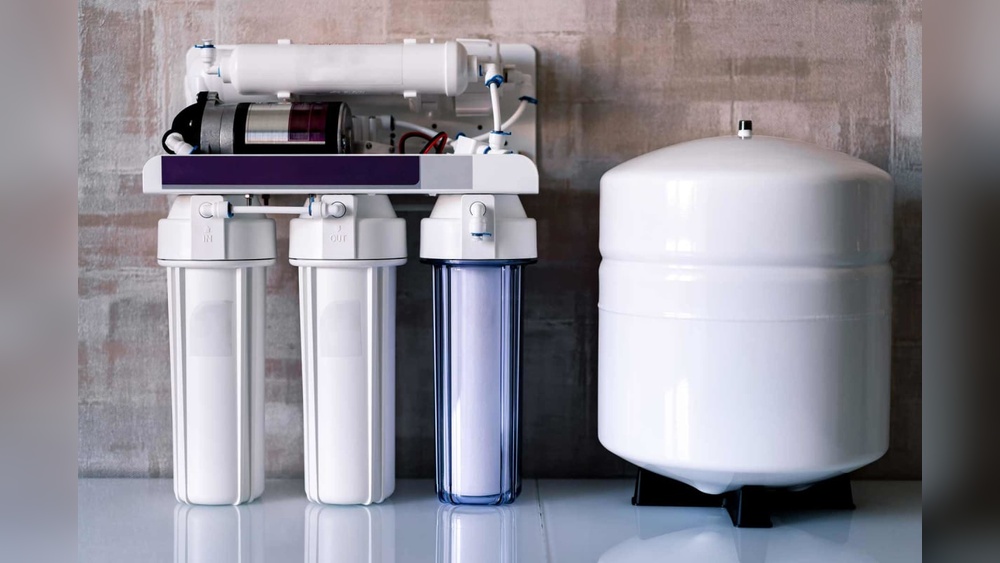
Reverse osmosis units provide the highest level of filtration. They use a special membrane to remove almost all contaminants, including heavy metals and salts. These systems are usually installed under the sink and require professional setup. They produce very pure water but waste some water during the process.
Price Range By Filter Type
Water filters come in many types and prices. Knowing the price range helps you pick the right one. Each filter type has different costs based on features and quality. Some filters are cheap and basic. Others offer better cleaning but cost more. Premium filters provide top performance and durability. Let’s explore the price range by filter type to help you decide.
Affordable Options
Affordable water filters usually cost between $20 and $50. These include pitcher filters and basic faucet-mounted models. They remove chlorine and some impurities. Easy to install and use. Ideal for small households or renters. Filter cartridges need replacement every few months. Perfect for those on a tight budget.
Mid-range Systems
Mid-range systems cost from $100 to $300. Popular types are under-sink filters and countertop units. They remove more contaminants like lead and bacteria. Installation may need some tools or help. Filters last longer than affordable options. Suitable for families wanting cleaner and safer water.
Premium Filters
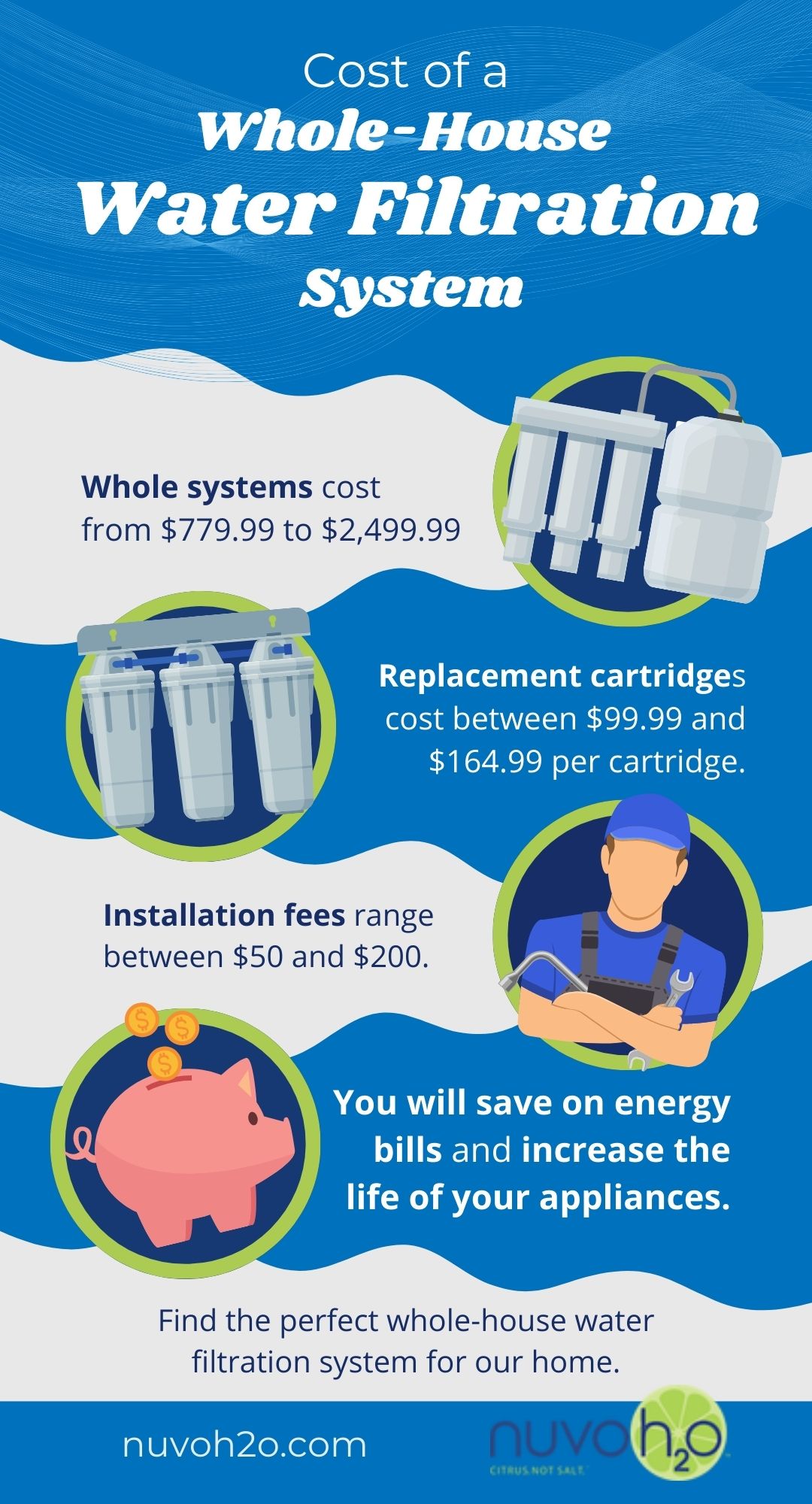
Premium water filters range from $400 to over $1,000. These include whole-house systems and advanced reverse osmosis units. They offer the best filtration performance. Remove most contaminants, including heavy metals and chemicals. Require professional installation and regular maintenance. Best for those who want the highest water quality and durability.
Installation And Maintenance Costs
Understanding installation and maintenance costs helps plan your water filter budget well. These costs vary by filter type and complexity. Installation can be simple or require expert help. Maintaining filters regularly keeps water clean and equipment lasting longer. Let’s explore these costs in detail.
Diy Vs Professional Installation
Installing a water filter yourself saves money. Many filters come with clear instructions. Basic tools like wrenches and screwdrivers are usually enough. Complex systems may need plumbing work, which is harder. Professional installation costs can range from $100 to $300. Hiring an expert ensures proper setup and avoids leaks. Choose DIY for simple filters and professional help for advanced systems.
Filter Replacement Expenses
Filters need regular replacement to work well. Replacement frequency depends on water quality and filter type. Most filters require new cartridges every 3 to 6 months. Costs for replacement cartridges vary from $20 to $100 each. Some filters use multiple cartridges, increasing expenses. Buying in bulk or subscribing to replacement plans can reduce costs. Check the filter’s lifespan to plan budget ahead.
Maintenance Tips To Save Money
Regular cleaning extends filter life and saves money. Flush filters monthly to remove trapped particles. Avoid harsh chemicals that damage filter parts. Inspect seals and connections often for leaks or cracks. Use only recommended replacement parts to keep warranty valid. Keep the area around the filter clean and dry. These simple steps reduce repair needs and improve water quality.

Factors Affecting Filter Prices
Water filter prices vary due to several important factors. These elements influence the cost and help you choose the right filter for your needs. Understanding these factors makes buying easier and smarter.
Filter Capacity And Lifespan
Filter capacity means how much water a filter can clean before it needs replacement. Larger capacity filters usually cost more upfront. They last longer and need fewer replacements. Lifespan affects price because longer-lasting filters save money over time. Choosing a filter with good capacity and lifespan balances cost and convenience.
Brand And Certification
Popular brands often charge more because of their reputation. Certified filters meet safety and quality standards. Certification ensures the filter removes harmful substances effectively. Certified filters may cost more but provide peace of mind. Trustworthy brands and certifications protect your health and wallet.
Water Quality And Usage
Water quality affects filter price too. More polluted water needs advanced filters, which cost more. If water is clean, a simple filter may work well and cost less. High water usage requires filters that handle large volumes. More frequent use can increase maintenance costs. Understand your water and usage to pick the best filter price.
Long-term Savings With Water Filters
Choosing a water filter is more than a one-time cost. It can save money over many years. Clean water from a filter helps reduce several expenses. These savings come from less buying bottled water, fewer plumbing problems, and better health.
Reducing Bottled Water Costs
Bottled water costs add up fast. Many people buy bottles daily. Using a water filter cuts this expense. Filtered water tastes good and is safe. You get clean water right from the tap. No need to spend on plastic bottles anymore.
Lowering Plumbing Repairs
Hard water and sediments harm pipes over time. Water filters remove these particles. This protects your plumbing system. Less buildup means fewer clogs and leaks. Plumbing repairs and replacements happen less often. Saving money on these fixes adds up.
Health Benefits And Medical Savings
Drinking clean water helps keep you healthy. Filters remove harmful chemicals and bacteria. This lowers the chance of illness. Fewer health problems mean fewer doctor visits. Less spending on medicine and treatment follows. Good water supports your well-being and your wallet.
Choosing The Best Filter For Your Budget
Choosing the best water filter for your budget requires careful thought. The right filter should meet your water needs without overspending. Balancing quality and cost helps you get clean water affordably. Understanding what matters most in a filter saves money and ensures safety.
Assessing Water Needs
Start by knowing your water quality. Check if your water has contaminants like chlorine, lead, or bacteria. Some filters remove only certain impurities. Decide how much water you use daily. Larger families need bigger or multiple filters. Think about your water source: tap, well, or river. Each source may need a different filter type.
Comparing Features And Costs
Look at filter types: pitcher, faucet, under-sink, or whole-house. Each has different prices and functions. Pitcher filters cost less but filter less water. Whole-house filters are expensive but cover all water. Consider filter lifespan and replacement cost. Some filters need frequent cartridge changes. Choose a model that fits your budget for both purchase and upkeep.
Evaluating Warranty And Support
Check the warranty length and what it covers. A longer warranty shows confidence in the product. Good customer support helps solve problems quickly. Find brands with clear return policies. Reliable support can save money on repairs or replacements. This ensures your filter works well for years.
Frequently Asked Questions
How Much Does A Basic Water Filter Cost?
Basic water filters typically cost between $20 and $50. These are usually pitcher or faucet-mounted models. They offer essential filtration for improving taste and removing common contaminants. Prices vary by brand and filter capacity.
What Is The Price Range For Whole House Water Filters?
Whole house water filters range from $400 to $3,000. The cost depends on system capacity, filtration technology, and installation complexity. Higher-end models provide advanced purification and longer filter life.
Are Replacement Filters Expensive For Water Filtration Systems?
Replacement filters generally cost between $15 and $100. Costs vary based on the filter type and brand. Regular replacement ensures effective filtration and clean water quality. Budgeting for filter changes is essential.
Do Water Filter Costs Include Installation Fees?
Installation fees are usually not included in the filter price. Professional installation can add $100 to $500, depending on system complexity. DIY installation may reduce costs but requires technical skills.
Conclusion
Choosing a water filter depends on your budget and needs. Prices vary from affordable pitchers to costly whole-house systems. Think about how much clean water you want daily. Remember, a good filter improves water taste and safety. Regular filter changes keep water fresh and healthy.
Spend wisely to get the best value and clean water. Clean water matters for health and peace of mind. Take your time to pick the right filter for you.

Hasan Al Sarker is a Reverse Osmosis Specialist. He has worked for many years to ensure safe drinking water for all. His research paper has been published in several journals, including Issue, Medium, and Slideshare. He is recognized as a water doctor among specialists though he did not attend medical college.
Besides working as a researcher of reverse osmosis technology, he is also very fancy with the kitchen and cooking. His guides are reading thousands of people every day. As a head of content, he is responsible for all the published articles at RO System Reviews.