
Are you considering an ion exchange system but wondering how much it will cost you? Understanding the price is key before making any decisions.
You want a clear idea of what to expect—no surprises. This article breaks down the costs involved, so you can plan your budget with confidence. By the end, you’ll know exactly what factors affect the price and how to get the best value for your money.
Keep reading to uncover everything you need to make a smart, informed choice for your home or business.
Factors Influencing Ion Exchange System Costs
Several factors affect the cost of an ion exchange system. Understanding these helps in choosing the right system for your needs. Each factor adds to the total price in different ways.
System Size And Capacity
Larger systems cost more due to higher material use. Capacity depends on water volume and treatment needs. A bigger capacity means more resin and bigger tanks.
Type Of Ion Exchange Resin
Different resins have different prices. Some remove specific contaminants better, affecting cost. High-quality resins last longer but may cost more upfront.
Installation Requirements
Complex installations increase labor and material costs. Location and plumbing setup can add to expenses. Simple setups cost less and are quicker to install.
Maintenance And Operating Expenses
Regular resin replacement adds to long-term costs. Electricity and water use affect operating bills. Some systems need more frequent upkeep than others.
Credit: www.softprowatersystems.com
Cost Breakdown Of Ion Exchange Systems
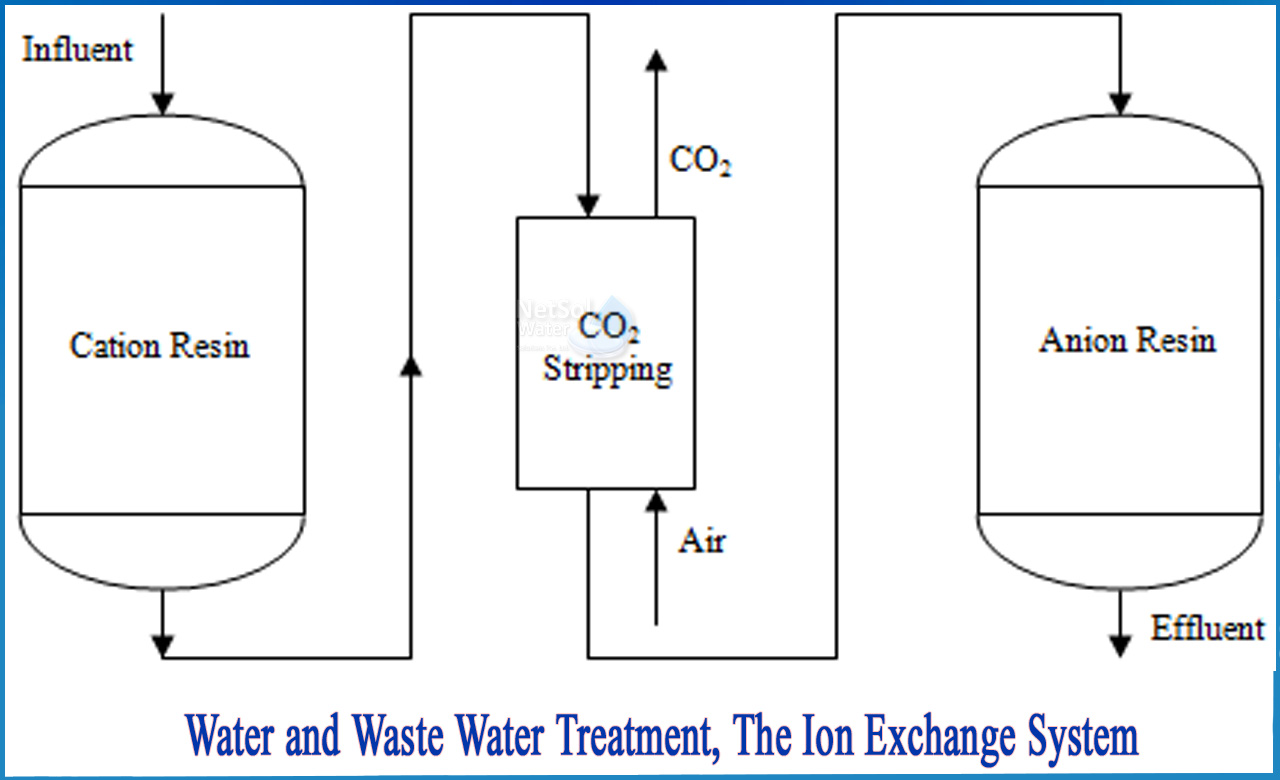
Understanding the cost of an ion exchange system requires looking at several key parts. These include the price of the equipment, installation costs, the price of replacement resin, and the ongoing energy and water expenses. Breaking down these costs helps in planning your budget clearly.
Initial Equipment Price
The cost of the ion exchange system itself varies by size and type. Smaller units can be affordable, while larger, more complex systems cost more. Basic models start around a few hundred dollars. Advanced systems with extra features may reach thousands.
Installation And Setup Fees
Installing the system needs skilled labor. Professional installation can add to the total cost. Charges depend on system complexity and local labor rates. Some setups require plumbing or electrical work. These factors increase installation fees.
Replacement Resin Costs
The resin inside the system needs regular replacement. Resin prices depend on quality and quantity needed. Resin usually lasts several months to a few years. Budget for resin to maintain system performance.
Energy And Water Usage
Ion exchange systems use water and some electricity to operate. The cost depends on system size and usage frequency. Efficient models reduce energy and water bills. Keep this in mind when estimating ongoing expenses.
Comparing Ion Exchange With Alternative Water Treatment Options
Choosing the right water treatment system depends on several factors. Cost, maintenance, and effectiveness all play important roles. Ion exchange systems are one option, but other methods exist. Comparing these helps you find the best fit for your needs.
Reverse Osmosis Systems
Reverse osmosis (RO) systems use a membrane to filter water. They remove many impurities, including salts and chemicals. RO units cost more upfront than ion exchange systems. They need regular filter changes and use more water. RO is good for very pure water but wastes some water in the process.
Activated Carbon Filters
Activated carbon filters remove chlorine, bad taste, and odors. They are less expensive than ion exchange systems. These filters do not remove hard minerals or salts. Replacement cartridges are needed often. Carbon filters work well for improving taste but not for softening water.
Distillation Units
Distillation boils water and collects the steam. It removes most impurities and minerals. Distillation units cost more and use a lot of energy. They produce very pure water but slowly. These units need regular cleaning to avoid buildup. Distillation is best for very clean water but not for large volumes.
Credit: www.softprowatersystems.com
Ways To Save On Ion Exchange System Costs
Saving money on an ion exchange system is possible with smart choices. Understanding how to reduce costs helps you get the best value. Small changes in selection and care can make a big difference.
Choosing The Right System Size
Pick a system size that fits your needs exactly. Too large means extra cost and wasted resources. Too small leads to frequent replacements and higher expenses. Measure your water usage carefully before buying. This ensures you pay only for what you need.
Regular Maintenance Tips
Keep your system clean and well-maintained to avoid costly repairs. Check filters and resin regularly for buildup or damage. Follow the manufacturer’s maintenance schedule to extend system life. Simple tasks like flushing the system save money over time.
Bulk Resin Purchase Benefits
Buying resin in bulk lowers the price per unit. It reduces shipping costs and packaging waste. Having extra resin on hand means you replace it quickly. This avoids downtime and keeps your water clean without extra fees.
Average Price Ranges For Residential And Commercial Systems
Understanding the cost of ion exchange systems helps plan your budget. Prices vary by size and use. Residential systems usually cost less than commercial ones. Commercial systems have a wider price range due to different needs. Knowing the average price helps you compare options easily.
Home Use Systems
Home ion exchange systems typically cost between $300 and $1,200. Smaller units suit single-family homes. These systems remove minerals like calcium and magnesium. Installation fees may add $200 to $500. Regular maintenance costs around $100 yearly.
Small Business Solutions
Small businesses pay from $1,000 to $5,000 for ion exchange systems. These units handle moderate water use. They protect equipment and improve water quality. Installation and setup can cost extra. Maintenance depends on system size and usage.
Industrial Scale Systems
Industrial ion exchange systems range from $10,000 to $100,000 or more. They process large water volumes daily. Industries like manufacturing and food use these systems. Costs include design, installation, and ongoing service. Larger systems require specialized technicians for upkeep.
Credit: www.netsolwater.com
Frequently Asked Questions
What Factors Influence The Cost Of An Ion Exchange System?
The cost varies based on system size, resin type, and installation complexity. Larger systems and specialized resins increase expenses. Additional features like automation or pre-treatment also add to the price. Location and labor rates impact installation costs.
How Much Does A Residential Ion Exchange System Cost?
Residential ion exchange systems typically range from $500 to $3,000. Prices depend on capacity and resin quality. Installation fees may add $200 to $1,000. Maintenance and resin replacement costs are extra considerations for homeowners.
Are Commercial Ion Exchange Systems More Expensive?
Yes, commercial systems cost significantly more due to larger capacity needs. Prices range from $5,000 to over $50,000. Custom designs and advanced control features increase costs. Ongoing maintenance and operational expenses also affect total investment.
What Are The Maintenance Costs For Ion Exchange Systems?
Maintenance includes resin replacement, which costs $200 to $500 every few years. Regular system checks and cleaning incur minor expenses. Proper upkeep extends system life and ensures optimal performance, reducing long-term costs.
Conclusion
Choosing the right ion exchange system depends on your budget and needs. Prices vary based on size, brand, and features. Remember to factor in installation and maintenance costs too. A good system improves water quality and protects your appliances. Think about long-term savings from fewer repairs and better water.
Investing in a quality system can be smart for your home. Take your time to compare options and find what fits best. Clean, soft water is worth the cost.

Hasan Al Sarker is a Reverse Osmosis Specialist. He has worked for many years to ensure safe drinking water for all. His research paper has been published in several journals, including Issue, Medium, and Slideshare. He is recognized as a water doctor among specialists though he did not attend medical college.
Besides working as a researcher of reverse osmosis technology, he is also very fancy with the kitchen and cooking. His guides are reading thousands of people every day. As a head of content, he is responsible for all the published articles at RO System Reviews.