How often should you test your water quality? It’s a question that matters more than you might think.
Clean water is essential for your health, your family, and even your home’s plumbing. But without regular testing, you could be drinking water that hides harmful contaminants. Imagine the peace of mind you’ll gain by knowing exactly what’s in your water—and how simple it can be to keep it safe.
Keep reading to discover the best testing schedule for your water and how to protect what matters most to you.
Credit: www.consumernotice.org
Importance Of Regular Water Testing
Regular water testing helps keep your water clean and safe. It finds hidden problems before they get worse. Testing your water often saves money and protects health. Understanding why it matters can help you decide how often to test.
Health Risks From Contaminated Water
Dirty water can carry germs and chemicals. These cause stomach pain, diarrhea, and other illnesses. Children and old people get sick more easily. Testing water shows if it is safe to drink. Early detection helps avoid serious health problems.
Protecting Household Plumbing And Appliances
Hard or dirty water harms pipes and machines. It causes clogs and rust in plumbing. Water heaters and washing machines break down faster. Testing water quality helps stop damage. Clean water keeps your home running smoothly.
Ensuring Compliance With Safety Standards
Water must meet rules set by health authorities. These rules keep water safe for drinking and use. Regular testing proves your water meets these standards. It helps avoid fines and legal troubles. Testing also shows if treatment systems work well.
Factors Influencing Testing Frequency
Testing water quality regularly is important for health and safety. The frequency of testing depends on several factors. These factors help decide how often water should be tested to ensure it remains safe to use.
Understanding these factors helps protect your family and property from water issues. Testing too often wastes time and money. Testing too little risks unnoticed contamination.
Source Of Water Supply
The source of your water greatly affects testing frequency. Well water needs more frequent testing than city water. This is because well water is exposed to natural elements and possible contamination.
City water is treated and monitored regularly by providers. Testing city water less often is usually safe. However, testing after changes or problems is wise.
Local Environmental Conditions
Environmental factors around your home impact water quality. Areas near farms or factories may have more pollution risks. Flooding or heavy rain can introduce contaminants into water sources.
Living in places with old mining or industrial history also raises concerns. Testing water more often in these locations helps catch issues early.
Age And Condition Of Plumbing
Old or damaged pipes affect water quality inside your home. Pipes made from lead or other harmful materials pose health risks. Corroded pipes can release metals and pollutants into water.
Homes with newer plumbing usually have safer water. Testing water regularly in older homes helps spot problems caused by plumbing wear.
Recommended Testing Intervals
Testing water quality is important to keep your water safe and clean. Different water sources need different testing schedules. Knowing how often to test helps catch problems early. It also protects your health and home.
Municipal Water Systems
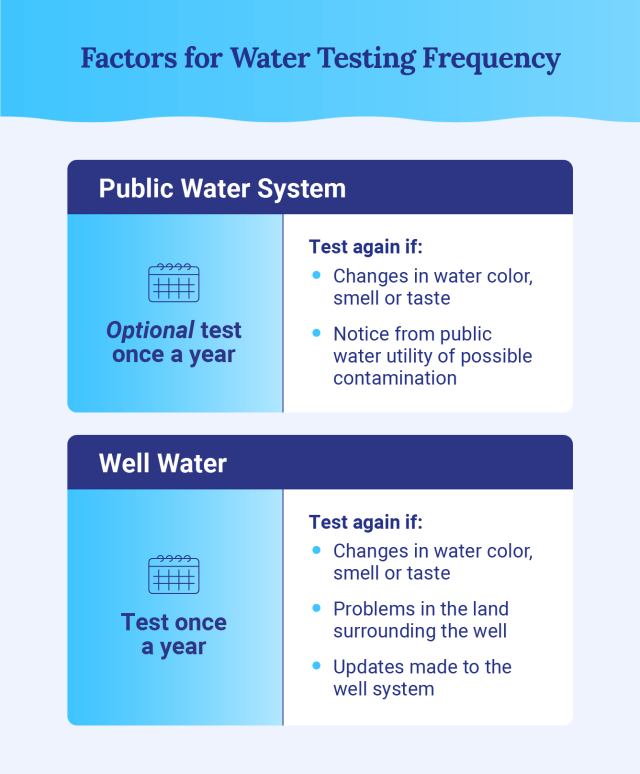
Municipal water usually undergoes regular testing by local authorities. Most cities test water quality every day or week. Homeowners should still test their water once a year. Annual tests check for contaminants that might enter pipes. Testing more often is wise if you notice changes in taste or smell.
Private Wells
Private wells need more frequent testing than city water. Test well water at least twice a year. Check for bacteria, nitrates, and other harmful substances. Test again after heavy rain or flooding. Regular testing ensures your well water stays safe to drink.
Water Filters And Treatment Systems
Water filters and treatment systems require regular testing to work well. Test water quality every three to six months. This checks if filters remove contaminants effectively. Replace filters as recommended to keep water clean. Testing helps avoid health risks from poor filtration.

Credit: lonestarwaterservice.com
Key Parameters To Test
Testing water quality means checking for different things in the water. These things can affect health and safety. It is important to know which parts of water to test. This helps find problems early and fix them fast.
Microbiological Contaminants
Microbiological contaminants include bacteria, viruses, and parasites. These tiny organisms can cause illness. Testing for E. coli and coliform bacteria is common. Their presence shows possible harmful germs in water. Regular testing helps keep water safe to drink.
Chemical Pollutants
Chemical pollutants come from factories, farms, and pipes. Examples are lead, pesticides, and nitrates. Some chemicals can cause long-term health problems. Testing water for these chemicals protects families and communities. Knowing the chemical levels helps decide if water needs treatment.
Physical Characteristics
Physical characteristics include color, taste, and smell. Cloudy or smelly water can mean pollution. Testing measures turbidity and other physical traits. These tests show if water looks and feels clean. They also help spot changes in water quality over time.
Testing Methods And Tools
Testing water quality helps ensure water is safe and clean. Different methods and tools exist for testing water. Each option fits different needs, budgets, and skill levels. Knowing these methods helps choose the right one for your water testing routine.
Professional Lab Testing
Professional lab testing offers detailed and accurate results. You collect a water sample and send it to a lab. Experts analyze the sample for many contaminants. Labs test for bacteria, chemicals, metals, and other pollutants.
This method suits people who want thorough reports. It helps identify hidden problems not visible in simple tests. Labs use advanced tools and follow strict standards. Results take a few days to come back.
Home Testing Kits
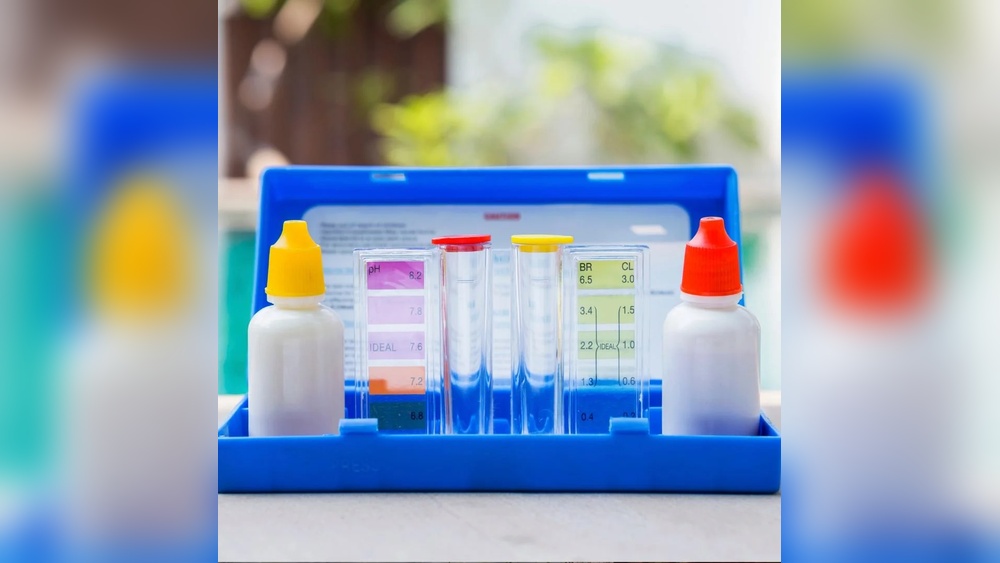
Home testing kits provide quick and easy water checks. They include test strips or small devices. Users dip strips in water and watch for color changes. Kits test for chlorine, pH, hardness, and some bacteria.
These kits cost less and are simple to use. They give instant results but are less precise than labs. Home kits are good for regular checks or basic concerns. They help spot obvious water quality issues fast.
Digital Monitoring Devices
Digital monitors offer real-time water quality data. These devices measure pH, temperature, turbidity, and other factors continuously. Some connect to smartphones or computers for easy tracking.
They suit people wanting constant water information. Digital devices require initial investment but save time later. They alert users to sudden water quality changes. Perfect for homes, wells, or small businesses.
Credit: hallswater.com
Responding To Test Results
Testing your water quality is only the first step. Responding to the results is just as important. How you handle the findings can protect your health and your home. Knowing what the results mean and what to do next helps you keep your water safe.
Interpreting Common Findings
Water tests often check for bacteria, chemicals, and minerals. Some levels may be normal, while others need action. For example, high bacteria means water may cause illness. Elevated lead levels are harmful, especially for children. Clear results show your water is safe to use. Understanding the numbers helps you decide what steps to take.
When To Retest
Retesting is important after treatment or changes. If you fix a problem, test again to confirm success. Water quality can change over time or seasons. Test regularly if you live near farms or factories. A yearly test is a good rule for most homes. Retest sooner if you notice strange taste, smell, or color.
Seeking Professional Help
Some problems need expert advice. Contact a water specialist if tests show dangerous chemicals. Professionals can suggest the right filters or treatments. They may also inspect your plumbing for issues. Getting help ensures your water stays safe long term. Do not ignore serious or unclear test results.
Maintaining Water Quality Over Time
Maintaining water quality over time requires regular care and attention. Clean water helps protect your health and keeps your home safe. Testing water often is important, but it is not the only step. Proper maintenance and staying aware of changes in your water source play key roles. Simple actions can keep your water clear and safe for daily use.
Routine Maintenance Practices
Check your water filters regularly. Replace them as the manufacturer suggests. Clean pipes and faucets to avoid buildup. Flush your water system occasionally to remove sediments. Keep your water storage tanks covered and clean. These habits prevent contamination and keep water fresh.
Upgrading Treatment Systems
Old water treatment systems may lose their effectiveness. Consider upgrading filters or adding new equipment. Modern systems can remove more pollutants and improve taste. Regularly inspect your system for signs of wear or damage. Upgrading keeps your water treatment up to date and reliable.
Staying Informed About Local Water Issues
Local water quality can change due to weather or pollution. Follow news about your area’s water supply. Contact local water authorities for updates or warnings. Knowing about risks helps you act quickly. Staying informed protects your water and your family’s health.
Frequently Asked Questions
How Often Should I Test My Home’s Water Quality?
Test your home’s water quality at least once a year. More frequent testing is needed if you notice changes in taste, odor, or appearance. Regular testing helps detect contaminants early, ensuring safe and clean water for your family.
When Is The Best Time To Test Well Water?
Test well water annually, preferably in the spring or after heavy rains. These times increase the risk of contamination. Regular testing ensures your well water remains safe and free from harmful bacteria and chemicals.
What Water Quality Tests Are Essential For Households?
Essential tests include bacteria, nitrates, lead, pH, and hardness. These tests identify common contaminants affecting health and plumbing. Regularly testing these parameters ensures your water is safe and maintains its quality.
How Does Water Usage Affect Testing Frequency?
Higher water usage may require more frequent testing. Increased use can introduce contaminants or strain water systems. Adjust testing schedules based on water consumption and any noticeable changes in water quality.
Conclusion
Testing water quality regularly keeps your water safe and clean. Check your water at least once every six months. More frequent tests help catch problems early. Clean water protects your health and your home. Simple tests give peace of mind and prevent risks.
Stay aware of changes in taste, smell, or color. Good habits make water testing easy and routine. Keep your family safe with regular water checks. Don’t wait for problems—test water often and stay secure.

Hasan Al Sarker is a Reverse Osmosis Specialist. He has worked for many years to ensure safe drinking water for all. His research paper has been published in several journals, including Issue, Medium, and Slideshare. He is recognized as a water doctor among specialists though he did not attend medical college.
Besides working as a researcher of reverse osmosis technology, he is also very fancy with the kitchen and cooking. His guides are reading thousands of people every day. As a head of content, he is responsible for all the published articles at RO System Reviews.