Have you ever wondered how often to change your water filter? You might think it’s okay to wait until the water tastes off or looks cloudy, but that could be a big mistake.
Your water filter plays a crucial role in keeping your drinking water clean and safe. If it’s not replaced on time, contaminants can build up and slip through, affecting your health and the taste of your water. You’ll discover the simple signs to watch for, how often you really should change your filter, and easy tips to keep your water fresh and pure every day.
Keep reading—you’ll be surprised at how much better your water can be with just a little attention.

Signs You Need To Change Your Water Filter
Water filters keep your drinking water clean and safe. Over time, filters get full of dirt and germs. This lowers their ability to clean water well. Knowing when to change your filter helps keep water fresh and healthy.
Some signs show your filter needs a change. Watch for these clues to avoid problems with your water.
Reduced Water Flow
Water flows slower than usual from your faucet. The filter may be clogged with dirt and particles. This slows water and means the filter cannot work properly. A slow flow is a clear sign to replace the filter soon.
Unpleasant Taste Or Odor
Water tastes strange or smells bad. Old filters can no longer remove bad smells or tastes. If water does not taste fresh, the filter is past its best. Changing the filter improves water flavor and smell.
Visible Contaminants
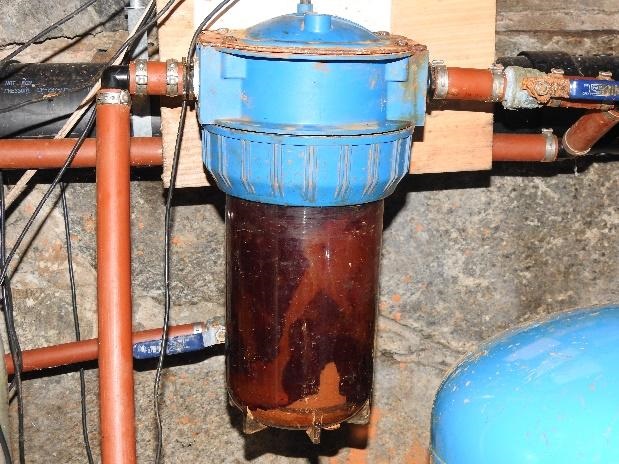
You see dirt or particles in your water. This means the filter is not trapping impurities anymore. Clean water should look clear and pure. Visible bits in water mean it is time to change the filter.
Manufacturer’s Recommended Timeline
Each filter has a suggested time for changing. This is based on tests and usage. Check the filter packaging or manual for guidance. Following the timeline keeps your water safe and clean.
Factors Influencing Filter Lifespan
Water filters do not last forever. Their lifespan depends on many factors. Knowing these can help you change filters at the right time. It keeps water clean and safe.
Several elements affect how long a water filter works well. Some are about the water itself. Others relate to the filter type and how much water you use daily. Understanding these helps maintain good water quality.
Water Quality And Contaminants
Water quality varies by location. Some water has more dirt, chemicals, or minerals. These can clog a filter faster. The more contaminants in water, the shorter the filter life. Regular testing of water helps know its condition.
Filter Type And Technology
Different filters use different methods. Some use carbon, others use reverse osmosis or UV light. Each technology lasts for a different time. Some filters trap more particles, others remove bacteria. Know your filter’s type to estimate its lifespan.
Household Water Usage
The amount of water used affects filter life. Large families or heavy water use wear filters quickly. Small households or less water use mean longer filter life. Track your daily water use to plan filter changes well.
Common Water Filter Types And Replacement Intervals
Water filters come in different types, each with its own function and lifespan. Knowing how often to change these filters helps keep your water clean and safe. Filter replacement depends on the type and usage. Here are common water filter types and their usual replacement intervals.
Carbon Filters
Carbon filters remove chlorine, bad taste, and odors from water. They work by trapping impurities in the carbon material. These filters usually need changing every 3 to 6 months. Heavy water use or poor water quality can shorten this time. Changing on time keeps water fresh and prevents bacteria growth.
Reverse Osmosis Filters
Reverse osmosis (RO) filters remove many contaminants by pushing water through a special membrane. RO systems often include several filters. Pre-filters should change every 6 to 12 months. The RO membrane itself lasts 2 to 3 years. Changing filters regularly ensures good water flow and clean water.
Ceramic Filters
Ceramic filters remove dirt, sediments, and some bacteria using a porous ceramic material. They last longer than carbon filters but need cleaning often. Replace ceramic filters every 6 to 12 months or when damaged. Proper maintenance extends their life and keeps water safe.
Uv Filters
UV filters use ultraviolet light to kill bacteria and viruses. They do not remove particles but disinfect water. The UV lamp needs replacement about once a year. The quartz sleeve around the lamp should be cleaned regularly. Timely replacement keeps the UV system effective and water safe.
Steps To Replace Your Water Filter
Changing your water filter regularly keeps your water clean and healthy. Follow these simple steps to replace your water filter easily. Each step is important for the filter to work well.
Preparing For Replacement
Turn off the water supply before you start. Have a towel or bucket ready for spills. Check the new filter to make sure it fits your system. Read the instructions on the filter packaging carefully.
Removing The Old Filter
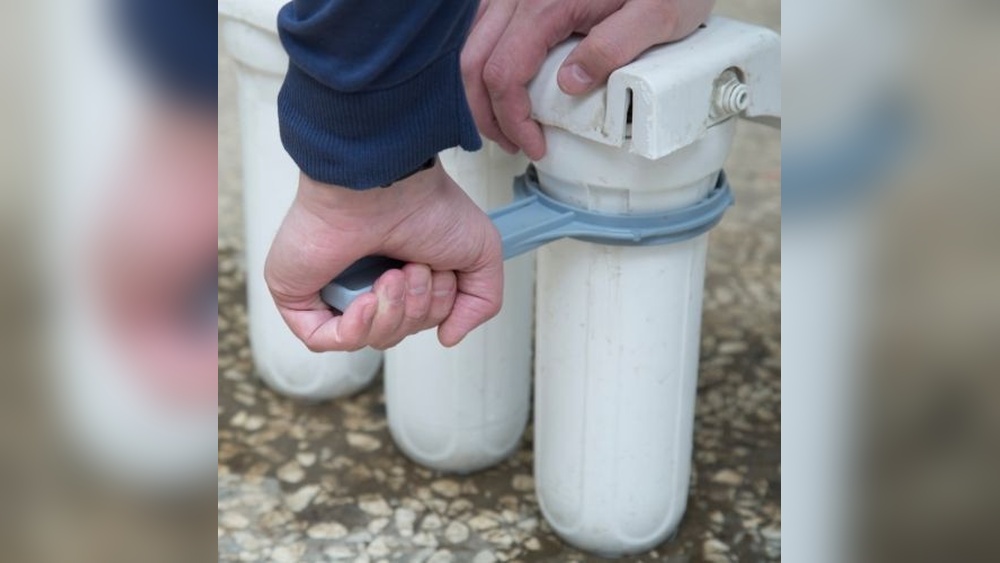
Open the filter housing by twisting or unclipping it. Pull out the old filter slowly to avoid water spills. Dispose of the old filter according to local rules. Clean the inside of the housing if needed.
Installing The New Filter
Unwrap the new filter and remove any protective covers. Place the filter into the housing in the right direction. Make sure the filter fits snugly without forcing it. Close the housing tightly to avoid leaks.
Flushing The System
Turn the water supply back on slowly. Run water through the new filter for a few minutes. This removes air and loose particles from the filter. Check for leaks and tighten if necessary. Your water filter is ready to use.
Maintaining Your Water Filter System
Maintaining your water filter system is key to clean, safe water at home. Regular care helps the system work well longer. It also keeps your water tasting fresh and free from harmful particles.
Simple steps like cleaning and checking the filter can save money. They prevent issues that come from dirty or clogged filters. A well-kept system gives peace of mind every day.
Regular Cleaning Tips
Clean the filter housing every month. Use warm water and mild soap. Rinse thoroughly to remove soap residue. Avoid harsh chemicals that can damage parts. Wipe the outside to remove dust and dirt. This keeps the system running smoothly.
Monitoring Filter Performance
Watch for changes in water taste or flow. A drop in water pressure may mean the filter is clogged. Cloudy or bad-smelling water signals the need to check the system. Many filters have indicators to show when replacement is near.
Scheduling Future Replacements
Mark the date when you install a new filter. Most filters last 3 to 6 months. Check the manufacturer’s instructions for exact timing. Set reminders on your phone or calendar. Timely replacements keep water safe and clean.
Health Benefits Of Timely Filter Changes
Changing your water filter on time brings many health benefits. Clean water helps keep your body safe and healthy. Old filters can let dirt and germs pass through. Regular changes stop this problem.
Fresh filters improve water quality for drinking and cooking. They also protect your home and appliances from damage. Simple steps can make a big difference in daily life.
Improved Water Taste And Safety
New filters remove bad smells and tastes from water. They block chlorine and other chemicals that harm flavor. Clean water feels fresher and tastes better. Safe water lowers the risk of illness.
Prevention Of Bacterial Growth
Old filters can become a home for bacteria. These germs can multiply and spread in water. Changing filters stops bacteria from growing. This keeps water clean and safe to use.
Protecting Household Appliances
Dirty water can cause damage to machines like coffee makers. It can clog pipes and reduce appliance life. Clean filters help water flow smoothly. This saves money on repairs and replacements.
Frequently Asked Questions
How Often Should I Replace My Water Filter?
Water filters typically need replacement every 3 to 6 months. This depends on water usage and filter type. Regular changes ensure clean, safe drinking water and optimal filter performance.
What Signs Indicate It’s Time To Change Water Filter?
Reduced water flow, bad taste, or foul odor signal a filter change. Cloudy or discolored water is also a warning. Replace filters promptly to maintain water quality.
Can I Extend Water Filter Life Beyond Recommended Time?
Extending filter life is not advised. Overused filters lose effectiveness and may harbor bacteria. Follow manufacturer guidelines for safe and clean water.
Does Water Quality Affect Filter Replacement Frequency?
Yes, poor water quality clogs filters faster. Hard water or high contaminants require more frequent changes. Monitor water condition for timely filter replacement.
Conclusion
Changing your water filter regularly keeps your water clean and safe. Most filters need a change every 3 to 6 months. Signs like bad taste or slow water flow mean it’s time to replace. Regular changes help protect your health and appliances.
Always check the filter’s instructions for exact timing. Clean water is important for your family’s well-being. Don’t wait for problems—stay ahead by changing filters on time. Simple steps bring fresh, pure water to your home every day.

Hasan Al Sarker is a Reverse Osmosis Specialist. He has worked for many years to ensure safe drinking water for all. His research paper has been published in several journals, including Issue, Medium, and Slideshare. He is recognized as a water doctor among specialists though he did not attend medical college.
Besides working as a researcher of reverse osmosis technology, he is also very fancy with the kitchen and cooking. His guides are reading thousands of people every day. As a head of content, he is responsible for all the published articles at RO System Reviews.