Are you sure your whole house water filter is working its best? Knowing how often to change your filter can save you from costly repairs and keep your water clean and safe.
If you don’t replace it at the right time, you could be letting harmful particles slip through or wasting money on a filter that’s still good. You’ll discover the simple signs to watch for, the ideal schedule to follow, and tips to make the process easy.
Keep reading to protect your home and enjoy fresh, pure water every day.

Signs To Replace Your Water Filter
Knowing the signs to replace your whole house water filter helps keep water clean. A filter that is old or clogged stops working well. This can affect your water quality and home appliances. Watch for clear signals to change your filter soon. This keeps water safe and fresh for your family.
Changes In Water Taste And Smell
Water that tastes strange or smells bad can mean the filter is worn out. Filters remove bad tastes and odors from water. When the filter gets old, these problems return. Drinking water may taste metallic, musty, or just off. Notice any new or strong smells in your water.
Reduced Water Pressure
A drop in water pressure signals a clogged filter. As filters trap dirt and particles, they can block water flow. You may feel weaker water from taps and showers. This happens because the filter is full and needs changing. Check pressure regularly to avoid damage to pipes and appliances.
Visible Sediment And Discoloration
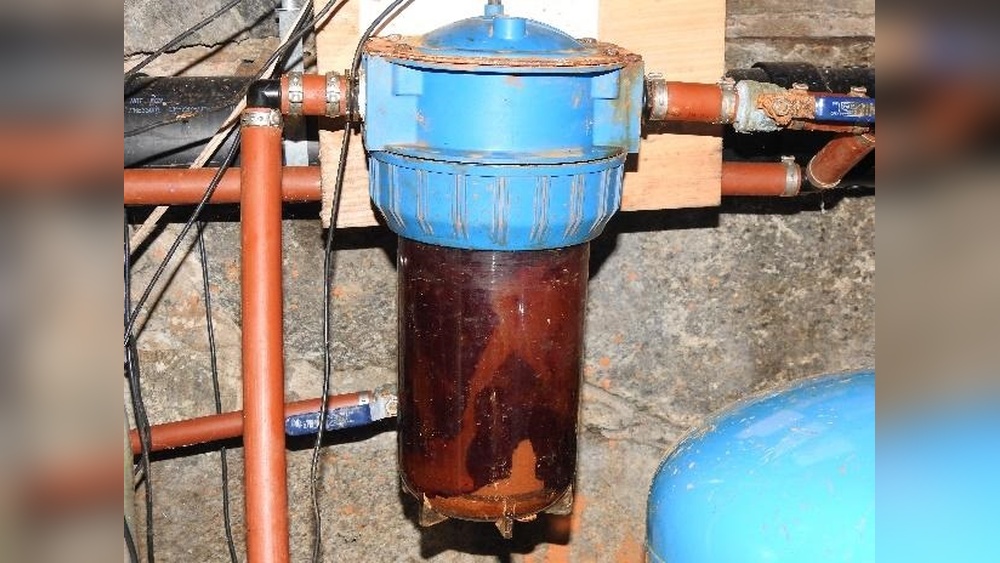
See dirt or discoloration in water? This means the filter is not cleaning well. Sediment or particles in water come from old filters. Water may look cloudy, yellow, or brown. These signs show the filter is failing to stop impurities. Replace your filter to restore clear, clean water.

Factors Affecting Filter Lifespan
The lifespan of a whole house water filter depends on several key factors. These influence how long the filter can clean your water effectively. Understanding these factors helps you know when to change your filter. It also saves money and keeps water quality high.
Water Quality And Contaminants
Water with many impurities wears out filters faster. Dirt, sediment, and chemicals clog the filter quickly. Hard water with minerals can also reduce filter life. Testing your water helps decide filter replacement frequency. Cleaner water means the filter lasts longer.
Household Water Usage
The more water your household uses, the faster the filter fills up. Large families or high water use drains the filter quickly. Small homes with less water use can stretch filter life. Track your water use to estimate filter changes better.
Type Of Water Filter
Different filters have different lifespans. Carbon filters might last 3 to 6 months. Ceramic or reverse osmosis filters often last longer. Some filters handle more water or contaminants than others. Choose a filter that fits your water needs and budget.
Recommended Replacement Intervals
Changing your whole house water filter regularly keeps water clean and safe. Filters catch dirt, chemicals, and bad tastes. Over time, filters get full and stop working well. Following the right replacement schedule helps your system work its best. Different filter types need changing at different times. Below are common filter types and their recommended replacement intervals.
Standard Whole House Filters
Standard filters usually last about 3 to 6 months. This depends on your water quality and use. Check the filter every month. Replace it when water flow drops or water looks cloudy. Changing on time avoids damage to your pipes and appliances.
Carbon Filters
Carbon filters remove chlorine and bad smells. They usually need changing every 6 months. If water tastes or smells strange, change the filter sooner. Carbon filters can clog faster in hard water areas. Keep track of their condition to keep water fresh.
Sediment Filters
Sediment filters catch dirt and sand. They often need changing every 3 months. More often if you have well water or dirty water. A clogged sediment filter reduces water flow. Replace it regularly to protect other filters and your system.
Reverse Osmosis Systems
Reverse osmosis systems use several filters. Sediment and carbon filters usually change every 6 to 12 months. The RO membrane lasts 2 to 3 years. Test your water to know when to change each part. Proper maintenance keeps water pure and safe to drink.
Consequences Of Delayed Filter Changes
Delaying the change of your whole house water filter can lead to several problems. The filter clogs over time, reducing its ability to clean water properly. This affects water quality and can cause bigger issues in your home.
Reduced Filtration Efficiency
A dirty filter cannot remove impurities well. Particles, dirt, and chemicals pass through more easily. Water may look cloudy or taste bad. This means your family is not getting clean water as expected.
Potential Health Risks
Stale water trapped in an old filter can grow bacteria. Drinking or using this water can cause illnesses. People with weak immune systems face higher risks. Clean filters help keep water safe to use.
Damage To Plumbing And Appliances
Clogged filters reduce water flow and increase pressure. Pipes and appliances like water heaters or dishwashers may suffer damage. Repairs can be costly and inconvenient. Regular filter changes protect your home’s plumbing system.
Steps To Change Your Whole House Water Filter
Changing your whole house water filter keeps your water clean and safe. Follow simple steps to replace the filter correctly. Doing it right improves water flow and quality.
Gathering Necessary Tools
Prepare tools before starting. You will need a new filter, a filter wrench, a bucket, and towels. Have gloves ready to keep hands clean. Collecting tools first saves time.
Shutting Off Water Supply
Turn off the main water valve to stop water flow. Open a faucet nearby to release pressure. This step prevents leaks and spills during the change.
Removing And Replacing The Filter
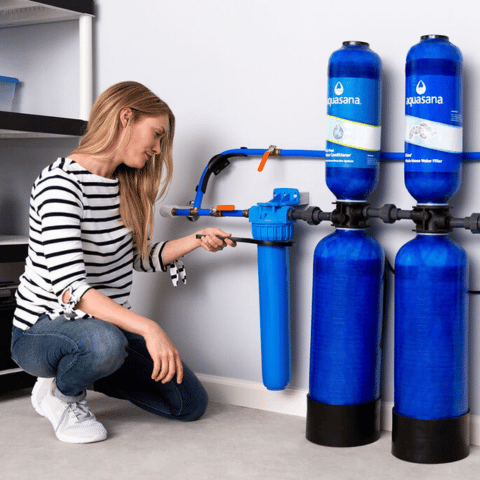
Use the filter wrench to unscrew the filter housing. Remove the old filter carefully to avoid mess. Insert the new filter into the housing. Screw the housing back tightly by hand.
Flushing The System
Turn the water supply back on slowly. Open several faucets to flush air and debris. Let water run for a few minutes. Check for leaks around the filter housing.
Tips To Extend Filter Life
Extending the life of your whole house water filter saves money and keeps water clean longer. Simple steps help your filter work well over time. These tips focus on protecting the filter and keeping it efficient.
Pre-filtration Options
Using a pre-filter helps catch large dirt and particles. This stops the main filter from clogging fast. Sediment filters or mesh screens work well before the main filter. They reduce the load and make the main filter last longer.
Regular Maintenance
Check your filter system often. Clean or replace parts as needed. Follow the manufacturer’s advice for maintenance. A clean filter performs better and lasts longer. Avoid waiting until water flow slows down or tastes change.
Monitoring Water Quality
Keep an eye on your water quality. Test water regularly for clarity and taste. Changes can mean the filter needs attention. Good water quality means your filter is still working well. Monitoring helps you know the right time to change it.
Choosing The Right Replacement Filter
Choosing the right replacement filter is key to keeping your whole house water filter working well. A good filter fits your system and cleans water properly. Picking the wrong filter can reduce water quality and damage your system.
Matching Filter Specifications
Each water filter has specific size and capacity needs. Check the model number on your current filter. Match the micron rating to remove the same particles. Use filters that fit your system’s flow rate. This keeps water clean and the system safe.
Certified Brands And Quality
Choose filters certified by trusted organizations. Certifications like NSF or WQA ensure filter safety and performance. Certified filters remove harmful contaminants as promised. Avoid cheap, uncertified filters that may fail quickly. Quality filters last longer and protect your family’s health.
Cost Vs. Performance
Low-cost filters may save money upfront. But they often need changing more often. High-quality filters cost more but perform better and last longer. Balance your budget with filter lifespan and cleaning power. A good filter saves money over time by working well.
Frequently Asked Questions
How Often Should I Replace My Whole House Water Filter?
Replace your whole house water filter every 3 to 6 months. Usage and water quality affect this timeline. Regular changes maintain water purity and system efficiency.
What Signs Indicate It’s Time To Change The Filter?
Look for reduced water flow, bad taste, or odor. Cloudy water or visible sediment also suggests a filter change. These signs mean the filter is clogged or ineffective.
Can I Change The Whole House Filter Myself?
Yes, you can change the filter yourself with basic tools. Turn off water supply, remove the old filter, and install the new one. Follow manufacturer instructions for best results.
Does Water Quality Affect Filter Replacement Frequency?
Yes, poor water quality shortens filter life. High sediment or contaminants clog filters faster. Test your water regularly and adjust replacement schedules accordingly.
Conclusion
Changing your whole house water filter regularly keeps water clean and safe. Most filters need replacing every 3 to 6 months. Check the filter’s instructions for exact timing. Watch for changes in water taste, smell, or flow. These signs mean it’s time to change the filter.
Clean water protects your family’s health and your home’s pipes. Stay consistent to avoid problems and enjoy fresh water daily. Small effort, big benefits. Keep your filter fresh and your water pure.

Hasan Al Sarker is a Reverse Osmosis Specialist. He has worked for many years to ensure safe drinking water for all. His research paper has been published in several journals, including Issue, Medium, and Slideshare. He is recognized as a water doctor among specialists though he did not attend medical college.
Besides working as a researcher of reverse osmosis technology, he is also very fancy with the kitchen and cooking. His guides are reading thousands of people every day. As a head of content, he is responsible for all the published articles at RO System Reviews.