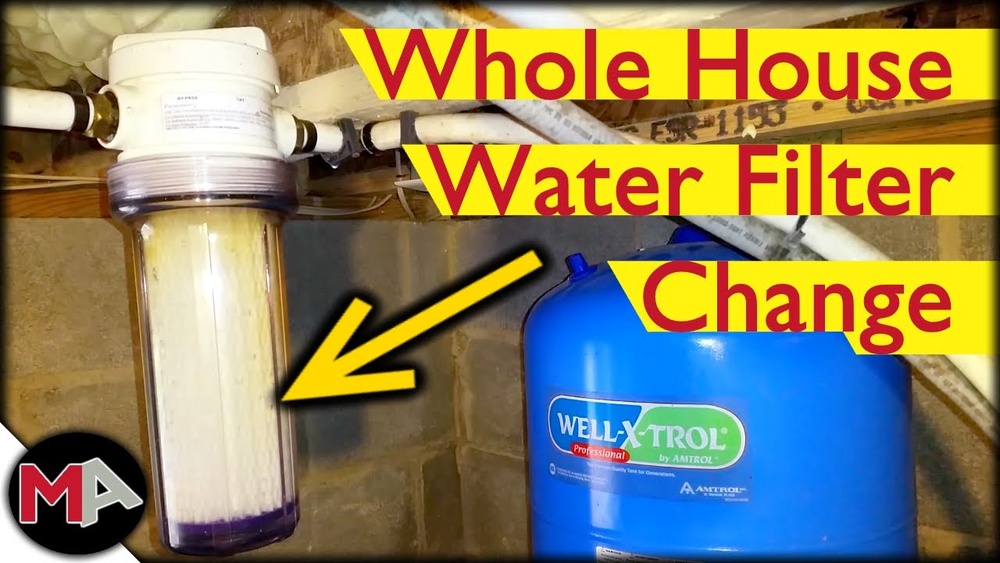
Are you noticing a strange taste or odor in your tap water? It might be time to change your home water filter.
Keeping your water filter fresh is essential for clean, healthy water every day. But if you’re unsure how to do it, don’t worry—this guide will walk you through each simple step. By the end, you’ll feel confident in maintaining your water filter, ensuring your family always drinks pure water.
Let’s get started and make your water safer now!

Signs To Replace Your Water Filter
Knowing when to replace your home water filter is key to clean, safe water. Filters trap dirt, chemicals, and other particles. Over time, they fill up and lose effectiveness. This can harm water quality and taste. Watch for clear signs your filter needs changing.
Reduced Water Flow
Slow water flow is a common sign of a clogged filter. As debris builds up, water struggles to pass through. You might notice weaker water pressure at taps or appliances. This means the filter is blocked and needs replacement to restore flow.
Unusual Taste Or Odor
Changes in water taste or smell signal a worn filter. Water may taste metallic, bitter, or strange. Sometimes it smells like chlorine or mold. These unpleasant changes mean the filter no longer removes contaminants well. Replace it to improve water quality.
Filter Lifespan Indicators
Many filters have a recommended lifespan or indicator. This can be a date, time frame, or usage volume. Check the manufacturer’s instructions for your filter model. Follow these guidelines to change the filter before performance drops. Staying ahead keeps your water fresh and clean.
Choosing The Right Filter
Choosing the right water filter is key to clean and safe water at home. The right filter removes harmful substances effectively. It also fits your home system perfectly. This section guides you through selecting a filter that meets your needs.
Types Of Home Water Filters
There are several types of water filters for home use. Carbon filters remove chlorine and bad taste. Reverse osmosis filters clean many contaminants. Sediment filters catch dirt and rust. Each type targets different impurities. Knowing these helps in picking the best one.
Matching Filter To Your System
Filters must fit your water system size and style. Some fit under the sink, others attach to taps. Check the filter size and connection type. Also, confirm water pressure limits. Proper match avoids leaks and poor water flow. Always read your system’s manual before buying.
Tools And Materials Needed
Changing a home water filter is a simple task. Having the right tools and materials makes the job easier. Prepare everything before you start. This saves time and avoids mistakes.
Basic Tools
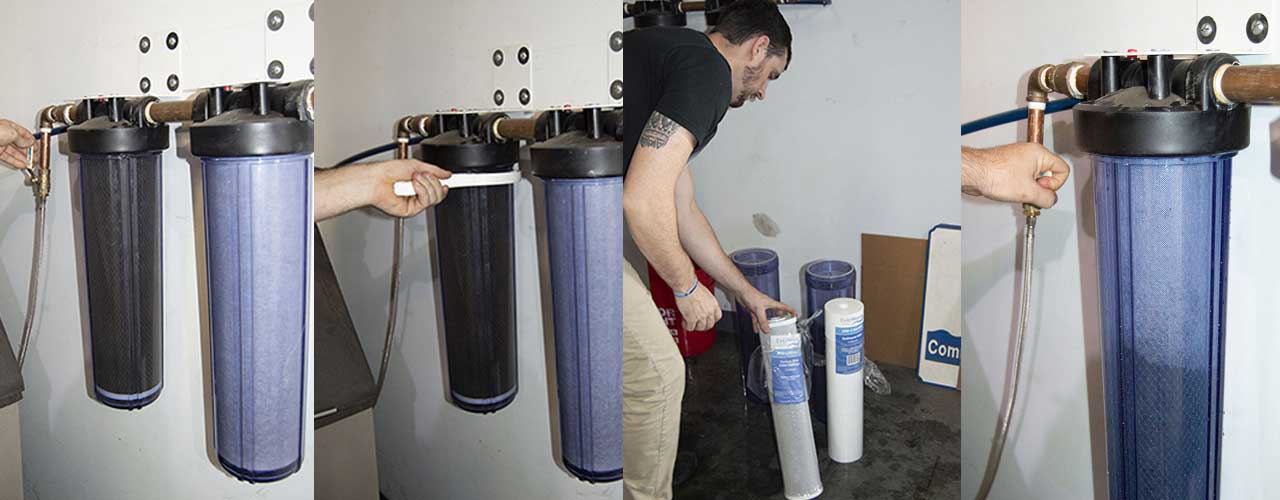
You need a few basic tools. A filter wrench helps remove the old filter. A bucket catches water spills. A clean cloth wipes any drips. These tools keep your work neat and safe.
Replacement Filter
Use the correct replacement filter. Check your water system’s model number. Buy a filter that matches it exactly. This ensures clean water and proper fit.
Protective Gloves
Wear gloves to keep hands clean. Gloves protect from dirt and bacteria. Use disposable or reusable gloves. They also give a better grip on the filter.
Teflon Tape
Teflon tape seals the filter threads. It prevents leaks after installation. Wrap the tape around the threads tightly. This helps keep your water system leak-free.
Step-by-step Filter Replacement
Changing your home water filter is simple and helps keep water clean. Follow these clear steps to replace the filter safely and quickly. Each step ensures your water system works well and stays fresh.
Shutting Off Water Supply
Start by turning off the main water supply. This stops water flow and prevents spills. Look for the valve near your filter or main pipe. Turn it clockwise until it stops.
Removing The Old Filter
Next, remove the old filter cartridge. Twist or pull it out carefully. Use a cloth for a better grip if it is tight. Dispose of the old filter properly.
Installing The New Filter
Take the new filter out of its packaging. Align it with the filter housing. Push or twist it in place firmly. Make sure it fits snugly to avoid leaks.
Flushing The System
Turn the water supply back on slowly. Let water run through the new filter for a few minutes. This clears out air and loose particles. Check for leaks and fix if needed.
Maintaining Your Water Filter
Keeping your home water filter in good shape is key to clean water. Regular care helps your filter work well. It stops bad tastes and smells in your water. A well-maintained filter keeps your water safe and fresh.
Regular Cleaning Tips
Clean the filter housing every month. Use a soft cloth and mild soap. Avoid harsh chemicals that can damage parts. Rinse well before putting the filter back. Check for cracks or leaks while cleaning. Clean parts help stop blockages and keep water flowing.
Scheduling Timely Replacements
Replace the filter cartridge as the maker says. Most filters last three to six months. Write down the date of each change. Set reminders on your phone or calendar. Timely changes keep your water pure. Old filters can let dirt and germs through.
Troubleshooting Common Issues
Troubleshooting common issues during a home water filter change helps keep your water clean and safe. Some problems might appear even after a correct filter replacement. Knowing how to fix these issues saves time and effort. Here are two frequent problems and easy ways to solve them.
Leaks And Drips
Leaks and drips often happen after changing the filter. Check if the filter is tightened properly. A loose filter causes water to escape. Remove the filter and screw it back firmly.
Inspect the O-ring or gasket inside the filter housing. If it is damaged or missing, water will leak. Replace the O-ring with a new one to stop leaks. Clean the sealing area to remove dirt or debris. This ensures a tight fit and no drips.
Poor Water Quality After Change
Sometimes water tastes or smells bad after changing the filter. This can occur if the new filter is not flushed correctly. Run water through the filter for a few minutes to clear out any loose carbon or debris.
Check that the filter is the correct type for your system. Using the wrong filter may not clean water properly. Also, verify the filter’s expiration date. An expired filter cannot remove impurities effectively. Replace it with a fresh, compatible filter for better water quality.

Frequently Asked Questions
How Often Should I Change My Home Water Filter?
You should change your home water filter every 3 to 6 months. Frequency depends on water quality and usage. Regular changes ensure clean, safe water and prevent filter clogging.
What Tools Do I Need To Change A Water Filter?
Typically, you need a filter wrench, a bucket, and gloves. Some filters require no tools. Always check the manufacturer’s instructions before starting the replacement.
How Do I Know When The Water Filter Needs Changing?
Signs include reduced water flow, bad taste, or odor. Some filters have indicator lights or color changes. Regular checks help maintain water quality and filter efficiency.
Can I Change The Water Filter Myself Safely?
Yes, changing the filter is usually simple and safe. Turn off water supply and follow instructions carefully. If unsure, consult a professional for assistance.
Conclusion
Changing your home water filter keeps your water clean and safe. It takes only a few steps and little time. Regular changes help your filter work well and last longer. Clean water supports your health every day. Remember to check your filter’s instructions for the best results.
Simple care makes a big difference. Stay consistent and enjoy fresh water at home.

Hasan Al Sarker is a Reverse Osmosis Specialist. He has worked for many years to ensure safe drinking water for all. His research paper has been published in several journals, including Issue, Medium, and Slideshare. He is recognized as a water doctor among specialists though he did not attend medical college.
Besides working as a researcher of reverse osmosis technology, he is also very fancy with the kitchen and cooking. His guides are reading thousands of people every day. As a head of content, he is responsible for all the published articles at RO System Reviews.