Are you sure the water you drink every day is safe and clean? Knowing how to check water quality in your area is more important than you might think.
Contaminated water can affect your health, your family’s well-being, and even your home appliances. But don’t worry—this guide will show you simple, effective ways to find out exactly what’s in your water. By the end, you’ll feel confident making smart choices to protect yourself and your loved ones.
Keep reading to discover easy steps you can take right now to ensure your water is safe.
Signs Of Poor Water Quality
Knowing the signs of poor water quality helps protect your health. Water problems often show clear clues. Spotting these signs early can prevent bigger issues.
Some signs are easy to see, taste, or smell. Others affect your health in subtle ways. Learning these signs helps you act fast.
Visual Indicators
Cloudy or murky water is a common sign of contamination. Look for unusual colors like yellow, brown, or green. Particles floating or settled at the bottom also warn of poor water quality. Rust stains on sinks or tubs may mean old pipes or metal in the water. Bubbles or oily films on the surface suggest pollution.
Taste And Odor Changes
Water should taste clean and fresh. Bitter, metallic, or salty tastes show possible problems. A strong chlorine smell can mean too much disinfectant. Earthy or musty odors often come from algae or bacteria. Strange tastes and smells mean water needs testing before use.
Health Symptoms
Unexplained stomach pain or diarrhea may link to bad water. Skin rashes or irritation can occur after contact. Persistent headaches or tiredness might also relate to water quality. Children and elderly people are more at risk. Watch for any new health changes after drinking or using water.

Credit: waterfilterguru.com
Local Water Quality Reports
Local water quality reports provide detailed information about the safety and cleanliness of your area’s water supply. These reports help you understand what is in your water. They show the levels of different substances and whether they meet health standards.
Checking these reports helps you stay informed about your water. It also lets you take action if any problems appear. Water providers release these reports every year. They include test results for many common contaminants.
Accessing Annual Water Reports
Water suppliers publish annual water quality reports. These are often called Consumer Confidence Reports (CCRs). You can find them on your water provider’s website. Some providers mail the reports to homes each year.
Visit your city or county water department website. Use your ZIP code to find the correct report. Many websites also have a search bar for quick access. Local libraries or government offices may have printed copies.
Interpreting Test Results
Test results show the levels of chemicals and bacteria in water. Each report lists substances tested, such as lead, chlorine, and nitrate. It also shows the allowed limits set by health agencies.
Numbers below the limits mean your water is safe. Numbers above the limits suggest a problem. The report explains what each substance means for your health. Look for notes about any violations or concerns.
Home Water Testing Methods
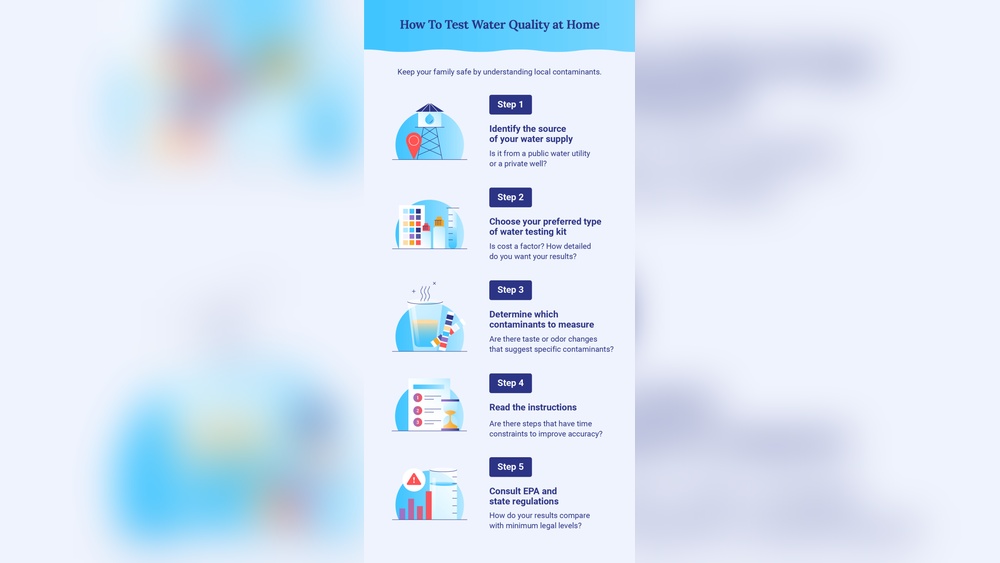
Testing water quality at home is simple and fast. It helps you know what is in your water. You can find problems early and keep your water safe. Home water testing uses easy tools and clear steps.
These methods do not need experts. You can do tests yourself with kits. Collecting samples is quick and clean. Reading results is clear with guides. This way, you control your water safety.
Using Test Kits
Home test kits check for many things. They test bacteria, chemicals, and minerals. Kits come with strips or drops that change color. Follow the instructions carefully for correct results. Test kits are affordable and widely available.
Collecting Water Samples
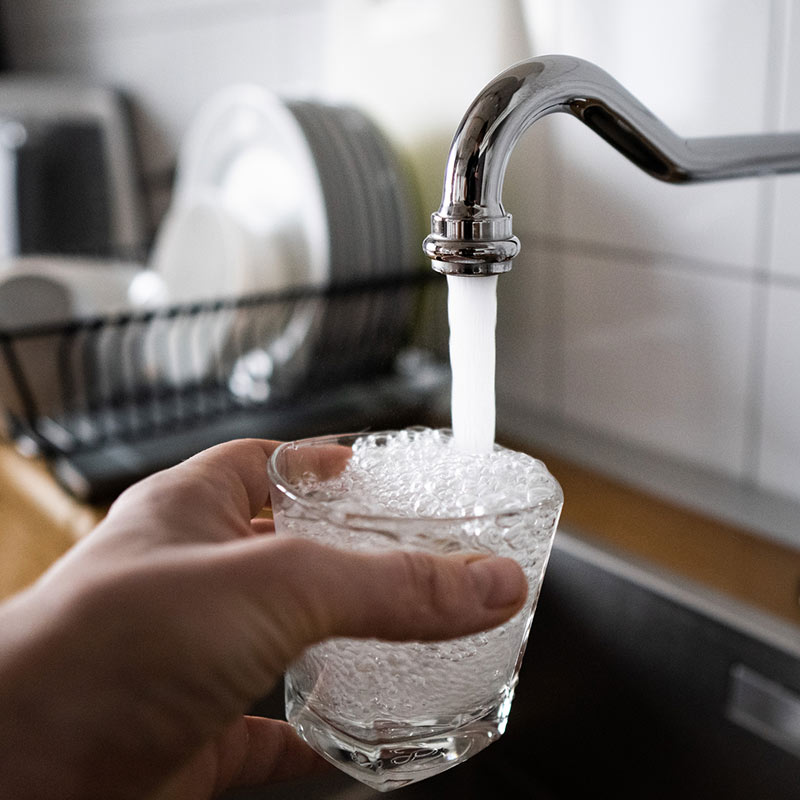
Use a clean container to collect water. Run the tap for a few minutes first. Fill the container without touching inside with your hands. Seal the container tightly to avoid contamination. Label the sample with date and location.
Reading Test Results
Test kits include a color chart for easy reading. Match the test strip or water color to the chart. Note the values shown for each test. Compare results to safe water standards. Repeat tests for accuracy and better understanding.
Credit: www.consumernotice.org
Professional Water Testing
Professional water testing is a reliable way to check the quality of your water. Experts use advanced tools and methods to find contaminants. This testing provides accurate results you can trust. It helps identify hidden problems that simple home kits might miss.
When To Hire Experts
Hire experts if your water looks cloudy or smells strange. Testing is important after flooding or pipe repairs. Use professionals if someone in your home feels sick. Regular testing is smart for private wells. Experts know how to collect samples without contamination.
Types Of Laboratory Tests
Laboratories test for bacteria, chemicals, and heavy metals. Common tests include checking for lead, arsenic, and nitrates. They also test pH levels and hardness. Some labs test for pesticides and industrial pollutants. Results show which substances exceed safe limits. Testing covers many health and safety concerns.
Common Water Contaminants
Water quality depends on what is in the water. Common contaminants can harm health and taste. Knowing these helps you understand water safety. Contaminants fall into three main groups. Each group affects water differently.
Chemical Pollutants
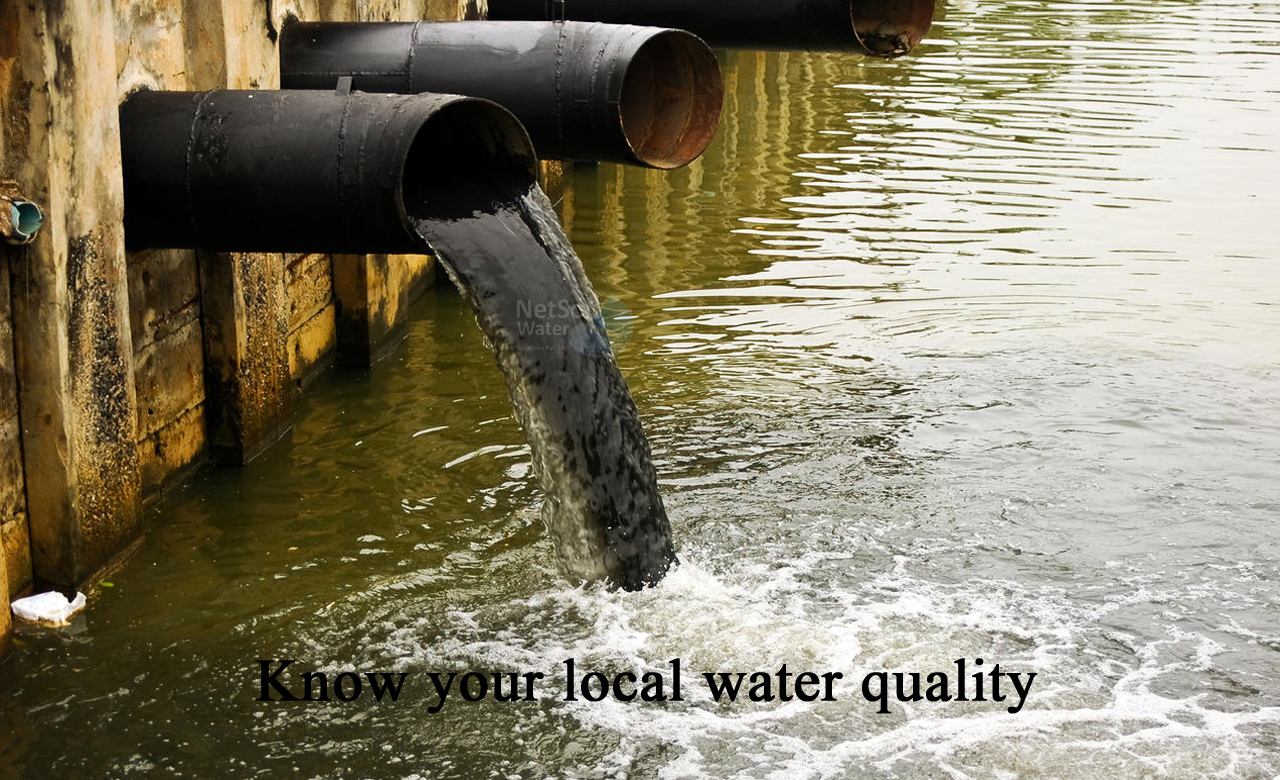
Chemical pollutants come from factories, farms, and homes. Chemicals like pesticides, lead, and mercury can enter water. They may cause illness if consumed over time. These pollutants often have no color or smell. Testing is the only way to detect them.
Microbial Contaminants
Microbial contaminants include bacteria, viruses, and parasites. These tiny organisms cause diseases like diarrhea and stomach pain. They usually come from sewage or animal waste. Boiling water can kill most microbes. Water testing helps find these dangerous germs.
Physical Impurities
Physical impurities are particles like dirt, sand, and rust. They make water look cloudy or dirty. These particles do not always cause illness. But they can carry other pollutants. Filters can remove most physical impurities easily.
Improving Water Safety
Improving water safety is essential for healthy living. Clean water protects against many illnesses. Knowing how to make your water safer helps your family stay well. Simple steps can improve water quality at home. Small efforts lead to big health benefits.
Home Filtration Options
Home water filters remove dirt, chemicals, and germs. Many types exist, such as carbon filters and reverse osmosis. Choose a filter based on your water test results. Filters need regular replacement to work well. Check labels to find certified and reliable filters.
Boiling And Disinfection
Boiling water kills bacteria, viruses, and parasites. Boil water for at least one minute to make it safe. This method works during emergencies or when filters are unavailable. Disinfection tablets or drops can also treat water. Follow instructions carefully for best results.
Routine Maintenance
Keep water sources clean and protected. Check pipes and storage tanks for leaks or damage. Clean water filters and replace parts as needed. Test water regularly to catch problems early. Good maintenance helps keep your water safe every day.
Credit: www.netsolwater.com
Frequently Asked Questions
How Can I Test Water Quality At Home?
You can use DIY water testing kits available online or in stores. These kits check pH, hardness, chlorine, and contaminants. Follow kit instructions carefully for accurate results. Home testing is a quick way to monitor your water quality regularly.
Where To Find Local Water Quality Reports?
Local water utilities publish annual water quality reports. Visit your water supplier’s website or contact them directly. These reports provide detailed information on contaminants, safety, and treatment processes in your area.
What Are Common Water Contaminants To Watch For?
Common contaminants include lead, bacteria, pesticides, nitrates, and chlorine. Each can affect health and taste. Knowing which are prevalent locally helps you choose the right testing method and treatment.
How Often Should I Check My Water Quality?
It’s recommended to test water quality at least once a year. Test more frequently if you notice changes in taste, smell, or appearance. Regular checks ensure your water remains safe and clean.
Conclusion
Checking water quality helps keep your family safe and healthy. Simple tests and local reports show if water is clean. Knowing what to look for makes the process easier. Regular checks protect against harmful chemicals and germs. Take small steps today for better water tomorrow.
Stay informed, stay safe. Water matters to everyone.

Hasan Al Sarker is a Reverse Osmosis Specialist. He has worked for many years to ensure safe drinking water for all. His research paper has been published in several journals, including Issue, Medium, and Slideshare. He is recognized as a water doctor among specialists though he did not attend medical college.
Besides working as a researcher of reverse osmosis technology, he is also very fancy with the kitchen and cooking. His guides are reading thousands of people every day. As a head of content, he is responsible for all the published articles at RO System Reviews.