
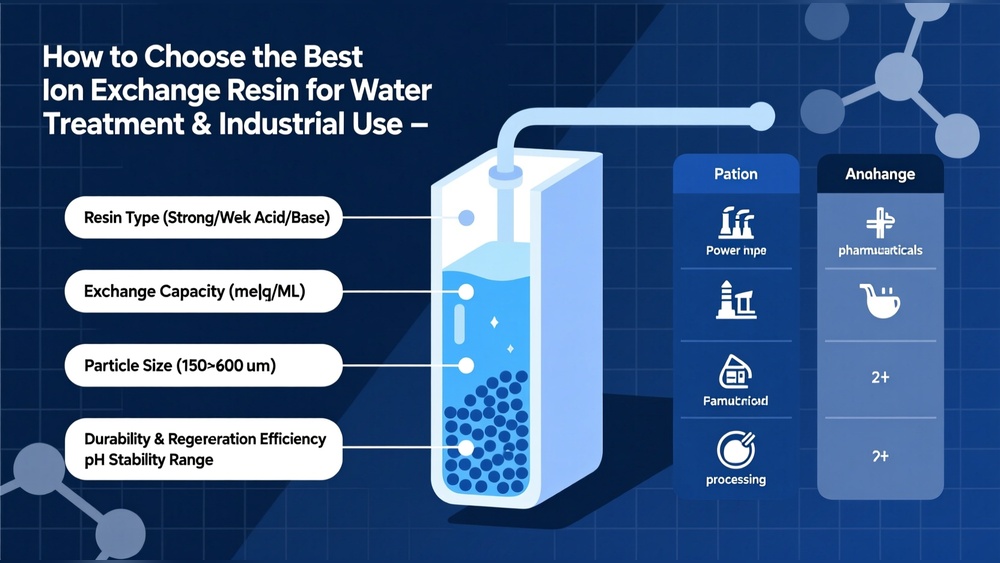
Choosing the right ion exchange resin can feel overwhelming, especially with so many options available. But getting it right is crucial for your water treatment, chemical processing, or purification needs.
This guide will help you understand exactly what to look for, so you can make a confident choice that saves you time and money. Keep reading to discover the key factors that will make your decision clear and straightforward. Your perfect ion exchange resin is closer than you think.
.jpg)
Credit: www.purolite.com
Types Of Ion Exchange Resins
Ion exchange resins come in different types. Each type serves a special role in water treatment and purification. Understanding these types helps in choosing the right resin for your needs.
Cation Resins
Cation resins remove positive ions from water. These ions include calcium, magnesium, and iron. The resin swaps these ions with sodium or hydrogen ions. This process softens water and reduces scale build-up. Cation resins are common in water softeners.
Anion Resins
Anion resins remove negative ions from water. These ions include chloride, sulfate, and nitrate. The resin exchanges these ions with hydroxide ions. Anion resins help remove harmful substances and improve water taste. They are often used in water purification systems.
Mixed Bed Resins
Mixed bed resins combine both cation and anion resins. They provide a higher level of water purification. These resins remove both positive and negative ions. Mixed bed resins are used in applications needing very pure water. They are common in labs and industrial processes.
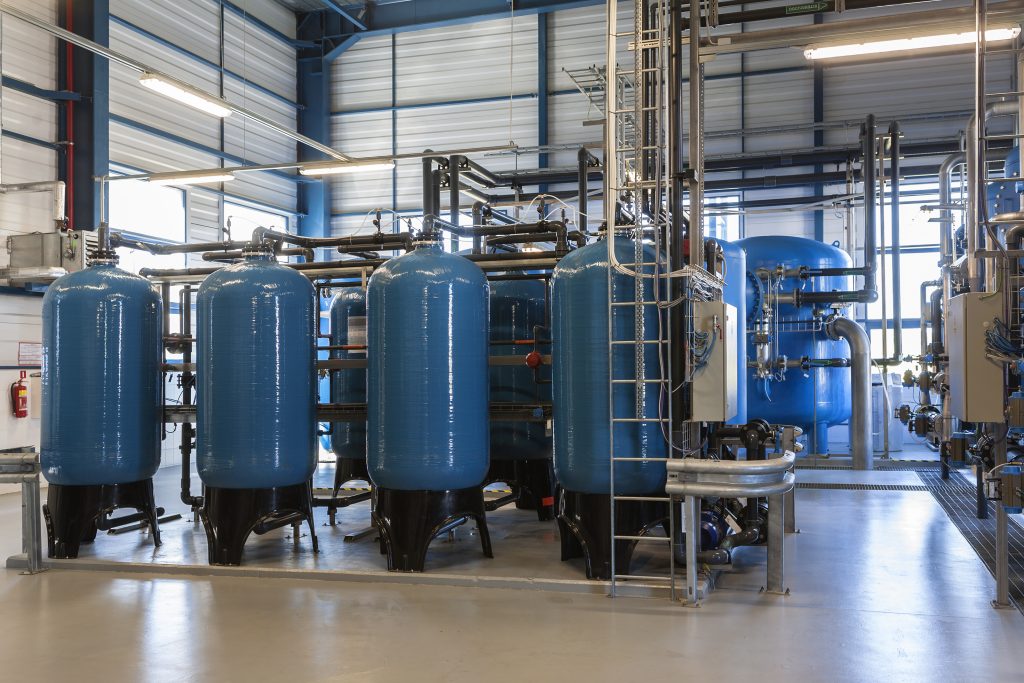
Credit: samcotech.com
Key Properties To Consider
Choosing the right ion exchange resin means understanding its key properties. These properties affect how well the resin works for your needs. Focus on capacity, particle size, shape, and chemical stability to pick the best resin. Each factor plays a role in performance and durability.
Capacity And Exchange Rate
Capacity shows how many ions the resin can hold. Higher capacity means the resin can treat more water before it needs replacing. Exchange rate is how fast ions swap during the process. A faster rate improves efficiency and saves time. Choose resin with the right balance for your application.
Particle Size And Shape
Particle size affects flow rate and pressure drop. Smaller particles give better contact but may slow water flow. Larger particles allow faster flow but less surface area. Shape also matters. Uniform, spherical particles create consistent flow and reduce clogging. Pick size and shape based on your system’s design.
Chemical Stability
Chemical stability means the resin stays strong under different conditions. It must resist acids, bases, and heat during use. Stable resin lasts longer and keeps working well. Check the resin’s tolerance to your water’s chemistry. This ensures safety and durability over time.
Matching Resin To Water Quality
Choosing the right ion exchange resin depends heavily on the quality of your water. The resin must suit the specific minerals and chemicals present. This match ensures effective treatment and longer resin life. Understanding your water’s makeup is the first step. It helps pick the best resin type for your needs.
Analyzing Water Composition
Start by testing your water for hardness, pH, and contaminants. Hard water has high calcium and magnesium levels. Other common elements include iron, manganese, and chloride. Testing kits or professional labs can provide accurate results. Knowing exact levels guides the resin selection. It prevents choosing a resin that won’t work well.
Selecting Resin Based On Contaminants
Different resins target different substances. Softening resins exchange calcium and magnesium for sodium or potassium. Acidic resins remove unwanted anions like nitrate or sulfate. Specialty resins handle heavy metals or organic compounds. Match the resin type to the contaminants in your water. This ensures efficient removal and better water quality.
Application-specific Resin Selection
Selecting the right ion exchange resin depends on its intended use. Different applications need different types of resins. Choosing the correct resin improves performance and saves costs.
Each application has unique requirements. These affect the choice of resin type, capacity, and durability. Understanding these factors helps in making a smart choice.
Industrial Use
Industrial processes often demand high-capacity resins. These resins must handle large volumes and harsh conditions. Strong acid cation and strong base anion resins are common choices. They remove hardness, metals, and impurities effectively. Resins must resist chemicals, heat, and pressure in industrial settings.
Drinking Water Treatment
Water treatment resins focus on safety and purity. They remove contaminants like lead, nitrates, and chlorine. Food-grade resins ensure no harmful substances leach into water. Softening resins reduce hardness and improve taste. Resins should comply with health and safety standards.
Laboratory Applications
Laboratory resins require high purity and precision. They often work in small-scale, controlled environments. Mixed bed resins provide ultra-pure water for experiments. Resins must have consistent quality and low extractables. Accuracy in ion removal is crucial for lab results.
Maintenance And Longevity
Proper maintenance is key to keeping ion exchange resin effective for a long time. Resin that is well cared for lasts longer and performs better. Understanding how to maintain and extend the life of resin helps save money and effort.
Regeneration Process
Regeneration restores resin’s ability to remove unwanted ions. This process uses chemicals to flush out trapped ions. Follow the recommended steps and timing for regeneration. Avoid skipping or rushing the process to keep resin healthy. Proper regeneration prevents resin from becoming weak or clogged.
Handling Fouling And Contamination
Fouling happens when particles block resin pores. Contamination occurs from unwanted chemicals or bacteria. Regular cleaning removes these harmful substances. Use proper filters to reduce dirt before resin contact. Check resin condition often to spot fouling early. Quick action stops damage and keeps resin working well.
Cost Factors And Budgeting
Choosing the right ion exchange resin requires a clear understanding of cost factors. Budgeting properly helps avoid surprises and keeps your project on track. Costs vary based on resin type, quality, and system size. Evaluating both initial and ongoing expenses is crucial for smart decision-making.
Initial Investment
The initial investment includes the price of the resin and equipment. High-quality resins often cost more but last longer. Resin quantity depends on the water volume and system design. Equipment such as tanks, valves, and control units add to the initial cost. Installation fees and labor charges also affect the total upfront expense. Planning for these costs helps set realistic budgets.
Operational Costs
Operational costs cover resin regeneration and maintenance. Chemicals like salt or acid are needed for resin cleaning. Energy consumption for pumps and controls adds to monthly expenses. Resin replacement costs must be considered over time. Proper maintenance reduces unexpected repair bills. Monitoring these costs ensures efficient and affordable system operation.
Supplier And Quality Considerations
Choosing the right ion exchange resin depends heavily on the supplier and the quality of the product. A reliable supplier ensures consistent resin quality and good service. Quality resins perform better and last longer in your system. Always check the supplier’s reputation and product quality before buying. These factors save time and reduce problems in the future.
Certifications And Standards
Check if the resin supplier meets industry certifications. Certifications show the product meets safety and quality rules. Common standards include ISO and NSF certifications. Certified resins have passed strict tests for purity and performance. Using certified resin reduces risks and improves reliability. It also ensures the resin is safe for your application.
Customer Support And Service
Good customer support helps solve issues quickly. Suppliers with strong service offer technical advice and product guidance. They can assist with resin selection based on your needs. Fast response times and helpful staff improve your buying experience. Choose suppliers who provide clear communication and post-sale support. This support helps maintain your system’s efficiency over time.
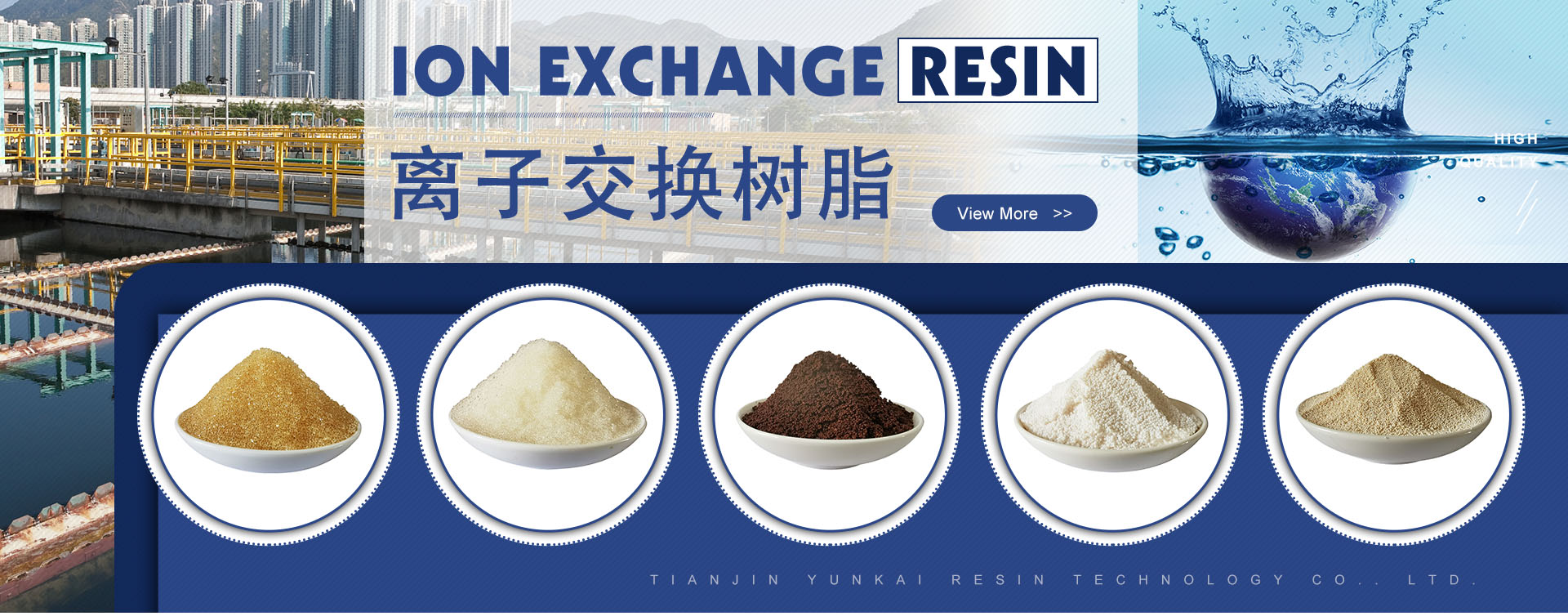
Credit: www.tjyunkai.com
Frequently Asked Questions
What Is Ion Exchange Resin Used For?
Ion exchange resin removes unwanted ions from water. It softens water and purifies liquids in industrial and household settings. This resin helps improve water quality and protect equipment from scale and corrosion.
How To Select The Right Ion Exchange Resin?
Choose resin based on water type and treatment goals. Consider resin capacity, bead size, and chemical compatibility. Proper selection ensures efficient ion removal and longer resin life.
What Are The Main Types Of Ion Exchange Resins?
The main types are cation and anion resins. Cation resins remove positive ions, while anion resins remove negative ions. Some applications require mixed-bed resins for combined treatment.
How Often Should Ion Exchange Resin Be Replaced?
Replace resin when it loses exchange capacity or shows physical damage. This varies by usage and water quality. Regular testing helps determine the optimal replacement time.
Conclusion
Choosing the right ion exchange resin improves water quality and system life. Consider resin type, capacity, and water needs carefully. Test your water to know what to remove. Match resin properties to your specific application. Regular maintenance keeps the resin working well.
Good choices save money and avoid problems. Take your time to decide what fits best. Clear water starts with the right resin choice.

Hasan Al Sarker is a Reverse Osmosis Specialist. He has worked for many years to ensure safe drinking water for all. His research paper has been published in several journals, including Issue, Medium, and Slideshare. He is recognized as a water doctor among specialists though he did not attend medical college.
Besides working as a researcher of reverse osmosis technology, he is also very fancy with the kitchen and cooking. His guides are reading thousands of people every day. As a head of content, he is responsible for all the published articles at RO System Reviews.