
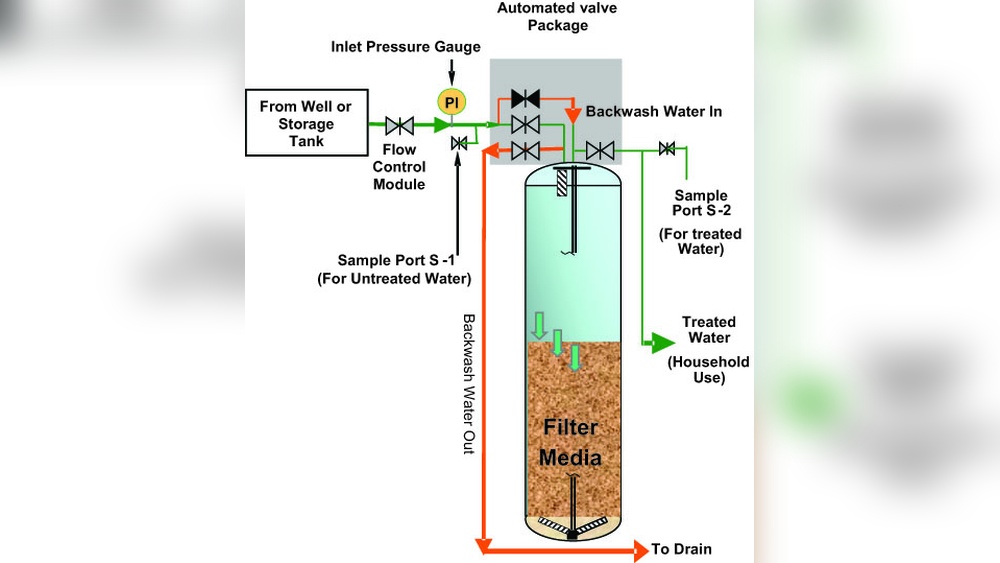
Are you worried about the quality of your drinking water? Arsenic is a hidden danger that can affect your health without you even realizing it.
Knowing how to filter arsenic from water is essential to protect yourself and your loved ones. This guide will show you simple, effective ways to remove arsenic so you can enjoy clean, safe water every day. Keep reading to discover easy methods you can use right now to make your water arsenic-free.
Your health depends on it.
Sources Of Arsenic In Water
Arsenic in water comes from different sources. Knowing these sources helps to reduce risks. People can take better steps to keep water safe.
Natural Contamination
Arsenic is found naturally in soil and rocks. It can dissolve into groundwater over time. This happens in many places around the world. Wells drilled into these areas may have arsenic in the water. Natural contamination is a common reason for arsenic in drinking water.
Industrial Pollution
Factories and mining can release arsenic into water. Waste from these industries often contains arsenic. This waste can seep into rivers, lakes, and groundwater. Industrial pollution raises arsenic levels in some water sources. Protecting water from pollution is important for health.
Health Risks Of Arsenic Exposure
Arsenic is a toxic element found in some water sources. Drinking water with arsenic can harm your health. Understanding the risks helps you protect yourself and your family. Exposure to arsenic affects the body in different ways depending on the amount and time.
Short-term Effects
Short-term exposure to arsenic can cause stomach pain and nausea. Vomiting and diarrhea are common symptoms. Skin irritation and redness may also appear. Some people feel weak and tired. These effects usually happen after drinking water with high arsenic levels. They can last for a few days or weeks.
Long-term Consequences
Long-term arsenic exposure is more dangerous. It can cause serious health problems over time. Skin changes like dark spots and thickening may develop. Arsenic increases the risk of cancer, especially skin, lung, and bladder cancer. It can also lead to heart disease and diabetes. Long exposure may damage the nervous system, causing numbness or tingling. Children exposed to arsenic can have slower growth and learning issues.
Testing Water For Arsenic
Testing water for arsenic is the first step to ensure safe drinking water. Arsenic can be invisible and tasteless, but it harms health. Regular testing helps detect arsenic early. It guides you to choose the right filter or treatment method.
Home Testing Kits
Home testing kits offer a quick way to check arsenic levels. They are easy to use and give results within minutes. Kits usually include test strips or small bottles for samples. Dip the strip into water and watch for color change. Compare the color to the chart to see arsenic levels. Home kits are affordable and convenient for basic screening. They help identify if professional testing is needed.
Professional Laboratory Analysis
Professional laboratory analysis provides precise arsenic testing. Collect a water sample following lab instructions carefully. Labs use advanced machines to detect very low arsenic amounts. Results from labs are more accurate than home kits. Laboratories also test for other harmful substances. This service helps make informed decisions about water treatment. It is best for confirming home test results or routine water quality checks.
Filtration Technologies
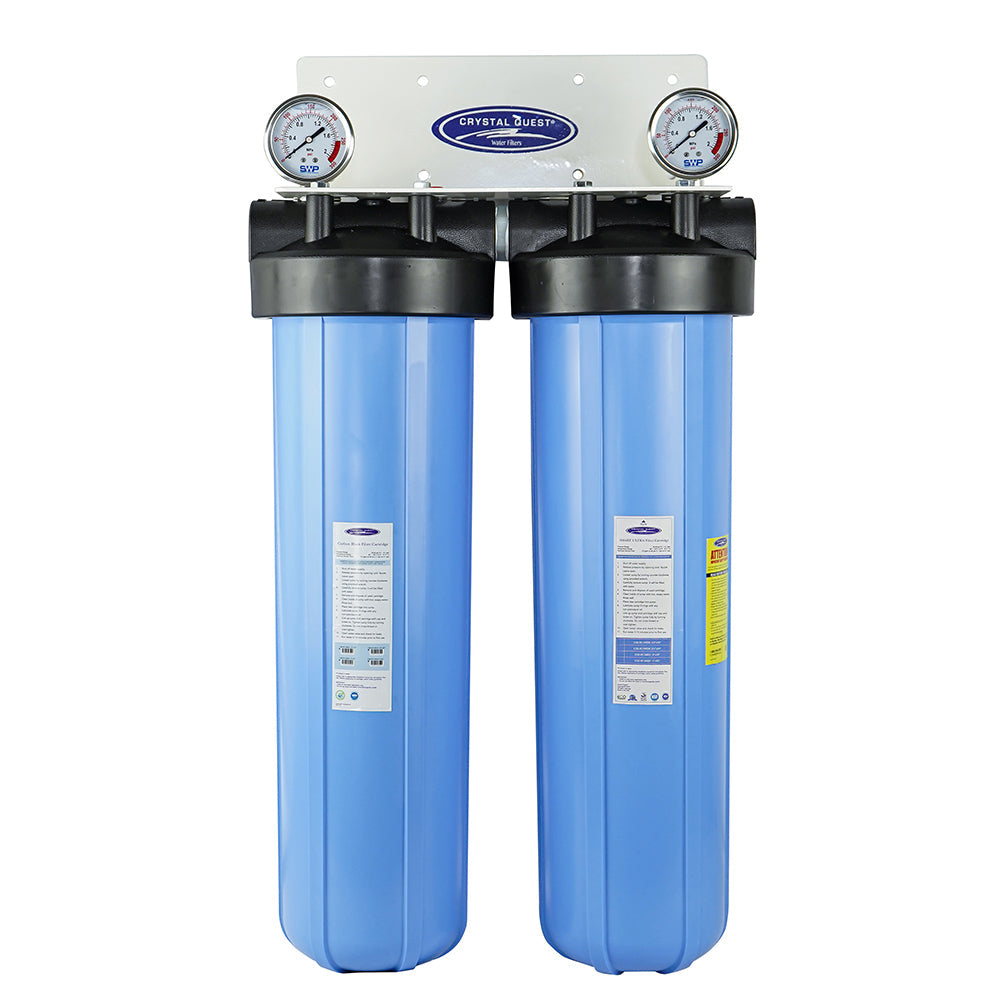
Filtering arsenic from water is vital for safe drinking water. Various filtration technologies remove arsenic efficiently. These methods differ in cost, complexity, and effectiveness. Understanding each helps choose the right solution.
Activated Alumina Filters
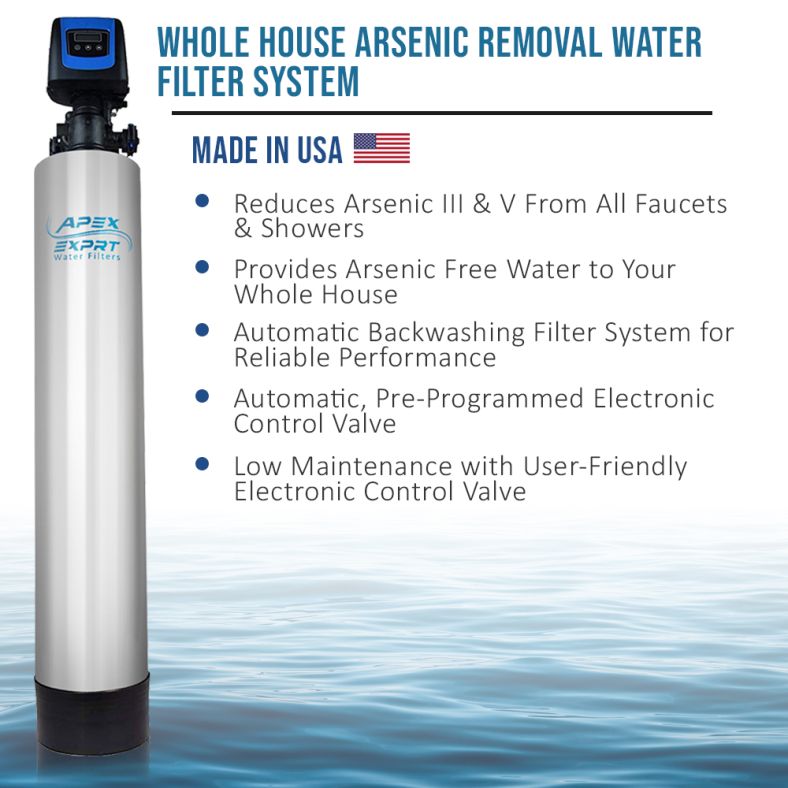
Activated alumina filters trap arsenic from water. The filter has a porous surface that attracts arsenic particles. It works best for arsenic type V, the more common form. Regular replacement or regeneration keeps the filter effective. These filters are affordable and easy to install.
Reverse Osmosis Systems
Reverse osmosis (RO) uses a membrane to remove arsenic. Water passes through the membrane, leaving arsenic behind. RO systems also remove other contaminants and salts. They need electricity and regular maintenance. RO provides very clean water but can waste some water.
Ion Exchange Filters
Ion exchange filters swap arsenic ions with safer ions. These filters contain resins that bind arsenic ions tightly. They work well for both arsenic types III and V. The filter needs periodic regeneration with salt solutions. Ion exchange is fast and effective for arsenic removal.
Coagulation And Filtration
Coagulation adds chemicals to water, forming particles that trap arsenic. These larger particles settle or get filtered out. This process is common in large water treatment plants. It can remove high arsenic levels efficiently. Coagulation requires precise control of chemical doses.
Choosing The Right Filter
Choosing the right filter for arsenic removal is crucial for safe drinking water. The filter must effectively reduce arsenic to safe levels. It should also be easy to maintain and fit your budget. These factors help ensure clean water every day.
Filter Efficiency
Not all filters remove arsenic equally. Some models can reduce arsenic by over 90%. Look for filters certified by trusted organizations. They test filters for arsenic removal performance. A high-efficiency filter keeps your water safe and healthy.
Maintenance Requirements
Filters need regular care to work well. Some require frequent cartridge changes. Others need less frequent attention but still must be cleaned. Choose a filter with maintenance you can manage. Proper upkeep keeps arsenic levels low and extends filter life.
Cost Considerations
Filter price varies widely. Consider both initial cost and ongoing expenses. Replacement parts and maintenance add to total cost. Balance price with filter efficiency and ease of maintenance. Choose a filter that fits your budget and needs.
Diy Arsenic Removal Methods
Removing arsenic from water at home is possible with simple methods. These DIY techniques use easy steps and common materials. They can reduce arsenic levels and make water safer to use.
Learning these methods helps protect your family from arsenic exposure. Start with basic ways like boiling and settling or try natural adsorbents. Both options offer practical solutions without expensive equipment.
Boiling And Settling
Boiling water kills germs but does not remove arsenic. Still, it helps in one way. After boiling, let the water cool and settle. Arsenic particles may sink to the bottom over time.
Pour the clear water on top into another container. Avoid disturbing the sediment at the bottom. This method lowers arsenic slightly but is not enough alone. Use it with other filters for better results.
Use Of Natural Adsorbents
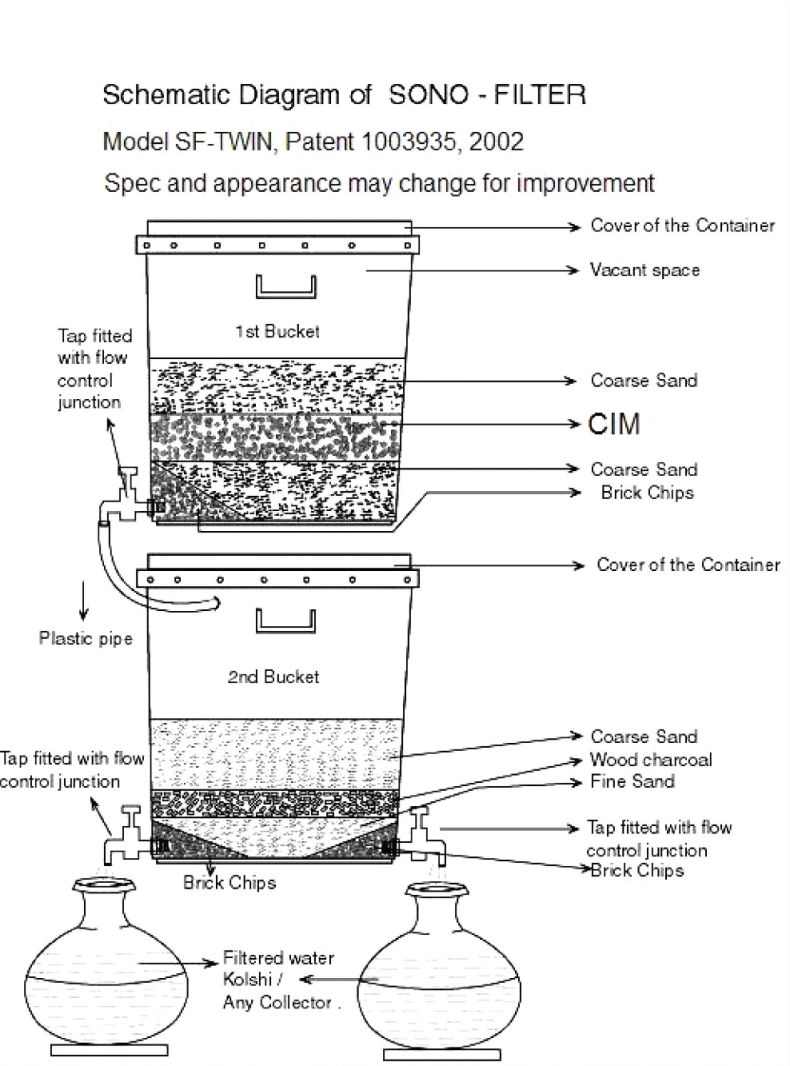
Natural adsorbents attract and hold arsenic from water. Materials like activated charcoal, iron filings, or certain clays work well. Fill a cloth or small bag with these materials.
Slowly pour water through the bag. The arsenic sticks to the adsorbent, cleaning the water. Replace or recharge the adsorbent regularly for best results. This method is safe and eco-friendly.
Regulations And Safety Standards
Regulations and safety standards protect people from harmful arsenic levels in water. These rules guide how much arsenic is safe to drink. They help governments and communities keep water clean and healthy. Understanding these standards is important for choosing the right filtration method.
Who Guidelines
The World Health Organization sets global rules for arsenic in water. Their limit is 10 micrograms per liter. This number helps countries decide safe drinking water levels. WHO also gives advice on testing and removing arsenic. Their guidelines support health and safety worldwide.
Local Water Quality Standards
Each country may have its own arsenic rules. Some places allow less than the WHO limit. Others follow WHO exactly. Local standards depend on water sources and health risks. Checking local rules is key before buying a water filter. It ensures the filter meets safety needs.
Maintaining Clean Water Supply
Maintaining a clean water supply is important for safe drinking water. Arsenic removal systems work best with proper care. Simple habits keep your water free from harmful substances. These habits help your system last longer and work well.
Regular attention to your water system ensures clean water all the time. Two key steps help maintain your water filter and system.
Regular Testing
Test your water often to check arsenic levels. Testing shows if the filter still works. Use a test kit made for arsenic detection. Test at least twice a year or more if needed. Keep records of test results to notice changes quickly. Early detection prevents health risks.
Proper Filter Replacement
Filters lose effectiveness over time. Replace filters as the manufacturer suggests. Old filters may let arsenic pass through. Using a clean filter keeps water safe and tastes fresh. Follow replacement schedules strictly for best results. Dispose of old filters safely to avoid contamination.
Frequently Asked Questions
What Are Common Methods To Remove Arsenic From Water?
Common methods include reverse osmosis, activated alumina filters, and ion exchange. These techniques effectively reduce arsenic levels and improve water safety.
How Effective Is Reverse Osmosis In Filtering Arsenic?
Reverse osmosis removes up to 99% of arsenic by forcing water through a semipermeable membrane. It is highly reliable for arsenic filtration.
Can Activated Alumina Filter Arsenic From Drinking Water?
Yes, activated alumina adsorbs arsenic efficiently. It is cost-effective and widely used for arsenic removal in home water filters.
How Do Ion Exchange Systems Work To Remove Arsenic?
Ion exchange replaces arsenic ions with less harmful ions in water. This process effectively reduces arsenic concentrations to safe levels.
Conclusion
Filtering arsenic from water protects your health and family. Choose methods that fit your budget and needs. Test your water regularly to check arsenic levels. Simple filters can remove arsenic effectively at home. Clean water means safer drinking, cooking, and cleaning.
Stay informed and take steps to keep water safe. Clean water is a basic need everyone deserves. Act now to reduce arsenic and improve your life.

Hasan Al Sarker is a Reverse Osmosis Specialist. He has worked for many years to ensure safe drinking water for all. His research paper has been published in several journals, including Issue, Medium, and Slideshare. He is recognized as a water doctor among specialists though he did not attend medical college.
Besides working as a researcher of reverse osmosis technology, he is also very fancy with the kitchen and cooking. His guides are reading thousands of people every day. As a head of content, he is responsible for all the published articles at RO System Reviews.