Have you ever wondered what’s really in your bath water? Clean, fresh water makes your bath relaxing and safe, but impurities like dirt, chlorine, and even tiny particles can sneak in without you noticing.
Knowing how to filter bath water can change your bathing experience completely. Imagine soaking in water that feels pure and gentle on your skin, free from harsh chemicals and grime. You’ll discover simple and effective ways to filter your bath water, so every soak leaves you feeling refreshed and cared for.
Keep reading to learn how to make your bath water cleaner and better for you.
Reasons To Filter Bath Water
Filtering bath water improves water quality and protects your health. Bath water often contains impurities that may harm skin and hair. Using filtered water creates a cleaner, safer bathing experience. It helps avoid common issues caused by water contaminants. Cleaner water also supports better skin and hair health over time.
Common Bath Water Contaminants
Bath water may contain chlorine, bacteria, and heavy metals. Chlorine is added to kill germs but can irritate skin. Bacteria can enter through pipes or water sources. Heavy metals like lead and mercury may come from old pipes. These contaminants reduce water quality and can cause health problems.
Health Benefits Of Filtered Water
Filtered bath water reduces exposure to harmful chemicals. It lowers the risk of skin allergies and infections. Cleaner water supports the body’s natural healing. Using filtered water helps avoid dryness and irritation. It also reduces breathing in harmful particles during a hot bath.
Impact On Skin And Hair
Filtered water keeps skin soft and hydrated. It prevents dryness and redness caused by harsh chemicals. Hair stays shinier and feels smoother after bathing. Filtered water reduces scalp irritation and dandruff. It helps maintain natural oils, keeping skin and hair healthy.

Types Of Bath Water Filters
Bath water filters help remove impurities from your water. They improve water quality for a cleaner, safer bath. Several types of filters suit different needs and budgets. Understanding these options helps you choose the right one.
Showerhead Filters
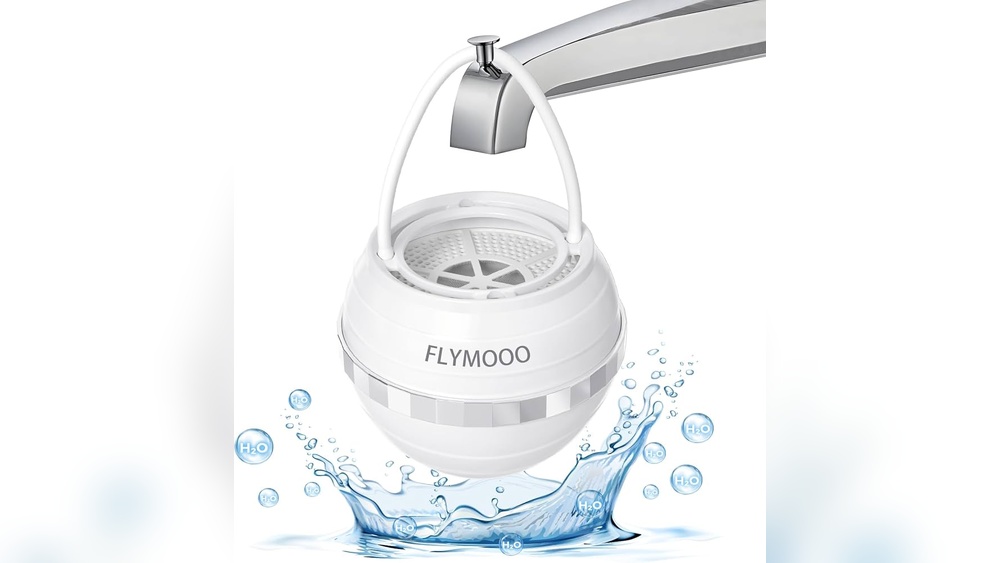
Showerhead filters attach directly to your showerhead. They remove chlorine, heavy metals, and sediments. These filters are easy to install and affordable. They improve water softness and reduce skin irritation. Many models also help with hard water issues.
Inline Filters
Inline filters fit inside your water pipe or hose. They filter water before it reaches the shower or bathtub. These filters provide better filtration than showerhead filters. Installation may require a plumber or some DIY skills. Inline filters often last longer and filter more water.
Whole House Filtration Systems
Whole house filtration systems clean water for your entire home. They remove many contaminants at the source. These systems protect all water outlets, including baths and showers. Installation is more complex and costlier. Whole house filters offer the best water quality overall.
Choosing The Right Filter
Choosing the right filter for your bath water is important. It affects water quality and your skin health. The right filter removes impurities while keeping water safe. You need to consider several factors before buying.
Filter Materials And Technologies
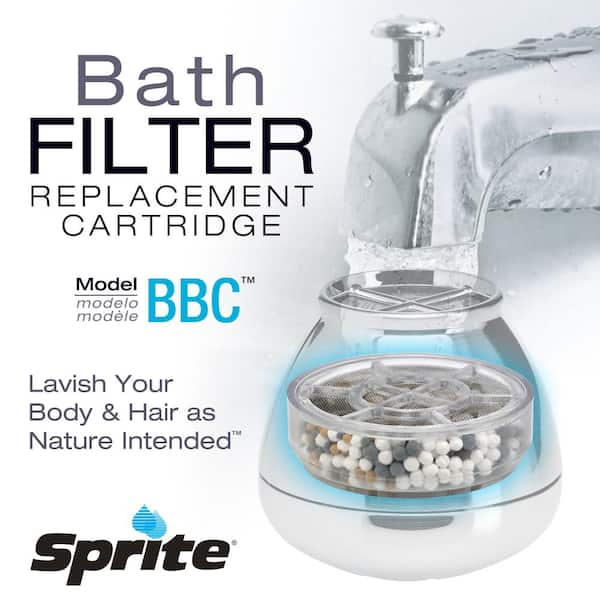
Filters use different materials to clean water. Some use activated carbon to remove chlorine and odors. Others use ceramic to block bacteria and sediments. Some filters combine materials for better cleaning. Choose a filter based on what you want to remove from your water.
Filter Lifespan And Maintenance
Filters need regular cleaning or replacement. Some last a few months, others last longer. Check the product details for lifespan information. A filter that lasts longer may cost more but saves time. Cleaning is simple for some filters but hard for others. Pick a filter that fits your maintenance preference.
Budget Considerations
Filters come in many price ranges. Cheap filters may need frequent replacement. Expensive filters offer better performance and durability. Set a budget before choosing. Balance cost with filter quality and lifespan. Remember, good water quality is worth the investment.

Step-by-step Filter Installation
Installing a bath water filter can improve your water quality quickly. This step-by-step guide shows simple ways to install different types of filters. Follow these clear instructions to get cleaner bath water.
Preparing Your Bath Area
First, clear the space around your bath. Remove any items that might get in the way. Clean the faucet and showerhead area well. Dry the surfaces to help the filter stick or fit properly. Check the water pipes for leaks or damage. Fix any issues before starting installation.
Installing Showerhead Filters
Unscrew your current showerhead gently. Wrap plumber’s tape around the threads of the pipe. Screw the showerhead filter onto the pipe firmly. Attach the showerhead back onto the filter. Tighten by hand only to avoid damage. Turn on water to check for leaks. Adjust if needed for a secure fit.
Setting Up Inline Filters
Turn off the main water supply first. Locate the pipe section where you want to add the filter. Cut the pipe carefully using a pipe cutter. Insert the inline filter between the cut ends. Use fittings or clamps to secure the filter. Turn water back on and check for leaks. Replace washers or tighten connections if water drips.
Integrating Whole House Systems
Whole house systems require more space and tools. Find the main water line entering your home. Shut off the main water valve before starting. Follow the manufacturer’s guide for mounting and connections. Use professional help if unsure about plumbing. Test the system after installation for proper flow. Check all seals and valves for leaks.
Maintaining And Replacing Filters
Maintaining and replacing bath water filters is key to clean and safe water. Filters catch dirt and chemicals. Over time, they get dirty and less effective. Regular care keeps the filter working well. It also helps avoid damage to your bath system. Understanding when to clean or replace filters saves money and effort.
Signs Of Filter Wear
Look for slower water flow from your filter. Cloudy or smelly water is a warning. A filter that looks dark or clogged needs attention. Strange noises from the filter system can mean wear. Check your filter regularly for cracks or breaks. These signs show the filter is losing its power.
Cleaning Tips
Remove the filter carefully before cleaning. Use clean water to rinse off dirt and debris. Avoid strong chemicals that might damage the filter. A soft brush can help remove stuck particles. Let the filter dry completely before putting it back. Clean filters last longer and work better.
When To Replace Filters
Replace the filter if cleaning does not improve water flow. Change filters every three to six months for best results. Follow the manufacturer’s instructions on filter lifespan. A damaged or torn filter must be replaced immediately. Using an old filter can harm your bath water quality.
Additional Tips For Cleaner Baths
Keeping your bath water clean goes beyond just filtering. Small steps help improve water quality and your bathing experience. These tips make your bath water fresher and safer for your skin.
Using Water Softeners
Water softeners remove minerals like calcium and magnesium from water. Hard water can leave a film on your skin and tub. Soft water feels smoother and helps soap lather better. Installing a water softener can reduce buildup and improve bath water quality.
Regular Bath Tub Cleaning
Clean your bath tub often to avoid dirt and bacteria. Soap scum and grime can stick to surfaces and affect water cleanliness. Use mild cleaners and a soft cloth to scrub the tub. Rinse well to remove all cleaning agents before filling the bath.
Natural Additives For Bath Water
Add natural ingredients to make bath water cleaner and soothing. Baking soda can balance water pH and soften skin. A few drops of essential oils offer a pleasant scent and relaxation. Oatmeal helps calm irritated skin and adds gentle softness.
Frequently Asked Questions
How Do I Filter Bath Water At Home?
You can filter bath water using a water filter or a DIY charcoal filter. These remove impurities and improve water quality quickly.
What Are The Best Filters For Bath Water?
Activated carbon filters and sediment filters work best for bath water. They efficiently remove chlorine, dirt, and odors, making your bath safer.
Can Filtering Bath Water Improve Skin Health?
Yes, filtering bath water removes harsh chemicals like chlorine. This reduces skin dryness and irritation, promoting healthier and softer skin after bathing.
How Often Should I Clean My Bath Water Filter?
Clean your bath water filter every 2 to 4 weeks. Regular cleaning prevents clogging and ensures effective removal of contaminants for safe water.
Conclusion
Filtering bath water helps keep your skin healthy and clean. Simple steps can remove dirt and harmful particles. Use basic filters or natural methods for clear water. Clean water makes your bath more relaxing and safe. Try these easy tips to enjoy better bath water today.
Clear water means better comfort and less skin irritation. Take small actions for cleaner, fresher bath water every time.

Hasan Al Sarker is a Reverse Osmosis Specialist. He has worked for many years to ensure safe drinking water for all. His research paper has been published in several journals, including Issue, Medium, and Slideshare. He is recognized as a water doctor among specialists though he did not attend medical college.
Besides working as a researcher of reverse osmosis technology, he is also very fancy with the kitchen and cooking. His guides are reading thousands of people every day. As a head of content, he is responsible for all the published articles at RO System Reviews.