
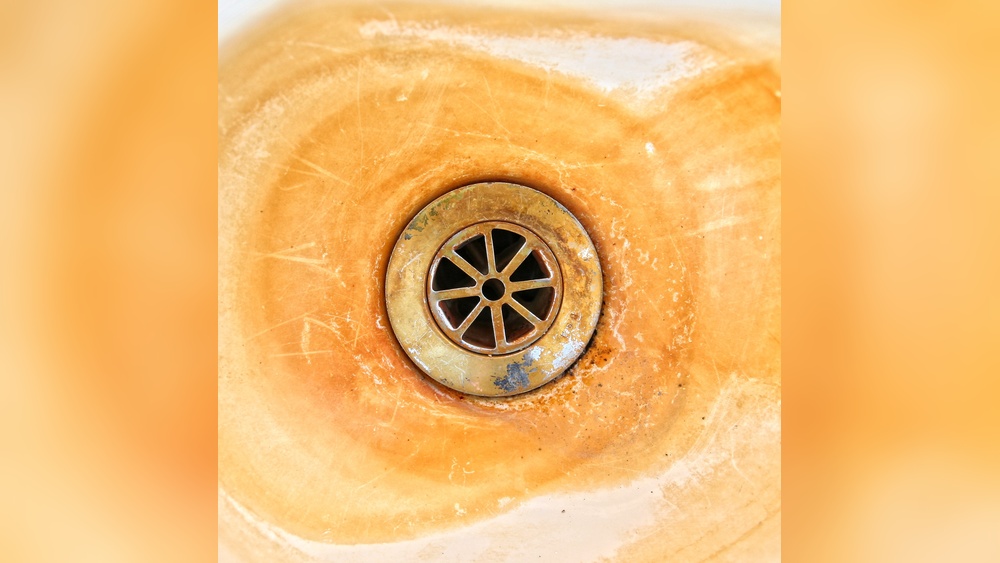
Are you tired of dealing with rusty stains on your sinks and clothes? Does your well water have a strange metallic taste that ruins your drinking experience?
Iron in well water is a common problem that can affect your home’s water quality and your daily life. But don’t worry—you can fix it. You will discover simple, effective ways to filter iron out of your well water. By the end, you’ll know exactly how to get clear, fresh-tasting water straight from your tap.
Keep reading to find out how easy it can be to enjoy clean water again.

Sources Of Iron In Well Water
Iron in well water comes from natural and man-made sources. Understanding these sources helps in choosing the right filter. Iron is a common element found in soil and rocks. It dissolves into groundwater as water flows through these materials. Wells tapping into these sources often have iron in their water.
Rusty pipes and old plumbing can also add iron to your well water. Iron particles from corroded pipes mix with water, increasing iron content. Human activities, such as mining or industrial waste, can raise iron levels in groundwater too. Knowing where the iron comes from helps in treating the water effectively.
Common Types Of Iron Contamination
There are three main types of iron in well water. Ferrous iron is clear and dissolves in water. It does not change color or taste until exposed to air. Ferric iron is rusty and appears as red or orange particles. It settles at the bottom of water containers. Bacterial iron is caused by iron bacteria. These bacteria create slime and make water smell bad.
Effects Of Iron On Water Quality
Iron changes the taste and smell of water. It can make water taste metallic or bitter. Iron also causes stains on sinks, clothes, and dishes. These stains are hard to remove. Iron bacteria make water slimy and create bad odors. High iron levels can clog pipes and damage appliances. Removing iron improves water’s look, taste, and safety.

Signs Of Iron In Well Water
Iron in well water can cause several problems around your home. It changes the water’s look, taste, and smell. Recognizing these signs helps you decide if you need to filter the iron out. Watch for changes in your water and check for any unusual features.
Visual Indicators
Iron often shows as reddish or brown stains. These stains appear on sinks, tubs, and toilets. You might see orange or rusty water too. Cloudy water can also signal iron presence. These signs hint that iron is in your well water.
Taste And Odor Changes
Water with iron can taste metallic or bitter. It might smell like metal or rotten eggs. These taste and odor changes can make water unpleasant. They also affect cooking and drinking water quality.
Testing For Iron Levels
Testing water is the best way to know iron levels. You can use a home test kit or hire a professional. Testing shows how much iron is in your water. This helps in choosing the right filter to remove it.
Choosing The Right Filtration Method
Choosing the right method to filter iron out of well water is important. Different systems work better for different levels of iron and water conditions. Some methods remove iron by changing it to solid particles, while others use chemicals or softening processes. Understanding these options helps pick the best fit for your home and water quality.
Aeration And Filtration Systems
Aeration adds air to water to change dissolved iron into tiny rust particles. These particles become easier to filter out. After aeration, the water passes through a filter to catch iron particles. This method works well for clear water with low iron levels. It is simple and uses no chemicals.
Chemical Treatment Options
Chemicals can remove iron by changing it into solid form. Common chemicals include chlorine and potassium permanganate. These help break down iron and kill bacteria that may cause smells. After chemical treatment, filters remove the iron solids. This method suits water with high iron and bacteria problems.
Water Softeners
Water softeners remove iron and hardness minerals by exchanging ions. They work best for small amounts of iron mixed with hardness. Softeners protect pipes and improve water taste. This method is easy to maintain but may not work for very high iron levels.
Oxidizing Filters
Oxidizing filters use special media to turn dissolved iron into particles. Water flows through the filter, trapping iron solids inside. These filters work well for moderate to high iron amounts. They need regular cleaning to stay effective. This method avoids chemicals and treats water quickly.
Step-by-step Iron Removal Process
Removing iron from well water improves taste and protects plumbing. The process requires a few clear steps. Follow each carefully for the best results.
Pre-treatment Preparation
Start by testing your water for iron levels. Use a simple iron test kit from a hardware store. Check the type of iron: clear water or red water iron. Clear water iron is dissolved and harder to remove. Red water iron shows as rust particles.
Next, decide the right filter system based on your iron type and amount. Measure your water flow rate to pick a filter with the right capacity. Gather all needed tools and parts before starting installation.
Installing The Filter System
Turn off the main water supply to avoid leaks. Drain pipes to remove water pressure. Cut the pipe where the filter will install using a pipe cutter. Attach fittings and the filter system tightly to prevent leaks.
Connect the filter to the water source. Follow the manufacturer’s guide for wiring and setup. Turn the water back on slowly to check for leaks. Flush the filter to clean out any dust or debris before use.
Regular Maintenance Tips
Check your filter every month for clogs or damage. Replace filter media as recommended, usually every 6 to 12 months. Clean the filter tank to stop bacteria growth and iron buildup.
Test water regularly to ensure iron levels stay low. Keep a maintenance log to track filter changes and water tests. Proper care extends filter life and keeps water clean.
Diy Iron Removal Techniques
Removing iron from well water can be done at home. Simple DIY methods help reduce iron levels without expensive equipment. These techniques use easy tools and common materials. They work well for small-scale problems and save money.
Using Household Items
Some household items can help remove iron from water. Baking soda changes water pH to reduce iron. It makes iron particles easier to filter out. Another item is activated charcoal. It absorbs impurities including iron. Use a clean cloth or coffee filter to hold charcoal.
Another method uses lemon juice or vinegar. These acids help dissolve iron deposits. Add a small amount to water, stir well. Let the water sit for a few hours. After that, filter the water to remove iron particles.
Simple Filtration Setups
Basic filtration systems can remove iron from well water. A sand filter works by trapping iron particles. Use layers of sand and gravel in a container. Pour water through the layers slowly. The sand catches iron and other solids.
Another setup uses a cloth filter combined with sand. First, pass water through a fine cloth. Then, let it flow through sand and gravel layers. This setup improves iron removal. Clean filters regularly for better results.
Preventing Iron Buildup
Preventing iron buildup in well water is key to keeping your water clean and your plumbing safe. Iron can cause stains, bad taste, and damage pipes over time. Taking steps to stop iron from building up helps avoid costly repairs and keeps water clear.
Routine Well Water Testing
Testing your well water regularly shows how much iron it contains. You can check for different types of iron, like dissolved and particulate iron. Testing helps find problems early. This lets you fix issues before they get worse. Testing kits are easy to use or you can hire a professional. Keep a record of your test results for comparison over time.
Water Softener Maintenance
Water softeners remove minerals, including some iron, from water. Regularly clean and check your softener to keep it working well. Replace salt and clean the brine tank as needed. A well-maintained softener prevents iron buildup in pipes and appliances. Follow the manufacturer’s instructions for best results. Proper care extends the life of your system and improves water quality.
When To Call A Professional
Removing iron from well water can be tricky. Some problems need more than just home filters. Knowing when to call a professional saves time and money. Experts have tools and skills to fix tough iron issues. They ensure your water is safe and clean for daily use.
Signs You Need Expert Help
Rusty stains on sinks and tubs. Water tastes metallic or smells bad. Water pressure drops suddenly. Filters clog quickly and need frequent changes. Iron levels remain high after home treatment. These signs show iron problems are serious. Professionals can diagnose hidden issues fast.
Choosing A Water Treatment Specialist
Find a specialist with experience in well water. Check if they have proper licenses and certifications. Read reviews from other customers. Ask about the technology they use for iron removal. Request a water test before treatment. A good specialist offers clear explanations and options. Trust matters when dealing with water quality.
Frequently Asked Questions
What Causes Iron In Well Water?
Iron in well water usually comes from natural deposits in soil and rocks. It dissolves into water over time. This can cause staining, metallic taste, and clogging in pipes.
How Can I Test Iron Levels In Well Water?
You can test iron levels using home test kits or professional lab services. Accurate testing helps determine the type and amount of iron present. This is essential for choosing the right filtration system.
What Are Effective Methods To Remove Iron From Well Water?
Common methods include oxidation filters, water softeners, and chemical treatments. Each method targets specific iron types. Choosing the correct method depends on iron concentration and water chemistry.
How Often Should Well Water Filters Be Maintained?
Filters should be checked and cleaned every 3 to 6 months. Regular maintenance ensures efficient iron removal. It also extends the lifespan of the filtration system.
Conclusion
Removing iron from well water improves taste and protects pipes. Choose the right filter based on iron levels and water use. Regular cleaning keeps the system working well. Test your water often to catch problems early. Clean water means safer drinking and better home appliances.
Small steps lead to big changes in water quality. Start filtering today for fresher, cleaner well water.

Hasan Al Sarker is a Reverse Osmosis Specialist. He has worked for many years to ensure safe drinking water for all. His research paper has been published in several journals, including Issue, Medium, and Slideshare. He is recognized as a water doctor among specialists though he did not attend medical college.
Besides working as a researcher of reverse osmosis technology, he is also very fancy with the kitchen and cooking. His guides are reading thousands of people every day. As a head of content, he is responsible for all the published articles at RO System Reviews.