Imagine you’re out by a beautiful lake, feeling thirsty but unsure if the water is safe to drink. You might wonder, “How can I filter this water quickly and effectively?” Knowing how to filter lake water for drinking can be a lifesaver, whether you’re camping, hiking, or facing an emergency.
You’ll discover simple, practical methods to turn lake water into clean, drinkable water. By the end, you’ll feel confident and ready to protect your health anytime, anywhere. Keep reading, because your safety depends on what you do next.
Preparing Lake Water For Filtration
Preparing lake water for filtration is the first step to making it safe for drinking. This process removes large dirt and debris. It also helps protect your filter from clogging. Taking time to prepare water improves the quality and safety of your drinking water.
Collecting Water Safely
Choose water from a clean spot, away from shorelines. Avoid areas with visible pollution or dead plants. Use a clean container to collect water. Collect water from below the surface, about 6-12 inches deep. This reduces the chance of getting surface scum or insects.
Initial Sediment Removal
Remove big particles before filtering. Let the water sit in the container for 30 minutes. Dirt and heavy particles will settle at the bottom. Pour water slowly into another clean container. Avoid disturbing the sediment at the bottom. This step makes filtration easier and extends filter life.
Basic Filtration Techniques
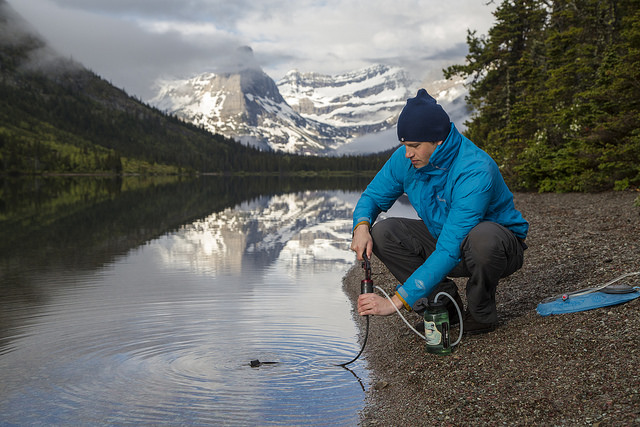
Basic filtration techniques help remove dirt and large particles from lake water. These simple methods improve water clarity and safety before drinking. They do not remove all germs but reduce visible impurities. Using common materials, you can make filters quickly and easily. These techniques work well in outdoor or emergency situations.
Using Cloth And Coffee Filters
Start with a clean cloth or coffee filter. Place it over a container or bottle opening. Pour lake water slowly through the fabric. The cloth catches leaves, sand, and bugs. Coffee filters catch smaller particles than cloth. Repeat the process several times for clearer water. This method removes visible debris but not bacteria or viruses.
Diy Sand And Charcoal Filter
Gather clean sand, charcoal, and small gravel. Use a plastic bottle or container as the filter body. Cut off the bottom for easy filling. Layer gravel at the bottom, then sand, then charcoal on top. Pour lake water slowly through the layers. The sand traps small particles. Charcoal absorbs some chemicals and odors. Gravel supports the layers and prevents clogging. Clean the materials before use to avoid contamination.
Advanced Filtration Methods
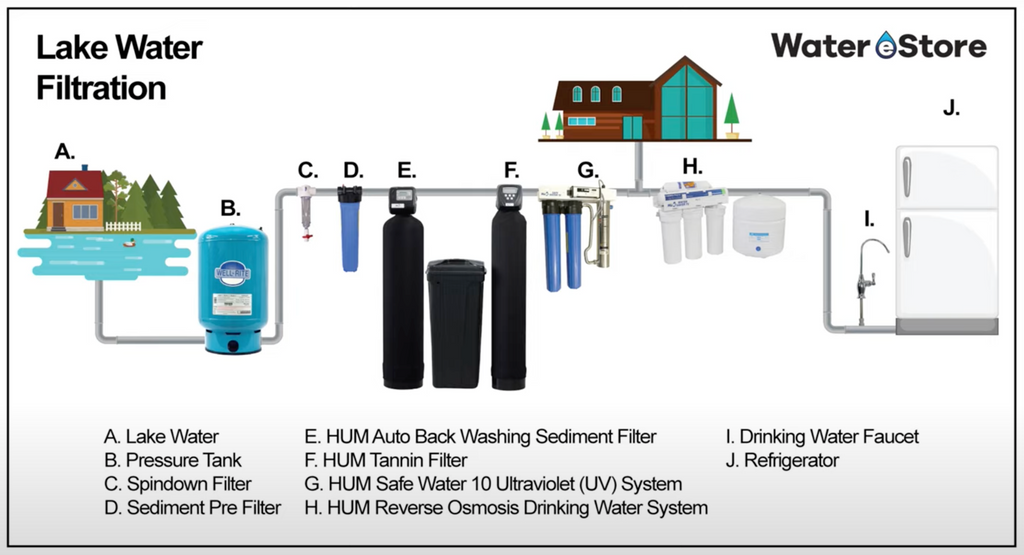
Advanced filtration methods improve the safety of lake water for drinking. They remove tiny particles, bacteria, and viruses that basic filters might miss. These methods offer reliable protection during outdoor activities or emergencies. Understanding these options helps you choose the best way to clean water effectively.
Portable Water Filters
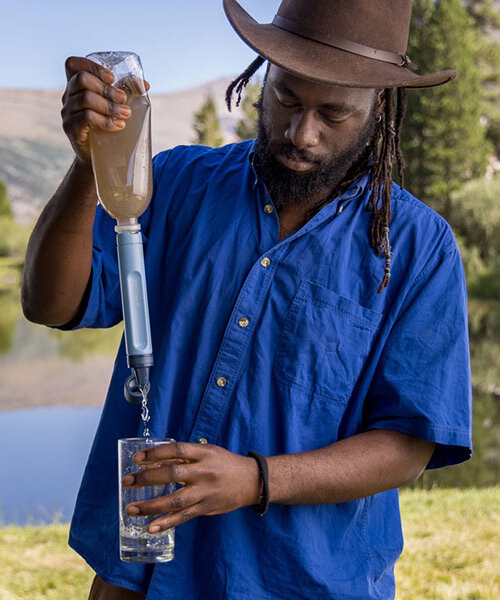
Portable water filters are small and easy to carry. They use fine mesh or ceramic elements to trap harmful particles. Some models also remove bacteria and protozoa from the water. These filters work without chemicals and need no power. Perfect for camping or hiking trips where clean water is scarce.
Uv Light Purification
UV light purification uses ultraviolet rays to kill germs in water. It destroys bacteria, viruses, and other microorganisms by damaging their DNA. This method requires a small, battery-powered device. The process is fast, usually taking under a minute. UV purification does not change the water taste or smell.
Boiling And Chemical Treatment
Boiling and chemical treatment are two simple ways to make lake water safe for drinking. Both methods kill harmful germs and bacteria that can cause illness. They do not remove dirt or particles, so it is best to filter the water first. These treatments are useful when you have no clean water source nearby.
Boiling Water For Safety
Boiling is one of the safest ways to purify water. Heat kills viruses, bacteria, and parasites. Bring the water to a rolling boil for at least one minute. At higher altitudes, boil for three minutes to be sure. Let the water cool before drinking. Boiling does not change the taste much but makes water safe quickly.
Using Water Purification Tablets
Water purification tablets are easy to carry and use. They contain chemicals like chlorine or iodine. Drop the tablet into the water and wait the time listed on the package. The chemicals kill most germs and parasites in the water. Use tablets after filtering to remove large particles. Tablets are lightweight and good for camping or emergencies.
Storage And Handling Of Filtered Water
After filtering lake water, proper storage and handling keep it safe to drink. Clean containers and careful use stop germs from getting back in. Store water correctly to keep it fresh and healthy for longer periods.
Clean Containers For Storage
Always use clean containers for storing filtered water. Choose food-grade plastic, glass, or stainless steel bottles. Rinse containers with hot, soapy water before use. Let them dry completely to avoid mold growth. Avoid containers that held chemicals or non-food items.
Avoiding Contamination
Keep containers sealed tightly to stop dirt and insects. Store water in a cool, dark place away from sunlight. Use a clean cup or ladle to pour water. Never touch the inside of containers with dirty hands. Replace stored water every few days to maintain freshness.
Signs Of Unsafe Water
Knowing the signs of unsafe water is key before drinking from a lake. Water can look clean but still contain hidden dangers. Recognizing these signs helps protect your health and avoid illness. Always check the water carefully before use.
Identifying Contaminants
Contaminants in lake water can be invisible or clear. Look for unusual colors like green, brown, or cloudy water. Floating debris, foam, or scum on the surface are warning signs. A bad smell, such as rotten eggs or chemicals, means the water is unsafe. Wildlife activity near the water can also indicate contamination.
When To Avoid Drinking Lake Water
Avoid drinking lake water after heavy rain. Runoff often brings dirt and pollutants into the lake. Stay away if you see algae blooms, which can release toxins. Do not drink water near factories or farms. These places may pollute water with chemicals or waste. If water tastes strange or bitter, do not drink it.
Frequently Asked Questions
How Do I Filter Lake Water For Safe Drinking?
To filter lake water, first remove large debris using a cloth or fine mesh. Then, use a portable water filter or boil the water for at least one minute to kill bacteria and parasites. Finally, store the water in a clean container to keep it safe.
What Are The Best Portable Filters For Lake Water?
Best portable filters include pump filters, gravity filters, and straw-style filters. Look for filters with a pore size of 0. 1 to 0. 3 microns to remove bacteria and protozoa. Ensure the filter is lightweight, durable, and easy to clean for outdoor use.
Can I Drink Lake Water After Boiling It?
Yes, boiling lake water for at least one minute kills harmful pathogens like bacteria, viruses, and parasites. At higher altitudes, boil water for three minutes. Boiling does not remove chemical pollutants, so filtration might still be necessary.
How Do I Remove Chemicals From Lake Water?
To remove chemicals, use activated carbon filters or water purification tablets designed for chemical contaminants. These methods adsorb or neutralize harmful chemicals, making water safer to drink. Always combine chemical treatment with filtration or boiling for best results.
Conclusion
Filtering lake water for drinking takes care and patience. Use proper steps: remove large debris, filter particles, and purify thoroughly. Clean water means safer drinking and better health. Always choose reliable methods and tools. Stay safe by testing water quality if possible.
Drinking untreated lake water risks illness. Clean water supports outdoor adventures and emergencies. Keep learning about water safety to protect yourself. Simple steps create big benefits for your health. Safe drinking water is a vital part of any trip.

Hasan Al Sarker is a Reverse Osmosis Specialist. He has worked for many years to ensure safe drinking water for all. His research paper has been published in several journals, including Issue, Medium, and Slideshare. He is recognized as a water doctor among specialists though he did not attend medical college.
Besides working as a researcher of reverse osmosis technology, he is also very fancy with the kitchen and cooking. His guides are reading thousands of people every day. As a head of content, he is responsible for all the published articles at RO System Reviews.