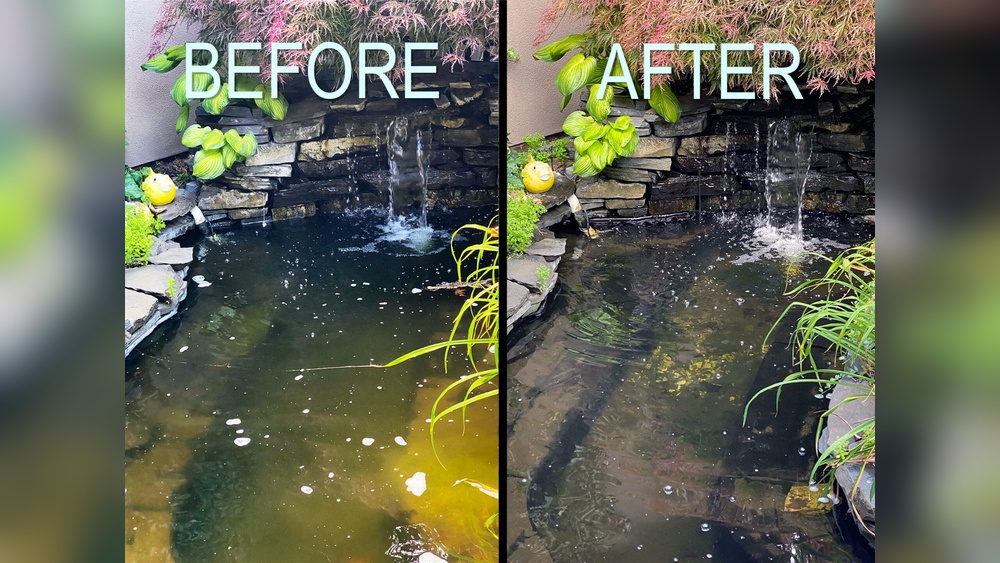
If you have a pond, you know how important clear, clean water is for its health and beauty. But keeping your pond water fresh can be tricky without the right approach.
You might wonder how to filter pond water effectively to prevent algae, remove debris, and keep fish happy. This guide will show you simple, practical steps you can take to transform your pond into a crystal-clear oasis. Keep reading to discover easy methods that make a big difference—your pond will thank you!

Types Of Pond Water Filters
Choosing the right pond water filter keeps your pond clean and healthy. Filters remove dirt and harmful substances from the water. Understanding the types of pond water filters helps you pick the best one.
Mechanical Filters
Mechanical filters catch solid waste like leaves and fish waste. They use sponges or pads to trap particles. This stops debris from floating in the water. Cleaning these filters is easy and needed often.
Biological Filters
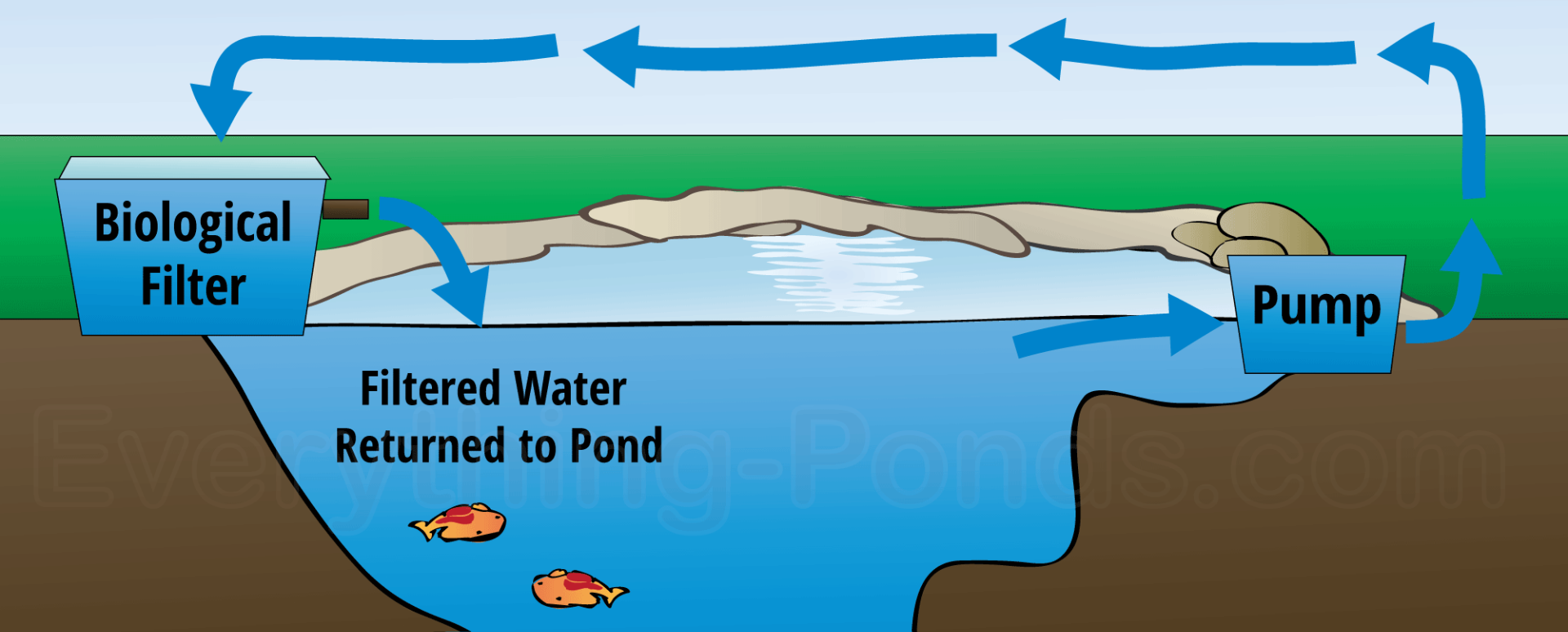
Biological filters use good bacteria to break down waste. These bacteria turn harmful ammonia into less harmful substances. This process helps keep water safe for fish. Biological filters work slowly but are very important.
Uv Clarifiers
UV clarifiers use ultraviolet light to kill algae and germs. This light clears green water and stops algae growth. They do not remove dirt but help keep water clear. UV clarifiers work best with other filters combined.
Assessing Your Pond’s Needs
Understanding your pond’s needs is the first step in choosing the right water filter. Different ponds require different types and sizes of filters. Assessing the key factors helps keep your pond clean and healthy. This section breaks down the main points to consider before selecting a filter.
Pond Size And Volume
The size of your pond affects how much water needs filtering. Larger ponds hold more water, needing bigger or more powerful filters. Small ponds may only require simple filters. Measuring your pond’s volume helps pick the right filter capacity. Accurate size assessment prevents under or over-filtering.
Fish And Plant Density
The number of fish and plants influences water quality. More fish produce more waste, increasing the need for filtration. Dense plant growth can both help and challenge filtration. Plants absorb nutrients but can also add debris. Knowing your pond’s living load guides filter choice and maintenance frequency.
Water Quality Issues
Check for common water problems like cloudiness, algae, or odors. These signs point to filtration needs. Some ponds may have high ammonia or nitrite levels from fish waste. Others might struggle with excessive algae growth. Identifying these issues helps select filters that target specific problems effectively.
Choosing The Right Filter
Choosing the right filter is key to keeping your pond clean and healthy. A good filter removes dirt, debris, and harmful substances from the water. It also helps maintain clear water for your fish and plants. Picking the right one means understanding your pond’s needs and the filter’s features.
Filter Capacity And Flow Rate
Check the filter capacity first. It shows how much water the filter can handle. Choose a filter that matches your pond size. Flow rate tells how fast water moves through the filter. A proper flow rate cleans water effectively without stressing fish. Too slow or too fast can cause problems.
Energy Efficiency
Energy use affects your electricity bill. Look for filters that use less power. Efficient filters save money and help the environment. Low energy use means the filter can run all day without high costs. Choose one with a good balance of power and energy use.
Maintenance Requirements
Regular cleaning keeps the filter working well. Some filters need more care than others. Pick a filter that fits your time and skills. Easy-to-clean filters save effort and keep water clear. Check how often you must clean or replace parts before buying.
Installing Pond Filters
Installing pond filters is essential for keeping water clear and healthy. Filters remove debris and harmful substances. Proper installation ensures the filter works well and lasts longer.
Placement Tips
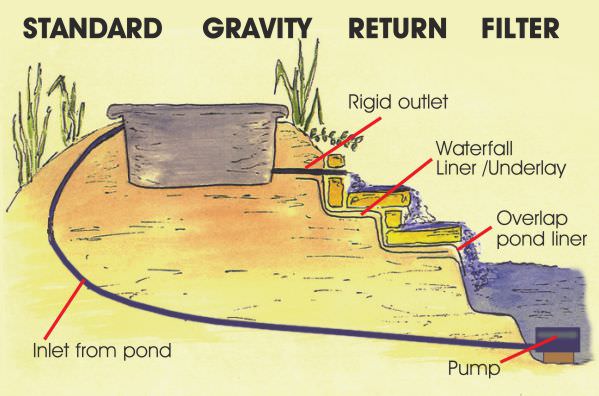
Place the filter near the pond edge but not submerged. Keep it on a flat, stable surface. Avoid direct sunlight to prevent algae growth inside the filter. Position it so water flows easily in and out.
Connecting To Pumps
Use the correct hose size to connect the filter to the pump. Secure connections tightly to stop leaks. Check the flow direction; water must enter and exit the filter properly. Avoid sharp bends in hoses to maintain good water flow.
Testing The Setup
Turn on the pump and watch the water flow. Look for leaks or blockages around the filter. Check if the water clears after passing through. Adjust the pump speed if the flow is too weak or too strong. Test regularly to keep the filter working well.
Maintaining Filter Performance
Keeping your pond filter working well is key to clear, healthy water. Regular care helps the filter do its job. It stops clogs and keeps the water clean for fish and plants. Simple steps can keep your filter in top shape.
Cleaning Schedules
Clean your filter regularly to avoid blockages. Check it at least once a month. Rinse filter pads or sponges with pond water. Avoid using tap water to save helpful bacteria. Keep a routine to prevent dirt buildup.
Replacing Filter Media
Filter media wears out over time. Replace it every 6 to 12 months. Follow the manufacturer’s advice for the best timing. Fresh media keeps the filter effective. It helps trap debris and keeps water clear.
Troubleshooting Common Problems
Look for slow water flow or cloudy water. These signs show the filter needs attention. Check for clogged tubes or dirty media. Clear any blockages to restore flow. Fix leaks or broken parts quickly. This keeps your pond safe and clean.
Additional Tips For Clear Pond Water
Clear pond water needs more than just a good filter. Many small actions help keep water clean and healthy. Simple steps can stop problems before they start. These tips support your filter and keep your pond fresh all year.
Controlling Algae Growth
Algae can turn pond water green fast. Limit sunlight by adding plants like lilies. Plants block sunlight and use nutrients algae need. Use barley straw or safe algae treatments to slow algae growth. Remove algae by hand if it appears. Keep fish and plants balanced to stop algae from taking over.
Managing Debris
Leaves and dirt make water dirty quickly. Use a skimmer net to remove floating debris. Regularly clean the bottom using a pond vacuum. Trim nearby trees to reduce falling leaves. Adding a pond cover during fall stops extra debris from entering. Clear water helps fish stay healthy and plants grow well.
Balancing Pond Ecosystem
Healthy ponds have balanced ecosystems. Add beneficial bacteria to break down waste. Avoid overfeeding fish to reduce waste buildup. Choose the right number of fish for your pond size. Plants provide oxygen and shelter for fish. Balanced water pH and temperature keep all pond life happy and water clear.
Frequently Asked Questions
What Are The Best Methods To Filter Pond Water?
The best methods include mechanical, biological, and UV filtration. Mechanical filters remove debris, biological filters balance bacteria, and UV filters kill algae and pathogens. Combining these ensures clear, healthy pond water and reduces maintenance.
How Often Should Pond Water Filters Be Cleaned?
Pond water filters should be cleaned every 2 to 4 weeks. Regular cleaning prevents clogging and maintains efficient filtration. However, frequency depends on pond size, fish load, and debris levels.
Can Natural Plants Help Filter Pond Water?
Yes, aquatic plants naturally filter pond water by absorbing excess nutrients. Plants like water lilies and cattails reduce algae growth and improve water clarity. They also provide oxygen and habitat for beneficial bacteria.
What Type Of Filter Is Best For Small Ponds?
For small ponds, a compact mechanical and biological combo filter works best. These filters efficiently remove debris and support beneficial bacteria, maintaining clear water without taking much space.
Conclusion
Clear pond water keeps your fish and plants healthy. Regular filtering removes dirt and harmful substances. Choose the right filter based on your pond size. Clean and maintain the filter often for best results. Simple steps make pond care easier and more effective.
Enjoy a beautiful, clean pond all year long.

Hasan Al Sarker is a Reverse Osmosis Specialist. He has worked for many years to ensure safe drinking water for all. His research paper has been published in several journals, including Issue, Medium, and Slideshare. He is recognized as a water doctor among specialists though he did not attend medical college.
Besides working as a researcher of reverse osmosis technology, he is also very fancy with the kitchen and cooking. His guides are reading thousands of people every day. As a head of content, he is responsible for all the published articles at RO System Reviews.