Are you worried about radiation in your water but don’t know where to start? You deserve clean, safe water for you and your family.
Filtering radiation from water might sound complicated, but it’s easier than you think. You’ll discover simple, effective ways to protect your home’s water supply. Keep reading to learn how you can take control and make sure the water you drink is free from harmful radiation.
Your health depends on it.
Sources Of Radiation In Water
Radiation in water comes from different sources. These sources can be natural or caused by human activities. Knowing where radiation comes from helps to choose the right way to filter it out. This section explains the main sources of radiation found in water.
Natural Radiation Elements
Some types of radiation are naturally present in water. These come from minerals and rocks underground. Radon is a common radioactive gas that seeps into water from soil and rocks. Uranium and radium also dissolve into water from natural deposits. These natural elements can cause low levels of radiation in drinking water. The amount varies by location and geology.
Man-made Contaminants
Human activities add radiation to water in some areas. Nuclear power plants may release small amounts of radioactive materials. Medical waste and improper disposal of radioactive materials can contaminate water. Industrial accidents or leaks can also increase radiation levels. These man-made contaminants are often harmful and need careful removal from water sources.
Health Risks Of Radiated Water
Water contaminated with radiation poses serious health risks. Consuming or using such water affects the body’s organs and cells. It is essential to understand these risks to protect yourself and your family. Radiation in water can cause both immediate and lasting health problems.
Short-term Effects
Exposure to radiated water can cause nausea and vomiting quickly. Skin irritation and burns may also develop after contact. Some people feel tired or weak soon after exposure. These effects happen because radiation damages cells fast. Drinking or bathing in radiated water increases these risks.
Long-term Consequences
Long-term use of radiated water can lead to serious diseases. Cancer risk rises due to continuous radiation exposure. Damage to organs like kidneys and liver may occur over time. Radiation can also harm the immune system, making illness more likely. Children and pregnant women are especially vulnerable to these effects.
Testing For Radiation In Water
Testing for radiation in water is a crucial step to ensure safety. Radiation can come from natural sources or pollution. Detecting it early helps prevent health risks. Simple tests can identify harmful radiation levels. Knowing what to test and how to test is important for accurate results.
Common Detection Techniques
Several methods detect radiation in water. Geiger counters measure radioactive particles. They give quick and easy readings. Liquid scintillation counters detect low-level radiation. These are more sensitive and precise. Alpha and beta counters target specific radiation types. Spectrometry analyzes the energy of radioactive particles. Each method suits different testing needs.
Choosing The Right Testing Kit
Select a kit based on water source and radiation type. Home kits are affordable and user-friendly. Professional kits offer detailed analysis but cost more. Check kit sensitivity to detect low radiation levels. Ensure the kit includes clear instructions. Reliable kits provide consistent and accurate results. Choose one that fits your testing goals and budget.
Filtration Technologies
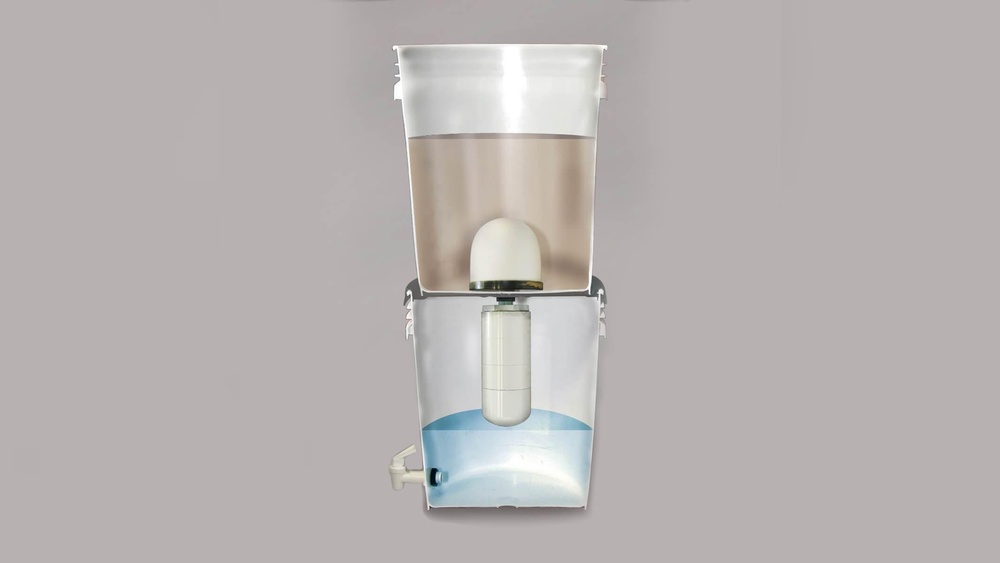
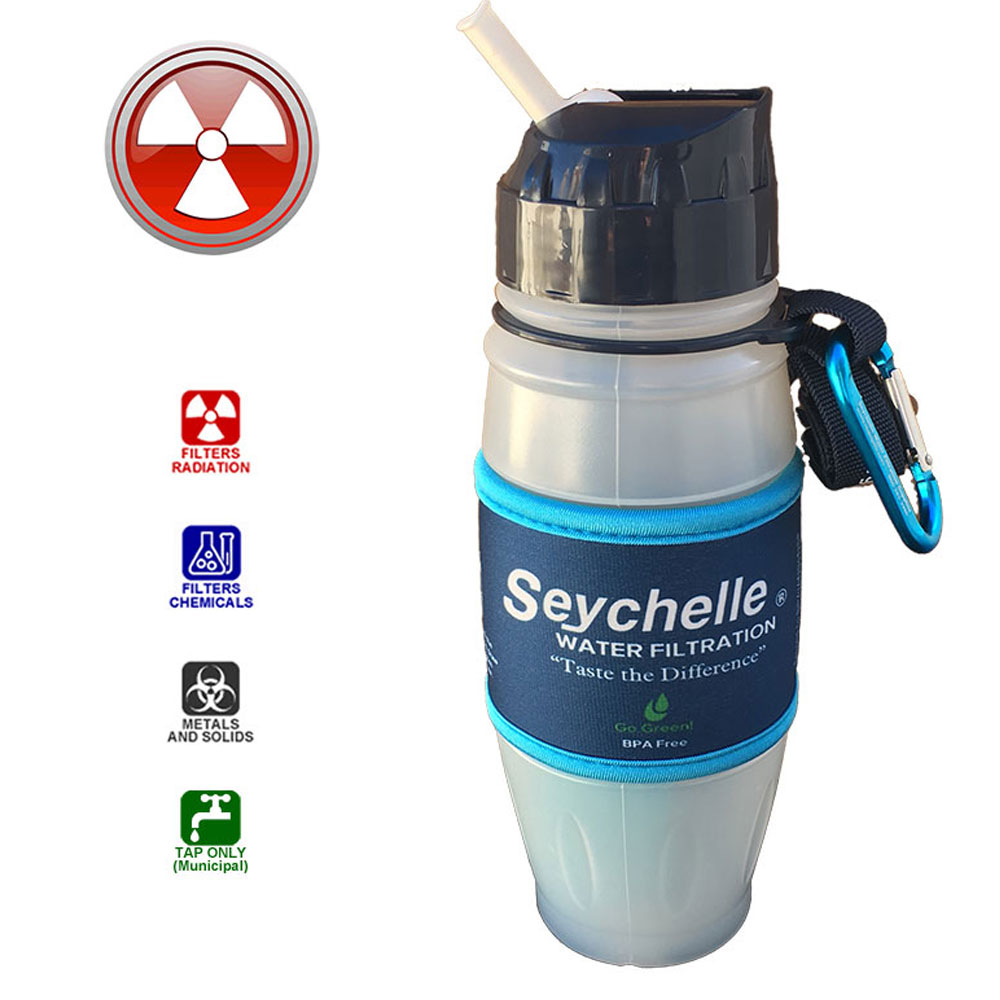
Filtering radiation from water needs special methods. Not all filters remove harmful radioactive particles. Some technologies work better to keep your water safe and clean. Understanding these methods helps you choose the right filter for your home.
Each filtration technology uses different ways to reduce radiation. Some trap particles, others remove minerals. Some even boil the water to separate clean water from contaminants. Here are the main types of filters used to reduce radiation in water.
Activated Carbon Filters
Activated carbon filters use tiny pores to trap particles. They absorb some radioactive chemicals like radon and organic compounds. These filters improve taste and remove chlorine. But they do not remove all types of radiation. Best for reducing some radioactive gases and organic pollutants.
Reverse Osmosis Systems
Reverse osmosis forces water through a thin membrane. This membrane blocks many harmful particles, including radioactive substances. It removes minerals, salts, and heavy metals too. Reverse osmosis is very effective against radiation. It produces clean, safe drinking water.
Ion Exchange Methods
Ion exchange replaces harmful radioactive ions with safe ones. It uses resin beads that attract radioactive particles. This method works well for removing radioactive isotopes like cesium and strontium. It softens water by removing calcium and magnesium. Ion exchange is a good option for radiation removal.
Distillation Units
Distillation boils water and captures steam. The steam leaves behind radioactive particles and other impurities. Then, the steam cools and becomes pure water again. Distillation removes almost all contaminants, including radiation. It is one of the most thorough filtration methods.
Diy Filtration Solutions
DIY filtration solutions offer a hands-on way to reduce radiation from water. These methods use simple materials that many people can find at home. They are affordable and can improve water safety in emergencies or areas with limited resources.
Homemade Filters
Homemade filters often use layers of sand, charcoal, and gravel. Charcoal can trap some radioactive particles. Sand and gravel help remove larger dirt and debris. To build one, layer gravel at the bottom, then sand, and charcoal on top. Pour water slowly through the filter. This process helps clean water but may not remove all radiation.
Safety Considerations
Handling radioactive water requires care. Always wear gloves and avoid direct contact. Use clean containers to catch filtered water. Test water regularly to check radiation levels. Homemade filters do not guarantee complete safety. Use professional filters for high radiation risks. Dispose of used materials carefully to avoid contamination.

Maintaining Filter Efficiency
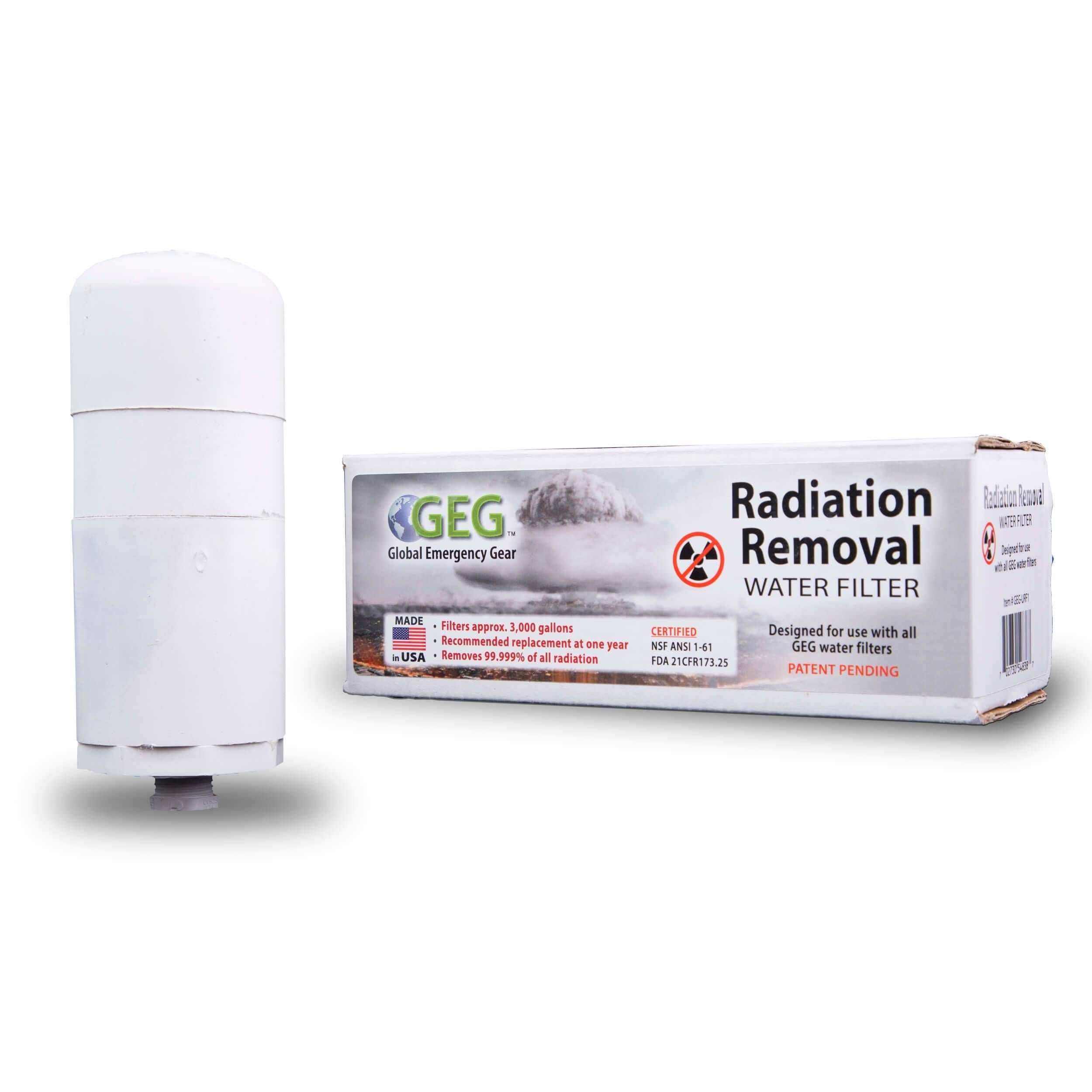
Maintaining the efficiency of your radiation water filter is key to safe drinking water. A well-maintained filter removes harmful particles effectively. Neglect can reduce its ability to filter radiation and other contaminants.
Regular care keeps the filter working at its best. Simple steps help extend the life of your filter and protect your health.
Regular Replacement Schedules
Follow the manufacturer’s advice on when to replace the filter. Filters lose their ability to block radiation over time. Replacing the filter on time ensures clean and safe water. Set reminders based on usage and water quality to avoid delays. Some filters last for months, others for weeks. Check the filter packaging or manual for specific timelines.
Signs Of Filter Wear
Look for changes in water taste or smell. A strange odor or bad taste may mean the filter is worn out. Slow water flow can also indicate clogging or damage. Visible dirt or discoloration on the filter shows it needs replacement. Always inspect your filter regularly for these signs. Acting fast keeps your water safe and your filter effective.
Regulations And Standards
Regulations and standards set the rules for safe drinking water. They help protect people from harmful radiation in water. Governments and health groups create these rules. They check water quality and limit radiation levels. Following these rules keeps water safe for daily use.
Government Guidelines
Government agencies set limits on radiation in water. These limits control the amount of radioactive material allowed. The rules vary by country but focus on health safety. Agencies test water sources regularly to ensure compliance. They publish guidelines for water providers and consumers.
Water Quality Benchmarks
Benchmarks define safe levels of radiation in water. They guide testing and treatment methods. Water must meet these benchmarks before reaching homes. If radiation is too high, treatment is needed. Benchmarks help prevent health risks linked to radiation exposure.
Choosing Professional Help
Choosing professional help to filter radiation from water is a smart step. Radiation can be hard to detect and remove. Experts have the right tools and knowledge to handle this safely. They ensure your water is clean and safe for use.
When To Consult Experts
Consult experts if you suspect radiation in your water. Signs include unusual taste, odor, or health issues in your area. Testing radiation requires special equipment and skills. Professionals can perform accurate tests and suggest the best solutions. Avoid trying to fix radiation problems by yourself. Mistakes can lead to health risks or wasted money.
Selecting Certified Services
Choose services with proper certification for radiation removal. Certified experts follow strict safety and quality rules. Check their credentials before hiring. Reviews and referrals help find trusted services. Certified professionals use approved methods and equipment. This guarantees effective and safe water treatment. Always ask about their experience with radiation filtering.
Frequently Asked Questions
What Methods Effectively Filter Radiation From Water?
Activated carbon filters, reverse osmosis, and ion exchange resins can reduce radioactive particles. These methods are proven to improve water safety by removing contaminants efficiently.
Can Home Water Filters Remove Radiation Safely?
Not all home filters remove radiation. Specialized filters like reverse osmosis systems are needed to effectively reduce radioactive substances in drinking water.
How Do Reverse Osmosis Systems Reduce Radiation?
Reverse osmosis uses a semi-permeable membrane to block radioactive particles. It effectively filters out contaminants, making water safer to drink.
Is Boiling Water Effective Against Radiation Contamination?
Boiling water does not remove radiation. It only kills microbes but cannot filter radioactive particles from water.
Conclusion
Filtering radiation from water protects your health and safety. Simple methods, like activated carbon and reverse osmosis, can reduce contaminants. Regular testing ensures your water stays clean and safe. Choose the right filter based on your needs and budget. Stay informed about water quality in your area.
Clean water supports a healthy life for you and your family. Taking small steps now makes a big difference later. Safe water is always worth the effort.

Hasan Al Sarker is a Reverse Osmosis Specialist. He has worked for many years to ensure safe drinking water for all. His research paper has been published in several journals, including Issue, Medium, and Slideshare. He is recognized as a water doctor among specialists though he did not attend medical college.
Besides working as a researcher of reverse osmosis technology, he is also very fancy with the kitchen and cooking. His guides are reading thousands of people every day. As a head of content, he is responsible for all the published articles at RO System Reviews.