Imagine you’re caught in a situation where clean drinking water is hard to find. What if you could turn rainwater into safe, fresh water right at your fingertips?
Knowing how to filter rainwater to drink can be a lifesaver—literally. You’ll discover simple, effective ways to make rainwater safe for you and your family. Keep reading, and you’ll learn easy steps that anyone can follow to protect your health and stay hydrated, no matter where you are.
Why Filter Rainwater
Rainwater looks clean and fresh. Many think it is safe to drink right away. But rainwater can carry dirt and germs. Filtering rainwater helps remove these harmful parts. It makes the water safer for drinking. Understanding why to filter rainwater is important for health and safety.
Contaminants In Rainwater
Rainwater can pick up dust, pollen, and dirt from the air. It may also carry bird droppings and leaves from rooftops. Chemicals from pollution can mix with rainwater. These contaminants make rainwater unsafe to drink without filtering.
Health Risks Of Untreated Water
Drinking untreated rainwater can cause stomach problems. Germs like bacteria and viruses can cause infections. Some chemicals in rainwater may harm your body over time. Using untreated water increases the chance of illness.
Benefits Of Filtering
Filtering removes dirt, germs, and harmful chemicals. It helps keep water clean and safe to drink. Filtered rainwater tastes better and looks clearer. Filtering also protects your family from sickness.
Collecting Rainwater Safely
Collecting rainwater safely is important for clean drinking water. Rainwater can carry dirt and germs from surfaces. Safe collection reduces the chance of pollution. It keeps water fresh and healthy to drink. Follow simple steps to gather rainwater properly.
Choosing The Right Containers
Pick containers made of food-grade plastic or stainless steel. Avoid old paint or chemical containers. Use containers with tight lids to stop bugs and dust. Clean containers before use to remove dust and dirt. Large barrels or tanks work well for collecting rainwater.
Setting Up A Clean Catchment Area
Catch rainwater from clean roofs or smooth surfaces. Keep the area free of leaves, bird droppings, and debris. Use a fine mesh screen to filter large particles. Position gutters and pipes to direct water into containers. Avoid areas near chimneys or vents to reduce contamination.
Avoiding Common Collection Mistakes
Do not collect water after long dry spells; dirt builds up. Avoid collecting water near toxic plants or chemicals. Never store rainwater in open containers. Replace or clean filters regularly to keep water pure. Check containers often for cracks or leaks.
Basic Filtration Techniques
Filtering rainwater is a key step before drinking it. Basic filtration removes dirt, leaves, and small particles. It helps make water cleaner and safer. These simple methods use natural materials you can find easily. They do not remove all germs but prepare water for further cleaning.
Using Cloth And Mesh Filters
Cloth and mesh filters catch large debris like leaves and insects. Use clean cotton cloth or fine mesh screen. Place it over a container or bottle mouth. Pour rainwater slowly through the filter. The cloth stops visible dirt and particles. Change or wash the cloth often for best results.
Sand And Gravel Filtration
Sand and gravel filter water by trapping small dirt bits. Layer gravel at the bottom, then sand on top. Pour rainwater slowly through these layers. Sand catches fine particles, gravel supports sand and drains water. This method clears cloudy water and some impurities. Use clean sand and gravel for safety.
Activated Charcoal Filters
Activated charcoal improves taste and removes odors. It also adsorbs some chemicals and toxins. Use crushed charcoal from a clean source. Place it in a container with holes at the bottom. Pour rainwater through charcoal slowly. This filter helps make water clearer and fresher. Replace charcoal regularly to keep it effective.
Advanced Purification Methods
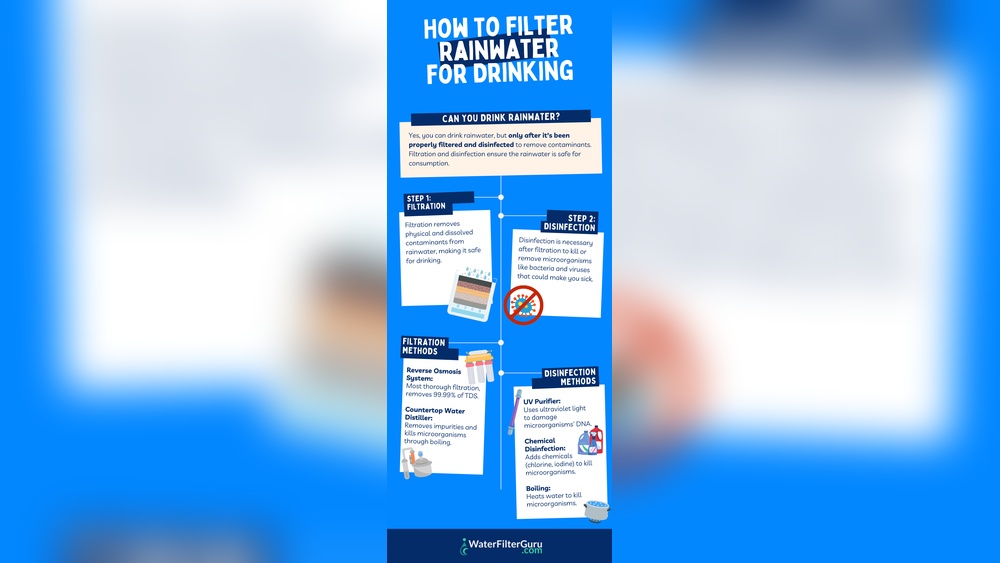
Advanced purification methods remove more germs and chemicals from rainwater. These techniques make water safe and clean to drink. They work well after basic filtering steps. This section explains three effective ways to purify rainwater for drinking.
Boiling And Heat Treatment
Boiling water kills bacteria, viruses, and parasites. Heat destroys most harmful germs quickly. Boil water for at least one minute. At higher altitudes, boil for three minutes. Let the water cool before drinking. Boiling is simple and needs no special tools.
Chemical Disinfection Options
Chemicals like chlorine or iodine kill germs in water. Add the right amount and wait 30 minutes. This method is lightweight and easy to carry. Follow instructions carefully to avoid bad taste or health risks. Chemical disinfection works well in emergencies or outdoors.
Uv Light Purifiers
UV purifiers use ultraviolet light to destroy germs. The light breaks down bacteria and viruses’ DNA. These devices need batteries or power to work. UV purifiers are fast and effective. They do not change water taste or smell. Keep the water clear for best results.
Diy Rainwater Filter Designs
Filtering rainwater at home is a smart way to get clean water. DIY rainwater filter designs use simple materials. They remove dirt and some germs from rainwater. These filters are easy to make and use. Anyone can build them with basic tools and supplies. Here are three practical designs to try.
Simple Bottle Filter
Use a plastic bottle to make a basic filter. Cut the bottom off the bottle. Fill it with layers of cloth, sand, and charcoal. Pour rainwater through the top. The layers trap dirt and small particles. This filter improves water clarity. It’s best to boil the water after filtering.
Multi-layered Filter System
This system uses several filter layers for better cleaning. Start with gravel at the bottom to catch large debris. Add sand above the gravel to trap smaller particles. Use activated charcoal on top to reduce odors and chemicals. Pour rainwater slowly through the layers. This filter takes more time but cleans water well.
Portable Filtration Units
Portable units are small and easy to carry. They use replaceable filter cartridges inside a container. These units can filter rainwater quickly. Some remove bacteria and viruses too. Good for camping or emergency kits. Clean water is ready to drink after using these units.
Testing And Storing Filtered Water
Testing and storing filtered rainwater is very important to keep it safe for drinking. Proper testing ensures the water is clean and free from harmful substances. Safe storage helps keep the water fresh and prevents new contamination.
Checking Water Clarity And Odor
Look at the water closely. Clear water is a good sign. Cloudy or murky water can mean dirt or particles remain. Smell the water. It should have no strong or strange smell. A bad odor can show bacteria or chemicals are still present.
Basic Water Testing Kits
Use simple water testing kits to check water safety. These kits test for common problems like bacteria, pH levels, and chemicals. Follow the instructions carefully for accurate results. Testing helps confirm the water is safe to drink after filtering.
Safe Storage Practices
Store filtered water in clean, sealed containers. Use food-grade plastic or glass bottles. Keep containers in a cool, dark place. Avoid direct sunlight to stop algae growth. Label the containers with the date of filtration. Replace stored water every few days to ensure freshness.
Maintaining Your Filtration System
Maintaining your rainwater filtration system ensures safe drinking water. Regular care keeps the system working well. It also extends the life of the filter parts. Clean filters remove dirt and bacteria effectively. Neglect can cause clogging and reduce water flow.
Cleaning Filter Components
Remove and rinse filter parts with clean water. Use a soft brush to scrub away stubborn dirt. Avoid harsh chemicals that can damage filters. Clean the filter housing to stop mold growth. Dry parts before reassembling to prevent bacteria.
Replacing Filter Materials
Change filter materials as the manufacturer suggests. Some filters need replacing every few months. Old filters lose their ability to clean water. Keep extra filter materials handy for quick swaps. Proper replacement ensures water stays safe to drink.
Troubleshooting Common Issues
Check for slow water flow or odd tastes. These signs often mean the filter is dirty or worn. Inspect for cracks or leaks in the system. Tighten loose parts to stop leaks. Replace damaged parts to keep water clean and safe.


Frequently Asked Questions
How Safe Is Rainwater For Drinking?
Rainwater is generally clean but may contain contaminants from air and surfaces. Proper filtration and purification ensure it is safe to drink.
What Methods Effectively Filter Rainwater For Drinking?
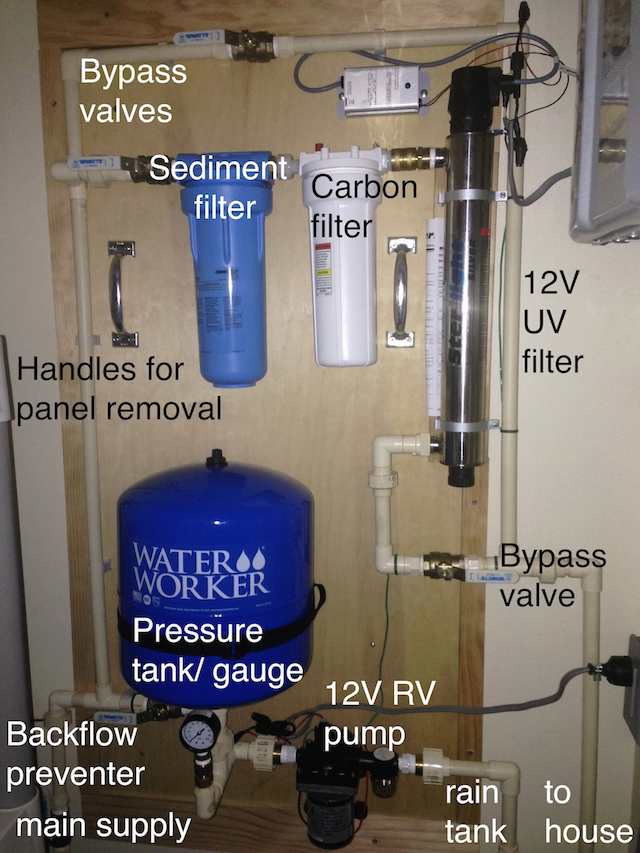
Effective methods include sediment filters, activated carbon filters, and UV purification. Combining filters improves water quality and removes harmful bacteria and particles.
Can I Drink Rainwater Without Boiling?
Boiling is recommended to kill pathogens. Filtration alone might not remove all microbes. Boiling ensures safer drinking water.
How Often Should Rainwater Filters Be Cleaned?
Filters should be cleaned every 2-4 weeks depending on usage. Regular maintenance prevents clogging and keeps water quality high.
Conclusion
Filtering rainwater makes it safer to drink and use daily. Simple tools like cloth, sand, and charcoal help remove dirt and germs. Boiling after filtering kills harmful bacteria and viruses. Always store filtered water in clean containers to keep it fresh.
Clean rainwater can be a good emergency water source. Try these easy steps to protect your health and stay hydrated. Safe water is important for everyone, anywhere.

Hasan Al Sarker is a Reverse Osmosis Specialist. He has worked for many years to ensure safe drinking water for all. His research paper has been published in several journals, including Issue, Medium, and Slideshare. He is recognized as a water doctor among specialists though he did not attend medical college.
Besides working as a researcher of reverse osmosis technology, he is also very fancy with the kitchen and cooking. His guides are reading thousands of people every day. As a head of content, he is responsible for all the published articles at RO System Reviews.