
Imagine you’re stranded somewhere with nothing but salty seawater around you. You know you need fresh water to survive, but how do you make salt water drinkable?
If you’ve ever wondered how to filter salt water effectively, you’re in the right place. This guide will show you simple, practical ways to turn salty water into safe, clean water you can use. Keep reading, because the knowledge you gain here could be a lifesaver when you need it most.
Why Filter Salt Water
Filtering salt water is important for safety and health. Salt water contains minerals and impurities that can harm the body. Removing salt and contaminants makes water safer to drink and use.
Clean water helps the body stay healthy and hydrated. It also improves taste and removes harmful substances. Understanding why to filter salt water helps make better choices for drinking water.
Health Risks Of Salt Water
Drinking salt water can cause serious health problems. High salt levels lead to dehydration. The body loses more water trying to remove salt. This can cause headaches, dizziness, and nausea.
Salt water may contain bacteria and pollutants. These can cause infections and stomach issues. Long-term use of salt water harms kidney and heart health. Filtering removes these dangers and protects the body.
Benefits Of Clean Drinking Water
Filtered water tastes better and smells fresh. It helps maintain balance in the body’s fluids. Clean water supports digestion and nutrient absorption. It also reduces the risk of disease from contaminants.
Using filtered water improves skin health and energy levels. It supports overall wellness and daily activities. Clean drinking water is essential for a healthy life.

Basic Filtration Techniques
Basic filtration techniques help remove dirt and large particles from salt water. These methods prepare water for further cleaning steps. Simple tools can make a big difference in water clarity and quality.
Using Cloth And Sand Filters
Cloth filters catch big debris like leaves and dirt. Use clean, tightly woven cloth for best results. Pour salt water slowly through the cloth to trap particles.
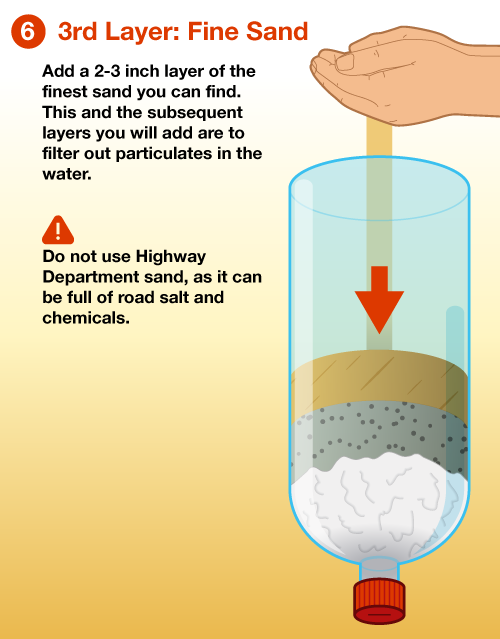
Sand filters remove smaller particles. Layer sand in a container or tube. Pour water through the sand and it will catch fine dirt and impurities. This process improves water clarity before more advanced filtering.
Activated Charcoal Benefits
Activated charcoal absorbs impurities and harmful chemicals. It helps remove odors and bad tastes from water. Use charcoal after cloth and sand filters for clearer water.
Charcoal works by trapping particles inside tiny pores. This process cleans the water and makes it safer to use. It is an affordable and natural way to improve water quality.
Boiling And Solar Distillation
Boiling and solar distillation are effective ways to remove salt from seawater. Both methods use heat to turn saltwater into clean drinking water. They do not need complex tools. These techniques work well during emergencies or in places without fresh water.
Boiling Salt Water Safely
Boiling kills germs and leaves salt behind. Use a metal or heat-safe container. Pour saltwater into the pot, then heat it on a stove or fire. Let it boil hard for at least 5 minutes. Steam rises and leaves salt in the pot. Cool the water before drinking. Do not drink the water left in the pot. It contains salt and other minerals.
Building A Solar Still At Home
A solar still uses sunlight to clean saltwater. Find a clear plastic sheet and a container. Dig a hole in the ground. Place saltwater in a small cup in the hole. Cover the hole with the plastic sheet. Put a small rock in the center of the sheet. The sun heats the water, and steam rises. It collects on the plastic and drips down into the cup. This water is fresh and safe to drink.
Reverse Osmosis Systems
Reverse osmosis systems are a popular choice for filtering salt water. They remove salt and other impurities effectively. These systems provide cleaner, safer water for various uses. Many people trust reverse osmosis for its reliability and efficiency.
Understanding how these systems work helps in choosing the best one. Knowing their features ensures you get the right system for your needs.
How Reverse Osmosis Works
Reverse osmosis uses a special membrane to filter water. Water is pushed through this membrane under pressure. Salt and other particles cannot pass through. Only clean water moves to the other side. This process removes up to 99% of salt and impurities. It produces fresh, drinkable water from salt water sources.
Choosing The Right Ro System
Consider the size of the system for your water needs. Small units work for home use, large ones for bigger demands. Check the system’s water output per day. Look for easy filter replacement and low maintenance. Energy use and cost also matter. Pick a system certified for safety and performance. This ensures clean water and long-lasting use.
Diy Desalination Methods
DIY desalination methods offer easy ways to turn salt water into drinkable water. These techniques use simple tools found at home. They help remove salt and impurities from seawater. Anyone can try these methods with basic supplies. Learning these skills can be useful during emergencies or outdoor adventures.
Simple Homemade Desalination
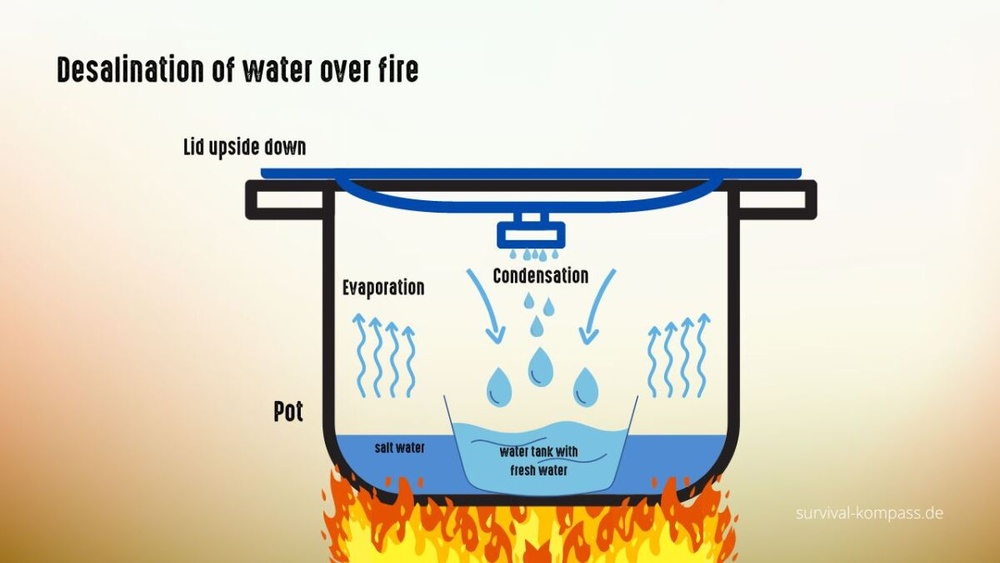
Simple homemade desalination works by boiling salt water and collecting steam. The steam leaves salt behind and becomes clean water. Use a pot with a lid and a heat source. Put salt water in the pot and place a bowl inside to catch steam drops. Heat the water gently until steam forms. The steam condenses on the lid and drips into the bowl. This water is safe to drink after cooling.
Using Plastic Bottles For Desalination
Plastic bottles can create a small solar still for desalination. Cut a plastic bottle in half and fill the bottom with salt water. Place the top half upside down like a funnel inside the bottom half. Seal the edges with tape or clay to trap moisture. Put the bottle in the sun for several hours. Water evaporates and condenses inside the funnel. The clean water collects at the bottle’s neck and can be poured out carefully.

Portable Water Filters For Salt Water
Portable water filters for salt water help remove impurities from seawater. They do not remove salt completely but make the water safer to drink. These filters are small, light, and easy to carry. They are useful in outdoor activities or emergencies near the sea.
Best Portable Filters Available
Some portable filters use advanced technology like reverse osmosis. This method pushes water through a membrane, removing salt and contaminants. Other filters use carbon or ceramic to clean water but cannot remove salt fully. Popular models include hand pumps and battery-powered units. Choose filters labeled for saltwater or brackish water use.
When To Use Portable Filters
Use portable filters during camping, boating, or hiking near saltwater. They are handy if no fresh water is available. Filters work well to remove bacteria, dirt, and chemicals from seawater. Always carry extra water or a backup plan. Filters do not replace full desalination systems for daily drinking needs.
Maintaining Filtration Equipment
Maintaining filtration equipment is key to effective salt water filtering. Clean and well-kept tools work better and last longer. Regular care prevents problems and keeps your system running smoothly. Simple steps can make a big difference in performance and durability.
Cleaning And Replacing Filters
Filters trap salt and dirt. They get clogged over time and slow down water flow. Clean filters regularly using fresh water to remove buildup. Replace filters according to the manufacturer’s instructions. Dirty or old filters reduce filtration quality and strain equipment.
Extending Equipment Lifespan
Keep equipment dry and store it properly after use. Check seals and connections for leaks or damage. Lubricate moving parts to prevent wear and tear. Use parts made for your specific model to avoid malfunctions. Routine inspections help spot issues early and save money on repairs.
Frequently Asked Questions
How Can I Filter Salt Water At Home?
You can filter salt water by using methods like boiling, solar distillation, or reverse osmosis. These techniques remove salt and impurities, making water safe to drink. Home setups often use simple solar stills or portable reverse osmosis units for effective salt removal.
What Is The Best Method To Filter Salt Water?
Reverse osmosis is the best method for filtering salt water. It uses a semipermeable membrane to remove salt and contaminants efficiently. This process produces clean, drinkable water and is widely used in desalination plants and portable water filters.
Can I Filter Salt Water Without Electricity?
Yes, you can filter salt water without electricity using solar distillation or boiling. Solar stills use sunlight to evaporate and condense pure water. Boiling and collecting steam also removes salt, but solar methods are more energy-efficient and sustainable for off-grid use.
How Long Does It Take To Filter Salt Water?
Filtering salt water duration varies by method. Reverse osmosis can take minutes to hours, depending on the system. Solar distillation usually takes several hours to a full day. Boiling and condensing steam might take an hour or more to produce clean water.
Conclusion
Filtering salt water is possible with the right tools and steps. Simple methods like boiling or using filters can remove salt effectively. Choosing a safe way depends on your needs and resources. Clean water is essential for health and daily use.
Practice these tips carefully for better results. Keep learning and stay safe when filtering salt water.

Hasan Al Sarker is a Reverse Osmosis Specialist. He has worked for many years to ensure safe drinking water for all. His research paper has been published in several journals, including Issue, Medium, and Slideshare. He is recognized as a water doctor among specialists though he did not attend medical college.
Besides working as a researcher of reverse osmosis technology, he is also very fancy with the kitchen and cooking. His guides are reading thousands of people every day. As a head of content, he is responsible for all the published articles at RO System Reviews.