Are you worried about the quality of your well water? You’re not alone.
Many people rely on well water but don’t know how to make sure it’s clean and safe for daily use. Filtering your well water can protect your family’s health and improve the taste and smell of the water you use every day.
You’ll discover simple, effective ways to filter your well water and enjoy fresh, pure water straight from your tap. Keep reading to find out how easy it is to take control of your water quality and keep your home safe.
Common Well Water Contaminants
Well water can contain many types of contaminants. These pollutants affect taste, smell, and safety. Knowing the common contaminants helps in choosing the right filter. Contaminants fall into three main groups: chemical, biological, and physical.
Chemical Pollutants
Chemical pollutants come from natural and human sources. They include pesticides, fertilizers, and industrial waste. Heavy metals like lead, arsenic, and mercury also appear in well water. Chemicals can cause health problems if consumed over time. Testing your water for chemicals is important.
Biological Contaminants
Biological contaminants include bacteria, viruses, and parasites. These microbes enter wells through soil or surface water. They cause illnesses like stomach upset and infections. Well water must be treated to kill or remove these germs. Boiling or using UV filters helps eliminate biological risks.
Physical Impurities
Physical impurities are particles and sediments in water. Sand, dirt, and rust often appear in well water. These particles affect water clarity and taste. They can also clog pipes and damage appliances. Using sediment filters removes these solid impurities effectively.

Signs Of Contaminated Well Water
Well water can be pure and safe, but it can also carry hidden dangers. Knowing the signs of contaminated well water helps protect your health. Contamination can happen from chemicals, bacteria, or natural minerals. Catching these signs early avoids serious problems.
Taste And Odor Changes
Water that tastes bitter, metallic, or salty may be unsafe. Strange smells like rotten eggs or chlorine are warning signs. These changes often mean pollution or bacteria are present. Trust your senses—they often detect problems before tests do.
Visual Indicators
Cloudy or murky water is a clear sign of contamination. Rust-colored or green water shows minerals or algae growth. Floating particles or sediment can mean pipe damage or dirt in the water. Clean water should look clear and fresh.
Health Symptoms
Stomach pain, nausea, or diarrhea after drinking well water can point to contamination. Skin rashes or irritation after washing may also be linked. Long-term exposure to bad water can cause serious illness. Watch for unusual health problems and act fast.
Choosing The Right Filtration System
Choosing the right filtration system for well water is important. It ensures clean, safe water for your home. Different filters work for different water problems. Knowing your options helps you pick the best one.
Types Of Filters
There are many types of filters for well water. Carbon filters remove bad taste and odor. Sediment filters catch dirt, sand, and rust. Reverse osmosis systems clean many chemicals and minerals. UV filters kill bacteria and viruses. Choose a filter based on your water’s needs.
Filter Capacity And Maintenance
Filter capacity means how much water a filter can clean before changing. Larger capacity means less frequent changes. Maintenance includes cleaning or replacing filter parts. Some filters need monthly care, others last longer. Check the filter’s instructions to keep it working well.
Cost Considerations
Costs vary between filter types and sizes. Some filters cost more upfront but save money on repairs. Others have low initial cost but need frequent replacement parts. Think about your budget and how much time you want to spend on upkeep. Choose a filter that fits your budget and water needs.
Step-by-step Filtration Process
Filtering well water is important for safe drinking and daily use. The process has clear steps to follow. Each step helps remove dirt, bacteria, and harmful substances from the water. This guide shows the step-by-step filtration process to keep your water clean and fresh.
Initial Water Testing
Start by testing your well water. Use a home testing kit or send a sample to a lab. Check for bacteria, chemicals, and minerals. Testing tells you what contaminants are present. This helps choose the right filter for your water.
Pre-filtration Setup
Prepare the filtration area before installing the system. Clean the water tank and pipes. Turn off the main water supply. Remove any large debris or sediment with a pre-filter. This step protects the main filter and improves its life.
Installing The Filter
Follow the manufacturer’s instructions carefully. Attach the filter to the main water line. Use proper tools to tighten connections and avoid leaks. Check that the filter is secure and water flows smoothly. Some filters need power, so plug them in if needed.
Regular System Checks
Check your filter regularly for blockages or damage. Replace filter cartridges as recommended. Clean any parts that collect dirt or slime. Test your water again every few months. Regular checks keep your system working well and your water safe.
Additional Water Purification Methods
Well water often contains germs and impurities that simple filters cannot remove. Using extra purification methods helps ensure water is safe to drink. These methods kill bacteria, viruses, and other harmful substances. Each method has its own way to clean water effectively.
Uv Treatment
UV treatment uses ultraviolet light to kill germs in water. The light breaks down bacteria and viruses, making water safe. It does not change water taste or add chemicals. UV systems are easy to install and need little maintenance. They work well with clear water for best results.
Chlorination
Chlorination adds chlorine to water to kill harmful microbes. It is a common method used in many water supplies. Chlorine works quickly and leaves a small disinfectant residue. This residue helps keep water clean in pipes and storage. Users must measure chlorine carefully to avoid taste or health issues.
Boiling And Distillation
Boiling water kills bacteria, viruses, and parasites effectively. Simply heat water until it bubbles and let it boil for one minute. Distillation involves boiling water and collecting the steam. The steam leaves behind impurities and then condenses back to water. Both methods produce pure water but can use time and fuel.

Maintaining Your Well And Filter System
Maintaining your well and filter system keeps your water safe and clean. Regular care prevents damage and costly repairs. It also ensures the system works at its best. Follow simple steps to protect your water source and enjoy fresh water every day.
Routine Cleaning
Clean your well and filter parts often. Remove dirt and debris from the filter housing. Wash the area around the well to stop contamination. Keep the system dry to avoid mold and rust. Regular cleaning helps water flow smoothly and stays pure.
Filter Replacement Schedule
Change filters on time to keep water clean. Check the filter’s lifespan in the user manual. Replace filters more often if water is very dirty. Fresh filters catch more dirt and germs. A good schedule stops blockages and keeps water tasting good.
Professional Inspection
Have a well expert check your system yearly. They find hidden problems early. Experts test water quality and system parts. Fix issues before they get worse. Professional checks help keep your well safe and efficient.
Tips For Long-term Well Water Safety
Keeping well water safe over time takes care and attention. Simple steps help protect your water and health. These tips support clean, fresh water from your well every day.
Proper Well Location
Choose a spot away from pollution sources. Avoid places near septic tanks, farms, or waste dumps. Pick higher ground to stop surface water from entering. This reduces risks of dirt and chemicals mixing with your water.
Avoiding Contamination Sources
Keep chemicals like pesticides and fuel far from the well. Do not pour harmful liquids nearby. Maintain a clean area around the well. Clear plants and debris to prevent buildup of germs or bugs.
Regular Water Quality Testing
Test your water at least once a year. Use certified labs for accurate results. Check for bacteria, nitrates, and other harmful substances. Early detection helps fix problems before they get worse.
Frequently Asked Questions
How Do I Test Well Water Quality Before Filtering?
You can test well water quality using a home testing kit or by sending a sample to a certified lab. Check for contaminants like bacteria, nitrates, and heavy metals. Regular testing ensures you choose the right filter and maintain safe water.
What Types Of Filters Remove Sediment From Well Water?
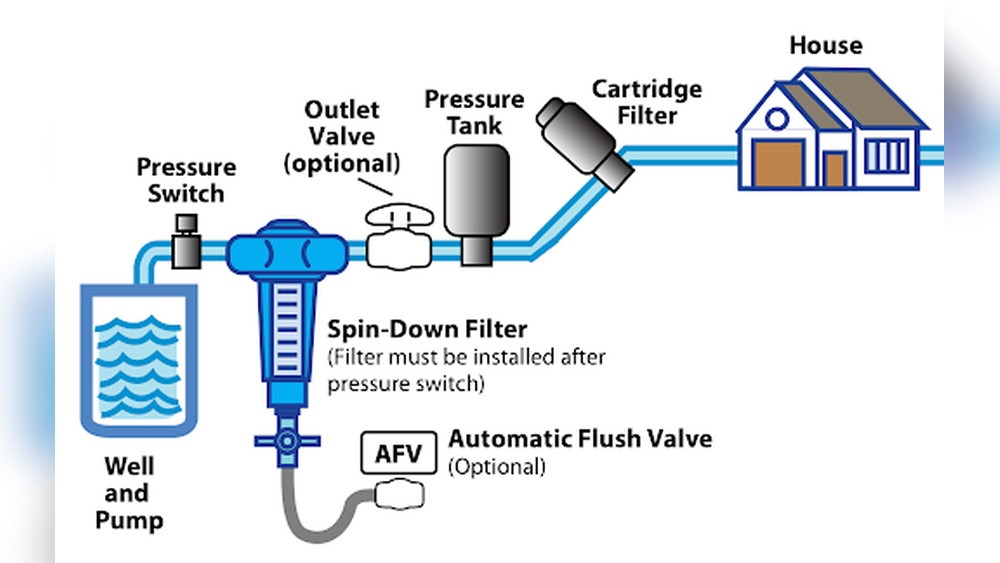
Sediment filters, such as cartridge or spin-down filters, effectively remove sand, dirt, and rust. They protect plumbing and other filters by trapping particles. Installing a sediment filter is the first step in well water filtration.
Can A Water Softener Improve Well Water Quality?
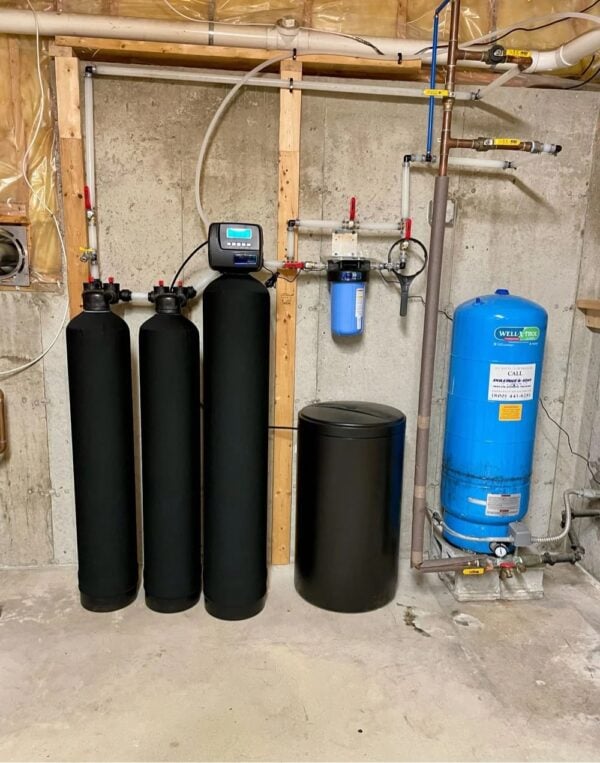
Yes, water softeners reduce hardness by removing calcium and magnesium. They prevent scale buildup in pipes and appliances. However, softeners do not remove bacteria or chemicals, so combine with other filters for complete treatment.
How Often Should Well Water Filters Be Replaced?
Filter replacement depends on usage and water quality but generally every 3 to 6 months. Regular replacement maintains filtration efficiency and water taste. Always follow manufacturer guidelines to ensure optimal well water safety.
Conclusion
Filtering well water keeps your water clean and safe to use. Choose the right filter based on your water’s needs. Regularly check and maintain your filter system for best results. Clean water helps protect your health and home. Small steps make a big difference in water quality.
Stay informed and take action to enjoy fresh water daily. Simple care can ensure your well water stays clear and fresh.

Hasan Al Sarker is a Reverse Osmosis Specialist. He has worked for many years to ensure safe drinking water for all. His research paper has been published in several journals, including Issue, Medium, and Slideshare. He is recognized as a water doctor among specialists though he did not attend medical college.
Besides working as a researcher of reverse osmosis technology, he is also very fancy with the kitchen and cooking. His guides are reading thousands of people every day. As a head of content, he is responsible for all the published articles at RO System Reviews.