Have you ever found yourself needing clean water but had nothing around except a simple bottle? What if you could turn that bottle into a lifesaving water filter right now?
You’re about to discover an easy, step-by-step way to make your own water filter using just a bottle and a few common materials. This isn’t just a clever trick—it’s a skill that can help protect your health in emergencies or outdoor adventures.
Keep reading, because by the end, you’ll have the confidence to create clean, safer water anytime you need it.
Materials Needed
Making a water filter with a bottle needs simple materials. These items help remove dirt and impurities from water. You can find most materials at home or local stores. Preparing the right materials makes the process easy and effective.
Choosing The Right Bottle
Pick a clean plastic bottle, about 1 to 2 liters. A clear bottle helps see the water level inside. Avoid bottles with cracks or holes. The bottle should be easy to cut and handle.
Essential Filtration Components
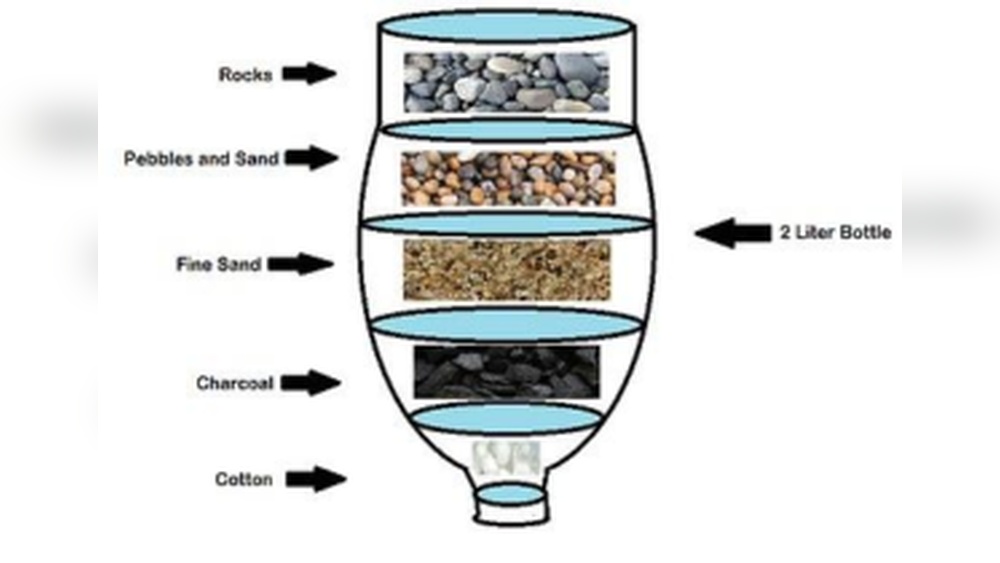
Use layers that filter water well. Start with clean cloth or coffee filter to stop big dirt. Add activated charcoal to remove bad smells and chemicals. Use fine sand and gravel to catch small particles. Each layer plays a key role in cleaning water.
Additional Tools
Gather scissors or a sharp knife to cut the bottle. Use a lighter or tape to fix parts if needed. Have a container to catch filtered water below. Clean hands and a workspace keep the process safe.
Preparing The Bottle
Preparing the bottle is the first step in making a simple water filter. It sets the base for all the filtering layers. A clean and well-prepared bottle helps the filter work better. This part focuses on cutting the bottle and making the filter layers inside it.
Cutting The Bottle
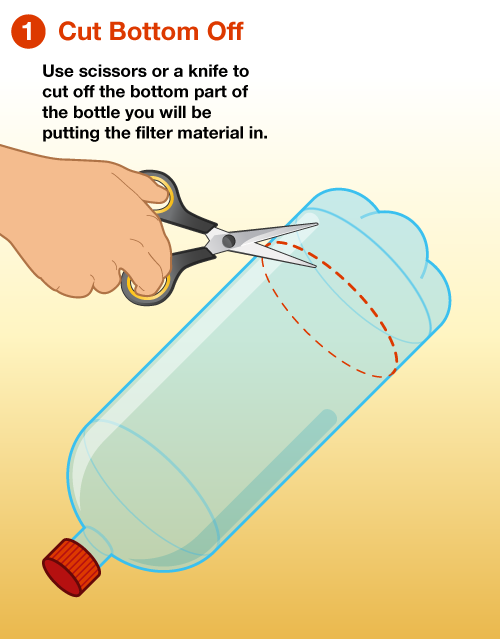
Start with a clean plastic bottle. Use scissors or a sharp knife carefully. Cut the bottle in half or a little above the middle. The top part will hold the filter materials and water. The bottom part will catch the clean water. Make sure the cut is smooth to avoid injuries.
Creating The Filter Layers
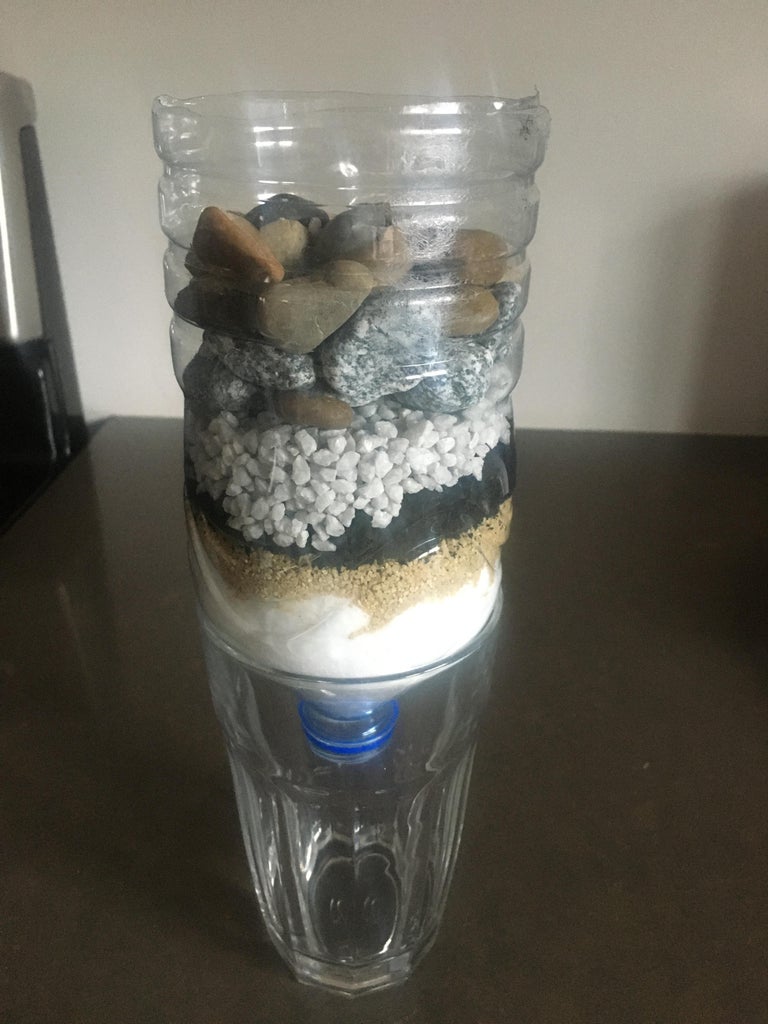
Turn the bottle top upside down like a funnel. Add the filter materials in layers. Start with a small piece of cloth or coffee filter at the neck. Next, add fine sand to trap small particles. Then add coarse sand or dirt. Finally, put activated charcoal or small stones on top. Each layer helps clean the water step by step.
Assembling The Filter
Assembling the water filter is a simple and important step. It helps clean water by trapping dirt and particles. Using a plastic bottle, you can create a basic filter at home. This section explains how to build the filter correctly.
Layering Materials Correctly
Start by cutting the bottle in half. Use the top part upside down like a funnel. Place cloth or coffee filter at the neck to stop materials from falling out. Add layers carefully.
First, put small stones or gravel. It blocks big debris and dirt. Next, add sand. Sand helps trap smaller particles. On top of sand, add activated charcoal. This removes bad smells and chemicals.
Finish with another cloth layer. It keeps all materials in place. Each layer must be even and tight. This helps water flow smoothly through the filter.
Securing The Filter Setup
Hold the filter layers firmly in place. Use rubber bands or tape to wrap around the bottle neck. This keeps layers from mixing. Make sure the filter does not move.
Place the bottom half of the bottle under the filter funnel. It collects clean water. Keep the filter steady on a flat surface. Pour water slowly into the filter top. Watch the clean water drip down.

Using The Water Filter
Using the water filter made from a bottle is simple and practical. This section explains how to use your homemade filter effectively. Follow each step carefully to ensure the water gets cleaner and safer to drink.
Filtering Process Steps
First, pour the dirty water slowly into the top of the filter. Let the water pass through each layer inside the bottle. The layers trap dirt, sand, and other particles.
Collect the clean water from the bottom of the bottle. It may take a few minutes for the water to filter completely. Repeat the process if the water still looks cloudy or dirty.
Do not rush. Give the filter time to work. Clean water is safer and tastes better.
Tips For Effective Filtration
Use small amounts of water at a time. This helps the filter clean the water well. Avoid pouring water too fast. Fast flow means less cleaning.
Replace the filter materials regularly. Old materials lose their ability to clean water. Keep the bottle and layers dry when not in use. This stops mold and bacteria from growing.
Use the filter only for clear water sources. Very muddy or chemical-contaminated water may need other treatment methods.
Cleaning And Maintenance
Keeping your homemade water filter clean is very important. Clean filters work better and last longer. Regular care stops bad smells and dirt build-up. This keeps the water safe and fresh.
When To Replace Filter Materials
Filter materials like charcoal, sand, and cloth wear out over time. Change them every 1 to 2 months. Watch for slow water flow or strange smells. These signs mean the filter is dirty. Using old materials can let dirt pass through. Always use fresh materials for clean water.
Cleaning The Bottle
Wash the bottle every week with warm soapy water. Rinse it well to remove soap. Avoid strong chemicals that can harm the filter. Dry the bottle completely before refilling. Clean bottles stop bacteria from growing inside. This keeps your water pure and safe.
Troubleshooting Common Issues
Making a water filter with a bottle is simple, but sometimes problems occur. These issues can affect how well the filter works. Knowing how to fix common problems helps keep the water clean and safe to drink.
Slow Filtration Problems
Slow filtration happens when water moves too slowly through the filter. Dirt or small particles can block the filter layers. Check if the filter materials are packed too tightly. Loosen them gently to allow water to pass easier. Make sure the bottle holes are not clogged. Clean the holes with a small tool or needle. Using fresh filter materials also improves flow speed.
Dealing With Cloudy Water
Cloudy water means the filter is not cleaning well. Tiny particles may still be in the water. Replace the sand, charcoal, or cloth layers if they look dirty. Wash the filter parts with clean water before reuse. Avoid using dirty or old materials that reduce filter quality. Adding a fine layer of charcoal helps clear the water better. Let the water sit a little after filtering to allow particles to settle.
Safety Considerations
Making a water filter with a bottle is a helpful skill. It can provide cleaner water in emergencies or outdoor trips. Safety matters most when using these filters. Knowing what they can and cannot do keeps you safe. Understanding how to check water safety is very important. This section covers key safety points for DIY water filters.
Limitations Of Diy Filters
DIY water filters remove dirt and some particles. They do not remove all germs or chemicals. Viruses can pass through these filters. Chemicals from pollution may still be in the water. Using these filters alone may not make water safe. Do not rely only on a bottle filter for drinking water.
These filters help improve water clarity. They work best with water that looks clean. Cloudy or smelly water needs more treatment. Boiling or using chemical purifiers may be necessary. Always know the limits before drinking filtered water.
Ensuring Water Is Safe To Drink
Boil filtered water to kill bacteria and viruses. Boiling for at least one minute is best. Use chemical tablets or drops if boiling is not possible. Follow instructions carefully for safe use. Store filtered water in clean containers only.
Check water for strange color or smell before use. If water looks or smells bad, do not drink it. Use clear, fresh water sources for filtering. Clean your DIY filter parts regularly. Dirty filters can cause more harm than good.
Frequently Asked Questions
How Do You Make A Water Filter With A Bottle?
Cut the bottle in half and invert the top as a funnel. Layer cotton, sand, and charcoal inside. Pour water through to filter out impurities effectively.
What Materials Are Needed For A Bottle Water Filter?
You need a plastic bottle, cotton balls, activated charcoal, fine sand, and gravel. These layers help remove dirt and contaminants from water.
How Effective Is A Homemade Water Filter Bottle?
It removes large particles and some impurities but doesn’t eliminate all bacteria or viruses. Use it as a basic filter, not a complete purifier.
Can A Bottle Water Filter Remove Chemicals From Water?
No, homemade filters mainly remove sediments and debris. Chemicals and dissolved contaminants require advanced filtration methods like activated carbon filters or purification tablets.
Conclusion
Making a water filter with a bottle is simple and useful. You only need a few basic materials. This filter helps remove dirt and some impurities from water. It is not perfect for all water types but works well in emergencies.
Always try to boil water after filtering for safety. This easy method can help when clean water is hard to find. Practice making the filter before you need it. Stay safe and keep water clean wherever you go.

Hasan Al Sarker is a Reverse Osmosis Specialist. He has worked for many years to ensure safe drinking water for all. His research paper has been published in several journals, including Issue, Medium, and Slideshare. He is recognized as a water doctor among specialists though he did not attend medical college.
Besides working as a researcher of reverse osmosis technology, he is also very fancy with the kitchen and cooking. His guides are reading thousands of people every day. As a head of content, he is responsible for all the published articles at RO System Reviews.