
Do you want to improve the quality of your water without spending a lot of money? Making your own charcoal for a water filter is easier than you might think.
With just a few simple steps, you can create a powerful natural filter that cleans your water and keeps you healthy. You’ll discover how to make charcoal at home, why it works so well, and how to use it in your water filter.
Keep reading, and you’ll have the knowledge to make cleaner water for you and your family.

Materials Needed
Making charcoal for a water filter needs some basic materials. These materials affect the quality of charcoal. Good charcoal cleans water better. Gather the right supplies before starting.
Choosing The Right Wood
Hardwood works best for charcoal. Oak, maple, or hickory are strong choices. Avoid softwoods like pine or cedar. Softwoods produce less charcoal and more smoke. Dry wood burns better and makes purer charcoal. Cut wood into small pieces to burn evenly.
Additional Supplies
You need a metal container with a lid for burning wood. A metal drum or large can works well. Make small holes in the container for airflow. Use gloves and safety glasses for protection. Have a fire source like matches or a lighter. A shovel or tongs help handle hot charcoal safely.
Preparing The Wood
Preparing the wood is the first step in making charcoal for a water filter. Good wood makes good charcoal. It needs to be dry and cut into the right size. This helps the wood burn evenly and turn into charcoal properly. Taking care with the wood ensures the charcoal will clean water well.
Cutting And Drying
Choose hardwood like oak, maple, or fruit trees. Cut the wood into small pieces about 3 to 4 inches long. Smaller pieces burn more evenly and faster. Stack the wood in a dry place with good air flow. Let it dry for at least two weeks. Dry wood lights easily and makes better charcoal.
Safety Precautions
Wear gloves to protect your hands from splinters. Use safety glasses to protect your eyes while cutting. Work in a well-ventilated area to avoid breathing dust. Keep a first aid kit nearby in case of accidents. Handle tools carefully and keep children away.
Charcoal Making Methods
Charcoal making is a simple process that changes wood into charcoal. This charcoal can then be used in water filters to remove impurities. Different methods exist to make charcoal, each with its own steps and tools. Understanding these methods helps you choose the best one for your needs.
Two common ways to make charcoal are the Traditional Pit Method and the Metal Drum Method. Both create charcoal by heating wood without much air. This process is called pyrolysis.
Traditional Pit Method
The Traditional Pit Method is old and widely used. Start by digging a hole in the ground. Fill it with dry wood stacked tightly. Cover the wood with leaves or grass to reduce air flow.
Light the wood slowly from the top or side. The fire burns inside the pit, turning wood into charcoal. Keep the fire low to avoid burning all the wood. Let the wood smolder for several hours. After cooling, remove the charcoal carefully.
Metal Drum Method
The Metal Drum Method uses a closed container, like a metal drum. Place wood inside the drum and seal it. Heat the drum from outside using fire or coals. This limits air and controls the burn.
Heat until the wood inside turns black and brittle. This takes a few hours. Let the drum cool fully before opening. The result is clean charcoal ready for water filtering. This method is faster and cleaner than the pit.
Turning Charcoal Into Filter Media
Turning charcoal into filter media is a simple process. It makes charcoal ready for cleaning water. Raw charcoal needs changes to trap dirt and chemicals. This section explains two key steps: crushing and sieving, and activating charcoal.
Crushing And Sieving
Start by breaking large charcoal pieces into small chunks. Use a hammer or heavy tool for crushing. The goal is to get pieces about 1 to 3 millimeters wide. Next, sift the crushed charcoal through a sieve. This removes dust and very tiny bits. The right size helps water flow well through the filter. It also increases the surface area for better filtering power.
Activating Charcoal
Activation improves charcoal’s ability to trap impurities. Heat the crushed charcoal in a controlled way. Use a metal container with holes for air. Heat it over medium fire for 1 to 2 hours. This process opens tiny pores inside the charcoal. These pores trap toxins, bacteria, and bad smells. Allow charcoal to cool completely before using it in your water filter.
Building The Water Filter
Building a water filter with charcoal is a simple and effective way to clean water. The right setup ensures the water passes through several layers that trap dirt and harmful substances. This process improves water taste and safety.
Carefully arranging the materials inside the filter is key. Each layer plays a special role. Follow the steps below to build a strong, working filter.
Layering Materials
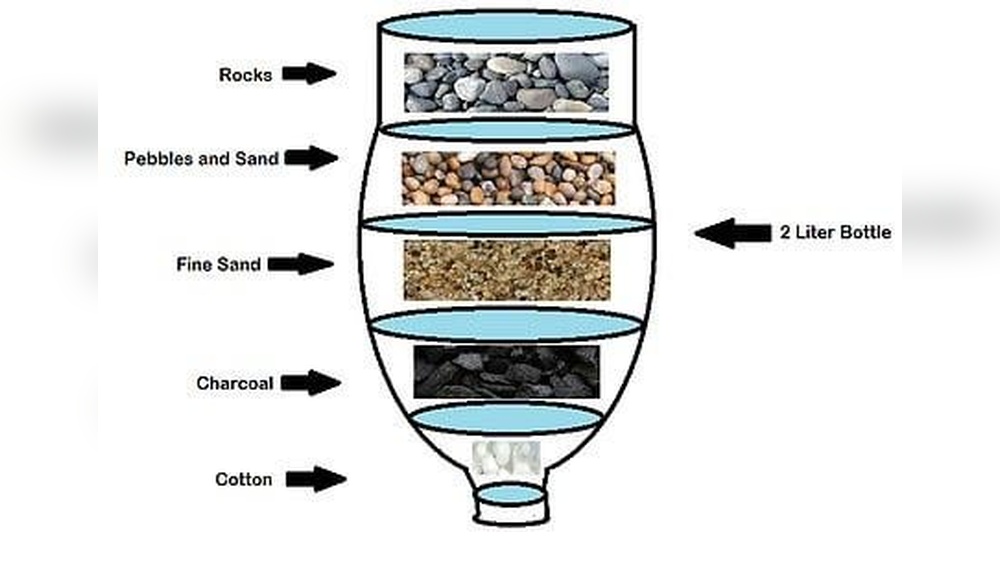
Start with a clean container or bottle. Place a piece of cloth or a coffee filter at the bottom. This stops charcoal and sand from falling out.
Add a layer of fine sand next. Sand filters small particles and dirt. Then, put a thicker layer of activated charcoal. Charcoal traps chemicals and bad odors. Finally, add a layer of coarse gravel on top. Gravel holds the other layers in place and filters larger debris.
Filter Assembly Tips
Use clean materials to avoid contamination. Do not pack the layers too tightly. Water must flow smoothly through each layer. Test the filter by pouring water slowly. Check if water comes out clear and clean.
Replace charcoal and sand regularly. Dirty materials reduce filter performance. Clean the container before each refill. This keeps the water safe and fresh.
Maintaining Your Charcoal Filter
Maintaining your charcoal filter is essential for clean, safe water. Proper care keeps the filter working well and extends its life. Regular checks and simple cleaning steps help the charcoal remove impurities effectively.
Cleaning Procedures
Remove the charcoal from the filter container carefully. Rinse the charcoal under clean, running water to clear dirt. Avoid using soap or chemicals, as they harm the charcoal’s filtering power. Let the charcoal dry completely before placing it back. Clean the filter container with warm water and a soft cloth. Repeat this cleaning every few weeks for best results.
When To Replace Charcoal
Charcoal loses its ability to filter over time. Replace it every 3 to 6 months for safe water. If water smells or tastes strange, change the charcoal sooner. Also, replace charcoal if it looks broken or dusty. Fresh charcoal ensures the best filtering performance. Keep track of replacement dates for easy maintenance.

Frequently Asked Questions
What Materials Are Needed To Make Charcoal For Water Filters?
You need hardwood, a metal container with holes, and firewood or charcoal for heat. Hardwood is best for pure charcoal. The container allows gases to escape during burning. These materials help create effective charcoal for filtering water impurities safely.
How Long Does It Take To Make Charcoal At Home?
Making charcoal typically takes 4 to 6 hours. The hardwood must burn slowly in a low-oxygen environment. This process removes moisture and volatile compounds, leaving pure charcoal. Time may vary based on wood type and container size. Patience ensures high-quality charcoal for water filtration.
Why Is Charcoal Effective In Water Filtration?
Charcoal has a porous structure that traps impurities. It absorbs chemicals, toxins, and odors effectively. This makes water cleaner and safer to drink. Activated charcoal increases filtration efficiency by maximizing surface area. Its natural adsorption properties improve water taste and quality significantly.
Can I Use Any Wood To Make Charcoal For Filters?
Hardwoods like oak, maple, or hickory are best. Softwoods contain resin and burn too quickly, reducing charcoal quality. Using hardwood produces denser, longer-lasting charcoal with better filtration properties. Avoid treated or painted wood to prevent harmful chemicals in your water filter charcoal.
Conclusion
Making charcoal for a water filter is simple and useful. You only need basic materials and some time. This charcoal helps clean water by trapping dirt and bad smells. You can reuse it several times before replacing it. Using homemade charcoal saves money and is eco-friendly.
Try making your own charcoal for better water at home. Clean water is important for health. Small steps like this make a big difference every day.

Hasan Al Sarker is a Reverse Osmosis Specialist. He has worked for many years to ensure safe drinking water for all. His research paper has been published in several journals, including Issue, Medium, and Slideshare. He is recognized as a water doctor among specialists though he did not attend medical college.
Besides working as a researcher of reverse osmosis technology, he is also very fancy with the kitchen and cooking. His guides are reading thousands of people every day. As a head of content, he is responsible for all the published articles at RO System Reviews.