Are you sure the water you drink every day is truly clean? Measuring water purity isn’t as complicated as it sounds, and knowing how to do it can protect your health and your family’s well-being.
You’ll discover simple, effective ways to check your water’s quality. By learning these easy methods, you’ll gain confidence in the safety of your water—and avoid hidden risks before they become problems. Keep reading to find out exactly how you can measure water purity yourself, step by step.

Credit: www.ebay.com
Importance Of Water Purity
Water purity is essential for health and daily life. Clean water supports body functions and prevents illness. Knowing how pure water is helps protect families and communities. Testing water quality prevents risks from unseen pollutants. Staying aware of water purity keeps life safe and healthy.
Health Risks Of Contaminated Water
Contaminated water can cause serious health problems. Drinking polluted water may lead to stomach pain and diarrhea. Some diseases spread through unsafe water, like cholera and typhoid. Long-term exposure to bad water can harm organs. Children and elderly are more vulnerable to these risks.
Common Water Pollutants
Pollutants in water come from many sources. Bacteria and viruses are common and cause infections. Chemicals like pesticides and heavy metals enter water from farms and factories. Sediment and dirt cloud water and carry germs. Understanding these pollutants helps in choosing proper water treatment methods.

Credit: www.wikihow.com
Types Of Water Testing Methods
Water purity is essential for health and safety. Testing water helps find harmful substances and ensures clean drinking water. Various methods exist to check water quality. Each method offers unique benefits and suits different needs.
Chemical Testing Kits
Chemical testing kits are easy to use at home. They include test strips or liquid reagents. Users dip strips into water to check for chlorine, pH, hardness, and nitrates. Results appear as color changes. These kits provide quick, basic water quality information. They are affordable and require no special skills.
Electronic Water Testers
Electronic water testers use sensors to measure water purity. They test pH, conductivity, total dissolved solids (TDS), and temperature. These devices give fast, digital readings. They are more precise than chemical kits. Electronic testers are portable and simple to operate. Regular use helps monitor water quality consistently.
Laboratory Analysis
Laboratory analysis offers the most accurate water testing. Samples are sent to certified labs for detailed examination. Labs test for bacteria, heavy metals, pesticides, and other contaminants. Results provide in-depth data about water safety. Lab testing is ideal for serious concerns or legal requirements. This method takes longer and costs more but ensures reliable results.
Preparing For Water Testing
Preparing for water testing is a key step to get accurate results. Careful preparation helps avoid mistakes and false readings. Testing water purity needs clear planning before collecting samples. Follow simple rules to make sure your test is reliable.
Focus on picking the right sample and keeping it clean. These steps protect the water from changes or pollution before testing. Care in preparation leads to better understanding of water quality.
Selecting The Right Sample
Choose water from the area you want to test. Use clean containers made for water sampling. Avoid using containers that held other liquids. Take samples from the middle of the water flow, not near edges. This gives a true picture of water quality.
Collect enough water for all the tests you plan. Label each sample with date, time, and location. This helps track samples and results clearly.
Avoiding Contamination
Keep everything clean before and during sampling. Wash your hands and tools with soap and clean water. Do not touch the inside of containers or lids. Use gloves if possible to stop dirt or germs from getting in. Close containers tightly after collecting water.
Store samples in a cool place until testing. Avoid leaving them in direct sunlight or heat. This stops changes in water that affect test results.
Step-by-step Testing Process
Testing water purity involves clear steps anyone can follow. This helps ensure water is safe to drink or use. The process uses simple tools and careful observation. Each step matters for accurate results. Below is a clear guide to test water purity at home or in the field.
Collecting Water Samples
Use a clean container to gather water samples. Avoid touching the inside of the container. Collect water from the source directly. Fill the container without spilling or contaminating it. Label the sample with the date and source. Keep the sample cool and test it soon.
Using Test Strips And Kits
Dip the test strip into the water sample. Follow the instructions for how long to dip. Remove the strip and wait for the colors to develop. Use a testing kit if more details are needed. Kits often include vials, chemicals, and color charts. Handle all materials carefully and safely.
Interpreting Test Results
Compare the strip colors to the chart provided. Each color shows a different level of purity or contamination. Note levels of chlorine, pH, hardness, and bacteria if tested. Record the results clearly for reference. Look for signs of unsafe water. Act according to the level of impurities found.
Key Parameters To Measure
Measuring water purity requires checking several important factors. These factors help understand water quality clearly. Each factor shows different aspects of water safety and cleanliness. Testing these key parameters gives a full picture of water purity.
Ph Levels
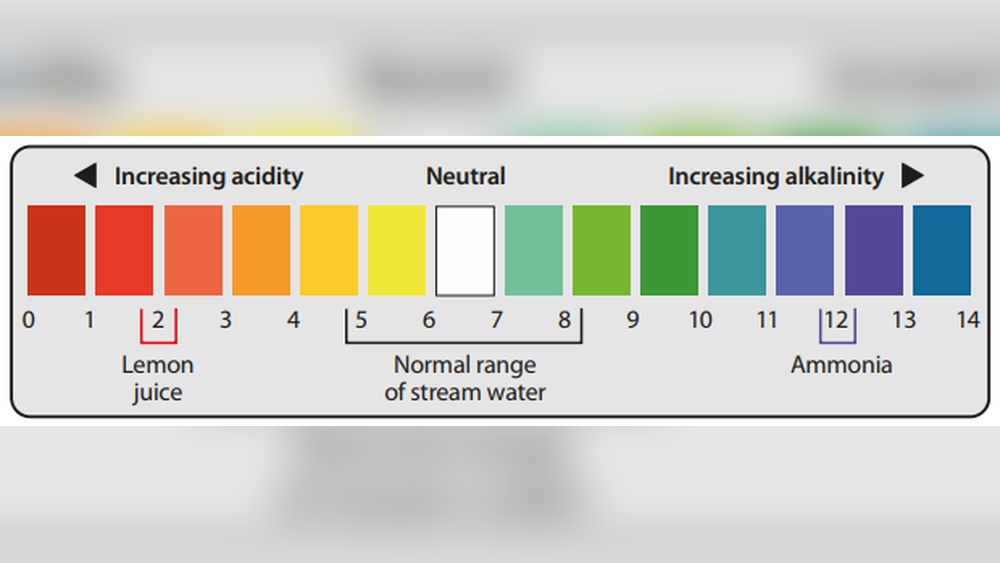
pH measures how acidic or basic water is. It ranges from 0 to 14. Pure water usually has a pH near 7, which is neutral. If pH is too low or high, water can harm pipes and health. Testing pH helps ensure water is safe to drink and use.
Turbidity
Turbidity shows how clear or cloudy water is. It comes from particles like dirt or tiny organisms. High turbidity can hide harmful germs and chemicals. Clear water usually means fewer pollutants. Measuring turbidity helps check water cleanliness visually and scientifically.
Chemical Contaminants
Chemical contaminants include substances like lead, chlorine, and pesticides. These chemicals can enter water through pollution or pipes. Some chemicals cause health problems if consumed over time. Testing for chemicals ensures water is free from dangerous substances.
Microbial Contamination
Microbial contamination means harmful bacteria, viruses, or parasites in water. These tiny organisms can cause diseases. Testing for microbes shows if water is safe to drink. Water treatment often focuses on removing or killing these microbes.
Ensuring Accuracy And Reliability
Ensuring accuracy and reliability is key when measuring water purity. Accurate results help protect health and confirm water safety. Reliable tests avoid mistakes and give clear information.
Simple errors can lead to wrong conclusions. Following proper steps keeps the testing process trustworthy. Using the right tools and methods matters a lot.
Calibration Of Equipment
Equipment must be calibrated regularly for accurate readings. Calibration adjusts the device to known standards. This step removes errors from the tools.
Without calibration, measurements may be off or inconsistent. Follow manufacturer instructions for proper calibration. Regular checks keep equipment working correctly over time.
Repeat Testing
Testing water multiple times improves result reliability. Repeat tests catch errors or unusual results. Consistent results show trustworthy data.
Tests done on different days or samples reduce risks of mistakes. Repeat testing confirms water quality clearly and safely.
Professional Water Testing Services
Experts offer detailed and accurate water testing services. They use advanced tools and follow strict procedures. Professionals can detect impurities not found by home kits.
Using these services gives peace of mind. Trust trained specialists to provide reliable water purity results. This step ensures water safety for families and communities.
Maintaining Clean Water Sources
Maintaining clean water sources is vital for health and safety. Polluted water spreads diseases and harms the environment. Protecting water sources keeps communities safe and ecosystems balanced.
Clean water supports plants, animals, and people. Preventing contamination is better than fixing problems later. Simple steps can keep water pure and fresh.
Regular Monitoring
Check water quality often to spot problems early. Test for chemicals, bacteria, and dirt regularly. Use simple kits or hire experts for accurate results. Monitoring helps catch pollution before it spreads.
Keep records of water tests to track changes. Consistent checks improve water management and safety. Communities benefit from clean water through fewer illnesses.
Water Treatment Options
Use treatment methods to remove harmful substances. Filtration, chlorination, and boiling are common ways. Each method targets different contaminants in water.
Treating water before use ensures it is safe. Choose the right treatment based on water quality tests. Treated water protects health and prevents disease.

Credit: www.avidityscience.com
Frequently Asked Questions
What Are Common Methods To Measure Water Purity?
Common methods include chemical testing, TDS meters, pH testing, and microbial analysis. Each method identifies specific contaminants for accurate water quality assessment.
How Does A Tds Meter Indicate Water Purity?
A TDS meter measures total dissolved solids in water. Lower TDS values usually indicate higher water purity and fewer impurities.
Why Is Ph Important In Water Purity Testing?
PH indicates water’s acidity or alkalinity. Balanced pH levels ensure water is safe and free from harmful chemical imbalances.
Can Home Kits Accurately Measure Water Purity?
Yes, home kits provide quick, basic water quality checks. They detect common contaminants but may miss complex pollutants requiring lab tests.
Conclusion
Measuring water purity helps keep your water safe and clean. Simple tests show if water has harmful substances. Regular checks protect your health and home. Use easy tools like pH strips or TDS meters. Clear water means fewer risks for you and your family.
Stay aware of water quality in your area. Clean water supports good health every day. Keep your water pure. It’s worth the effort.

Hasan Al Sarker is a Reverse Osmosis Specialist. He has worked for many years to ensure safe drinking water for all. His research paper has been published in several journals, including Issue, Medium, and Slideshare. He is recognized as a water doctor among specialists though he did not attend medical college.
Besides working as a researcher of reverse osmosis technology, he is also very fancy with the kitchen and cooking. His guides are reading thousands of people every day. As a head of content, he is responsible for all the published articles at RO System Reviews.