Are you sure the water you drink is truly clean? Measuring water purity is easier than you think, and it can protect your health and peace of mind.
You’ll discover simple, effective ways to test your water at home or with professional tools. By the end, you’ll know exactly how pure your water is—and how to keep it that way. Keep reading to take control of your water quality and make every drop safe for you and your family.
Importance Of Water Purity
Water purity is crucial for health and safety. Clean water supports life and prevents illness. Polluted water causes many diseases and health problems. Knowing water purity helps protect families and communities.
Water purity impacts daily life. It affects drinking, cooking, and cleaning. Pure water keeps skin and hair healthy. It also protects appliances from damage caused by minerals and chemicals.
Health Benefits Of Pure Water
Pure water reduces the risk of infections and diseases. It contains no harmful bacteria or chemicals. Drinking clean water improves digestion and energy. It helps the body function properly every day.
Environmental Impact
Clean water supports plants and animals. It keeps rivers, lakes, and oceans healthy. Polluted water harms wildlife and ecosystems. Protecting water purity helps preserve nature’s balance.
Economic Importance
Pure water lowers medical costs by preventing illness. It reduces expenses for water treatment and repairs. Clean water boosts productivity and saves money. It is a valuable resource for communities and businesses.
Common Contaminants In Water
Water purity depends on the absence of harmful substances. Common contaminants affect water quality and safety. Knowing these contaminants helps in measuring water purity accurately.
Chemical Pollutants
Chemical pollutants include substances like pesticides, heavy metals, and industrial waste. They enter water from factories, farms, and old pipes. These chemicals can cause serious health problems. Testing for chemicals requires special tools and kits.
Biological Contaminants
Biological contaminants include bacteria, viruses, and parasites. They come from sewage, animal waste, and natural sources. These germs can cause illnesses and infections. Simple tests can detect harmful bacteria in water.
Physical Impurities
Physical impurities are particles like sand, dirt, and rust. They do not cause illness but affect water clarity and taste. These impurities come from soil erosion, pipe corrosion, or construction sites. Filtering can remove most physical impurities.
Types Of Water Testing Methods
Testing water purity helps ensure safe drinking and usage. Several methods exist to check water quality. Each method offers unique benefits and suits different needs. Understanding these methods makes it easier to choose the right one.
Diy Test Kits
DIY test kits are easy to use at home. They often include strips or small bottles. These kits test for common contaminants like chlorine, lead, or bacteria. Results appear in minutes by comparing colors. They are affordable and fast. Great for quick checks but less accurate than other methods.
Laboratory Testing
Laboratory testing provides detailed and accurate results. You collect a water sample and send it to a lab. Experts analyze it for many pollutants and chemicals. Labs follow strict procedures for reliable data. This method is best for thorough and official testing. It takes longer but gives a full picture of water quality.
Electronic Testing Devices
Electronic devices measure water purity using sensors. They test things like pH, conductivity, and turbidity. These gadgets give instant digital readings. Some devices connect to smartphones for easy tracking. They are more precise than DIY kits. Good for regular monitoring and quick checks.

Credit: www.ebay.com
Preparing For Water Testing
Preparing for water testing is the first step in checking water purity. Careful preparation ensures accurate results. It involves choosing the right spot, collecting samples correctly, and handling them with care. Each step affects the test outcome.
Selecting The Sample Site
Choose a spot that best represents the water source. Avoid places near pollution, such as drains or factories. Pick areas with flowing water instead of stagnant pools. This helps get a true picture of water quality.
Collecting Water Samples
Use clean containers to collect water. Rinse containers with water from the site before filling them. Fill containers without touching the inside to avoid contamination. Take samples from below the surface, about 6 inches deep, to avoid debris.
Storing And Handling Samples
Store samples in cool, dark places to keep them fresh. Avoid direct sunlight or heat during transport. Test samples as soon as possible, ideally within 24 hours. Keep containers sealed tightly to prevent contamination or evaporation.
Step-by-step Water Testing Process
Measuring water purity is simple with the right steps. Testing water helps find harmful substances. It also shows if water is safe for use.
Follow these easy steps to test water quality at home. Different methods suit different needs. Choose one that fits your situation.
Using Test Strips
Test strips are quick and easy to use. Dip the strip into water for a few seconds. Remove and wait for color changes.
Compare the strip color with the chart provided. Each color shows a different level of purity. It checks common contaminants like chlorine and pH.
Performing Chemical Tests
Chemical tests use small bottles and tablets. Add water and tablets to the bottle. Shake it gently and wait for color change.
Match the new color to the chart. This method tests for metals, nitrates, and bacteria. It takes more time but gives detailed results.
Using Digital Meters
Digital meters provide fast and accurate readings. Turn on the meter and place the probe in water. Wait for numbers to appear on the screen.
These meters measure pH, conductivity, and total dissolved solids. They need batteries and proper care. Digital meters are good for regular water checks.

Credit: www.avidityscience.com
Interpreting Test Results
Interpreting water purity test results is important to know your water quality. Tests give numbers and terms that need clear understanding. This helps in deciding if the water is safe or requires treatment. Each result tells a part of the water’s story. Knowing how to read these numbers guides you in keeping your water clean.
Understanding Test Indicators
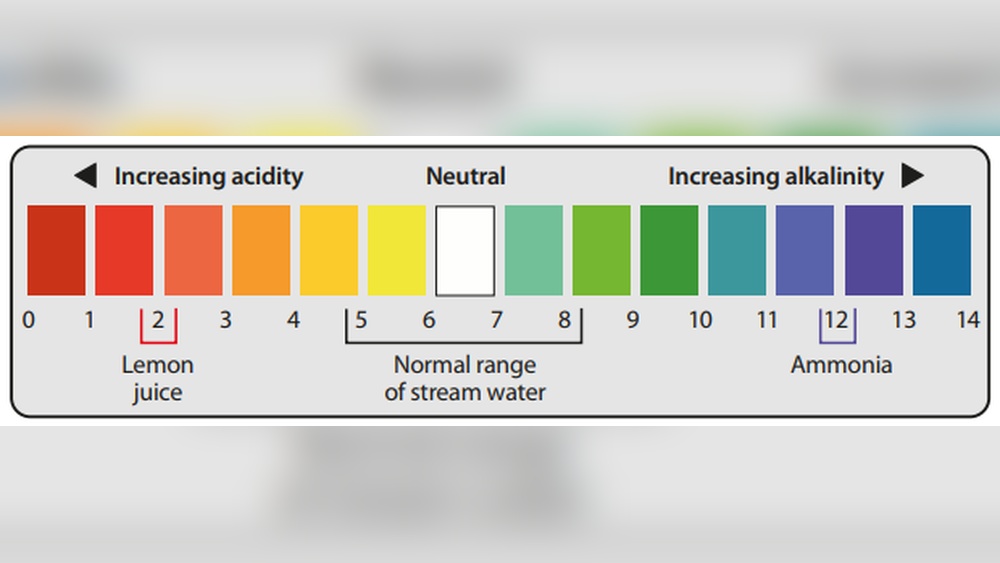
Test indicators show specific properties of water. These include pH, turbidity, and contaminants like bacteria or chemicals. Each indicator has a normal range. For example, pH measures acidity or alkalinity. A value near 7 means neutral water. Turbidity shows water clarity; lower turbidity means cleaner water. Knowing what each indicator means helps in judging water safety.
Comparing To Safety Standards
Safety standards set limits for each water indicator. These limits protect health and environment. Compare your test results with these standards. If a number is above the limit, it signals a problem. Standards come from organizations like the EPA or WHO. Using these benchmarks helps ensure your water meets health requirements.
Identifying Actionable Issues
Spotting issues in test results guides next steps. High bacteria levels mean water needs disinfection. Excess chemicals may require filtration. Low pH suggests water is too acidic and may damage pipes. Focus on indicators outside safe ranges. This helps decide treatment methods or when to retest. Timely action keeps your water safe for use.
Maintaining Water Quality Over Time
Maintaining water quality over time is essential for health and safety. Clean water supports good hygiene and prevents illness. Water quality can change due to many factors. Regular care keeps water safe and pure for daily use.
Regular Testing Schedule
Test water often to catch problems early. Use simple test kits to check for bacteria, chemicals, and impurities. Set a testing routine, such as monthly or quarterly. Keep records of test results to track changes. Early detection helps fix issues before they grow worse.
Implementing Filtration Solutions
Use filters to remove dirt, chemicals, and germs. Choose filters based on water quality and needs. Replace filter cartridges regularly to keep them effective. Filtration systems improve taste and safety. Clean filters ensure water stays clear and healthy.
Preventive Measures For Contamination
Protect water sources from pollution and waste. Seal wells and storage tanks to block dirt and insects. Avoid using harmful chemicals near water areas. Educate household members about safe water handling. Simple steps reduce risks of water contamination over time.

Credit: www.wikihow.com
Frequently Asked Questions
What Are The Common Methods To Measure Water Purity?
Common methods include chemical testing, electronic TDS meters, pH testing, and microbial analysis. Each method checks different purity aspects, such as contaminants, minerals, acidity, and bacteria presence.
How Does A Tds Meter Measure Water Purity?
A TDS meter measures total dissolved solids in water. It detects minerals, salts, and impurities by measuring electrical conductivity, providing a quick purity estimate.
Why Is Ph Important In Water Purity Testing?
PH indicates water acidity or alkalinity, affecting taste and safety. Pure water typically has a neutral pH near 7, while deviations may signal contamination.
Can Home Water Tests Accurately Measure Purity?
Home tests provide quick, basic purity insights but may lack precision. For thorough analysis, professional lab testing is recommended.
Conclusion
Measuring water purity helps keep you and your family safe. Simple tests show if water is clean or dirty. Use easy tools like test strips or meters at home. Check for chemicals, bacteria, and other harmful things. Clean water protects your health every day.
Stay aware and test water regularly. Clear water means a healthier life for all. Take small steps to ensure your water is pure. It’s worth the effort and helps avoid problems later. Keep water quality a top priority in your home.

Hasan Al Sarker is a Reverse Osmosis Specialist. He has worked for many years to ensure safe drinking water for all. His research paper has been published in several journals, including Issue, Medium, and Slideshare. He is recognized as a water doctor among specialists though he did not attend medical college.
Besides working as a researcher of reverse osmosis technology, he is also very fancy with the kitchen and cooking. His guides are reading thousands of people every day. As a head of content, he is responsible for all the published articles at RO System Reviews.