Are you confused by your water test results? You’re not alone.
Those numbers and terms can feel overwhelming, but understanding them is key to making sure your water is safe and healthy. You’ll discover simple ways to read your water test results with confidence. By the end, you’ll know exactly what each result means for you and your family’s health.
Keep reading to take control of your water quality today.

Credit: www.home-barista.com
Common Water Tests
Water test results can seem confusing at first. Knowing the types of common water tests helps you understand these results better. Water tests fall into three main groups. Each group checks different water qualities. These tests show if water is safe and clean.
Understanding common water tests makes reading reports easier. You get a clear picture of water quality. This helps in making smart decisions about water use.
Physical Tests
Physical tests check how water looks and feels. They measure color, taste, smell, and clarity. Cloudy water or strange smells can indicate problems. These tests are quick and easy. They help spot visible signs of pollution or dirt.
Chemical Tests
Chemical tests find elements and compounds in water. These include chlorine, pH level, lead, and nitrates. The pH test shows if water is acidic or basic. High levels of chemicals can harm health. These tests ensure water meets safety standards.
Biological Tests
Biological tests detect germs and bacteria. These tests check for harmful microbes like E. coli. Germs can cause illness and infections. Testing biological factors protects your health. Clean water should have low or no bacteria.
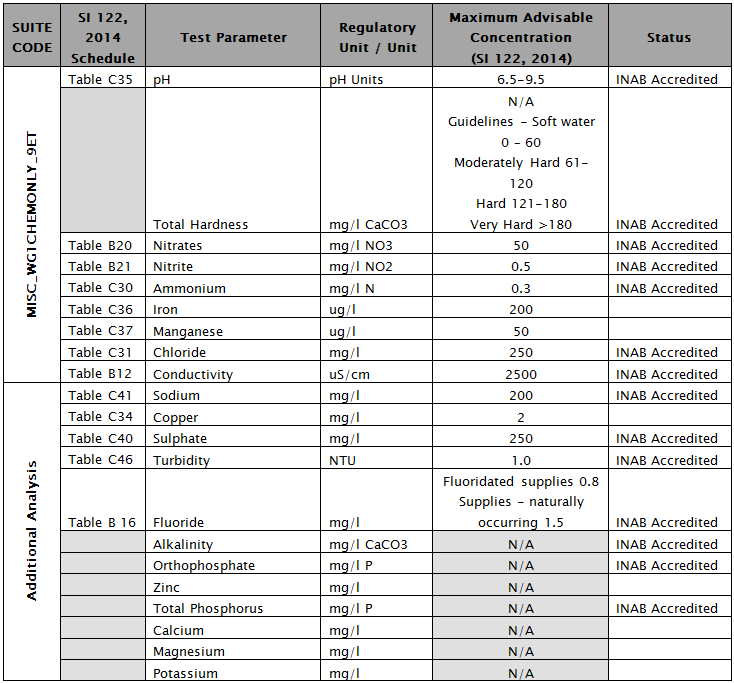
Credit: www.alswatertesting.ie
Key Water Quality Parameters
Understanding key water quality parameters helps you read water test results clearly. These parameters show the water’s safety and purity. Each tells a unique story about your water’s condition. Knowing them helps identify possible problems quickly.
Ph Levels
pH measures how acidic or basic water is. The scale runs from 0 to 14. Water with pH 7 is neutral. Below 7 means acidic; above 7 means basic. Ideal drinking water pH is between 6.5 and 8.5. Extreme pH can harm pipes and health.
Turbidity
Turbidity shows how clear the water is. It measures particles that cloud the water. High turbidity means water looks murky. This can hide bacteria and pollutants. Clear water has low turbidity and is safer to drink.
Chlorine Content
Chlorine kills germs in water. Test results show how much chlorine is present. Safe water has low chlorine levels. Too much chlorine causes bad taste and smell. Too little chlorine may not remove harmful bacteria.
Hardness
Water hardness depends on calcium and magnesium levels. Hard water leaves mineral deposits on pipes and appliances. It can cause dry skin and hair. Soft water has fewer minerals but may taste flat. Moderate hardness is best for daily use.
Heavy Metals
Heavy metals like lead, mercury, and arsenic can be toxic. Their presence in water is dangerous. Test results show if these metals are above safe limits. Clean water has little or no heavy metals. High levels require immediate treatment.
Interpreting Test Results
Reading water test results can be confusing at first. Understanding the data helps you know the quality of your water. This section explains how to interpret the numbers and what they mean for your health.
Safe Range Values
Safe range values show the limits for each substance in water. These ranges are set by health experts to keep water safe. Check if your test numbers fall inside these safe limits. Numbers outside the range may indicate a problem. Use safe values as a simple guide to water quality.
Identifying Contaminants
Contaminants are unwanted substances in water. Test results list many possible contaminants like lead, bacteria, or chemicals. Look for high levels that exceed safe ranges. Some contaminants can cause illness or damage pipes. Knowing which contaminants are present helps you take action to improve water safety.
Understanding Units And Measurements
Water test results use different units to show amounts. Common units include parts per million (ppm) and milligrams per liter (mg/L). Both measure how much of a substance is in water. Learning these units helps you read results clearly. Small numbers can still be important, so pay attention to units.
Common Contaminants And Risks
Water tests show many contaminants that affect health. Knowing these common risks helps you understand your water quality better. This section explains usual pollutants found in water and their dangers.
Bacteria And Viruses
Bacteria and viruses can cause sickness. Drinking water with these germs may lead to stomach pain, diarrhea, or fever. Test results show if harmful bacteria like E. coli are present. Clean water should have no bacteria or viruses.
Lead And Arsenic
Lead and arsenic are toxic metals. They come from old pipes or natural sources in soil. These metals can cause serious health problems over time. Test results reveal their levels. Safe water must have very low or no lead and arsenic.
Nitrates And Nitrites
Nitrates and nitrites come from fertilizers or waste. High levels harm babies and pregnant women. These chemicals affect the blood’s ability to carry oxygen. Test results indicate if levels are safe. Water should have low nitrate and nitrite amounts.
Pesticides And Chemicals
Pesticides and chemicals enter water from farms and industries. They can cause long-term health issues. Test results detect many different chemicals. Safe water has little or no pesticides or harmful chemicals.
Steps After Testing
After testing your water, the next steps are very important. Knowing what to do with your results helps keep your water safe. This part guides you through what to do after you get your water test results.
When To Retest
Retesting your water depends on the results you get. If the test shows high levels of harmful substances, test again soon. Changes in weather or plumbing can affect water quality. Regular retesting helps catch new problems early. Testing every six months is a good rule for many homes.
Treatment Options
Treatment depends on the type of contamination found. Filters can remove many common pollutants. Some problems need chemical treatment or water softeners. Boiling water can kill bacteria but does not remove chemicals. Choose a treatment based on your test results and water use.
Consulting Professionals
Water problems can sometimes be complex. A professional can explain your results clearly. They can suggest the best treatment for your water. Professionals also help with installing and maintaining treatment systems. Getting expert advice ensures your water stays safe and clean.
Tips For Accurate Testing
Accurate water testing is key to understanding water quality. Small mistakes can lead to wrong results. Follow simple tips to get clear, reliable data. These steps help you trust your water test results and make smart decisions.
Sample Collection
Collect water samples carefully to avoid contamination. Use clean containers made for water testing. Rinse containers with the water before filling them. Take samples from the right spot, like taps or wells. Seal containers tightly to keep samples fresh.
Choosing Reliable Labs
Select labs with good reputation and proper certification. Certified labs follow strict rules for testing. Check reviews or ask for lab credentials. A trustworthy lab gives detailed, easy-to-understand reports. Avoid labs with unclear methods or slow results.
Frequency Of Testing
Test water regularly to track changes over time. Seasonal changes can affect water quality. Test after storms or nearby construction. Follow local guidelines for testing frequency. Regular tests help catch problems early and keep water safe.
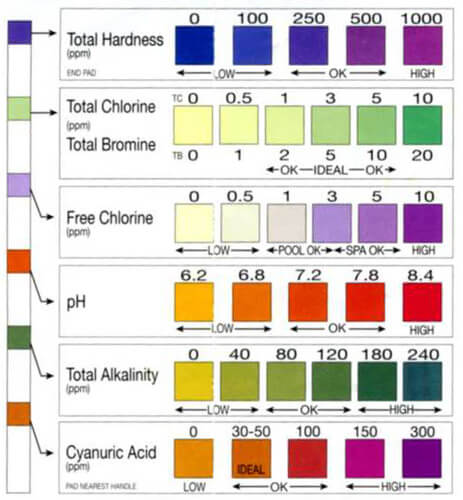
Credit: intheswim.com
Frequently Asked Questions
What Do Water Test Results Indicate?
Water test results reveal the presence of contaminants, minerals, and overall water quality. They help identify if water is safe for drinking and use. Understanding these results guides necessary treatment and ensures compliance with health standards.
How To Interpret Ph Levels In Water Tests?
PH levels show water’s acidity or alkalinity on a scale from 0 to 14. A pH between 6. 5 and 8. 5 is generally safe. Values outside this range may indicate contamination or corrosive water, requiring attention.
Why Are Total Dissolved Solids (tds) Important?
TDS measures the concentration of dissolved substances in water. High TDS can affect taste, health, and plumbing. Low to moderate levels are usually safe, but very high TDS suggests pollution or mineral overload.
What Does High Chlorine In Water Mean?
High chlorine levels indicate excessive disinfection, which can cause taste and odor issues. While chlorine kills harmful microbes, too much can be harmful. Balancing chlorine ensures safe, palatable water.
Conclusion
Reading water test results is simpler than it seems. Focus on key numbers and what they mean. Check pH, hardness, and contaminants carefully. Use the test to keep your water safe and clean. Regular testing helps catch problems early. Clear water means healthy water.
Stay informed and take action when needed. Understanding your results protects your health and home. Keep your water quality high with simple steps. It’s worth the effort for peace of mind.

Hasan Al Sarker is a Reverse Osmosis Specialist. He has worked for many years to ensure safe drinking water for all. His research paper has been published in several journals, including Issue, Medium, and Slideshare. He is recognized as a water doctor among specialists though he did not attend medical college.
Besides working as a researcher of reverse osmosis technology, he is also very fancy with the kitchen and cooking. His guides are reading thousands of people every day. As a head of content, he is responsible for all the published articles at RO System Reviews.