Have you ever looked at your water test results and felt completely lost? You’re not alone.
Understanding these numbers can be confusing, but it’s crucial for your health and safety. Knowing how to read your water test results empowers you to take control of your water quality. You’ll discover simple steps to decode those reports quickly and clearly.
By the end, you’ll feel confident making informed decisions about your water. Keep reading, because your health depends on it.
Key Water Test Parameters
Water test results show many important details about water quality. These details help you understand if water is safe and healthy to use. Key water test parameters give clear information about water’s condition. Each parameter measures a specific aspect of water. Knowing these helps you read and use test results properly.
Ph Levels
pH tells how acidic or basic water is. The pH scale ranges from 0 to 14. A pH of 7 means water is neutral. Below 7 is acidic, and above 7 is basic. Normal drinking water has a pH between 6.5 and 8.5. Extreme pH levels can harm health and damage pipes.
Hardness
Hardness measures minerals like calcium and magnesium. High hardness makes water “hard,” causing scale buildup. Hard water can reduce soap effectiveness and clog pipes. Soft water feels slippery and cleans better. Safe hardness levels vary but usually stay below 120 mg/L.
Chlorine
Chlorine kills harmful germs in water. It keeps water safe from bacteria and viruses. Too much chlorine gives water a strong taste and smell. Safe chlorine levels usually stay below 4 mg/L. Low chlorine may allow germs to grow.
Turbidity
Turbidity shows how clear water is. It measures tiny particles like dirt or sand. High turbidity makes water cloudy and unsafe. Cloudy water can hide germs and chemicals. Drinking water turbidity should be below 1 NTU for safety.
Bacteria Counts
Bacteria counts show how many germs are in water. Some bacteria cause illness and must be removed. Tests check for total bacteria and specific harmful types. Safe water has very low or no harmful bacteria. High bacteria counts mean water needs treatment.
Interpreting Chemical Results
Understanding chemical results in water tests is key to knowing water quality. These results show what chemicals are in the water and their levels. Knowing these levels helps decide if the water is safe for drinking, plants, or animals. Let’s explore some common chemicals found in water tests.
Nitrates And Nitrites
Nitrates and nitrites come from fertilizers, waste, and decay. High nitrate levels can harm babies and small children. Nitrites also affect blood oxygen levels, causing health problems. Safe nitrate levels are usually below 10 mg/L. Keep nitrites under 1 mg/L for safety. Testing helps catch these early.
Heavy Metals
Heavy metals like lead, arsenic, and mercury can pollute water. These metals come from old pipes, mining, and pollution. Even low amounts can cause health issues over time. Lead should be under 0.015 mg/L in drinking water. Arsenic limits are around 0.01 mg/L. Check test results carefully for these metals.
Organic Compounds
Organic compounds include pesticides, solvents, and other chemicals from farms or factories. Some cause bad taste or smell in water. Others can be harmful if ingested long term. Look for levels of VOCs (volatile organic compounds) and pesticides. Safe limits vary, but any detection means action may be needed.
Assessing Microbial Data
Assessing microbial data in water test results is key to knowing water safety. Microbes can cause illnesses and harm health. Understanding these results helps decide if water is safe to drink or needs treatment.
Microbial data mainly shows if harmful bacteria or pathogens exist in the water. It also tells the level of contamination. Reading this data carefully helps protect health and prevent waterborne diseases.
Coliform Bacteria
Coliform bacteria are common indicators of water quality. Their presence means the water might have germs from the environment or fecal matter. Safe water usually has zero coliform bacteria. If test results show coliforms, the water needs further testing or treatment.
E. Coli Presence
E. coli is a type of coliform bacteria that signals fecal contamination. Its presence is a serious health risk. E. coli can cause diarrhea and infections. Water test results should always report if E. coli is found. Zero E. coli means the water is safer to drink.
Other Pathogens
Besides coliforms and E. coli, tests may check for other germs. These include viruses, parasites, and harmful bacteria. Their detection means the water is unsafe. Treatment is needed to kill these pathogens. Always review the test report for any mention of these microbes.

Credit: www.home-barista.com
Common Testing Methods
Understanding how to read water test results starts with knowing the common testing methods. These methods help check water quality and safety. Each method has its own way of showing results. Knowing these methods makes reading results easier and clearer.
Testing water can be done in different places. Some tests happen in labs with experts. Others can be done at home using simple tools. Digital meters offer quick and clear readings. Each method fits different needs and budgets.
Lab Analysis
Lab analysis is the most accurate method for water testing. You send a water sample to a certified lab. Experts test for bacteria, chemicals, and minerals. Labs provide detailed reports with exact numbers. These results help find problems and solutions.
Lab reports may include terms like pH, hardness, and contaminants. Understanding these terms helps you know your water quality. Labs also compare your water to safety standards. This method is best for thorough testing.
Home Testing Kits
Home testing kits are easy and affordable. You use test strips or small bottles with chemicals. When dipped in water, they change color. Each color shows a different level of a substance. Kits test for chlorine, pH, nitrates, and more.
Results appear fast but may be less precise than labs. Follow the instructions carefully for the best results. These kits help catch common water issues quickly. They are good for regular checks.
Digital Meters
Digital meters give fast and clear water test readings. You place the meter probe in the water. It shows numbers on a screen for pH, conductivity, or TDS (total dissolved solids). These numbers tell you about water quality.
Meters are easy to use and give immediate results. They need batteries and occasional calibration. Digital meters suit people who want quick, repeatable tests. They provide more exact readings than test strips.
Identifying Potential Issues
Understanding water test results is key to keeping your water safe. Identifying problems early helps protect your health and property. This section explains how to spot issues in your water test data. Clear signs point to different concerns. Knowing these signs guides you to the right action.
Contamination Sources
Contaminants come from many places. Old pipes can leak metals like lead or copper. Nearby farms may add pesticides or fertilizers to water. Sewage or septic tanks sometimes leak bacteria or viruses. Industrial sites might release chemicals. Each source changes water test results in specific ways.
Health Risks
Some contaminants cause illness. High bacteria levels can lead to stomach problems. Lead and arsenic affect the brain and organs. Nitrates harm infants and pregnant women. Chemicals like chlorine can cause irritation. Knowing these risks helps you protect your family’s health.
Treatment Needs
Treatment depends on the problem found. Bacteria require disinfection or boiling water. Metals might need filters or new pipes. Chemicals can be removed with special systems. Testing guides the best treatment choice. Clean water means safe drinking and peace of mind.
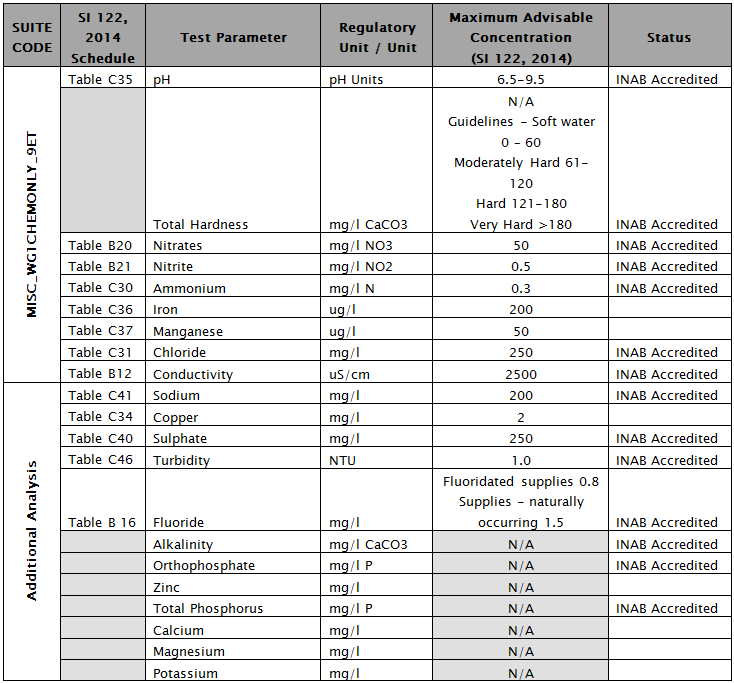
Credit: www.alswatertesting.ie
Tips For Accurate Reading
Reading water test results correctly helps you understand water quality. Accurate readings guide you to take the right actions. Follow simple tips for clear and reliable results.
Sample Collection
Collect water samples from clean containers. Avoid touching the inside of the container or lid. Take samples from the water source directly. Do not collect water after it sits or flows through pipes. Store samples in a cool place before testing.
Result Timing
Test water samples quickly after collection. Some chemicals change over time. Early testing ensures accurate data. Follow the test kit’s timing instructions carefully. Delayed reading can give wrong results.
Using Reference Ranges
Compare your results with standard reference ranges. These ranges show safe and unsafe levels. Use charts or guides from trusted sources. Know which values need action. Reference ranges help you understand test numbers easily.
Next Steps After Testing
After testing your water, knowing what to do next is important. Test results tell a story about your water quality. Acting on these results helps keep your water safe and clean. Follow clear steps to address any issues and protect your health.
Seeking Professional Help
Test results can be hard to understand alone. Experts like water specialists can explain the numbers clearly. They offer advice on fixing problems based on your results. Professionals can also suggest advanced tests if needed. Getting help ensures you take the right actions fast.
Implementing Solutions
Some problems need quick fixes. Solutions include installing filters or water softeners. Simple steps like cleaning pipes may improve water quality. Choose treatments based on the test results and expert advice. Fixing issues early saves money and avoids health risks.
Monitoring Water Quality
Water quality can change over time. Regular testing helps track these changes. Keep records of each test to notice trends. This practice alerts you to new problems early. Ongoing monitoring keeps your water safe for daily use.
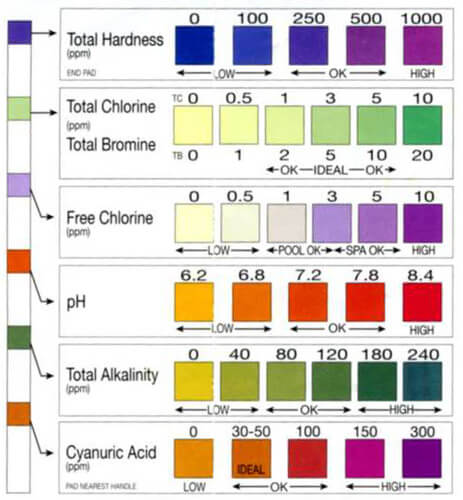
Credit: intheswim.com
Frequently Asked Questions
What Do Common Water Test Results Indicate?
Common water test results show levels of contaminants, pH balance, hardness, and minerals. They help identify water safety and quality for drinking, cooking, and other uses. Understanding these indicators ensures proper water treatment and health protection.
How To Interpret Ph Levels In Water Test Results?
PH levels measure water’s acidity or alkalinity on a scale from 0 to 14. A pH of 7 is neutral, below 7 is acidic, above 7 is alkaline. Ideal drinking water pH ranges between 6. 5 and 8. 5 for safety and taste.
Why Is Testing For Contaminants Important?
Testing for contaminants like bacteria, lead, and chemicals ensures water safety. Contaminants can cause health problems and affect water taste or odor. Accurate test results guide effective water treatment and prevent potential health risks.
How To Read Hardness In Water Test Results?
Water hardness shows calcium and magnesium levels, affecting scale buildup and soap efficiency. Soft water has low hardness; hard water has high levels. Knowing hardness helps choose the right water softening system and protects plumbing.
Conclusion
Reading water test results is easier than it seems. Focus on key numbers like pH, hardness, and contaminants. Compare these values to safe levels to know your water quality. Use this knowledge to decide if treatment is needed. Clean water keeps your family healthy and your home safe.
Regular testing helps spot issues early. Stay informed and take simple steps for better water. Understanding your results brings peace of mind. Simple checks lead to smart water care.

Hasan Al Sarker is a Reverse Osmosis Specialist. He has worked for many years to ensure safe drinking water for all. His research paper has been published in several journals, including Issue, Medium, and Slideshare. He is recognized as a water doctor among specialists though he did not attend medical college.
Besides working as a researcher of reverse osmosis technology, he is also very fancy with the kitchen and cooking. His guides are reading thousands of people every day. As a head of content, he is responsible for all the published articles at RO System Reviews.