Are you worried about the quality of your drinking water? High levels of Total Dissolved Solids (TDS) can affect the taste, safety, and health benefits of your water.
But don’t worry—reducing TDS in your water is easier than you might think. You’ll discover simple, effective ways to lower TDS and enjoy cleaner, fresher water every day. Keep reading to learn how you can improve your water quality and protect your health with just a few smart steps.

Credit: www.simpurelife.com
What Is Tds In Water
TDS in water stands for Total Dissolved Solids. It means all the tiny particles dissolved in water. These can be minerals, salts, or metals. TDS affects water taste, quality, and safety.
High TDS levels can make water taste salty or bitter. It can also harm pipes and appliances. Low TDS water may taste flat or bland. Knowing TDS helps decide if water needs treatment.
What Does Tds Include?
TDS includes many substances. Common ones are calcium, magnesium, potassium, and sodium. Also, chloride, sulfate, and bicarbonate are part of TDS. Some metals like iron and copper add to TDS too. These particles come from natural sources or pollution.
How Is Tds Measured?
TDS is measured in parts per million (ppm). This shows how many particles are in one million parts of water. A TDS meter or digital tester reads this value. Testing water regularly helps monitor its quality.
Why Is Tds Important?
TDS affects water taste and health. Some minerals are good for health in small amounts. Too much TDS can cause health problems. It also damages household items like kettles and water heaters. Checking TDS keeps water safe and clean.
Why Lowering Tds Matters
Lowering Total Dissolved Solids (TDS) in water improves its quality and safety. TDS includes minerals, salts, and tiny particles dissolved in water. High TDS levels can affect taste, health, and appliance life. Understanding why lowering TDS matters helps you choose the right treatment method.
Improves Water Taste And Smell
Water with high TDS often tastes salty or bitter. It may also have a strange smell. Reducing TDS makes water taste fresher and cleaner. This encourages drinking more water daily.
Protects Your Health
Some dissolved solids in water are harmful. Heavy metals and chemicals can cause health issues. Lowering TDS reduces these harmful substances. It supports better overall health and well-being.
Extends Appliance Lifespan
High TDS water can damage household appliances. It causes scale buildup in kettles, washing machines, and heaters. Lower TDS prevents this buildup. Appliances last longer and work more efficiently.
Enhances Cooking And Beverage Quality
Water with fewer dissolved solids improves food taste. Coffee, tea, and soups taste better with low TDS water. It helps bring out natural flavors in cooking.
Protects Plumbing Systems
Mineral deposits from high TDS water clog pipes. This reduces water flow and increases repairs. Lowering TDS keeps plumbing clean and smooth. It lowers maintenance costs and problems.
Common Sources Of High Tds
High Total Dissolved Solids (TDS) in water can affect taste, safety, and appliance life. Understanding where TDS comes from helps to reduce it effectively. Several common sources contribute to elevated TDS levels in water.
Identifying these sources can guide you in choosing the right water treatment methods. Here are some typical causes of high TDS in water.
Natural Mineral Deposits
Water picks up minerals like calcium, magnesium, and potassium from soil and rocks. These minerals dissolve and increase TDS levels. Well water often has higher TDS because it flows through mineral-rich areas.
Industrial Waste
Factories release waste that may contain chemicals and salts. These pollutants mix with water sources and raise TDS levels. Industrial areas often face water quality issues due to this contamination.
Agricultural Runoff
Fertilizers and pesticides used in farming dissolve in rainwater. This runoff enters lakes, rivers, and groundwater, adding dissolved solids. High TDS from agriculture can harm water quality and aquatic life.
Urban Runoff
City streets collect oils, salts, and debris. Rain washes these pollutants into water systems, increasing TDS. Urban runoff often contains salts from road treatments and waste from everyday activities.
Water Treatment Chemicals
Chemicals used in water treatment, like chlorine and fluoride, can add to TDS. Sometimes, these chemicals react with natural minerals to form dissolved solids. Monitoring treatment processes helps control TDS levels.
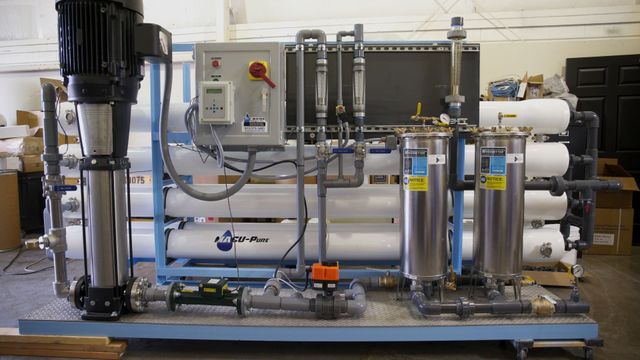
Credit: www.macwatertechnologies.com
Using Reverse Osmosis Systems
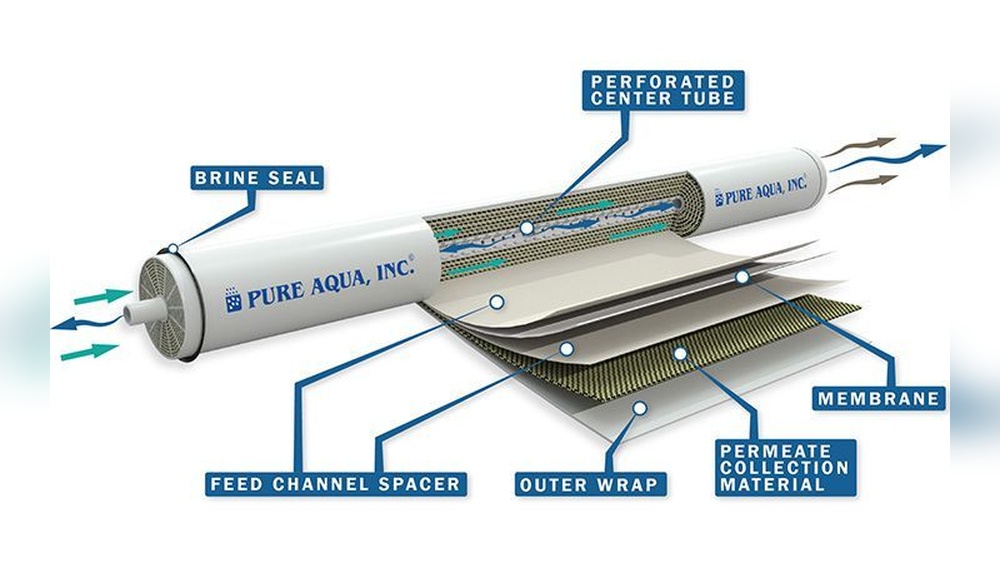
Using reverse osmosis systems is a popular way to reduce TDS in water. These systems filter water through a special membrane. The membrane blocks many dissolved solids, leaving cleaner water.
Reverse osmosis is effective at removing salts, minerals, and other impurities. It makes tap water safer and tastes better. Many homes and offices use these systems for drinking water.
How Reverse Osmosis Works
Water passes through a thin membrane under pressure. The membrane has tiny pores that allow only water molecules through. Larger particles like salts and metals stay behind. This process removes up to 99% of TDS.
Benefits Of Using Reverse Osmosis
It improves water taste and odor by removing contaminants. It also protects appliances from scale build-up. Reverse osmosis water is safer for cooking and drinking. The system uses no chemicals, making it eco-friendly.
Installation And Maintenance Tips
Install the system under the sink or near the water source. Regularly change the filters to maintain water quality. Clean the membrane as recommended by the manufacturer. Proper care extends the system’s lifespan and effectiveness.
Activated Carbon Filters
Activated carbon filters are a popular choice to reduce Total Dissolved Solids (TDS) in water. They work by trapping impurities and chemicals inside their porous structure. These filters improve water taste and clarity. Many households use them for cleaner, safer drinking water.
Activated carbon filters do not remove all TDS. They mainly target organic compounds, chlorine, and some heavy metals. This helps lower the overall TDS level and makes water healthier. These filters also reduce bad odors and colors in water.
How Activated Carbon Filters Work
Activated carbon has many tiny pores. These pores trap harmful substances in water. As water passes through, contaminants stick to the carbon surface. This process is called adsorption. It removes unwanted chemicals and improves water quality.
Benefits Of Using Activated Carbon Filters
These filters improve water taste and smell. They remove chlorine and organic chemicals. They also protect water systems from damage. Activated carbon filters are easy to use and maintain. They are cost-effective for home water treatment.
Limitations Of Activated Carbon Filters
They do not remove all dissolved solids. Minerals like calcium and magnesium pass through. Bacteria and viruses also remain in water. Regular filter replacement is necessary for best results. Combine with other methods for full TDS reduction.
Distillation Method
Distillation is a simple and effective way to reduce Total Dissolved Solids (TDS) in water. It works by heating water until it turns into steam. The steam leaves behind impurities, including salts and minerals, that cause high TDS. Then, the steam cools down and turns back into clean water.
This method removes most contaminants and produces very pure water. It is useful for homes and small-scale water treatment. Distillation also kills bacteria and other microbes, making water safer to drink.
How Distillation Works
Water is heated in a container until it boils. The steam rises and moves into a cooling tube. The tube cools the steam, turning it back into liquid water. Impurities stay in the original container and do not evaporate.
Advantages Of Distillation
Distillation removes many types of dissolved solids and harmful substances. It produces very pure water. The process also kills germs and bacteria. It does not add chemicals to the water.
Limitations Of Distillation
Distillation takes time and uses energy for heating. Some gases and chemicals with low boiling points may remain. The process may need special equipment for large amounts of water.
Using A Distillation Unit At Home
Home distillers are small and easy to use. Fill the unit with tap water and start the process. Collect the distilled water in a clean container. Clean the unit regularly for best results.
Water Softeners For Tds Reduction
Water softeners help reduce Total Dissolved Solids (TDS) in water. They work by removing minerals like calcium and magnesium. These minerals cause hard water and increase TDS levels. Using a water softener can make water cleaner and better for daily use.
Softened water protects pipes and appliances from damage. It also improves soap and detergent effectiveness. This makes cleaning easier and saves money on repairs.
How Water Softeners Work
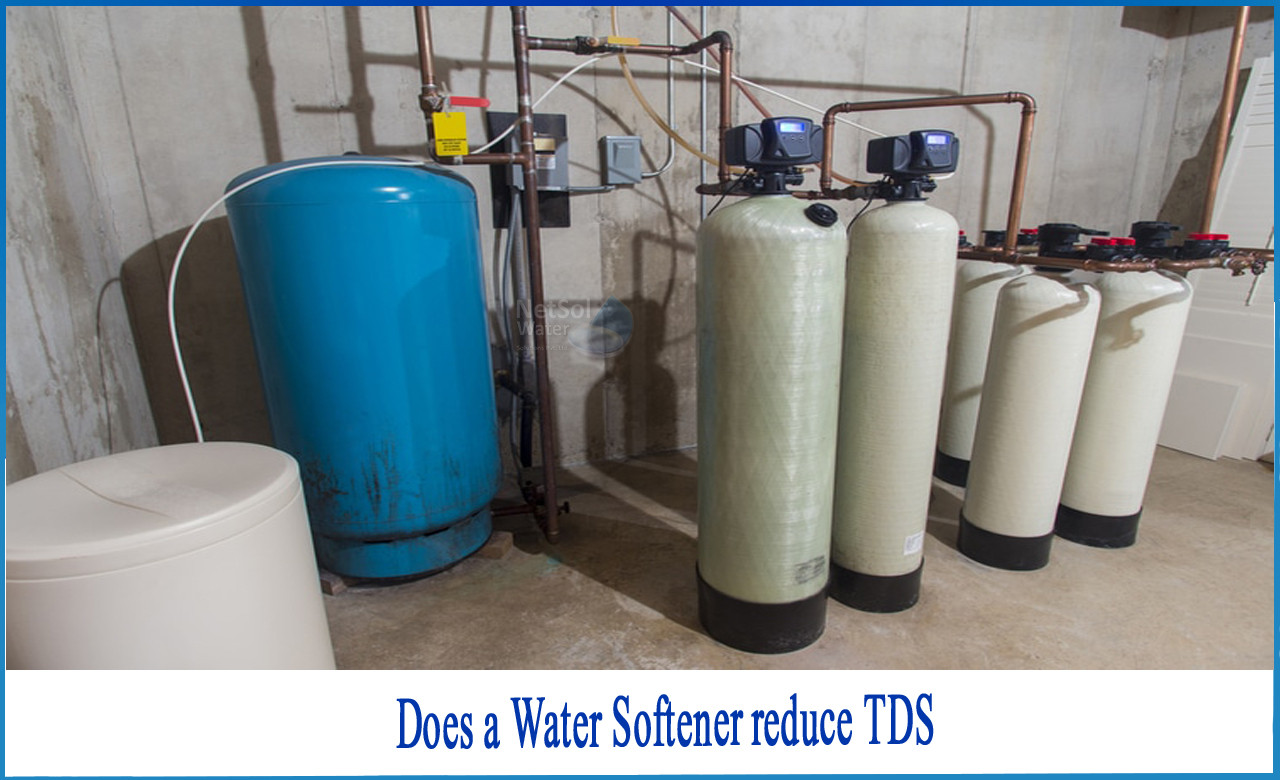
Water softeners use a process called ion exchange. Hard minerals are swapped with sodium or potassium ions. This exchange removes the minerals that add to TDS. The result is softer, lower-TDS water.
Types Of Water Softeners
There are two main types: salt-based and salt-free. Salt-based softeners use resin beads and salt. Salt-free softeners use special filters to condition water. Both lower mineral content but work differently.
Benefits Of Using Water Softeners
Softened water reduces scale buildup in pipes. It helps appliances last longer and work better. It also improves water taste and feel. Soft water is gentler on skin and hair.
Maintenance Of Water Softeners
Regular maintenance keeps softeners effective. Salt levels must be checked and refilled. Resin beads need cleaning or replacement over time. Proper care ensures long-term TDS reduction.
Credit: www.netsolwater.com
Boiling And Its Impact On Tds
Boiling water is a common method to kill germs and make water safe. Many people wonder about its effect on Total Dissolved Solids (TDS). TDS means all the tiny solids dissolved in water. These can be salts, minerals, or metals. Boiling changes water but does not always reduce TDS. Let’s explore how boiling impacts TDS levels.
What Happens To Tds During Boiling?
Boiling removes water as steam but leaves solids behind. This means TDS does not decrease by boiling. In fact, TDS can increase because water evaporates. The solids become more concentrated in the remaining water. So, boiling alone is not a good way to lower TDS.
Boiling And Removal Of Harmful Elements
Boiling kills bacteria and viruses but does not remove minerals or salts. Some harmful chemicals may stay in the water. Boiling does not filter out dissolved solids. Water may be safe to drink but still have high TDS. Other methods are needed to reduce TDS effectively.
When Boiling Helps In Tds Reduction
Boiling can help if combined with other methods. For example, boiling before filtering can improve water taste. It also helps remove some gases dissolved in water. But boiling alone cannot lower TDS below safe limits. Proper filtration or purification is necessary.
Regular Testing And Maintenance
Regular testing and maintenance play a vital role in reducing Total Dissolved Solids (TDS) in water. Testing helps you understand the water quality clearly. Maintenance keeps your water treatment systems working well. Together, these steps ensure clean and safe water daily.
Testing water regularly shows if TDS levels rise. It helps catch problems early. Maintenance fixes those problems fast. This keeps water fresh and healthy.
Testing Water Quality Often
Use a TDS meter to check water quality at home. Test water every month or after heavy rain. This helps track changes in TDS levels. Knowing numbers guides you to act quickly.
Cleaning Water Filters Regularly
Filters trap particles and reduce TDS. Clean or replace filters based on the manufacturer’s advice. Dirty filters cannot remove TDS well. Clean filters mean better water quality.
Maintaining Water Treatment Equipment
Water softeners and reverse osmosis systems need regular care. Check for leaks, clogs, and worn parts. Servicing equipment keeps TDS low and improves water taste.
Choosing The Right Method For Your Needs
Choosing the right method to reduce TDS in water depends on several factors. Water quality, budget, and ease of use matter a lot. Each method offers different benefits and suits different needs.
Understanding these options helps you pick the best one. This ensures clean and safe water for daily use.
Reverse Osmosis (ro) Systems
RO systems remove most dissolved solids from water. They use a special membrane to filter out impurities. RO works well for high TDS levels. It needs electricity and regular maintenance. Good for homes with hard water.
Distillation
Distillation boils water and collects the steam. This method removes almost all minerals and contaminants. It is effective but slower than RO. Distillers use more energy and need careful handling. Best for small quantities and pure water needs.
Deionization (di) Filters
DI filters use resin to remove ions from water. They produce very low TDS levels. DI is common in labs and aquariums. The resin needs regular replacement. Not ideal for large water volumes or daily drinking water.
Carbon filters reduce chlorine and some organic compounds. They do not lower TDS much. Useful for improving taste and odor. Often combined with other methods for better results. Affordable and easy to use.
Choosing By Water Usage And Budget
Consider how much water you use daily. Also, factor in installation and running costs. RO and distillation are costlier but effective. Carbon filters are cheap but less powerful. Balance cost with your water needs.
Frequently Asked Questions
What Is Tds In Water And Why Reduce It?
TDS means Total Dissolved Solids, which are minerals and salts in water. High TDS affects taste and health. Reducing TDS improves water quality and safety for drinking and cooking.
How Can I Test Tds Levels At Home?
You can test TDS with a TDS meter, an affordable and easy device. Simply dip it in water and read the digital display for accurate TDS levels in ppm.
What Are Common Methods To Reduce Tds In Water?
Common methods include reverse osmosis, distillation, and deionization. These processes remove dissolved solids effectively, improving water taste and safety by lowering TDS concentration.
Can Boiling Water Reduce Tds Levels?
Boiling does not reduce TDS because minerals stay in the water. It only kills bacteria. To lower TDS, use filtration methods like RO or distillation instead.
Conclusion
Reducing TDS in water helps improve its taste and safety. Simple methods like using filters or boiling water can make a big difference. Clean water supports good health every day. Small steps lead to better water quality at home. Keep testing water regularly to know its TDS level.
Clear, fresh water feels better to drink and use. Taking care of water means taking care of your family. Choose the best option that fits your needs and budget. Clean water matters.

Hasan Al Sarker is a Reverse Osmosis Specialist. He has worked for many years to ensure safe drinking water for all. His research paper has been published in several journals, including Issue, Medium, and Slideshare. He is recognized as a water doctor among specialists though he did not attend medical college.
Besides working as a researcher of reverse osmosis technology, he is also very fancy with the kitchen and cooking. His guides are reading thousands of people every day. As a head of content, he is responsible for all the published articles at RO System Reviews.