Are you worried about the chlorine in your water? You’re not alone.
Many people want clean, fresh-tasting water without harsh chemicals. Chlorine is commonly used to kill germs, but it can leave an unpleasant taste and may affect your health over time. The good news is, removing chlorine from your water is easier than you think.
You’ll discover simple and effective ways to get rid of chlorine, so you can enjoy pure, refreshing water every day. Keep reading to find out how to make your water safer and better for you and your family.
Why Remove Chlorine
Chlorine is added to water to kill harmful bacteria. It helps keep water safe to drink. Despite its benefits, chlorine can cause some problems. Removing chlorine improves water quality for daily use. Understanding why to remove chlorine helps make better choices for water treatment.
Health Concerns
Chlorine can irritate skin and eyes. Some people may develop dry or itchy skin. Drinking water with chlorine might upset the stomach. Long-term exposure to chlorine byproducts may affect health. Removing chlorine reduces these risks and protects well-being.
Taste And Odor Issues
Chlorine gives water a strong chemical smell. It also changes the taste of water and drinks. Many people find this unpleasant and avoid drinking enough water. Removing chlorine improves the water’s flavor and smell. This encourages better hydration and enjoyment.
Impact On Plants And Aquariums
Chlorine harms plants by damaging their roots. It can stop plants from growing well. Fish and other aquarium animals are sensitive to chlorine. Chlorine can cause stress or even death in fish. Removing chlorine protects plants and aquatic life in your home.
Credit: ponicslife.com
Common Chlorine Types In Water
Chlorine is often added to water to kill germs and keep it safe. Not all chlorine in water is the same. Understanding the different types helps to remove it properly. Three common types of chlorine appear in treated water. Each type affects water quality in a unique way.
Free Chlorine
Free chlorine is the most active form in water. It includes chlorine gas, hypochlorous acid, and hypochlorite ion. This type kills bacteria and viruses quickly. It is the main disinfectant in swimming pools and tap water. Free chlorine is easy to detect with test kits.
Combined Chlorine
Combined chlorine forms when free chlorine joins with ammonia or organic matter. This creates chloramines. Chloramines are less effective at killing germs. They often cause a strong smell and eye irritation. Water with high combined chlorine needs special treatment to remove it.
Total Chlorine
Total chlorine is the sum of free chlorine and combined chlorine. It shows the overall chlorine level in water. Testing total chlorine helps understand how much chlorine is left. This number guides the right methods to reduce chlorine safely.
Simple Methods To Remove Chlorine
Removing chlorine from water does not have to be hard. Simple methods can help you get clean, safe water at home. These easy steps use things you already know or have around. They work well to reduce or remove chlorine quickly.
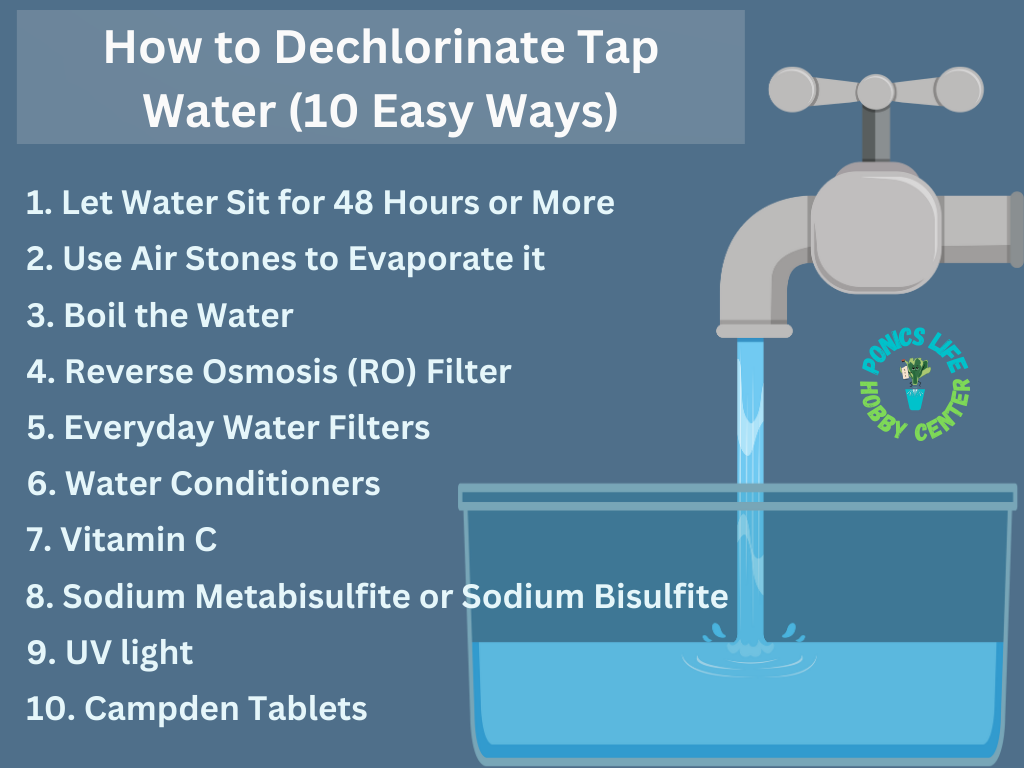
Boiling Water
Boiling water is an old and simple way to remove chlorine. Heat the water until it boils. Keep it boiling for about 15 minutes. The heat causes chlorine to evaporate from the water. Let the water cool before use. This method works best for small amounts of water.
Letting Water Sit
Another easy method is to let water sit in a container. Leave the water uncovered for 24 to 48 hours. Chlorine will naturally evaporate into the air over time. Use a wide container to speed up the process. This method takes longer but needs no special tools.
Using Vitamin C
Vitamin C can remove chlorine from water quickly. Add a small amount of vitamin C powder or tablets to the water. Stir well until the vitamin dissolves. Vitamin C neutralizes chlorine safely and without changing the water taste. This method is fast and good for drinking water.
Filtration Options
Removing chlorine from water improves taste and health. Filtration offers an effective way to reduce chlorine. Various filters work well and suit different needs. Choose the right one for your water quality and budget.
Activated Carbon Filters
Activated carbon filters trap chlorine and other chemicals. They use tiny pores to absorb contaminants. These filters improve water taste and odor quickly. They are affordable and easy to install. Replace the filter regularly for best results.
Reverse Osmosis Systems
Reverse osmosis pushes water through a fine membrane. It removes chlorine, minerals, and many impurities. This system provides very pure water. It wastes some water during filtration. RO systems need professional installation and maintenance.
Catalytic Carbon Filters
Catalytic carbon filters speed up chlorine breakdown. They handle chloramines better than regular carbon. This type is good for treated municipal water. It improves water taste and safety. Replace filters on time to keep effectiveness.
Chemical Treatments
Chemical treatments offer a fast and effective way to remove chlorine from water. They work by neutralizing chlorine molecules quickly. These treatments are widely used in water purification and aquarium care. Using chemicals can improve water taste and safety.
Choosing the right chemical depends on the water use and chlorine level. Always follow dosage instructions for safe results.
Sodium Thiosulfate
Sodium thiosulfate is a common chemical to remove chlorine. It reacts with chlorine to form harmless substances. This chemical works fast and is safe for fish tanks and pools. Just add the correct amount to the water. It quickly neutralizes chlorine without changing water pH. Sodium thiosulfate is easy to use and widely available.
Hydrogen Peroxide
Hydrogen peroxide also removes chlorine effectively. It breaks down chlorine into water and oxygen. This chemical does not leave toxic residues. Hydrogen peroxide is safe for drinking water if used properly. It works well for large water systems and small tanks. Use the right dose to avoid water imbalance. Hydrogen peroxide can improve water clarity and quality.

Credit: sciencenotes.org
Choosing The Best Method
Choosing the best method to remove chlorine from water depends on several important factors. These factors help you find a solution that fits your needs, budget, and daily routine. Understanding these points makes the process easier and more effective.
Water Usage Needs
Think about how much water you use each day. Small amounts for drinking need different solutions than large amounts for bathing or gardening. Some methods work better for small, quick use. Others handle large volumes but may cost more or need space.
Assess your daily water consumption. This helps select a method that meets your demands without waste or excess effort.
Cost Considerations
Cost is a key factor in choosing a chlorine removal method. Some options need a higher upfront price but low maintenance costs. Others might be cheap initially but require frequent replacements or power.
Calculate both the initial and ongoing costs. This helps avoid surprises and keeps your water treatment affordable over time.
Effectiveness And Convenience
Check how well each method removes chlorine. Some remove nearly all chlorine quickly, while others reduce it partially. Convenience also matters. Easy-to-use methods fit better into busy lifestyles.
Choose a method that balances strong chlorine removal with simple operation. This ensures cleaner water with less hassle every day.
Maintaining Water Quality
Maintaining water quality is key to keeping your water safe and clean. Removing chlorine is just one step. Consistent care helps protect your health and improves the taste of your water. Simple habits can make a big difference.
Regular Testing
Test your water often to check chlorine levels. Use easy test strips or a digital tester. Regular testing helps you know when chlorine is still present. This way, you avoid drinking water with too much chlorine. Testing also shows if your filter works well.
Filter Replacement Tips
Change your water filter on time. Filters lose their power after a while. Old filters let chlorine pass through. Follow the filter maker’s instructions for replacement. Mark your calendar to remind yourself. Clean filters keep water fresh and safe to drink.

Credit: www.youtube.com
Frequently Asked Questions
How Can I Remove Chlorine From Tap Water At Home?
You can remove chlorine using activated carbon filters, boiling water, or letting it sit uncovered. These methods reduce chlorine taste and odor effectively.
Is Boiling Water Effective To Remove Chlorine?
Yes, boiling water for 15-20 minutes evaporates chlorine. This is a simple and cost-effective method to remove chlorine from drinking water.
Does Chlorine Evaporate If Water Is Left Out?
Yes, chlorine naturally evaporates when water sits uncovered for 24-48 hours. This allows chlorine gas to escape, improving water taste.
Are Water Filters Reliable For Chlorine Removal?
Activated carbon filters are highly reliable for removing chlorine. They absorb chlorine and improve water quality and taste efficiently.
Conclusion
Removing chlorine from water is simple and important for health. Use filters, let water sit, or add natural substances. Clean water tastes better and feels safer. Small steps make a big difference in daily life. Choose the method that fits your needs best.
Stay informed and keep your water fresh. Clear, pure water supports a healthy lifestyle. Try these easy tips to enjoy chlorine-free water every day.

Hasan Al Sarker is a Reverse Osmosis Specialist. He has worked for many years to ensure safe drinking water for all. His research paper has been published in several journals, including Issue, Medium, and Slideshare. He is recognized as a water doctor among specialists though he did not attend medical college.
Besides working as a researcher of reverse osmosis technology, he is also very fancy with the kitchen and cooking. His guides are reading thousands of people every day. As a head of content, he is responsible for all the published articles at RO System Reviews.