Have you ever wondered if the water you drink every day is truly safe? Testing your water quality at home is easier than you think, and it can protect you and your family from hidden dangers.
Imagine knowing exactly what’s in your tap water without spending a fortune or waiting for lab results. You’ll discover simple, effective ways to check your water’s purity right in your own kitchen. Keep reading to take control of your water’s safety and enjoy peace of mind with every glass you drink.
Why Test Water Quality
Testing water quality at home is important for safety and health. Water looks clean but can hide harmful substances. Knowing what is in your water helps protect your family. Regular checks keep water safe to drink and use every day.
Health Risks Of Contaminated Water
Contaminated water can cause many health problems. It can carry bacteria, viruses, and parasites. These germs can cause stomach pain, diarrhea, and infections. Long-term use of bad water may lead to serious diseases. Children and older adults are more at risk.
Common Water Contaminants
Water may contain chemicals like lead, pesticides, and chlorine. These pollutants come from old pipes, farms, and factories. Hard water minerals like calcium and magnesium can also affect taste. Some invisible contaminants can harm health without warning. Testing reveals what is present in your water.
Benefits Of Regular Testing
Testing water regularly ensures it stays clean and safe. It helps detect problems early before they grow worse. Knowing water quality helps you choose the right filter or treatment. Regular tests give peace of mind about your water’s safety. Taking small steps protects your family’s health every day.
Tools Needed For Home Testing
Testing water quality at home needs the right tools. These tools help check if water is safe to drink and use. Using proper tools gives clear results. This section explains the main tools needed for home water testing.
Water Testing Kits
Water testing kits are easy to use and affordable. They include strips or drops that change color. Each color shows a different water quality level. Kits test for common issues like pH, chlorine, and hardness. They come with instructions for simple testing steps. Kits are good for quick checks at home.
Digital Test Meters
Digital test meters give precise water readings. They measure pH, temperature, and other factors. Meters display results on a small screen. They need batteries to work. Digital meters are reusable and more accurate than strips. They suit people who test water often or need detailed info.
Sample Collection Containers
Sample collection containers hold water samples for testing. Use clean, sealed containers to avoid contamination. Some tests require sending samples to a lab. Containers come in plastic or glass forms. Label each container with the sample source and date. Proper collection ensures reliable test results.
Step-by-step Testing Process
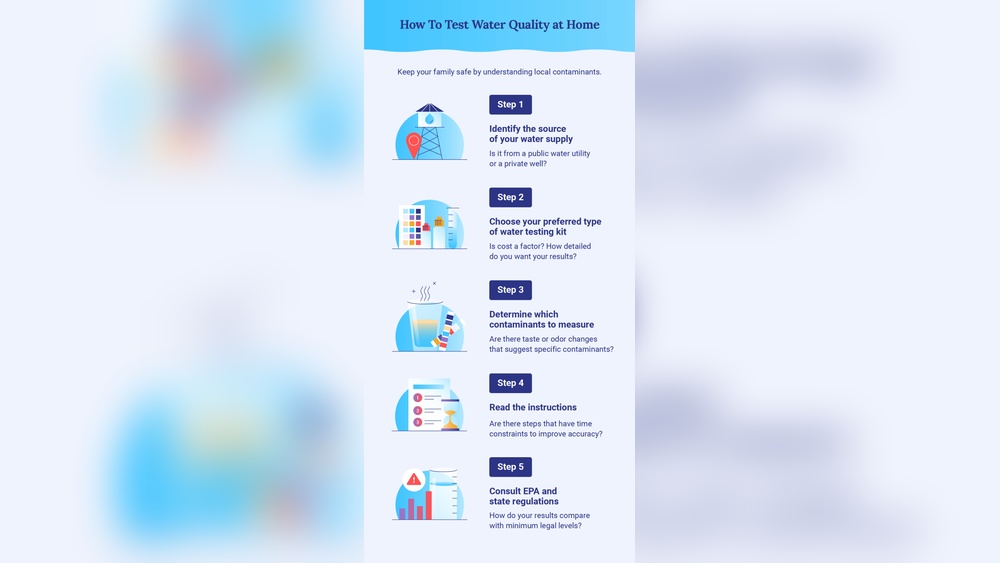
Testing your water at home is simple and important. It helps check if your water is safe to drink. Follow these clear steps to test your water quality with ease.
Collecting A Water Sample
Choose a clean container to collect water. Use a glass or plastic bottle, rinsed with the water you want to test. Fill it with fresh tap water. Avoid touching the inside of the container or lid.
Collect the sample from a faucet that is used often. Let the water run for a few seconds before filling the container. This clears out stagnant water and gives a better sample.
Using Test Strips And Kits
Test strips are easy tools for home water testing. Dip the strip into the water sample. Remove it and wait for the recommended time on the package. The strip will change colors based on water quality.
Test kits may include bottles, drops, or tablets. Follow the instructions carefully. Add the chemicals or drops to the water sample. Watch for color changes or bubbles that show test results.
Interpreting Test Results
Compare the colors on the test strip to the chart provided. Each color matches a certain level of contaminants or pH. Note if any colors show high levels of harmful substances.
For test kits, match the color or reaction to the guide included. This helps identify the presence of chlorine, bacteria, hardness, or other elements. Record your findings for future reference.

Credit: callwisler.com
Testing For Specific Contaminants
Testing for specific contaminants in water helps ensure it is safe to drink and use. Different pollutants affect health in different ways. Identifying these contaminants can prevent illness and protect your family. Simple home tests make this possible without needing expensive lab equipment.
Checking For Bacteria And Microbes
Bacteria and microbes can cause serious health problems. Use a bacteria test kit designed for home use. These kits usually involve dipping a strip or swab into the water. After a short wait, the test changes color if harmful bacteria are present. Always follow the instructions carefully to get accurate results.
Measuring Ph And Hardness
Water pH shows if it is acidic or alkaline. Most drinking water should have a pH between 6.5 and 8.5. Test strips can measure this easily. Water hardness means the amount of minerals like calcium and magnesium. Hard water can affect appliances and skin. Use a hardness test kit to check mineral levels.
Detecting Lead And Heavy Metals
Lead and heavy metals pose serious health risks even at low levels. Home testing kits are available for detecting these metals. Usually, the test involves dipping a strip into the water or using a test bottle. The kit will indicate if dangerous metals like lead, arsenic, or mercury exist in the water.
Testing For Chlorine And Chemicals
Chlorine is often added to water to kill germs, but too much can be harmful. Chemical test kits can measure chlorine levels quickly. Other chemicals like pesticides or fertilizers may also contaminate water. Specialized test strips or kits help detect these chemicals. Testing regularly helps keep water safe and clean.
When To Seek Professional Help
Testing water quality at home can help you catch many common issues. Some problems need expert attention. Knowing when to seek professional help keeps your water safe. Experts have the tools and knowledge to find hidden dangers. They also provide accurate results you can trust.
Signs Of Serious Contamination
Look for strange colors or smells in your water. Cloudy or rusty water can signal trouble. A metallic or rotten egg smell is a warning. Health problems like stomach pain or skin rash may be linked. These signs need quick action and expert testing.
Choosing A Certified Lab
Pick a lab approved by health or environmental agencies. Certified labs follow strict rules for testing water. They use special equipment to find harmful substances. Reports from these labs help you understand risks clearly. Always ask for lab credentials before sending samples.
Frequency Of Professional Testing
Test your water at least once a year. More often if you see changes in taste or smell. After floods or plumbing repairs, check water quality again. Regular testing helps catch problems early. It keeps your water safe for drinking and cooking.
Improving Water Quality At Home
Improving water quality at home is important for health and safety. Clean water helps prevent sickness and keeps your family healthy. Simple steps can make water safer to use and drink. Understanding easy methods to improve water quality is useful for every household.
Using Water Filters And Purifiers
Water filters remove dirt, chemicals, and bad tastes. They are easy to install on taps or pitchers. Choose filters that suit your water source and needs. Purifiers kill germs and bacteria to make water safer. Some use UV light or special cartridges. Regularly replace filters to keep water clean.
Boiling And Disinfection Methods
Boiling water is a simple way to kill germs. Boil water for at least one minute to make it safe. Disinfection tablets or drops can also clean water. These methods are useful during emergencies or travel. Always follow instructions on disinfectant products for best results.
Maintaining Plumbing And Storage
Clean pipes and storage tanks to avoid contamination. Check for leaks and fix them quickly. Use clean containers to store water safely. Avoid leaving water standing too long to prevent germs. Regular maintenance keeps water fresh and healthy.
Tips For Safe Drinking Water
Safe drinking water is crucial for good health. Contaminated water can cause illness and discomfort. Testing water quality at home helps keep your family safe. Following simple tips can ensure water stays clean and healthy to drink.
Regular Testing Schedule
Test your water regularly to catch problems early. Set a schedule to check water every three to six months. Use home test kits for quick results on bacteria, lead, and chlorine levels. Keep records of each test to track changes over time.
Proper Storage Practices
Store drinking water in clean, food-grade containers. Avoid containers that previously held chemicals. Keep water in a cool, dark place to prevent algae growth. Seal containers tightly to block dust and insects. Replace stored water every six months to maintain freshness.
Emergency Water Safety Measures
Have a plan for safe water during emergencies. Boil water for at least one minute to kill germs. Use water purification tablets if boiling is not possible. Store extra bottled water for quick access. Avoid using water that looks cloudy or smells strange.

Credit: www.livpuresmart.com

Credit: waterfilterguru.com
Frequently Asked Questions
How Can I Test Water Quality At Home Easily?
You can test water quality at home using DIY kits. These kits check pH, chlorine, hardness, and bacteria. Follow the kit instructions carefully for accurate results. Regular testing helps ensure safe and clean drinking water.
What Are The Common Water Contaminants To Test?
Common contaminants include bacteria, lead, chlorine, nitrates, and pH levels. Testing these ensures water safety and taste. Home test kits often cover these key pollutants, providing a quick overview of water quality.
How Often Should I Test My Home Water Quality?
Testing water quality every 3 to 6 months is ideal. Frequent checks catch contamination early. If you notice changes in taste or smell, test immediately to ensure safety.
Are Home Water Testing Kits Reliable For Accuracy?
Yes, home testing kits offer reliable initial results. For detailed analysis, professional lab tests are better. Use home kits regularly to monitor water quality trends conveniently.
Conclusion
Testing water quality at home helps keep your family safe. Use simple kits for quick and clear results. Regular checks catch problems before they grow. Clean water means better health and peace of mind. Stay aware and test often to avoid risks.
Good water quality starts with you. Small steps make a big difference every day. Take control of your water now.

Hasan Al Sarker is a Reverse Osmosis Specialist. He has worked for many years to ensure safe drinking water for all. His research paper has been published in several journals, including Issue, Medium, and Slideshare. He is recognized as a water doctor among specialists though he did not attend medical college.
Besides working as a researcher of reverse osmosis technology, he is also very fancy with the kitchen and cooking. His guides are reading thousands of people every day. As a head of content, he is responsible for all the published articles at RO System Reviews.