Water is often called the most important nutrient for the human body. While we know it keeps us hydrated, many people do not realize how closely water and digestion are linked. As a nutrition expert, I have seen firsthand how hydration can change how people feel, absorb nutrients, and even manage digestive problems. This article will explain exactly how water affects digestion, why it matters, and how you can use simple steps to improve your digestive health.
Understanding Digestion And Water
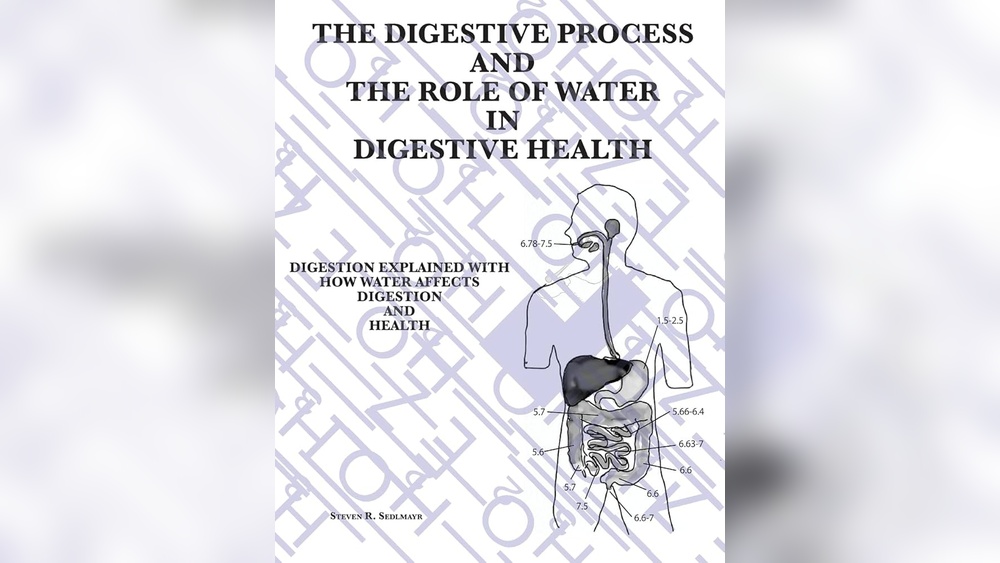
Digestion is the process where food is broken down into nutrients your body can use. Water is present in every step, from the moment you chew your food until waste leaves your body.
Water acts as a solvent. It helps dissolve nutrients and move them through the digestive tract. Without enough water, the whole system slows down, causing discomfort and poor absorption of vitamins and minerals.
The average adult should drink about 2 to 2.5 liters of water each day. This number can change based on age, climate, and activity level. Studies show that even mild dehydration can slow digestion and increase the risk of constipation by over 40%.
How Water Works In The Digestive System
1. Mouth And Saliva
Digestion starts in the mouth. Water is a major part of saliva, which softens food and starts breaking down carbohydrates. Without enough water, saliva production drops, making it harder to chew and swallow.
2. Stomach And Enzymes
When food reaches the stomach, water helps form gastric juices. These juices contain acid and enzymes that break down proteins and kill bacteria. If you are dehydrated, your stomach produces less juice. This can slow digestion and cause bloating.
3. Small Intestine And Nutrient Absorption
Water helps dissolve nutrients so they can pass through the wall of the small intestine into your blood. Fat, protein, carbohydrates, vitamins, and minerals all need water for absorption. In fact, over 85% of the water you drink is absorbed in the small intestine.
4. Large Intestine And Waste Removal
The large intestine absorbs water from undigested food, turning liquid waste into solid stool. If your body needs more water, it pulls extra from the waste, making stool hard and difficult to pass. This is a common cause of constipation.

Credit: patialaheart.com
Why Water Intake Matters For Digestion
Many people underestimate how much fluid balance affects digestion. Here are some key reasons why drinking enough water is critical:
- Speeds up food movement: Water keeps the digestive tract moist and flexible. This allows food to pass smoothly, reducing the risk of cramps or blockages.
- Prevents constipation: Adequate water intake softens stool, making bowel movements easier and more regular.
- Helps nutrient absorption: Most nutrients require water to dissolve and enter your bloodstream.
- Reduces acidity: Drinking water can dilute stomach acid, which lowers the risk of acid reflux and heartburn.
- Supports enzyme activity: Many digestive enzymes only work in a watery environment.
Recent research from the National Institutes of Health found that people who drink less than 1.5 liters of water per day are twice as likely to have slow digestion compared to those who drink over 2 liters.
Practical Examples Of Water’s Role In Digestion
You can see the effects of water on digestion in real life:
- After eating a high-fiber meal, such as beans or whole grains, you may notice bloating or discomfort if you do not drink enough water. Fiber absorbs water and bulks up stool, but without enough fluid, it can cause blockages.
- People who switch from a low-water diet to drinking 8 glasses a day often report less heartburn, less bloating, and more regular bowel movements within two weeks.
- Athletes or workers in hot climates who do not replace lost fluids often experience stomach cramps or constipation.
Signs And Indicators Of Poor Hydration In Digestion
It is not always easy to tell if your digestion is suffering from lack of water. Some key signs include:
- Dry mouth: Less saliva can make swallowing painful.
- Hard, dry stools: A main sign of dehydration in the colon.
- Bloating and cramps: When food moves too slowly due to thickened digestive fluids.
- Frequent heartburn: Thick stomach contents can cause acid to back up.
- Dark yellow urine: A clear sign your body is conserving water.
If you notice any of these signs, increasing your water intake can make a big difference in just a few days.
Step-by-step Guidance To Improve Digestion With Water
If you want to use water to boost your digestive health, follow these steps:
1. Start Your Day With A Glass Of Water
This wakes up your digestive system and prepares it for breakfast.
2. Drink Water With Meals, But Not Too Much
A small glass with food helps, but avoid drinking more than 250 ml at once to prevent diluting stomach acids.
3. Sip Water Throughout The Day
Do not wait until you are thirsty. Set reminders if needed.
4. Increase Water If You Eat More Fiber
For every 5 grams of extra fiber, add at least 100 ml more water.
5. Drink More When Active Or In Heat
If you sweat more, increase intake to replace lost fluids.
6. Watch Your Urine Color
Aim for pale yellow. Darker means you need more water.
7. Avoid Too Much Caffeine Or Alcohol
Both can increase fluid loss and worsen dehydration.
8. Use Water-rich Foods
Fruits and vegetables like cucumber, watermelon, and oranges add to your intake.
9. Review Medications
Some drugs cause fluid loss. Ask your doctor if you need extra water.
10. Track Your Intake
Use a bottle with measurements or an app to stay on track.
Credit: timesofindia.indiatimes.com
Common Problems And Solutions
Even with the best intentions, people can face challenges with hydration and digestion. Here is how to handle them:
- Problem: Forgetting to drink water
Solution: Set phone reminders or keep a bottle at your desk.
- Problem: Dislike the taste of plain water
Solution: Add lemon, mint, or cucumber for flavor.
- Problem: Increased urination
Solution: Spread intake evenly through the day rather than drinking large amounts at once.
- Problem: Swallowing difficulties
Solution: Try warm water or herbal teas, which can be easier to swallow.
- Problem: Not sure how much is enough
Solution: Most adults need at least 2 liters daily. Active people may need up to 3 liters.
If digestive discomfort persists even with good hydration, consult a healthcare professional. Some digestive problems need medical treatment.
Maintenance Tips For Healthy Digestion
Keeping your digestive system working well with water is an ongoing process. Here are some tips:
- Listen to your body: Thirst, dry mouth, and fatigue are signs you need more water.
- Eat hydrating foods: Soups, fruits, and vegetables can provide up to 20% of your total fluid needs.
- Adjust for weather: Hot or dry weather means you lose more fluid through sweat and breathing.
- Limit sugary drinks: These can slow digestion and add calories without nutrients.
- Check your routine: Traveling, stress, and illness can increase your fluid needs.
Below is a summary of how water supports each part of digestion:
| Digestive Step | Water’s Role | Signs of Dehydration |
|---|---|---|
| Mouth | Saliva production | Dry mouth, trouble swallowing |
| Stomach | Gastric juice formation | Bloating, slow digestion |
| Small Intestine | Nutrient absorption | Poor energy, malnutrition |
| Large Intestine | Stool softening | Constipation, hard stools |
These are based on clinical observations and published research from organizations like the World Health Organization and the National Institutes of Health.
Frequently Asked Questions
How Much Water Should I Drink Daily For Good Digestion?
Most adults need about 2 to 2.5 liters of water each day for healthy digestion. This includes both water and other fluids but does not include caffeinated or alcoholic drinks, which can cause dehydration.
Does Drinking Water With Meals Dilute Stomach Acid?
Drinking small amounts of water with meals is safe and even helps digestion. Only very large amounts, over 500 ml at once, may dilute stomach acid enough to slow digestion for some people.
Can Drinking Too Much Water Cause Problems?
Yes. Drinking extreme amounts, such as over 5 liters per day, can lead to a condition called hyponatremia (low sodium). This is rare but can be dangerous, so always drink to thirst and stay within healthy limits.
Is It Better To Drink Cold Or Warm Water For Digestion?
Both are fine. Some people find that warm water is easier to drink and may help relax the digestive tract, but there is no strong evidence that one is better than the other for digestion overall.
What Foods Help Hydrate And Support Digestion?
Water-rich foods like cucumber, watermelon, oranges, apples, and soups help keep you hydrated and support digestion. These can provide up to 20% of your daily fluid needs.
Key Takeaway
Water is essential for every step of digestion, from chewing food to passing waste. Drinking enough water helps your body absorb nutrients, prevent constipation, and keep your digestive system working smoothly. Most people need at least 2 liters each day, more if active or eating extra fiber.
Notice how your body responds and adjust your intake as needed for the best digestive health.
For more detail, you can read about human digestion on the National Institute of Diabetes and Digestive and Kidney Diseases or the World Health Organization.
Healthy digestion starts with simple habits. Make water a priority, and your body will thank you.

Credit: patialaheart.com

Hasan Al Sarker is a Reverse Osmosis Specialist. He has worked for many years to ensure safe drinking water for all. His research paper has been published in several journals, including Issue, Medium, and Slideshare. He is recognized as a water doctor among specialists though he did not attend medical college.
Besides working as a researcher of reverse osmosis technology, he is also very fancy with the kitchen and cooking. His guides are reading thousands of people every day. As a head of content, he is responsible for all the published articles at RO System Reviews.