
Water is essential for life. It plays a central role in how our bodies work every second. One area where water has a surprising impact is your heart rate. Many people do not realize how closely hydration and heart health are linked. In this article, you will learn exactly how water affects your heart rate, why it matters, and what you can do to keep both your hydration and heart in top condition.
Understanding the relationship between water and heart rate is not just for athletes or people with heart problems. It matters for everyone—students, workers, parents, and seniors—because your heart is always working. Even small changes in hydration can make a difference in how your heart functions.
With clear examples, practical steps, and expert advice, this guide will help you take control of your heart health today.
What Is Heart Rate And Why Does It Matter?
Your heart rate is the number of times your heart beats per minute (bpm). For most adults, a normal resting heart rate is between 60 and 100 bpm. Your heart rate changes throughout the day based on activity, emotions, body temperature, and how much water you drink.
A heart rate that is too high or too low can be a warning sign. It may signal dehydration, illness, stress, or a heart condition. Tracking and understanding your heart rate helps you notice these changes early. This is why knowing how water affects your heart rate is so important.
How Water Affects Heart Rate
Water is a key part of blood. In fact, blood is about 90% water. When you do not drink enough, your blood becomes thicker, making it harder for your heart to pump. As a result, your heart must beat faster to move the same amount of blood, raising your heart rate.
When you drink enough water, your blood flows more easily. This means your heart can work less hard, keeping your heart rate steady and healthy.
Key Effects
- Dehydration increases heart rate: Studies show that losing just 1-2% of your body weight in water can raise your heart rate by 5 to 10 bpm.
- Hydration lowers heart strain: Drinking 500 ml (about 2 cups) of water can lower your heart rate within 15-20 minutes if you are dehydrated.

Credit: pharmacynewsireland.com
Why Proper Hydration Matters For Heart Rate
Staying hydrated does more than keep you comfortable. It is critical for your heart’s efficiency. When you are well hydrated:
- Your heart pumps blood more easily.
- You maintain a stable heart rhythm.
- You reduce the risk of sudden spikes or drops in heart rate.
For people with heart conditions or high blood pressure, even small changes can make a big difference. Proper hydration can help prevent dizzy spells, fainting, or dangerous arrhythmias.
How Dehydration Changes Heart Rate
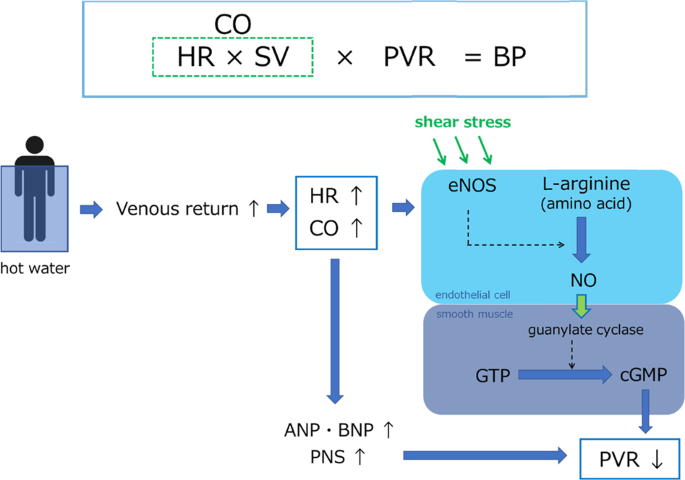
When your body loses water—through sweat, breathing, or urine—your blood volume drops. This causes your heart to work harder to deliver oxygen and nutrients.
Here is what happens step by step:
- Water loss: You sweat, urinate, or do not drink enough.
- Blood becomes thicker: Less water in your blood makes it thicker and harder to pump.
- Heart beats faster: Your heart rate rises to keep blood flowing.
- Possible symptoms: You may feel dizzy, weak, or notice palpitations.
Research from the American Heart Association shows that even mild dehydration increases heart rate and lowers blood pressure, especially during exercise.
Credit: www.nature.com
Practical Examples: Real Life Impact
Understanding the science is good, but seeing the impact in everyday life makes it clear.
Example 1: During a long walk in hot weather, you sweat a lot. If you do not drink water, your heart rate can go from a normal 75 bpm to 90 or even 100 bpm.
Example 2: After drinking a glass of water when you feel thirsty, your heart rate may drop back down within 20 minutes.
Example 3: Athletes often monitor both hydration and heart rate. Studies of marathon runners show that drinking water at aid stations helps keep their heart rates lower and performance higher.
Signs And Indicators That Water Is Affecting Your Heart Rate
It can be hard to know if your heart rate changes are due to hydration. Here are some signs to look for:
- Fast heartbeat when resting
- Feeling thirsty or dry mouth
- Dizziness when standing up
- Unusual tiredness
- Less urine or darker urine
If you notice these signs, try drinking water and see if your heart rate improves.
Step By Step Guidance To Manage Heart Rate With Water
To keep your heart rate healthy with proper hydration, follow these steps:
1. Monitor Your Water Intake
Drink 1.5 to 2 liters of water per day for most adults. You may need more if you are active, in hot weather, or pregnant.
2. Check Your Heart Rate
Use a watch or fitness tracker. Count your pulse for 15 seconds and multiply by four. Do this in the morning or when resting.
3. Notice Changes
If your heart rate is above your normal level (for example, 90 bpm instead of your usual 70 bpm), think about your last water intake.
4. Drink Water
If you suspect dehydration, drink a glass (about 250 ml) of water. Wait 15-20 minutes and check your heart rate again.
5. Adjust As Needed
If you keep feeling thirsty or your heart rate stays high, increase your water intake or speak to a doctor.
Common Problems And Solutions
Even with the best intentions, you might face some challenges. Here are common problems and how to solve them.
Problem 1: Forgetting To Drink
Solution: Set reminders on your phone. Carry a water bottle with you. Drink a small amount every hour.
Problem 2: Not Liking Plain Water
Solution: Add a slice of lemon, cucumber, or a few berries for taste. Herbal teas (unsweetened) are also a good option.
Problem 3: Overhydration
Solution: While rare, drinking too much water can be harmful. Do not drink more than 4 liters per day unless directed by a doctor. Listen to your body’s thirst signals.
Problem 4: Medical Conditions
Solution: Some people with heart or kidney problems need special advice. Always check with your doctor if you have concerns.
Problem 5: Confusing Thirst And Hunger
Solution: If you feel hungry soon after eating, try drinking a glass of water first. Many people mistake thirst for hunger.

Credit: hydralivetherapy.com
Maintenance Tips For Healthy Heart Rate And Hydration
Keeping your heart and body hydrated is not a one-time task. Here are tips to make it part of your daily routine.
- Start your day with water: Drink a glass first thing in the morning.
- Drink before you feel thirsty: Thirst means you are already a bit dehydrated.
- Balance fluids with activity: Drink more if you sweat, exercise, or are in hot weather.
- Watch alcohol and caffeine: These can increase water loss.
- Eat water-rich foods: Fruits and vegetables like cucumber, watermelon, and oranges add to your water intake.
Key Data On Water And Heart Rate
This table summarizes how water affects heart rate, with some real-world numbers.
| Hydration Level | Heart Rate (Resting) | Symptoms | Action |
|---|---|---|---|
| Well Hydrated | 60-80 bpm | Normal energy, clear urine | Maintain intake |
| Mild Dehydration | 80-90 bpm | Dry mouth, thirst, dark urine | Drink 250-500 ml water |
| Severe Dehydration | 90-110 bpm | Dizziness, rapid heartbeat, fatigue | Drink water, seek help if not improving |
Two Insights Beginners Often Miss
- Heart rate changes can be subtle at first. Many people do not notice a raised heart rate until they feel very unwell. Regularly checking your pulse helps you spot problems early.
- Hydration is not just about water. Drinks like coffee or alcohol can cause water loss. Foods and activities matter too. It is the total balance that counts, not just the number of glasses you drink.
Frequently Asked Questions
How Quickly Can Drinking Water Lower A High Heart Rate?
In mild dehydration, your heart rate can start to decrease within 15 to 20 minutes after drinking a glass of water. The effect is faster if you rest while rehydrating.
Can Drinking Too Much Water Affect My Heart Rate?
Yes, drinking excessive water—more than 4 liters a day—can dilute minerals in your blood, causing a condition called hyponatremia. This can lead to a slow or irregular heartbeat. Always listen to your body’s thirst cues.
Is It Better To Drink Small Amounts Of Water Often Or Large Amounts At Once?
Small, regular sips throughout the day are best. This keeps your hydration stable and avoids sudden changes in blood volume that can affect your heart rate.
Does Cold Water Affect The Heart Differently Than Room Temperature Water?
Cold water can cause a brief drop in heart rate, especially if you drink it quickly or after exercise. For most people, this is not dangerous, but room temperature water is gentler on the body.
How Do I Know If My Rapid Heart Rate Is From Dehydration Or Another Problem?
If your heart rate improves after drinking water and resting, dehydration was likely the cause. If your heart rate stays high or you have chest pain, seek medical help to rule out other issues.
Key Takeaway
Water plays a direct role in keeping your heart rate healthy. By staying hydrated, you help your heart work efficiently, avoid sudden changes in heartbeat, and keep your body in balance. Simple habits like regular water intake, monitoring your pulse, and adjusting for your activity level can make a big difference for your heart health. For more on hydration and heart function, visit the American Heart Association and CDC Healthy Water for reliable resources.
Remember, your heart depends on water—make hydration part of your healthy routine every day.

Hasan Al Sarker is a Reverse Osmosis Specialist. He has worked for many years to ensure safe drinking water for all. His research paper has been published in several journals, including Issue, Medium, and Slideshare. He is recognized as a water doctor among specialists though he did not attend medical college.
Besides working as a researcher of reverse osmosis technology, he is also very fancy with the kitchen and cooking. His guides are reading thousands of people every day. As a head of content, he is responsible for all the published articles at RO System Reviews.