
How Water Affects Metabolism
The way your body uses energy is called metabolism. This process keeps you alive, helps you move, and lets you think. Many people try to boost their metabolism to lose weight or feel more energetic. But there’s one factor most people forget: water. Water is everywhere in your body. It’s in your blood, your cells, and even your bones. Without enough water, your body cannot run its metabolic processes smoothly. You might feel tired, slow, or even gain weight. Understanding how water affects metabolism is important for anyone who wants to be healthier, manage weight, or simply feel better every day.
What Is Metabolism?
Metabolism is a word for all the chemical reactions in your body. These reactions turn food into energy, build new cells, and remove waste. There are two main parts:
- Catabolism: Breaking down food for energy.
- Anabolism: Using energy to build and repair cells.
Water plays a role in both of these. Without enough water, your body cannot break down nutrients or build new molecules properly.
How Water Supports Metabolic Processes
Every metabolic reaction depends on water. Here’s how:
- Solvent for reactions: Water dissolves nutrients and chemicals so they can react easily.
- Transport: Water carries nutrients, hormones, and waste through your blood.
- Temperature control: Water helps your body stay at the right temperature for metabolism.
- Enzyme function: Most enzymes need water to work. Enzymes are proteins that speed up chemical reactions.
When you don’t drink enough water, your metabolism slows down. Your body cannot process food, remove toxins, or make energy efficiently.
Water And Calorie Burning
Many people want to burn more calories. Studies show drinking water can help:
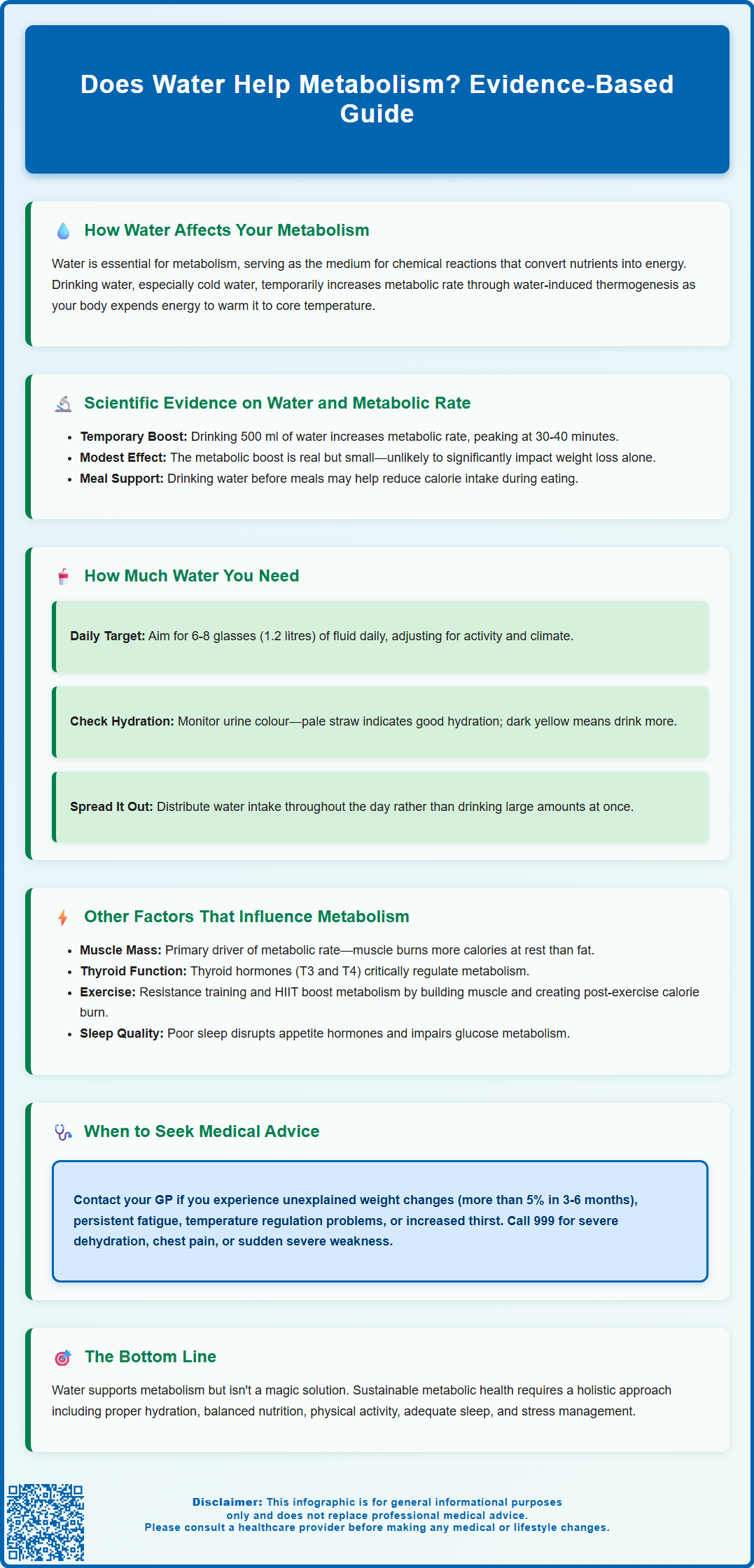
- One study found that drinking 500 ml of cold water increases resting energy expenditure by about 24% for 60 minutes.
- Drinking water before meals can help you eat less, which leads to weight loss.
Why? Water makes your body work harder to warm up and digest food. This burns more calories.
| Amount of Water | Calories Burned (Extra) | Duration |
|---|---|---|
| 500 ml | ~24 kcal | 60 minutes |
| 1000 ml | ~48 kcal | 120 minutes |
This effect is small but useful. Over time, it can make a difference in weight management.
Water And Digestion
Digestion is a key part of metabolism. Water helps in several ways:
- Makes saliva, which starts digestion in your mouth.
- Breaks down food in your stomach and intestines.
- Moves waste out of your body.
If you don’t drink enough water, digestion slows down. You may feel bloated, constipated, or weak.
Practical Example
When you eat a meal, your body needs water to dissolve nutrients and move them into your cells. If you are dehydrated, your body cannot absorb vitamins and minerals as well.
Water And Detoxification
Your body makes waste all the time. Metabolism produces toxins that must be removed. Water helps:
- Flushes toxins out through urine and sweat.
- Keeps kidneys healthy so they can filter blood.
Without enough water, toxins build up. This can make you feel tired, sick, or even damage organs.
Common Mistake
Some people think drinking coffee or soft drinks is enough. But these drinks do not hydrate your body as well as pure water. They can even cause your body to lose water.
Water And Fat Metabolism
Burning fat is a part of metabolism. Water helps break down fat molecules so your body can use them for energy. If you are dehydrated, your body cannot burn fat efficiently.
Example
A study showed that people who drank more water lost more fat during a weight loss program. Water helped their bodies break down stored fat faster.
Water And Muscle Metabolism
Muscles need water for energy. When you exercise, your muscles produce waste and heat. Water removes waste and cools your body so you can keep moving.
Insight
If you are dehydrated, your muscles get tired faster. This slows down your metabolism and can lead to injuries.
Hydration And Thyroid Function
The thyroid gland controls your metabolism speed. It produces hormones that tell your body how fast to burn energy. Water helps the thyroid work properly.
Non-obvious Insight
Even mild dehydration can slow thyroid hormone production. This makes your metabolism slower without you realizing it.
Credit: anglingtrust.net
Water And Nutrient Transport
Your blood is mostly water. It carries glucose (sugar), amino acids, and fats to your cells. Without enough water, cells do not get the fuel they need.
Comparison
| Hydrated Body | Dehydrated Body |
|---|---|
| Fast nutrient delivery | Slow nutrient delivery |
| Efficient energy use | Less energy produced |
| Healthy cell function | Cells struggle to work |
Water And Metabolic Diseases
Some diseases are linked to metabolism. Diabetes, obesity, and kidney problems are examples. Proper hydration can help prevent or manage these conditions.
- Water improves blood sugar control in diabetics.
- Water helps kidneys filter blood, lowering risk of kidney disease.
- Water assists in weight management, lowering risk of obesity.
How Much Water Do You Need?
There is no perfect answer, but experts suggest:
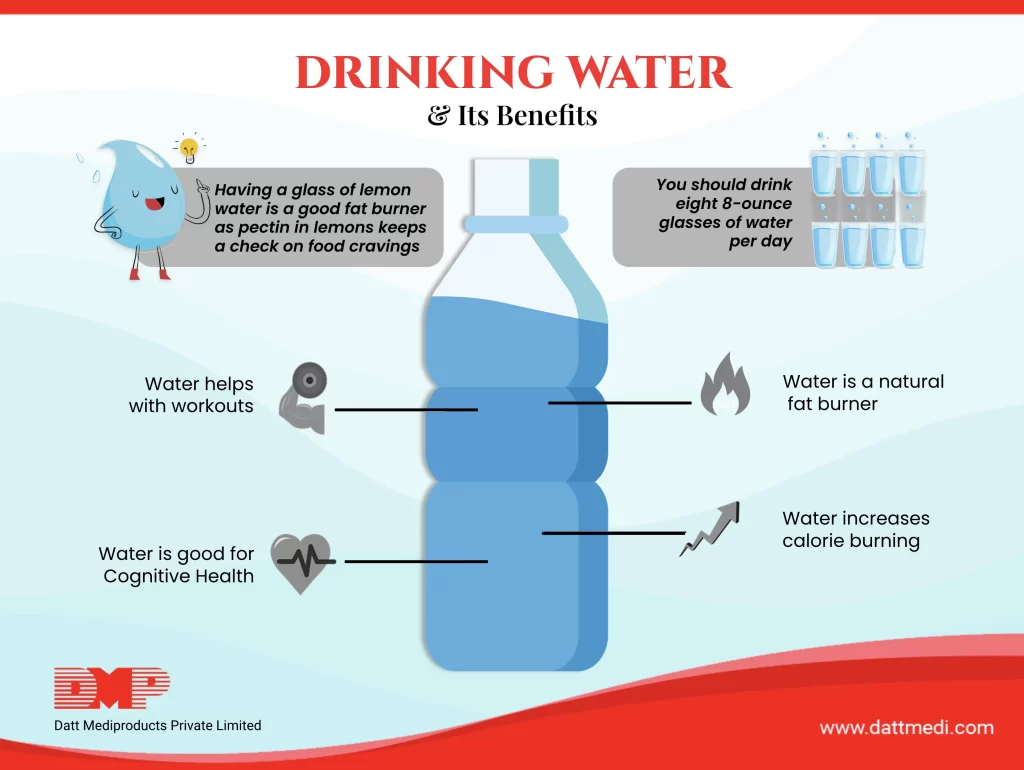
- Adults: About 2 to 3 liters per day (8-12 cups)
- Children: About 1 to 2 liters per day (4-8 cups)
- More if you exercise, sweat, or live in a hot climate
Insight For Beginners
Thirst is not always a good indicator. If you feel thirsty, you are already a bit dehydrated. Drink water regularly, not just when thirsty.
Signs Of Poor Hydration
If your metabolism is slow, you may notice:
- Tiredness
- Headaches
- Dry skin
- Poor digestion
- Weight gain
These signs can be caused by not drinking enough water. Many people blame other things, but water is often the missing piece.
Credit: www.ctcd.edu
Practical Tips To Boost Metabolism With Water
- Drink water before meals: This helps you eat less and boosts digestion.
- Start your day with water: Your body is dehydrated after sleep.
- Choose water over soft drinks: Water hydrates better.
- Add flavor with lemon or cucumber: This makes water more enjoyable.
- Carry a water bottle: You will drink more if water is always nearby.
- Eat water-rich foods: Fruits and vegetables like watermelon, cucumber, and oranges add extra hydration.
The Link Between Water And Weight Loss
Water helps weight loss in several ways:
- Reduces hunger
- Helps burn more calories
- Improves fat breakdown
- Boosts energy for exercise
A study published in 2013 found that people who drank water before meals lost 44% more weight than those who did not, over a 12-week period.
Cold Water Vs. Warm Water
Some people wonder if cold water is better for metabolism. Drinking cold water makes your body work to warm it up, burning extra calories. However, warm water may help digestion, especially after meals.
Data Table
| Water Temperature | Metabolic Effect | Best For |
|---|---|---|
| Cold | Burns more calories | Weight loss, energy boost |
| Warm | Improves digestion | Digestive comfort |
Hidden Risks Of Dehydration
Most people know that dehydration can make you feel thirsty. But there are hidden risks:
- Slower metabolism
- More fat stored
- Higher risk of kidney stones
- Poor skin health
Even mild dehydration can affect your energy and weight. Many people drink coffee or sugary drinks, but these can make dehydration worse.
Credit: www.boltpharmacy.co.uk
Water Quality And Metabolism
Not all water is the same. Clean, safe water is best. Contaminated water can cause illness and slow metabolism. If your water comes from a well or local source, check for safety.
Summary
Water is much more than a thirst quencher. It is a key factor for metabolism. It helps your body burn calories, break down fat, digest food, and remove toxins. Drinking enough water each day can make your metabolism work better, boost energy, and help manage weight. Many people ignore water’s role in health, but it is one of the simplest ways to improve your body’s function. Remember, thirst is not always enough. Make water a regular part of your day for the best results.
For more scientific details, you can see this research paper.
Frequently Asked Questions
How Does Water Increase Metabolism?
Water helps your body run chemical reactions faster. It dissolves nutrients, moves them to cells, and helps burn calories. Drinking water can raise your resting metabolic rate for about an hour.
Can Drinking Water Help With Weight Loss?
Yes. Drinking water before meals can help you eat less. It also helps your body burn more calories and break down fat. Studies show people lose more weight when they drink enough water.
Is Cold Water Better For Boosting Metabolism?
Cold water burns a few extra calories because your body warms it up. But the difference is small. Both cold and warm water are good for metabolism. Choose what feels best for you.
How Much Water Should I Drink Each Day?
Most adults need 2 to 3 liters (8-12 cups) daily. If you exercise, sweat, or live in a hot place, you need more. Drink water regularly, not just when you feel thirsty.
What Are Signs Of Poor Hydration That Affect Metabolism?
Common signs are tiredness, headaches, dry skin, slow digestion, and weight gain. If you notice these, try drinking more water and see if your metabolism improves.

Hasan Al Sarker is a Reverse Osmosis Specialist. He has worked for many years to ensure safe drinking water for all. His research paper has been published in several journals, including Issue, Medium, and Slideshare. He is recognized as a water doctor among specialists though he did not attend medical college.
Besides working as a researcher of reverse osmosis technology, he is also very fancy with the kitchen and cooking. His guides are reading thousands of people every day. As a head of content, he is responsible for all the published articles at RO System Reviews.