How Water Enters The Bloodstream
Water is essential for every part of the human body. From carrying nutrients to removing waste, water helps keep us alive and healthy. But have you ever wondered how water you drink actually gets into your blood? This process might seem simple, but it involves a fascinating journey through your digestive system, involving many steps and body parts. Understanding this journey can help you make smarter choices about hydration and health.
The Path Of Water: From Mouth To Blood
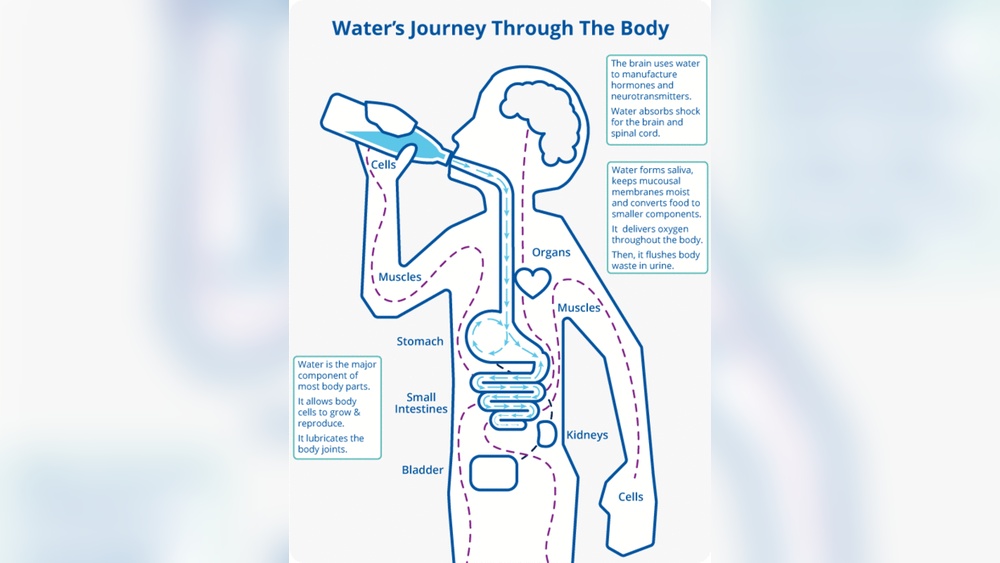
When you take a sip of water, the process of absorption begins immediately. The journey of water from your mouth to your bloodstream involves several organs and steps:
- Mouth: Water enters your body through your mouth. Here, it mixes with saliva, but very little absorption happens at this stage.
- Esophagus: The water then travels down the esophagus, a tube that connects your throat to your stomach.
- Stomach: In the stomach, water can be absorbed quickly, especially if your stomach is empty. Some water passes through the stomach lining into the bloodstream, but most moves on to the small intestine.
- Small Intestine: This is the main site for water absorption. The walls of the small intestine are lined with tiny structures called villi and microvilli that help absorb water and nutrients into the blood.
- Large Intestine: Whatever water is not absorbed in the small intestine goes to the large intestine, where more water is absorbed and the remaining waste is prepared for removal from the body.
Each of these steps is essential, and problems at any point can affect hydration and overall health.
Key Mechanisms Of Water Absorption
Passive Diffusion
Most water enters the bloodstream through a process called passive diffusion. This means water moves from an area with more water (inside your gut) to an area with less water (your blood). It does not require energy from your body.
Osmosis
Another important process is osmosis. This is the movement of water through a semipermeable membrane (like the walls of your intestines) from an area of lower concentration of dissolved substances to a higher one. This helps balance fluids and electrolytes in your body.
Active Transport
Although active transport uses energy, it is mainly used for nutrients like glucose and amino acids, not water. However, when water follows these nutrients, it can be absorbed more efficiently.
Credit: www.otsuka.co.jp
The Role Of The Small Intestine
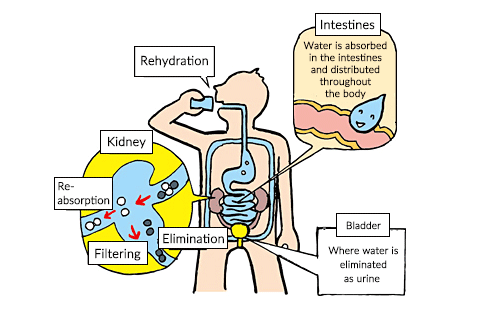
The small intestine is the superstar of water absorption. It is about 6 meters long and has a very large surface area due to the villi and microvilli. This surface area allows your body to absorb large amounts of water quickly.
Here’s how water absorption happens in the small intestine:
- Villi: Finger-like projections that increase the surface area for absorption.
- Capillaries: Tiny blood vessels inside the villi take in water and nutrients.
- Rapid absorption: Up to 80% of water from your drink can be absorbed here within minutes.
If you drink 250 ml (about one glass) of water, most of it will enter your bloodstream within 5–15 minutes, especially on an empty stomach.
What Happens In The Stomach?
While the stomach is not the main place for water absorption, it still plays a role. The stomach holds water for a short time, mixing it with acids and enzymes. Some water moves through the stomach lining into the bloodstream, but the majority passes quickly to the small intestine.
Several factors affect how fast water leaves the stomach:
- Stomach fullness: If you have just eaten, water stays longer in the stomach.
- Temperature: Cold water can leave the stomach faster.
- Carbonation: Fizzy drinks may slow down emptying.
The Large Intestine: Final Water Recovery
After the small intestine, leftover water moves to the large intestine (colon). Here, the body absorbs more water, especially if you are dehydrated. The colon is very efficient—almost all remaining water is absorbed, leaving only a small amount in feces.
In cases of diarrhea, this process is disrupted, and water is lost, leading to dehydration. In constipation, too much water is absorbed, making stools hard.
How Water Enters Blood Vessels
Once water passes through the intestinal walls, it enters tiny blood vessels called capillaries. From there, it joins the portal vein, which carries absorbed water and nutrients to the liver for processing. After the liver, water enters the general bloodstream and is carried throughout the body.
This can be summarized in the following comparison:
| Stage | Main Action | Percentage of Water Absorbed |
|---|---|---|
| Mouth & Esophagus | Transport only | Very little |
| Stomach | Some absorption | ~20% |
| Small Intestine | Major absorption | ~80% |
| Large Intestine | Final absorption | Varies (small amount) |
Factors That Influence Water Absorption
Not everyone absorbs water at the same rate. Several factors can change how quickly and efficiently water enters your bloodstream:
1. Stomach Contents
Water is absorbed faster on an empty stomach. If you eat a large meal, water stays longer in the stomach, slowing absorption.
2. Type Of Beverage
Plain water is absorbed faster than drinks with sugar, caffeine, or alcohol. Sports drinks with electrolytes may help with absorption during heavy exercise.
3. Temperature
Cool water can be absorbed slightly faster than warm water.
4. Health Conditions
Digestive problems, like Crohn’s disease or celiac disease, can damage the intestines and reduce water absorption.
5. Physical Activity
During exercise, your body needs water quickly. Blood flow to the gut may decrease, slowing absorption, but the need for water is higher.
6. Age
Children and elderly people may absorb water differently. Older adults often have reduced thirst and slower absorption.
7. Medications
Some medicines can affect how much water your body absorbs or how quickly your body removes it.
The Importance Of Electrolytes
Water does not travel alone. It moves with electrolytes like sodium, potassium, and chloride. These minerals help control how much water is absorbed and where it goes in the body.
When you are dehydrated, your body releases hormones like vasopressin to help keep water by concentrating urine. Drinking water with the right balance of electrolytes is especially important after heavy sweating, diarrhea, or vomiting.
Here is a simple comparison of plain water and electrolyte drinks:
| Beverage Type | Water Absorption Rate | Electrolyte Content | Best Use |
|---|---|---|---|
| Plain Water | Fast | Low | Everyday hydration |
| Sports Drink | Moderate | High (sodium, potassium) | After exercise or sweating |
| Oral Rehydration Solution | Very Fast | Optimized for absorption | Diarrhea, dehydration |

Credit: www.frizzlife.com
How Long Does It Take For Water To Enter The Bloodstream?
Most water you drink is absorbed into the bloodstream within 5 to 30 minutes. On an empty stomach, it can be as fast as 5 minutes. After a heavy meal, it might take up to an hour. Factors like temperature, type of drink, and your health also play a role.
For example:
- After waking up: Water is absorbed quickly.
- After eating: Absorption is slower.
- During exercise: Body demands more, but absorption can be slower if blood is directed away from the gut.
Two Insights Most People Miss
- Water is not absorbed evenly throughout the gut. Many people think water is absorbed the same way everywhere, but the small intestine is the key location. The stomach and large intestine help, but their roles are much smaller.
- Electrolyte balance matters for water absorption. If you are low on sodium or potassium, water may pass through your body without being held inside your cells, leading to poor hydration even if you drink enough.
Common Problems With Water Absorption
Not everyone’s body absorbs water perfectly. Some common issues include:
- Dehydration: Can happen if water is lost faster than absorbed, for example with diarrhea or sweating.
- Malabsorption: Conditions like celiac disease, Crohn’s disease, or certain infections can damage the intestines.
- Overhydration: Drinking too much water too quickly can lead to hyponatremia, where sodium levels in the blood become dangerously low.
Improving Your Water Absorption
If you want to make sure your body gets the most out of the water you drink, consider these tips:
- Drink water regularly throughout the day, not all at once.
- Add a pinch of salt to your water during heavy exercise or heat.
- Choose drinks with electrolytes if you are sweating a lot or have diarrhea.
- Avoid drinking large amounts of water with heavy meals.
- Listen to your body’s thirst cues, especially if you are older.
Credit: extension.missouri.edu
Why Understanding Water Absorption Matters
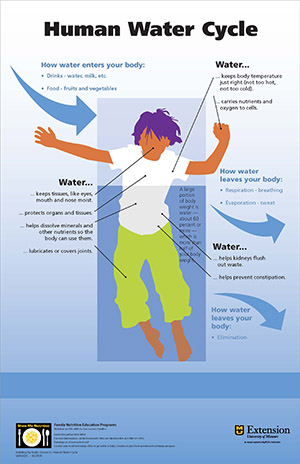
Knowing how water enters the bloodstream helps you take better care of your health. Dehydration can cause headaches, fatigue, and even serious medical problems. Proper hydration supports your kidneys, brain, muscles, and every cell in your body.
When you understand the process, you can spot problems sooner and know how to respond. For more in-depth information on the science of water absorption, you can visit this Wikipedia article on water absorption.
Frequently Asked Questions
How Much Water Is Absorbed In The Stomach Vs. The Small Intestine?
About 20% of the water you drink is absorbed in the stomach, while around 80% is absorbed in the small intestine. The small intestine is much more efficient due to its large surface area.
Can You Absorb Water Through Your Mouth Or Skin?
Very little water is absorbed through the mouth. Most absorption happens in the gut. The skin does not let water enter the bloodstream under normal conditions, even during a long bath.
What Slows Down Water Absorption?
Eating a heavy meal, drinking alcohol, or having certain digestive problems can slow down water absorption. Some medicines and illnesses can also affect how quickly your body absorbs water.
Is It Possible To Drink Too Much Water?
Yes. Drinking too much water in a short time can cause hyponatremia, a condition where sodium in the blood gets too low. This can be dangerous and is sometimes called “water intoxication.”
Do Sports Drinks Hydrate Better Than Water?
Sports drinks can hydrate better than plain water during heavy exercise or sweating because they contain electrolytes that help the body hold onto water. For everyday hydration, plain water is usually enough.
Water’s journey from your mouth to your bloodstream is an amazing process that supports life itself. By understanding each step, you can make better choices and keep your body running at its best.

Hasan Al Sarker is a Reverse Osmosis Specialist. He has worked for many years to ensure safe drinking water for all. His research paper has been published in several journals, including Issue, Medium, and Slideshare. He is recognized as a water doctor among specialists though he did not attend medical college.
Besides working as a researcher of reverse osmosis technology, he is also very fancy with the kitchen and cooking. His guides are reading thousands of people every day. As a head of content, he is responsible for all the published articles at RO System Reviews.