
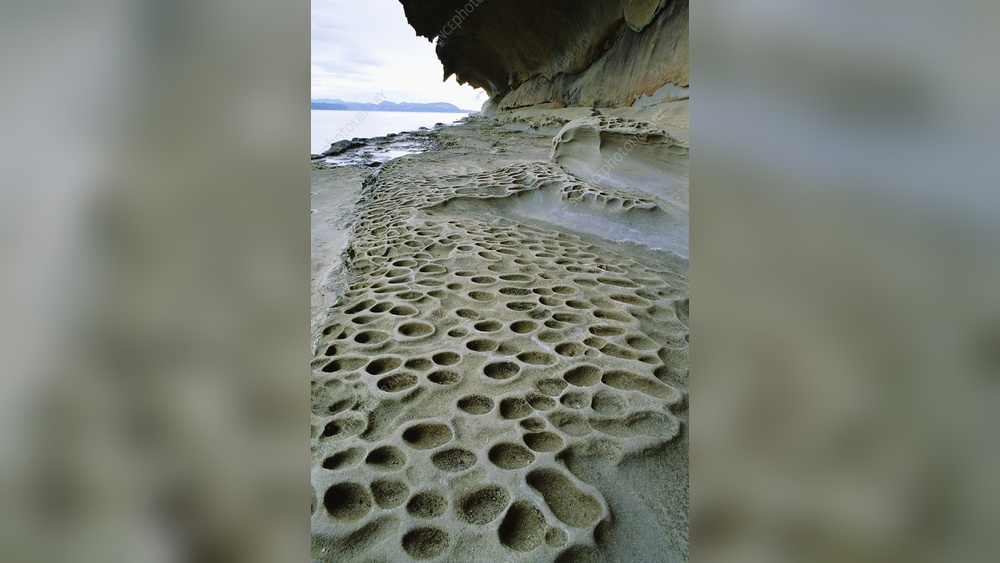
Water can change hard rock into soft sand over thousands or even millions of years. You see the results in rivers, canyons, caves, and even in your own backyard. But how does this happen? As a geologist with years of field experience, I’ve seen firsthand how water shapes landscapes, carves valleys, and even moves mountains—slowly but powerfully.
Understanding how water erodes rock helps us manage land, prevent disasters, and appreciate the natural forces all around us.
What Is Water Erosion?
Water erosion is the process where water wears away and removes rocks and soil from one place and moves them to another. This is not a single event but a slow and steady action, often invisible in daily life but dramatic over longer timescales. It’s a key part of the earth’s rock cycle and landscape development.
There are different types of water erosion. Rain, rivers, ocean waves, and even underground water can all break down rocks in unique ways. Each process works at different speeds, depending on climate, rock type, and land slope.
How Water Erodes Rock
Water erodes rock through several main processes. Let’s break down each, with real-world examples and data.
1. Hydraulic Action
When moving water—like a fast river—hits rock, it pushes air and water into cracks. This pressure can break pieces off over time. For example, the Colorado River in the Grand Canyon erodes the canyon walls by several millimeters each year using hydraulic action.
2. Abrasion
Abrasion happens when water carries particles like sand or gravel. These particles rub against rocks, wearing them down like sandpaper. In rivers, this can make smooth stones called “river pebbles. ” The average river can move sediment at speeds of 1-2 centimeters per year, depending on flow and gradient.
3. Solution (chemical Weathering)
Some minerals dissolve in water. Rainwater is slightly acidic, so it can dissolve limestone and other rocks. The process is slow but steady; for example, limestone can dissolve at a rate of 1-10 millimeters per 1,000 years. This is how caves are formed.
4. Freeze-thaw (frost Wedging)
In climates where temperatures go above and below freezing, water seeps into cracks during the day and freezes at night. When water freezes, it expands by about 9 percent, forcing the rock apart. Over years, this can split even large boulders.
5. Biological Action
Plants and animals can help water erode rock. Roots grow into cracks and widen them. Some bacteria and lichens create acids that help dissolve rocks. This process is slow but can be seen in old stone monuments.
Quick Comparison Of Erosion Processes
Here is a simple table summarizing the main processes, their speed, and typical results:
| Process | Speed | Main Effect | Example |
|---|---|---|---|
| Hydraulic Action | mm–cm/year | Breaks chunks off rock faces | Grand Canyon river walls |
| Abrasion | cm/year | Polishes and wears rocks | Rounded river stones |
| Solution | mm/1,000 years | Dissolves minerals | Limestone caves |
| Freeze-Thaw | cm/year (in cold climates) | Splits rocks along cracks | Mountain slopes |
| Biological Action | mm/year | Widens cracks, dissolves minerals | Roots in pavements |
Why Water Erosion Matters
Water erosion shapes our planet’s surface. It forms valleys, canyons, and deltas. It impacts agriculture by removing fertile soil. In some cases, erosion threatens roads, buildings, and homes. For example, the Mississippi River carries about 210 million tons of sediment to the Gulf of Mexico each year, changing coastlines and affecting navigation.
Understanding erosion helps us plan for floods, design strong buildings, and preserve farmland. It also helps prevent natural disasters like landslides, which can destroy communities.
Practical Examples Of Water Erosion
Seeing water erosion in action is easier than you think. Here are a few classic examples:
- The Grand Canyon: Over 5-6 million years, the Colorado River carved a canyon over 1,800 meters deep.
- Karst Landscapes: In China’s Guilin region, solution erosion created spectacular limestone towers and caves.
- Riverbanks and Floodplains: Rivers like the Amazon shift their channels, eroding banks and creating new land.
- Coastal Cliffs: The White Cliffs of Dover are eroded by waves at a rate of about 1-2 centimeters per year.
- Urban Sidewalks: Tree roots and freeze-thaw cycles break up concrete, a common sign of biological and physical erosion.

Credit: www.shutterstock.com
Signs And Indicators Of Water Erosion
It’s important to recognize erosion early. Some clear signs include:
- Exposed tree roots along riverbanks
- Gullies or rills forming on hillsides after heavy rain
- Muddy water in streams after storms
- Undercut riverbanks or cliffs
- Sinkholes in limestone regions
In farmland, water erosion can remove up to 12 tons of topsoil per acre every year, reducing crop yields and increasing runoff.
Step-by-step Guidance: Observing Water Erosion
If you want to study water erosion, here’s a simple method I use in the field:
- Choose a Site: Pick a riverbank, hillside, or beach where erosion is likely to be visible.
- Look for Clues: Identify features like exposed roots, loose rocks, or sediment in water.
- Measure Change: Place a marker (like a wooden stake) at the edge of a bank. Measure the distance to the water every month.
- Record Weather: Keep track of rainfall, as heavy storms accelerate erosion.
- Take Photos: Visual records help you compare changes over time.
- Analyze Sediment: Collect water samples after rain to see how much soil is carried away.
This process can reveal surprising rates of change, even over a single season.

Credit: stockcake.com
Common Problems And Solutions
Water erosion can create serious issues, especially for landowners, farmers, and builders. Here are some frequent problems and how to address them:
Problem: Loss Of Topsoil
When rain erodes topsoil, crops struggle to grow. This reduces food production.
Solution: Use contour plowing, plant cover crops, or build terraces. These methods slow water and reduce soil loss.
Problem: Riverbank Collapse
Rivers can undercut banks, causing trees and buildings to fall.
Solution: Plant deep-rooted vegetation or install rock barriers (riprap) to stabilize banks.
Problem: Urban Erosion
Sidewalks and roads can crack due to water and freeze-thaw cycles.
Solution: Use flexible paving materials and improve drainage to direct water away from structures.
Problem: Sinkholes
In limestone areas, underground erosion can create dangerous sinkholes.
Solution: Monitor ground movement and fill small sinkholes with stable material. Large ones may require professional repair.
Problem: Water Pollution
Eroded soil carries pesticides and nutrients into rivers, causing pollution.
Solution: Maintain buffer zones of plants along waterways to filter runoff.
Maintenance Tips To Reduce Erosion
Based on years of observation, these tips help keep erosion under control:
- Plant native grasses and shrubs to anchor soil.
- Avoid overgrazing by rotating livestock areas.
- Fix leaks in irrigation or drainage systems promptly.
- Build small check dams in gullies to slow water flow.
- Mulch exposed soil to protect it from raindrop impact.
- Inspect slopes and banks regularly, especially after storms.
Simple actions can make a big difference. Preventing erosion is almost always easier and cheaper than fixing the damage later.

Credit: alanhamr.weebly.com
Data Table: Water Erosion By Environment
Let’s compare average erosion rates in different settings:
| Environment | Average Annual Erosion Rate | Main Erosion Type | Notable Example |
|---|---|---|---|
| Mountain River | 5–50 mm/year | Hydraulic, abrasion | Yosemite Valley |
| Coastal Cliff | 10–200 mm/year | Wave action | White Cliffs of Dover |
| Agricultural Field | 10–120 tons/hectare/year | Surface runoff | US Midwest farms |
| Urban Area | 1–10 mm/year | Freeze-thaw, runoff | Sidewalks in Toronto |
| Limestone Region | 1–10 mm/1,000 years | Chemical solution | Carlsbad Caverns |
Frequently Asked Questions
What Rocks Erode Fastest By Water?
Soft rocks like shale and sandstone erode much faster than hard rocks such as granite or basalt. Limestone also erodes quickly in areas with acidic rain.
How Long Does It Take Water To Erode A Rock Completely?
It depends on the rock type, water speed, and climate. Small rocks can disappear in decades, while major landforms like canyons may take millions of years to form.
Can Water Erosion Be Stopped Completely?
No, but it can be slowed down. Good land management and protective measures can reduce erosion rates by over 80 percent in many cases.
Does Climate Change Affect Water Erosion?
Yes. Increased rainfall and severe storms make erosion worse in many regions. Droughts can also lead to more erosion when rain finally arrives, because dry soil is less stable.
Where Can I See Good Examples Of Water Erosion?
You can visit places like the Grand Canyon, Niagara Falls, or limestone caves. Even local streams and beaches often show clear signs of erosion after heavy rain.
Key Takeaway
Water erosion is a natural and powerful force that shapes the world around us. By understanding how water erodes rock and recognizing the signs, we can protect our land, manage resources wisely, and reduce long-term damage. Whether you are a student, homeowner, or land manager, knowing the basics—and some expert tips—will help you see and handle water erosion with confidence.
For further reading and detailed maps of erosion-prone areas, see Wikipedia’s Soil Erosion entry and USGS Watershed Information.

Hasan Al Sarker is a Reverse Osmosis Specialist. He has worked for many years to ensure safe drinking water for all. His research paper has been published in several journals, including Issue, Medium, and Slideshare. He is recognized as a water doctor among specialists though he did not attend medical college.
Besides working as a researcher of reverse osmosis technology, he is also very fancy with the kitchen and cooking. His guides are reading thousands of people every day. As a head of content, he is responsible for all the published articles at RO System Reviews.