Water fasting is a practice where a person consumes only water for a set period. This method has gained attention for its potential health benefits, weight loss effects, and impact on metabolism. Many people are curious about how water fasting works, what to expect, and how to do it safely.
As a nutrition expert who has guided clients through fasting protocols, I will explain what really happens during water fasting, why it matters, and how you can approach it with confidence.
Understanding Water Fasting
Water fasting means you do not eat any food and only drink water. Most people fast for 24 to 72 hours, but some extend this period. During a water fast, the body switches from using glucose (sugar) as its main energy source to burning stored fat.
This switch is called ketosis. The process can lead to noticeable changes in how your body feels and functions.
Short fasts (24-48 hours) are common among beginners. Longer fasts (3 days or more) should only be done under medical supervision. Water fasting is not the same as intermittent fasting, where you eat within certain hours each day. In water fasting, you take in zero calories for the whole period.
How Water Fasting Works In The Body
When you begin a water fast, your body goes through several metabolic changes. Here is a breakdown of what happens during each stage.
| Fasting Time | Main Energy Source | Key Body Changes |
|---|---|---|
| 0-12 hours | Glucose (from food) | Blood sugar drops, insulin decreases |
| 12-24 hours | Glycogen (liver stores) | Glycogen breaks down, slight fat burning |
| 24-48 hours | Fat (ketones) | Ketosis begins, fat becomes main fuel |
| 48+ hours | Fat & Protein (ketones, amino acids) | Deep ketosis, muscle breakdown risk increases |
During the first 12 hours, your body uses up glucose from your last meal. After that, it starts breaking down glycogen stored in the liver. By day two, the liver produces ketones from fat, which the brain and body use for energy. If the fast continues, the body also breaks down some muscle protein to meet its needs.
Credit: myacare.com
Why Water Fasting Matters
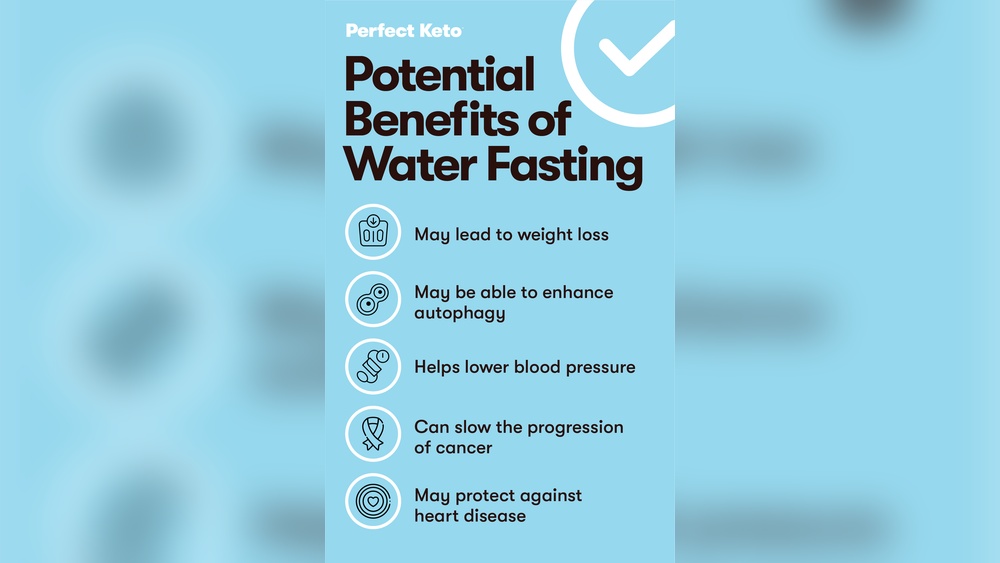
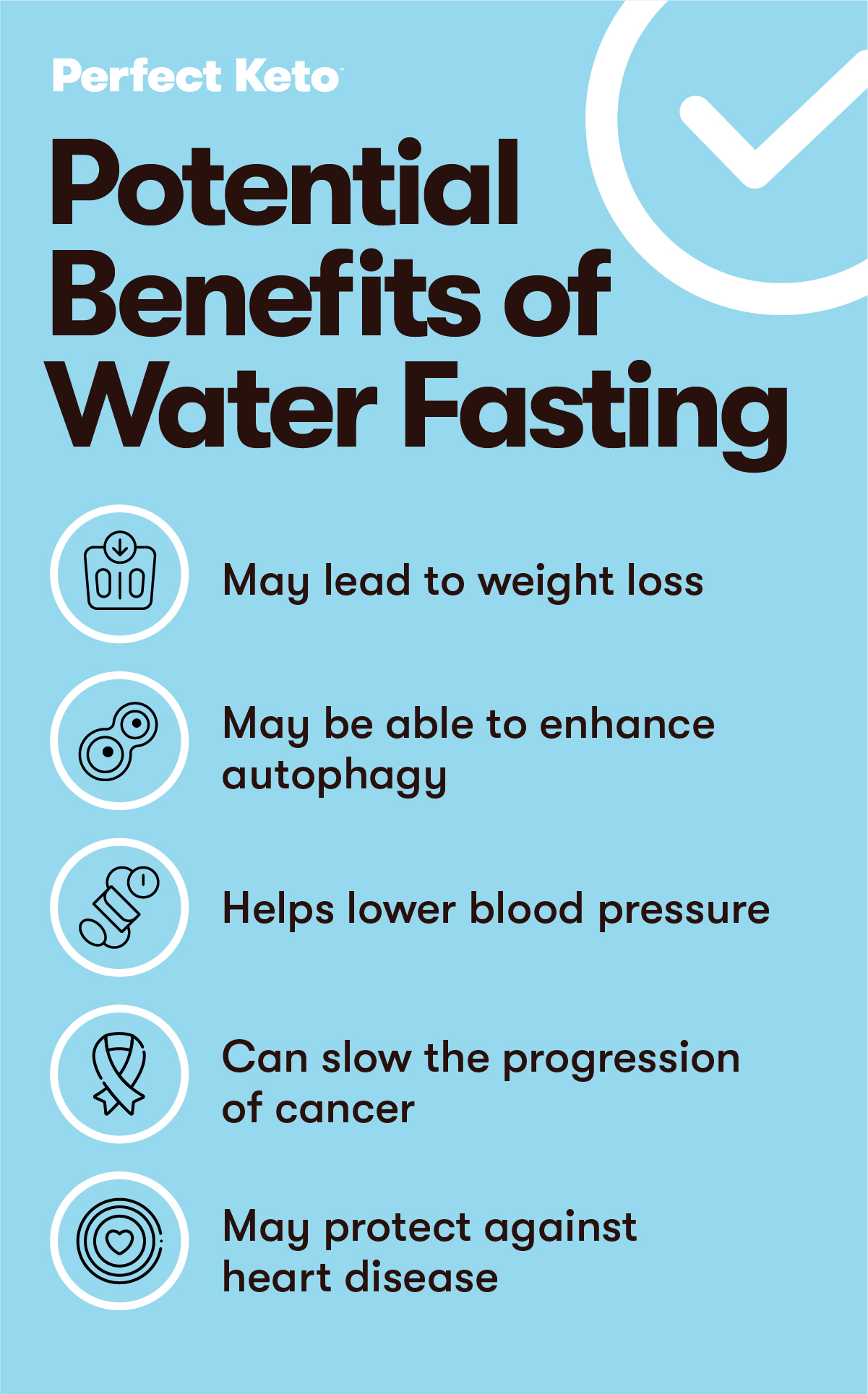
Water fasting has been studied for its effects on health, longevity, and disease prevention. Animal studies suggest that fasting can extend lifespan and reduce the risk of certain diseases. In humans, water fasting shows promise for:
- Weight loss: Most people lose 1-2 pounds per day during a water fast, mainly from water, glycogen, and fat.
- Blood sugar control: Fasting helps lower insulin and stabilize blood sugar levels.
- Cell repair: The body increases autophagy, a process where cells clean out damaged parts.
- Heart health: Some research links fasting to lower blood pressure and cholesterol.
However, water fasting is not risk-free. It can lead to dehydration, nutrient deficiencies, and loss of muscle mass if not done properly. Pregnant women, children, and people with chronic illnesses should not attempt water fasting without medical advice.
Practical Examples Of Water Fasting
To understand how water fasting looks in real life, here are three practical scenarios.
- 24-hour fast: Someone skips dinner and breakfast, drinking only water for 24 hours. They resume eating with a light meal. Most people report hunger, but also clear thinking and mild energy dips.
- 3-day fast: A healthy adult prepares by eating lighter meals before starting. They drink 2-3 liters of water daily. By day two, hunger fades but weakness or headaches may appear. After three days, they break the fast gently with soup or fruit.
- 7-day supervised fast: This is done in a clinic. Patients are monitored for blood pressure, hydration, and electrolytes. Weight loss is higher, but muscle loss and dizziness are common. Refeeding is slow and controlled.
These examples highlight how the fasting experience changes with duration and preparation.
Credit: www.ctcd.edu
Signs And Indicators During Water Fasting
Your body gives clear signals during a water fast. Recognizing these helps you respond correctly.
Common signs include:
- Dry mouth or thirst (drink more water)
- Headache (often in the first day)
- Dizziness or weakness (sit down and rest)
- Hunger (usually fades after 24-36 hours)
- Bad breath (from ketones)
- Reduced energy for intense activity
Warning signs to watch for:
- Fainting or confusion
- Chest pain
- Irregular heartbeat
- Severe nausea or vomiting
If you feel any warning signs, stop fasting and seek medical help. Most mild symptoms resolve with rest and hydration.
Step-by-step Guidance For Water Fasting
Water fasting should be planned and approached carefully. Here is a clear process to follow for a safe experience.
1. Consult Your Doctor
Always check with a healthcare provider, especially if you have medical conditions or take medication.
2. Prepare Your Body
Reduce caffeine, processed foods, and sugar a few days before fasting. This makes the transition easier.
3. Set Your Fasting Period
Beginners should start with 24 hours. Only consider longer fasts if experienced or supervised.
4. Stay Hydrated
Drink at least 2 to 3 liters of water each day. Use filtered or mineral water if possible.
5. Rest And Avoid Heavy Activity
Your energy will be lower. Avoid intense exercise, driving long distances, or demanding work.
6. Monitor Your Body
Notice changes in mood, energy, and physical symptoms. Take notes if helpful.
7. Break The Fast Gently
Start with small portions of fruit, soup, or steamed vegetables. Avoid large or fatty meals at first.
8. Return To Regular Eating Slowly
It can take 1-2 days for your digestive system to return to normal. Eat easy-to-digest foods.
Common Problems And Solutions
Water fasting can lead to challenges. Here are practical solutions:
- Intense hunger: This is strongest in the first 24 hours. Distract yourself with light activity, reading, or walking. Most people find hunger fades by the second day.
- Headaches: Often caused by caffeine withdrawal or dehydration. Drink more water, rest, and avoid screens if needed.
- Muscle cramps: Sometimes from loss of electrolytes. A pinch of salt in your water can help, but do not overdo it.
- Fatigue or weakness: Normal in longer fasts. Reduce activity, nap if needed, and listen to your body.
- Digestive upset after fasting: Breaking the fast with heavy or fatty foods can cause nausea. Always start with gentle, simple foods.
Some people also experience mood swings or irritability. This usually passes within a day or two.
Maintenance Tips For Safe Water Fasting
To keep water fasting safe and effective, remember these points:
- Only fast when you are healthy and well rested.
- Limit fasting to 24-48 hours unless supervised by a professional.
- Plan your fasting days during a period with less stress or physical demands.
- Track your weight, hydration, and overall feelings in a journal.
- Avoid driving, cycling, or operating machinery during long fasts.
- If you feel seriously unwell, stop the fast immediately.
For ongoing health, do not fast too often. One or two fasts per month is enough for most people. Focus on a balanced diet and healthy habits between fasts.
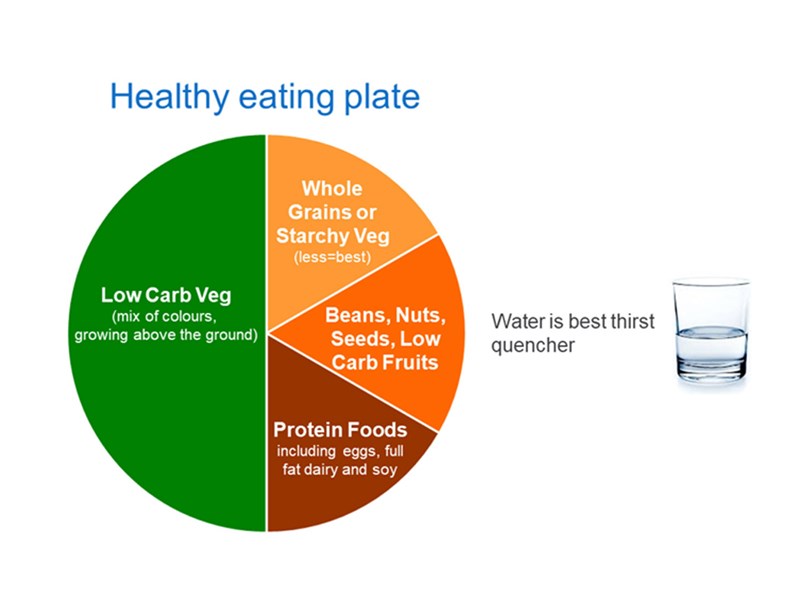
Credit: www.myhealthlondon.nhs.uk
Key Data And Comparison
Here is a summary of important facts about water fasting versus other fasting methods.
| Type | Calories Allowed | Duration | Supervision Needed | Main Risks |
|---|---|---|---|---|
| Water Fasting | 0 | 24-72 hours (sometimes longer) | Yes (over 48 hours) | Dehydration, muscle loss, dizziness |
| Intermittent Fasting | Some (eating windows) | 16-24 hours per cycle | No | Hunger, irritability |
| Juice Fasting | 100-800/day | 1-7 days | Advised | Blood sugar swings, low protein |
Frequently Asked Questions
What Is The Safest Length For Water Fasting?
For most people, 24 to 48 hours is the safest period. Longer fasts should only be done with medical supervision due to higher risks of dehydration and nutrient loss.
Can You Exercise During Water Fasting?
Light walking or stretching is usually safe, but avoid intense workouts. Your energy is lower, and you may feel weak or dizzy, especially after the first day.
Who Should Not Do Water Fasting?
Children, pregnant women, people with diabetes, heart disease, or eating disorders should not water fast. Always check with your doctor before starting.
How Much Weight Can You Lose During Water Fasting?
Most people lose 1-2 pounds (0.5-1 kg) per day, but much of this is water and glycogen, not just fat. Weight often returns after refeeding.
Where Can I Find More Scientific Information On Water Fasting?
Trusted sources include medical journals and university research. The Wikipedia page on water fasting offers a good overview and links to studies. For in-depth medical advice, see the National Institutes of Health review on fasting.
Key Takeaway
Water fasting can be a powerful tool for health, but it is not for everyone. If you decide to try it, plan carefully, listen to your body, and seek medical guidance for longer fasts. Safe fasting means respecting your limits and focusing on long-term well-being, not just quick results.
With the right approach, water fasting can offer meaningful benefits while keeping risks low.

Hasan Al Sarker is a Reverse Osmosis Specialist. He has worked for many years to ensure safe drinking water for all. His research paper has been published in several journals, including Issue, Medium, and Slideshare. He is recognized as a water doctor among specialists though he did not attend medical college.
Besides working as a researcher of reverse osmosis technology, he is also very fancy with the kitchen and cooking. His guides are reading thousands of people every day. As a head of content, he is responsible for all the published articles at RO System Reviews.