
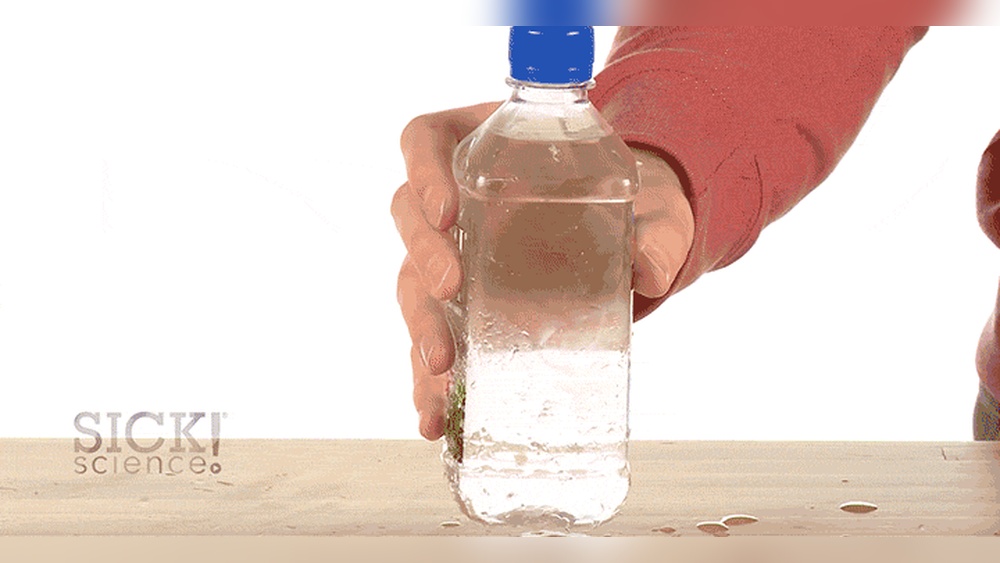
Have you ever seen water freeze instantly, almost like magic? Maybe in a science video, or when someone pours super-cooled water onto ice and it turns solid right away. This strange effect is not just a trick—it’s a fascinating mix of physics, temperature, and the purity of water. Understanding how water freezes instantly opens up ideas in science, nature, and even technology. Let’s explore why this happens, how you can create it yourself, and what it teaches us about the natural world.
What Does “instant Freezing” Mean?
Instant freezing is when liquid water turns to ice in a flash, often in seconds or even less. Normally, water freezes slowly as it cools below 0°C (32°F), forming crystals bit by bit. But in instant freezing, water is already super cold—sometimes way below freezing—yet still stays liquid. When disturbed (like poured onto ice), it suddenly forms solid ice.
This effect looks dramatic, but it follows clear scientific rules. Supercooling is the main cause. Water can stay liquid below its freezing point if it’s pure and undisturbed. Once it meets a trigger, it turns solid quickly.
The Science Behind Instant Freezing
Supercooling Explained
Supercooling is when water cools below its normal freezing point but doesn’t freeze. For example, pure water in a clean bottle can be chilled to -5°C or even lower without turning to ice. This happens because ice needs a starting point—a tiny crystal or impurity—to begin forming. If the water is very pure and still, there’s nothing to start the freezing process.
When you shake the bottle or pour the water onto ice, you introduce a disturbance. Suddenly, the water finds a way to start freezing, and it does so almost instantly.
Nucleation: The Trigger
The first step in freezing is called nucleation. It’s like planting a seed for ice crystals to grow. Water molecules need something solid (like a dust particle or rough surface) to arrange themselves into the rigid structure of ice. If there’s no seed, supercooled water stays liquid.
When you provide a trigger—like dropping ice cubes into supercooled water or tapping the container—you kickstart nucleation. Ice forms quickly, and sometimes the whole container freezes in seconds.
Purity And Container Effects
Water that is very pure and kept in a smooth, clean container is much more likely to supercool. Tap water, which contains minerals and dust, almost always freezes normally. Bottled or distilled water, especially in a new plastic bottle, is ideal for instant freezing experiments.
Real-world Examples Of Instant Freezing
Instant freezing isn’t just a laboratory trick. It happens in nature and in daily life.
- In cold climates, supercooled rain can freeze instantly when it hits the ground. This causes dangerous icy roads.
- In the Arctic, supercooled water can freeze on ship surfaces, creating ice buildup.
- In science labs, supercooled water is used to study freezing and crystallization.
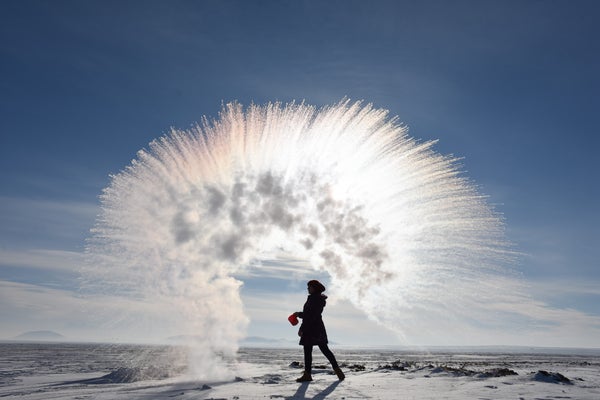
You might have seen viral videos where people throw boiling water into freezing air, and it turns to snow instantly. This is a related effect, but not true instant freezing—it’s rapid vaporization and condensation, not supercooled water freezing.
How To Make Water Freeze Instantly At Home
If you want to try instant freezing, you can do it with simple tools and careful steps. Here’s a guide for a safe home experiment:
- Get pure bottled water. Distilled water works best.
- Place bottles in the freezer. Lay them flat. Set your freezer to about -7°C (19°F).
- Wait 2–3 hours. Check every 30 minutes after 2 hours. The goal is for the water to cool below 0°C but stay liquid.
- Gently remove a bottle. Don’t shake or bump it.
- Pour the water onto ice cubes. You should see the water freeze instantly.
A few practical tips:
- Start with several bottles, as some may freeze early.
- If your freezer is too cold, water may freeze before you check.
- If the water freezes slowly, it’s not pure enough or the container is rough.
Instant Freezing Vs. Normal Freezing
Here’s a simple comparison:
| Feature | Normal Freezing | Instant Freezing |
|---|---|---|
| Temperature | 0°C (32°F) | Below 0°C (often -5°C or lower) |
| Process | Slow crystal growth | Quick, sudden crystallization |
| Requirements | Any water, any container | Very pure water, smooth container |
| Trigger | Cooling | Disturbance (shock, ice, tap) |
| Appearance | Gradual ice formation | Rapid, dramatic ice |
Factors That Affect Instant Freezing
Several things must line up for water to freeze instantly:
Water Purity
Pure water is less likely to freeze at 0°C. Minerals, dust, or bacteria act as nucleation sites. Tap water almost always freezes slowly, while distilled water can supercool easily.
Container Surface
A smooth, clean container is better for supercooling. Scratches or leftover dirt can cause early freezing.
Temperature Control
The freezer must be cold enough to supercool the water but not so cold that it freezes before you check. This balance is tricky and may take a few tries.
Disturbance
You must disturb the supercooled water gently. Pouring onto ice, tapping, or shaking works. Too much force can break the bottle or spill water.
Atmospheric Pressure
Lower pressure makes supercooling easier, but in most home experiments, pressure is not a major factor.
Common Mistakes And How To Avoid Them
Many people fail to create instant freezing on their first try. Here’s what often goes wrong:
- Using tap water: Impurities trigger freezing early.
- Leaving bottles too long: Water freezes before you check.
- Shaking bottles: Movement causes freezing in the freezer.
- Dirty containers: Dust or scratches act as nucleation sites.
- Wrong temperature: Too warm, water never supercools; too cold, it freezes solid.
If you want better results, use multiple bottles, record the time, and handle bottles gently.
Instant Freezing In Nature
Freezing Rain
Freezing rain is a natural example of instant freezing. Supercooled droplets fall from clouds and stay liquid until they hit surfaces. When they land, they freeze instantly, forming a dangerous layer of ice.
Arctic And Antarctic Effects
Ships in polar regions can experience supercooled water freezing instantly on their surfaces. This creates heavy ice that can damage equipment.
Animal Adaptations
Some fish and insects in cold climates have proteins that prevent their body fluids from freezing, even when supercooled. This allows them to survive in harsh conditions.
Practical Uses Of Instant Freezing
Instant freezing isn’t just a cool science trick. It has real applications:
- Food preservation: Supercooling can help freeze food quickly, preserving texture.
- Medicine: Rapid freezing is used to store cells and tissues.
- Weather prediction: Understanding supercooling helps forecast icy conditions.
Researchers also study instant freezing to learn about crystal formation, which is important in many industries.
Interesting Data And Statistics
- Water can supercool to -10°C (14°F) or lower in perfect conditions.
- Instant freezing experiments in labs show a success rate of about 60% with bottled water.
- Freezing rain causes billions of dollars in damage each year in North America.
- Supercooled water droplets can exist in clouds at temperatures as low as -40°C (-40°F).

Credit: science.wonderhowto.com
Visual Differences: Ice From Instant Vs. Slow Freezing
Ice formed by instant freezing looks different from ice made slowly.
| Type of Ice | Appearance | Texture |
|---|---|---|
| Instant Freezing | Cloudy, rough | Many small crystals, brittle |
| Slow Freezing | Clear, smooth | Large crystals, strong |
Myth Vs. Reality: What Instant Freezing Is Not
Some videos claim to show instant freezing, but the effect is often misunderstood.
- Throwing boiling water into cold air produces instant snow, not ice.
- Some “instant freezing” clips actually use chemicals or dry ice, not pure water.
- Real instant freezing only happens when water is supercooled.
Non-obvious Insights
- Freezer humidity matters: If your freezer is very humid, ice crystals can form on bottles, causing early freezing.
- Water memory: Once water freezes, it leaves tiny scratches and residues in the bottle. Reusing bottles lowers your chances of supercooling.
These details often surprise beginners, but they make a big difference in home experiments.
Instant Freezing In Technology
Cryopreservation
Scientists use instant freezing in cryopreservation to store cells, embryos, and tissue. Rapid freezing prevents ice crystals from damaging cell walls.
Weather Control
Understanding supercooled water is important for cloud seeding and other weather modification techniques.
Industrial Cooling
Supercooling is used in cooling systems for electronics and machinery, allowing quick temperature drops without solidification.
Credit: www.scientificamerican.com
Fun Experiments With Instant Freezing
If you want to try more, here are ideas:
- Create ice towers: Pour supercooled water onto an ice cube, and watch it build upwards.
- Try flavor experiments: Add a tiny amount of juice to distilled water and see how impurities affect freezing.
- Observe ice textures: Compare instant-frozen ice to slow-frozen cubes under a magnifier.
Always use caution—supercooled water can freeze rapidly and break bottles.
Summary Of Key Facts
| Fact | Details |
|---|---|
| Main cause | Supercooling |
| Ideal water | Distilled, pure |
| Temperature range | -5°C to -10°C |
| Trigger | Disturbance or nucleation site |
| Common mistake | Using tap water |

Credit: www.youtube.com
Frequently Asked Questions
What Is Supercooled Water?
Supercooled water is water cooled below its freezing point (0°C) but still liquid. It happens when the water is pure and undisturbed. A trigger like shaking or pouring causes it to freeze instantly.
Can All Water Freeze Instantly?
No. Only very pure water in smooth containers, cooled carefully, can freeze instantly. Tap water or dirty bottles usually freeze slowly.
Is Instant Freezing Dangerous?
Instant freezing itself is not dangerous, but supercooled water can release energy fast, sometimes breaking bottles. In nature, instant freezing causes hazards like icy roads.
Why Does Instant Freezing Happen In Nature?
Instant freezing occurs when supercooled droplets hit cold surfaces, like during freezing rain. It’s common in winter storms and in polar regions.
Where Can I Learn More About Supercooling And Instant Freezing?
The science of supercooling and instant freezing is explained in detail on Wikipedia, which covers the physics, examples, and real-world effects.
The phenomenon of water freezing instantly is more than a cool party trick. It’s a window into the hidden behavior of water, showing how purity, temperature, and triggers can change its state in a flash. Whether you’re curious about home experiments or want to understand icy hazards outside, knowing about instant freezing helps you see the world with new eyes. Remember: with careful steps and a bit of science, you can make water freeze instantly—and understand why it happens.

Hasan Al Sarker is a Reverse Osmosis Specialist. He has worked for many years to ensure safe drinking water for all. His research paper has been published in several journals, including Issue, Medium, and Slideshare. He is recognized as a water doctor among specialists though he did not attend medical college.
Besides working as a researcher of reverse osmosis technology, he is also very fancy with the kitchen and cooking. His guides are reading thousands of people every day. As a head of content, he is responsible for all the published articles at RO System Reviews.