Many people search for the fastest way to lose weight, trying strict diets or expensive supplements. However, one simple and effective solution is often overlooked: drinking enough water. From my experience as a health professional, I have seen how water can support weight loss more than most people realize. Let’s explore the science, practical steps, and real results behind water’s role in shedding pounds.
Understanding The Role Of Water In Weight Loss
Water is more than just a thirst-quencher. It plays a key part in almost every body function, including metabolism and digestion. When you try to lose weight, water acts as a natural helper. Studies show that people who drink water before meals often eat less, making it easier to create a calorie deficit.
A 2016 study in the journal *Obesity* found that adults who drank 500 ml (about two cups) of water before each meal lost an average of 1. 3 kg (about 2. 8 lbs) more over 12 weeks than those who did not.
This is a clear and measurable impact.
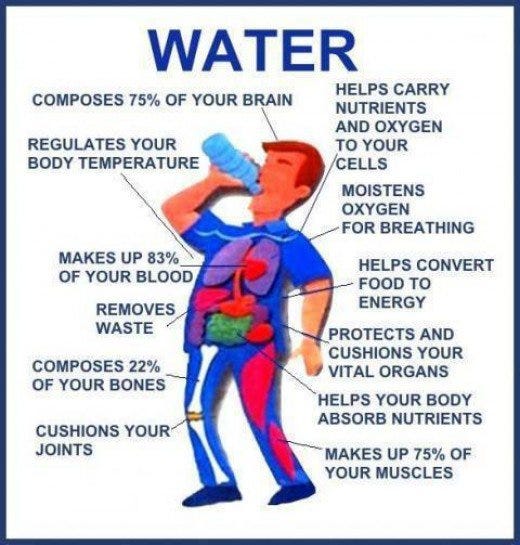
Water also helps your body process and use nutrients from food. For example, digestive enzymes need enough fluids to break down protein, fat, and carbohydrates effectively. If you are dehydrated, your body cannot absorb vitamins and minerals as well, which can slow your progress.
Many people do not realize that water is needed for your liver to burn fat for energy—a process called lipolysis. Without enough water, fat loss slows down.
How Water Supports Weight Loss
Drinking enough water can help you lose weight in several ways. Here’s how it works:
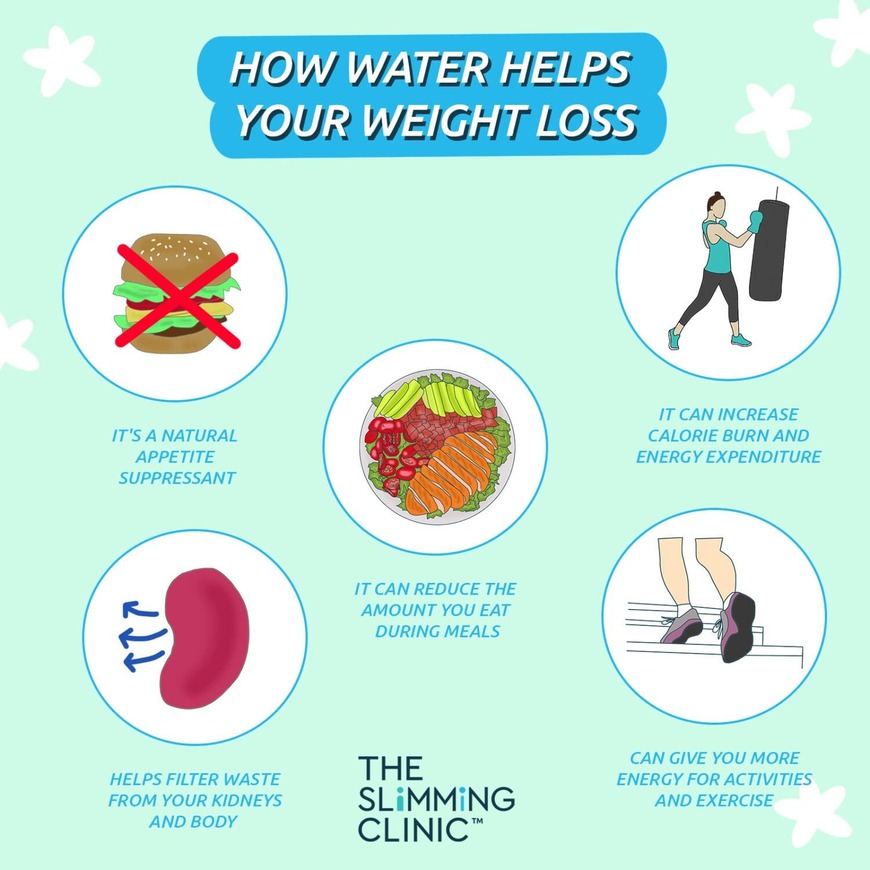
1. Reduces Appetite
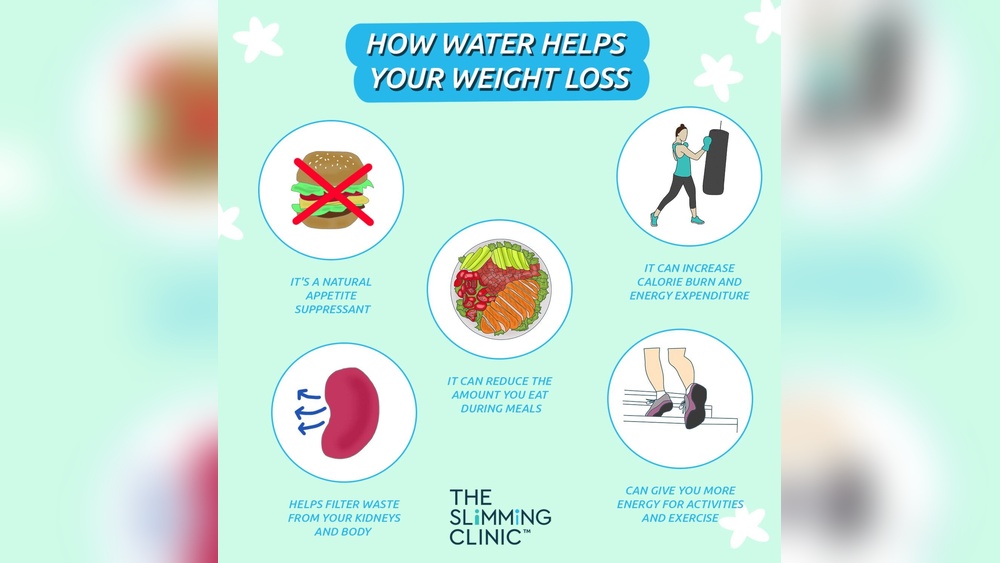
Sometimes, your body confuses thirst with hunger. Drinking water before eating can help you feel full, so you may eat less. This is especially true if you drink a glass 30 minutes before a meal. For example, if you often crave snacks in the afternoon, try drinking water first before reaching for food.
2. Boosts Metabolism
Water can increase your body’s energy use. In one study, drinking 500 ml of water raised metabolic rate by 24-30% for up to 60 minutes. This means you burn more calories, even at rest. If you drink cold water, your body uses even more energy to warm it up.
This effect is small but adds up over time.
3. Helps Remove Waste
Proper hydration helps your kidneys and liver work well. This supports the removal of waste, which is important for healthy weight loss. If waste builds up, you may feel bloated or tired, which can make it harder to stay active.
4. Improves Exercise Performance
Water keeps your muscles and joints working smoothly. Even mild dehydration can reduce your workout quality, making it harder to burn calories. For example, a 2% drop in body water can lower physical performance and make exercise feel harder.
5. Reduces Liquid Calories
Choosing water instead of sugary drinks cuts calories. For example, replacing a can of soda (about 140 kcal) with water every day saves almost 1,000 calories per week. Over a month, this change alone could help you lose about half a kilogram.
Many people do not realize that even drinks like juice, sports drinks, or fancy coffees can contain hidden sugars and calories. Water is always calorie-free and helps you avoid these extra calories.
Credit: medium.com
Why Water Intake Matters For Weight Loss
Water is calorie-free, easy to get, and supports other healthy habits. Unlike fad diets, focusing on water is a sustainable change. The effects are not just theory. Research from the National Institutes of Health shows that increasing water intake is linked to lower calorie intake, less sugar consumption, and better weight management.
Many beginners miss two key insights:
- Drinking ice-cold water makes your body use extra energy to warm it, which burns slightly more calories.
- Hydration timing matters. Spreading water intake across the day keeps your metabolism steady and prevents false hunger signals.
Another detail people often miss is that good hydration helps your mood and focus. When you feel alert and positive, you are more likely to stick with your weight loss plan. Staying hydrated also supports your skin health, which often improves as you lose weight.
Practical Examples Of Water And Weight Loss
Let’s look at some real-life situations.
Sarah, a 35-year-old office worker, wanted to lose 5 kg. She started drinking a glass of water before each meal and replaced her afternoon soda with water. Over two months, she lost 3 kg without changing her diet.
Another example: Mark, a regular gym-goer, noticed he was not making progress. He realized he was drinking too little water. After increasing his intake to 2.5 liters daily, his energy improved, and he lost the last 2 kg he struggled with.
These examples show that you do not need to make big changes all at once. Small adjustments—like drinking water before meals or during snack times—add up. In my practice, clients who track their water intake often notice fewer cravings for sweets or salty snacks.
This makes it easier to stick to a healthy eating plan.
Signs You Need More Water For Weight Loss
Not drinking enough water can slow your progress. Watch for these indicators:
- Dry mouth or lips
- Dark yellow urine
- Feeling tired without reason
- Headaches
- Hunger soon after eating
If you notice these signs, try increasing your water intake. Your body often gives clear signals when it needs more fluids.
Another sign is low mood or poor focus, which people sometimes blame on stress or lack of sleep. Often, drinking a glass of water can quickly improve how you feel. Also, if you notice you are not sweating much during exercise, it can be a sign of dehydration.
Step-by-step Guidance To Use Water For Weight Loss
You don’t need to change everything at once. Follow these steps for best results:
1. Measure Your Daily Water Intake
Use a bottle or app to track how much you drink. Even a simple tally on paper works.
2. Set A Daily Goal
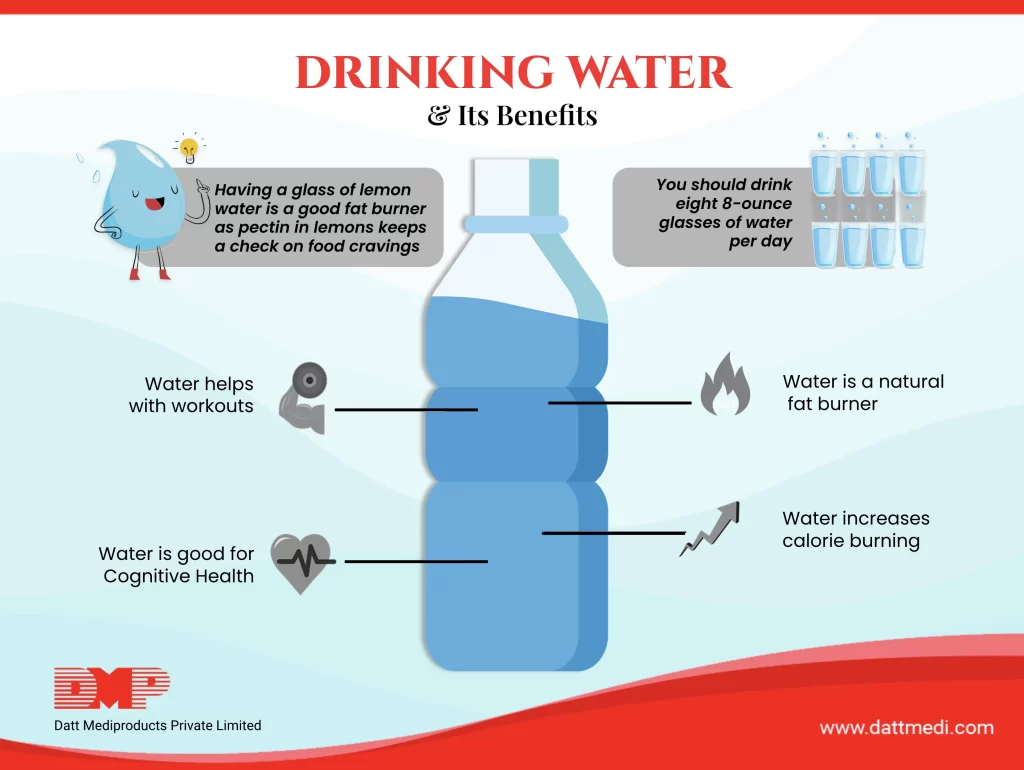
For most adults, 2 to 2. 5 liters (8-10 cups) is a good target. If you exercise or sweat a lot, you may need more.
3. Drink Before Meals
Have a glass of water 20-30 minutes before each meal. This helps you feel full and eat less.
4. Replace Sugary Drinks
Swap juice, soda, or energy drinks for water. This is one of the easiest ways to cut calories.
5. Carry Water With You
Keep a reusable bottle at your desk or in your bag so you remember to drink throughout the day. Many people find that keeping water visible helps them remember to drink.
6. Check Your Urine Color
Pale yellow means you’re well-hydrated.
7. Adjust Based On Activity And Weather
Drink more if you are active, in hot weather, or feeling unwell. On busy days, sip water regularly even if you don’t feel thirsty.
If you forget to drink, try setting small alarms or leaving notes for yourself. Over time, drinking water will become a natural habit, not a chore.
Credit: www.ctcd.edu
Key Data: Water And Weight Loss At A Glance
Here’s a summary of important numbers and comparisons to help you plan:
| Action | Calories Saved or Burned | Notes |
|---|---|---|
| Drink 500 ml before meals (3x daily) | Eat ~75 kcal less per meal | Based on research studies |
| Replace 1 can soda with water | ~140 kcal saved per day | Equals nearly 1,000 kcal per week |
| Increase water intake by 1 liter | Burn ~23 kcal per day | Due to thermogenesis effect |
If you repeat these simple actions over weeks and months, the calorie savings can be significant. For example, eating 75 kcal less at each meal adds up to over 1,500 fewer calories every week—about the same as skipping two full meals.
Common Problems And Solutions
Many people struggle with forming the water habit. Here are frequent obstacles and how to solve them:
- Forgetting to drink
Set phone reminders or use a marked bottle to track progress. Some people set hourly alarms or keep water near their workspace.
- Dislike of plain water
Add lemon, cucumber, or mint for flavor without calories. Herbal teas (unsweetened) are another option.
- Frequent urination
This is common at first but usually settles as your body adjusts. Spread your water intake evenly during the day.
- Busy lifestyle
Carry a bottle so you can sip while commuting, working, or exercising. Choose a bottle that fits your bag or cup holder.
- Uncertain how much is enough
Listen to your body, check urine color, and aim for the general target of 2-2. 5 liters unless your doctor suggests otherwise.
If you work in a cold office, you may not feel thirsty, but your body still needs water. Try warm water or herbal teas if you prefer.
Credit: theslimmingclinic.com
Maintenance Tips For Long-term Success
Building a water habit takes time, but these strategies help you maintain it:
- Drink a glass after waking up and before bed.
- Keep a bottle visible on your desk or kitchen counter.
- Track your intake weekly to notice trends.
- Involve friends or family for support.
- Notice how you feel—better energy, fewer cravings, and improved digestion are signs you’re on track.
You can also pair water with other healthy habits. For example, drink a glass before your morning walk or after every bathroom break. These little routines make the habit automatic.
Frequently Asked Questions
How Much Water Should I Drink Daily For Weight Loss?
Most adults need around 2 to 2. 5 liters (8-10 cups) per day. If you are very active or live in a hot climate, you may need more. Listen to your body’s signals and adjust as needed.
Does Drinking Water Burn Fat Directly?
Water does not burn fat directly, but it increases your metabolism and helps your body use stored fat for energy. It also prevents false hunger, which supports calorie control.
Can I Drink Too Much Water?
Yes, it is possible, but rare. Drinking much more than your body needs can lead to low sodium (hyponatremia). Stick to the recommended range and spread your intake through the day.
Is Sparkling Water As Good As Plain Water For Weight Loss?
Plain water is best, but unsweetened sparkling water is also a good choice. Just check the label for added sugars or sodium.
What Is The Best Time To Drink Water For Weight Loss?
The most effective times are before meals and during the day. Drinking water before eating helps control appetite, while regular sips keep your metabolism active.
You can also drink water before exercise to boost performance and after exercise to support recovery.
Key Takeaway
Water is a simple, powerful tool for healthy weight loss. It helps control appetite, supports metabolism, and replaces high-calorie drinks. Small daily changes—like drinking before meals and carrying a bottle—make a big difference over time. For more science-backed health tips, you can explore resources from the Centers for Disease Control and Prevention and Wikipedia.
Start building your water habit today and give your weight loss journey a real boost.

Hasan Al Sarker is a Reverse Osmosis Specialist. He has worked for many years to ensure safe drinking water for all. His research paper has been published in several journals, including Issue, Medium, and Slideshare. He is recognized as a water doctor among specialists though he did not attend medical college.
Besides working as a researcher of reverse osmosis technology, he is also very fancy with the kitchen and cooking. His guides are reading thousands of people every day. As a head of content, he is responsible for all the published articles at RO System Reviews.